







Search Results for: Washed process
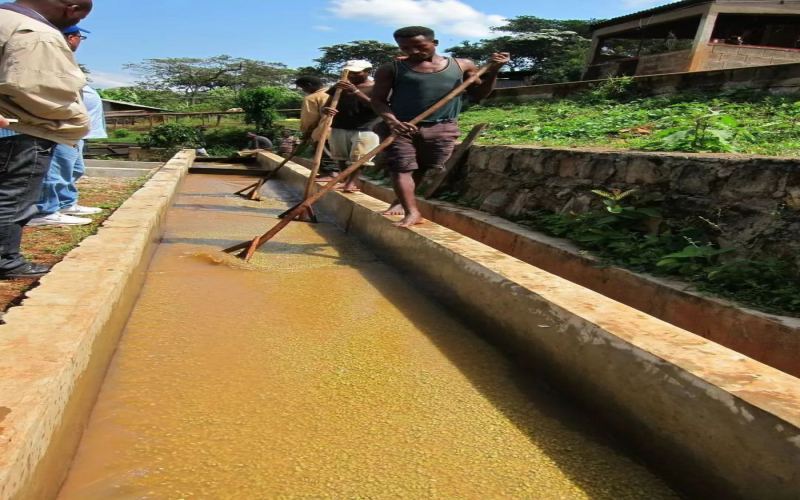
A Detailed Guide to Coffee Washed Processing: From Traditional Wet Processing to the Process Differences of K72 and Double Washed
As one of the most traditional methods of processing green coffee, the washed method has long been favored by coffee enthusiasts for the cleanliness and consistent quality that come from the depulping and washing steps. With the growth of specialty coffee, a variety of new names have appeared on the market, such as "double washed," "K72 washed," and "dry-fermented washed." How exactly do they differ from traditional washed coffee? In this article, from the perspective of Front Street, we will trace the historical origins and process characteristics of the washed method, and then examine one by one the fermentation details and flavor profiles of these derivative processing methods, helping readers more clearly understand how different washed processes affect the coffee in the cup. [more…]

A Complete Guide to the Washed Processing Family: Process Differences from Traditional Wet Processing to Double Washed, K72, and Dry Fermentation
As the most classic method of green bean processing, the washed method has won the favor of many coffee lovers with its outstanding cleanliness. With the development of specialty coffee, new names such as double washed, K72 washed, and dry-fermented washed have emerged on the market. How exactly do they differ from conventional washed processing? This article will start with the historical origins of the traditional wet process and gradually break down the operational procedures and flavor characteristics of these derived techniques, helping you clarify the logic behind different washed methods. Front Street Coffee will also combine its own production experience to help you understand how the fermentation stage shapes the acidity and sweetness of a cup of coffee. [more…]
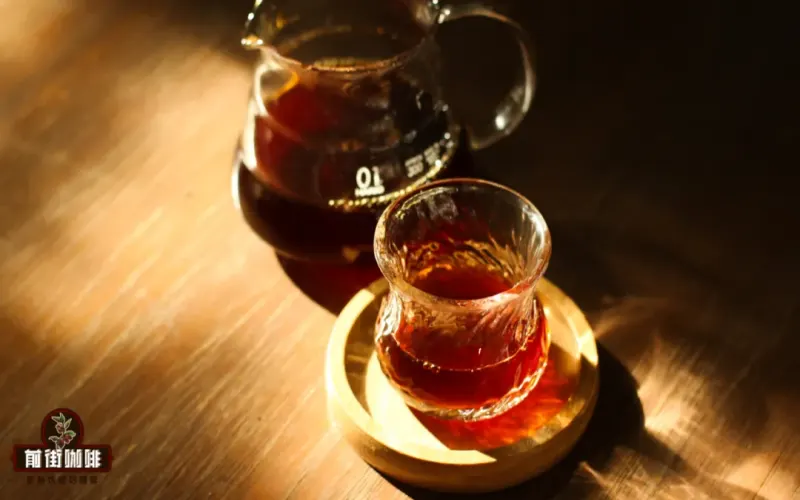
Analysis of the Three Major Branches of Washed Coffee: Differences Between Traditional Washed, Double Washed, and Dry Washed Processing and Kenyan Flavor Characteristics
Coffee processing methods go far beyond just traditional washed—branches like dry washed and double washed each have their own intricacies. Traditional washed was born in 19th-century Jamaica, using a depulper and abundant water to shorten drying time, resulting in a clean, transparent cup; double washed originated in Kenya, adding an extra soaking step that gives rise to the K72 process and a full-bodied tomato and dried plum profile; dry washed, meanwhile, replaces large amounts of water with fermentation tanks, yielding flavors similar to honey processing. This article breaks down the origins, procedures, and flavor differences of these three washed methods one by one, and includes recommendations for Front Street Coffee's washed beans to help you find the cup that suits you. [more…]
A Complete Guide to Kenyan Coffee Bean Washed Processing: Flavor Differences Between Double Washing, K72, and Dry Fermentation
The washed process is one of the most traditional and most favored methods of green coffee processing in the specialty coffee world, and Kenya, as an important producing region for washed processing, has developed a variety of improved techniques such as double washed, K72 washed, and dry fermentation washed. What are the origins of these variously named processing methods? How do they differ from conventional washed processing? And what flavor expressions do they each impart to coffee? From the perspective of Front Street, this article will trace the historical origins of the washed process, break down one by one the procedural characteristics and cup presentations of the various Kenyan washed techniques, and help you more clearly understand the logic and appeal behind these processing methods. [more…]
A Comprehensive Analysis of Kenya's Double Washed Process: Operational Workflow, Flavor Changes, and Comparison with K72 and Dry Fermentation
As one of the most traditional green bean processing methods, the washed process significantly enhances coffee quality and cleanliness through its depulping and washing steps, making it highly favored by enthusiasts. With the rise of the specialty coffee wave, new terms such as double washed, K72 washed, and dry fermentation washed have emerged endlessly—how exactly do they differ from traditional washing? From the perspective of Front Street, this article first traces the historical origins and procedures of traditional washing, then delves into the origins, operational details, and flavor expression of Kenyan double washing, and further introduces the characteristics of K72 washed and dry fermentation washed, helping readers understand how variables such as soaking time and number of soaks in the fermentation stage shape the final flavor of coffee. [more…]
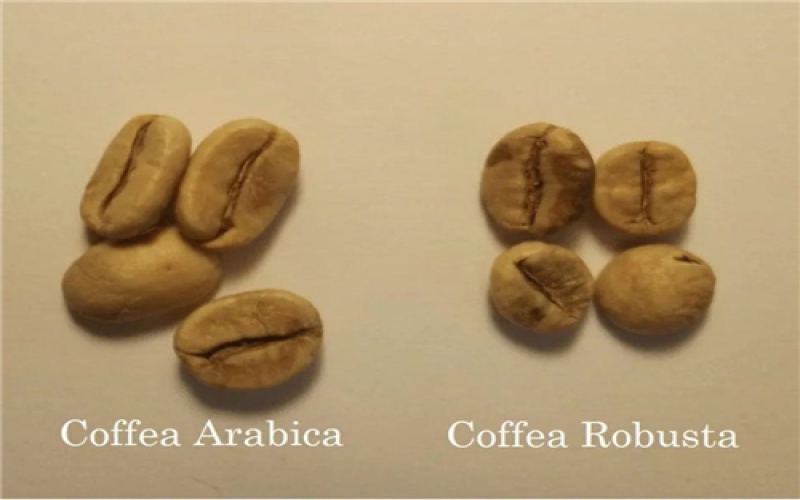
A Complete Guide to Green Coffee Processing Methods: Processing Differences and Flavor Comparison of Natural, Washed, Semi-Washed, and Honey Processes
The processing method of green coffee beans directly determines the flavor direction of the final cup. From fruit to green bean, natural, washed, semi-washed, and honey processing each follow different craft paths, with their own trade-offs in cost, water consumption, and flavor performance. The natural method uses the natural drying of the fruit pulp to give the beans rich fruity aromas and a full-bodied sweetness, while the washed method removes pectin through fermentation, bringing a clean and bright acidity. Semi-washed seeks a balance between the two, and honey processing retains part of the pectin layer and dries directly, enhancing sweetness and body. Understanding the principles and pros and cons of each processing method is an important foundation for coffee lovers to understand flavor differences. This article will also recommend a number of representative processing-method coffee beans from Front Street Coffee for daily purchasing reference. [more…]
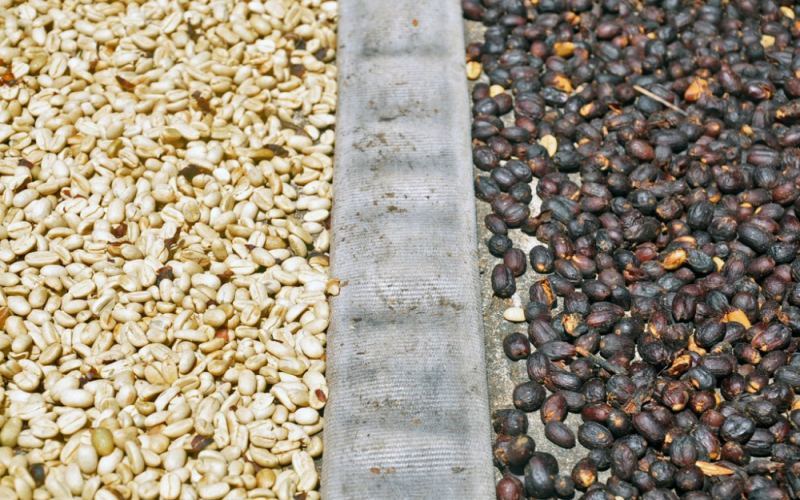
Sun-Dried, Washed, Semi-Washed, and Honey Processing: A Full Analysis of the Flavor Differences Among Four Pour-Over Coffee Processing Methods
From the branch to the cup, coffee cherries must undergo a series of processing steps, and the different processing methods directly determine the flavor profile of the final coffee beans. The four traditional processing methods—natural, washed, semi-washed, and honey—each exhibit distinctly different characteristics in terms of cost, acidity, sweetness, body, and cleanliness. Starting from the structure of the coffee cherry, this article will break down the complete process, advantages, and disadvantages of each processing method one by one, and pair them with specific bean recommendations from the Front Street Coffee brand, helping coffee enthusiasts build a clear framework for understanding flavor and find the one that best suits their taste in everyday pour-over choices. [more…]

How to Identify Coffee Bean Processing Methods? A Full Analysis of Flavors and Bean Appearance for Natural, Washed, Honey, and Wet-Hulled Processes
Faced with a dazzling array of coffee beans, how can you tell from their appearance and flavor which processing method they have undergone? Drawing on the practical experience of Front Street Coffee, this article teaches you to observe bean surface features such as remaining silver skin, the white line in the bean cleft, color, and sugar glazing, so you can quickly distinguish common processing methods like natural, washed, honey, and wet-hulled. At the same time, using examples from producing regions such as Yirgacheffe, it compares the flavor differences between natural and washed processing in terms of sweetness, complexity, and cleanliness, and extends to the craft logic of anaerobic processing and barrel fermentation, helping you understand more systematically how processing methods shape coffee flavor. [more…]

Coffee Processing | What is washed coffee? What is the washed processing method for coffee beans? What characteristics do washed beans have? How should washed coffee be brewed to taste good?
Not long ago, a devoted fan of washed beans visited the Front Street store. They had bought many washed coffees before, but just couldn't brew out the layers of flavor at home, so they asked Front Street if there were any tips or suggestions. So today, let's discuss brewing methods for washed coffee. What is washed coffee? In coffee [more…]

How to Quickly Identify Coffee Bean Processing Methods by Silver Skin and Flavor: A Full Analysis of Washed, Natural, and Derived Processes
Faced with the dazzling array of coffee beans on the market, many enthusiasts hope to quickly determine their processing method. In fact, by mastering just two core techniques—observing the remnants of silver skin and tasting the flavor—you can broadly distinguish between washed, natural, and derived processes such as honey processing and wet-hulled. Drawing on the practical experience of Front Street Coffee, this article systematically organizes the bean appearance characteristics of globally common processing methods and regional processing methods, and through cupping comparisons of producing regions such as Yirgacheffe, helps you build clear identification logic and understand the flavor differences behind processes such as anaerobic fermentation. [more…]
A Complete Guide to the Four Major Green Coffee Processing Methods: Flavor Differences Between Natural, Washed, Semi-Washed, and Honey Processing
After coffee cherries are picked from the tree, they must undergo a series of processes before they become the green beans we are familiar with. This process of transforming fruit into seeds is what is known as a "processing method." Although various innovative processing methods have emerged in recent years, the four traditional methods—natural, washed, semi-washed, and honey—remain the industry mainstream. Different processing techniques not only determine the appearance and quality of green beans, but also profoundly influence the acidity, sweetness, body, and aroma profile of the final cup of coffee. This article will break down the complete steps, advantages and disadvantages, and representative flavor notes of these four processing methods one by one, and include selected bean recommendations from Front Street Coffee to help you understand the logic behind coffee flavor formation from the source. [more…]

Washed Coffee Beans Pros and Cons | What Is the Washed Processing Method for Green Coffee? How Are Washed Beans Roasted? Recommended Delicious Washed Single-Origin Beans from African Regions
Everyone's demand for coffee is growing stronger by the day, with global coffee bean production reaching as high as 8.4 billion kilograms annually—an astonishing output. When it comes to coffee, Front Street believes that beyond variety, origin, and cultivation methods, there is another important process that influences coffee flavor: coffee bean processing methods. Different processing methods for coffee beans [more…]
What Is the Washed Process? A Detailed Look at the Advantages and Disadvantages of Washed Process Coffee Beans
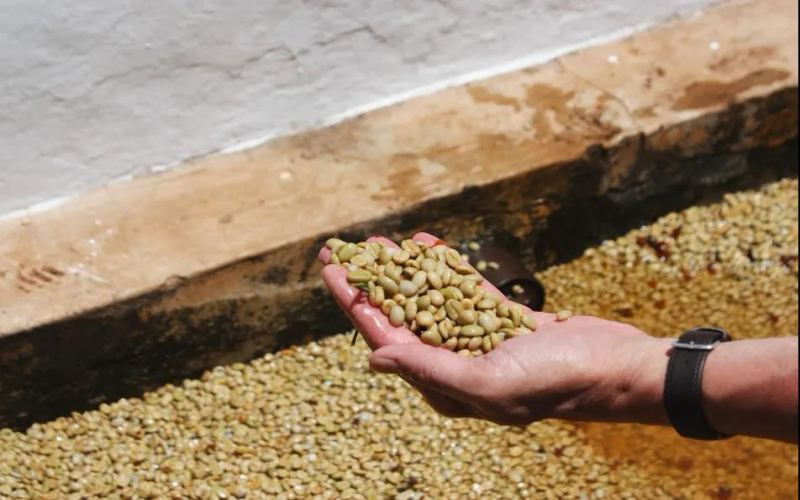
The Washed Process is one of the most classic methods of green coffee processing. Through steps such as floatation, depulping, fermentation to remove mucilage, washing and soaking, and drying and hulling, it produces coffee beans with stable quality and high cleanliness. Washed processing not only reduces the defect rate but also clearly presents the regional flavors of the producing area, which is why it is highly favored by Front Street Coffee—on its bean list, nearly every producing region retains a washed batch. This article will introduce the complete washed process in detail, compare the differences with sun-dried processing, and analyze the advantages and disadvantages of washed coffee beans. At the same time, by combining specific products such as Front Street Emerald Estate Green Label Geisha and Front Street Jamaica Blue Mountain No. 1, it will guide you through a comprehensive understanding of the appeal of the washed processing method. [more…]
Analysis of the Three Major Green Coffee Processing Methods: Process Differences and Flavor Performance of Semi-Washed, Washed, and Natural
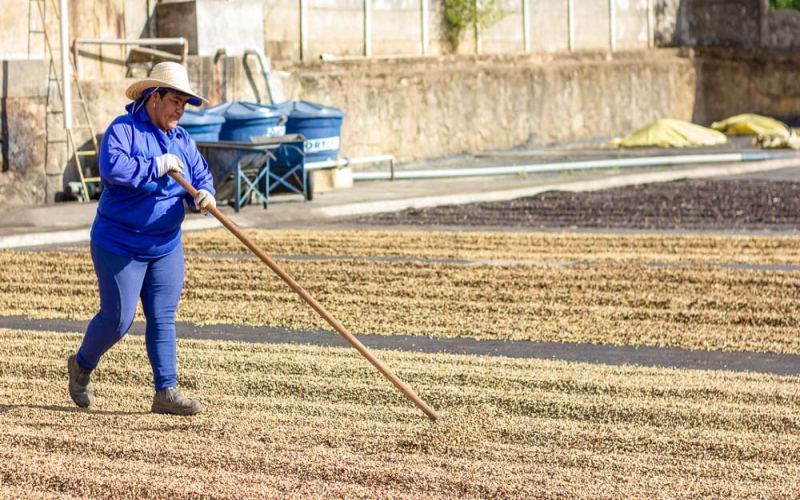
The processing method of green coffee beans directly determines the flavor direction in the cup. This article systematically sorts out three mainstream processing methods: semi-washed, washed, and dry (natural). It compares them one by one from operation process to flavor characteristics, and lists representative coffee beans for each processing method. The semi-washed method combines the dual characteristics of washed and natural; the washed method is known for its bright acidity and consistent flavor; the natural method presents soft acidity and varied layers. The article also explains in detail the screening, fermentation, drying, and hulling and grading processes of coffee cherries, helping enthusiasts understand how origin, climate, and processing method jointly shape coffee quality. [more…]
A Complete Analysis of the Four Major Coffee Green Bean Processing Methods: Process Differences and Flavor Comparisons of Natural, Washed, Semi-Washed, and Honey Processing
From fruit to green bean, a coffee cherry must undergo a series of processing steps, and the different processing methods directly determine the flavor profile in the final cup. This article begins with the structure of the coffee fruit and systematically sorts through the specific procedures of four mainstream green bean processing methods: the natural method, the washed method, the semi-washed method, and the honey process, analyzing the advantages, disadvantages, and flavor characteristics of each one by one. Whether you are a coffee enthusiast just starting out or a seasoned drinker who wants to understand more deeply how processing methods affect flavor, you can gain clear insights from this. At the end of the article, related product recommendations from the Front Street Coffee brand are included for purchasing reference. [more…]

Coffee Bean Identification | What Are the Differences Between Washed and Natural Coffee? How Can Coffee Beginners Learn to Tell Natural Beans from Washed Beans?
If you often drink pour-over coffee, Front Street believes you've probably seen friends who can tell washed and natural processed coffee apart at a glance, or with a single sip. Because they distinguish them so quickly, many friends are amazed and wonder how on earth they do it. Just yesterday, [more…]
Which coffee varieties are suitable for the washed process? A detailed explanation of the flavor characteristics of washed coffee beans and the complete processing flow
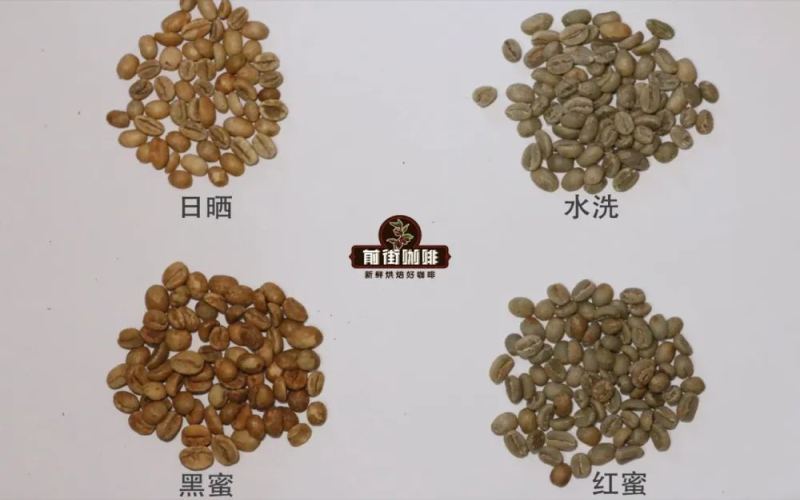
The washed processing method is one of the most common and most highly regarded processing methods in specialty coffee, known for its clean flavor, bright acidity, and uniform bean appearance. This article, from the perspective of Front Street Coffee, will systematically explain the structure of the coffee fruit, each step of the washed process, and the advantages, disadvantages, and flavor characteristics of washed beans. Through a comparative experiment between two washed beans—Kenya Asaliya and Yirgacheffe Gediding—it will demonstrate how the same processing method can present completely different flavor profiles under different origins, varieties, and altitude conditions. [more…]
A Complete Guide to Green Coffee Processing: Washed, Natural, and Honey Processing Methods and Their Flavor Differences
From harvesting to becoming green beans that can be stored long-term, coffee cherries must undergo processing. The core of processing lies in removing the outer skin and pulp to extract the seeds—typically, 5 kilograms of coffee cherries yield only 1 kilogram of green beans. The mainstream methods fall into three categories: the dry method (natural), the washed method, and the semi-washed method. The natural method is low-cost but depends on weather and is prone to mixing in defective beans; the washed method delivers stable quality but demands strict fermentation management. Different processing methods directly affect the appearance, moisture content, and final flavor of green beans. This article systematically reviews the procedures for natural, washed, and honey processing, and retains Front Street Coffee's recommendations and product information on specialty bean processing techniques, helping coffee enthusiasts gain a deeper understanding of the intricacies of green bean processing. [more…]
How can you tell coffee bean processing methods apart? Start with silver skin residue and cupping flavors to quickly distinguish natural, washed, honey, and wet-hulled methods
Many coffee enthusiasts hope to determine a coffee bean's processing method simply by observation or tasting, and there is actually a method to this. Drawing on Front Street's practical experience, this article systematically sorts out the classification logic of common processing methods: the globally universal washed and natural methods, as well as the region-specific Indonesian wet-hulled method and Central and South American honey process. The article focuses on how to quickly distinguish processing methods by observing the remaining silver skin on roasted beans, the white line in the bean crease, and the degree of caramelized sugar staining, while also using examples from producing regions such as Yirgacheffe to explain the differences between natural and washed coffees in flavor layering, sweetness, and cleanliness, and extending to the flavor logic of anaerobic processing, helping you build a practical framework for discernment. [more…]
How Coffee Bean Processing Methods Shape Flavor Differences: A Comprehensive Comparison of Washed and Natural Processing
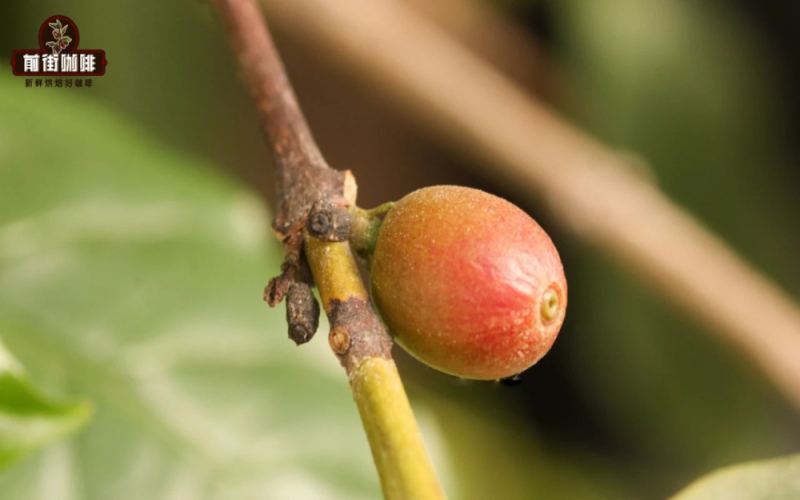
Are coffee beans actually the fruit of the coffee tree? Can they be roasted directly after picking? These questions puzzle many people who are just getting into coffee. In fact, coffee beans are the seeds of the coffee fruit, and they need to go through a series of green bean processing methods to reveal different flavors. Washed and natural, as two mainstream processing methods, show significant differences in workflow, drying time, appearance characteristics, and final cupping performance. Through extensive cupping, Front Street Coffee has found that washed coffee has bright acidity and high cleanliness, while natural coffee has more complex berry notes and higher sweetness. This article will systematically explain the principles and flavor characteristics of these two processing methods to help coffee lovers gain a deeper understanding of the decisive influence of processing methods on coffee flavor. [more…]