







What Are the Pros and Cons of Washed Coffee Processing?
The washed coffee process removes the fruit before drying, using flotation, depulping, fermentation to break down mucilage, washing or soaking, and finally drying and hulling. It produces green coffee with stable quality and high cleanliness, and it makes the regional flavor of the origin easier to taste. That is why nearly every origin on a roaster's list tends to keep a washed batch.
The trade-offs are water and cost. Washing stations need tanks and a steady supply of fresh water, so production costs run higher than for natural processing, and the method is harder to use in dry regions. In return, defect rates drop and cup character stays consistent, which is why washed lots such as Emerald Estate Green Label Geisha and Jamaica Blue Mountain No. 1 are common reference points.
The Washed Process is one of the most classic methods of green coffee processing. Through steps such as flotation, depulping, fermentation to remove mucilage, washing or soaking, and drying followed by hulling, it produces coffee beans of stable quality and high cleanliness. Washing not only reduces the defect rate but also clearly showcases the regional flavors of the origin, which is why Front Street Coffee favors it—on its bean list, nearly every origin retains a washed batch. This article will detail the complete washed process, compare it with the differences of natural processing, and analyze the pros and cons of washed coffee beans. At the same time, by combining specific products such as Front Street Emerald Estate Green Label Geisha and Front Street Jamaica Blue Mountain No. 1, we will take you through a comprehensive understanding of the charm of the washed process.
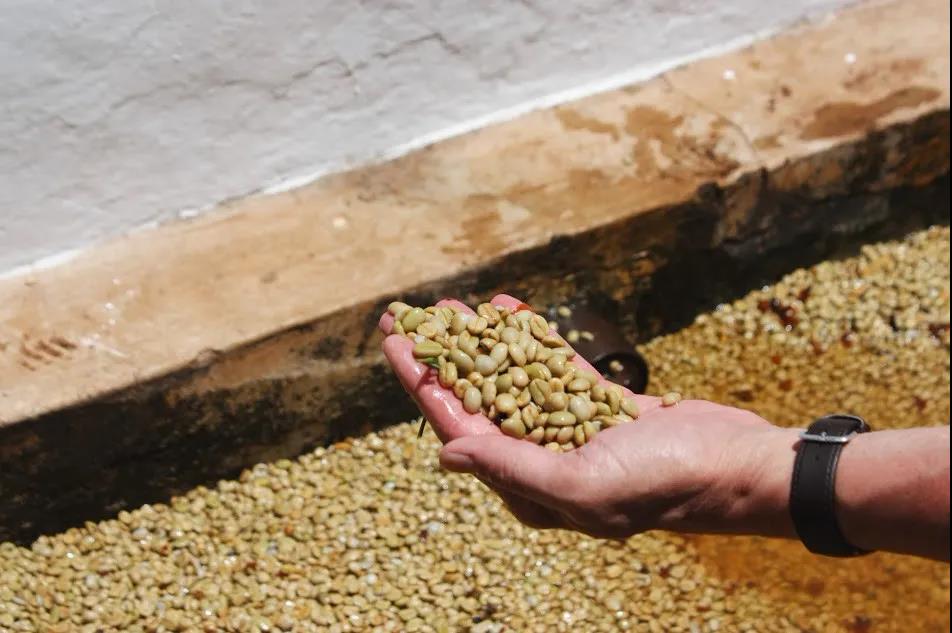
The washed process, known in English as Washed Process and sometimes called the washing process, is a coffee green bean processing method with a long history. Generally speaking, the washed process covers flotation, removal of pulp, fermentation to remove pectin, washing or soaking, and drying followed by hulling, before we finally obtain the coffee beans we need.
This set of procedures can significantly reduce the proportion of defects in coffee beans, making green bean quality more stable. At the same time, it can preserve the beans' own distinctive flavors, bring higher cleanliness, and better express the regional taste of the origin. Precisely for this reason, Front Street Coffee is very fond of this processing method. On Front Street's bean list, nearly every origin has a washed batch.
The steps of washing
No matter which processing method is used, the goal is to obtain the green beans inside the coffee fruit—that is, the process of scraping away the pulp, skin, pectin layer, and so on. Traditionally, natural and washed are the two most common methods. As market demand continues to increase, or in order to adapt to local conditions, producers have derived many novel post-processing methods from these two foundations, such as honey process and wet-hulled process.
The washed method is
a method of processing coffee fruit with the help of water resources.
Origins that adopt the washed method must build washing tanks and be able to continuously introduce fresh water, so production costs are higher than with the natural method.
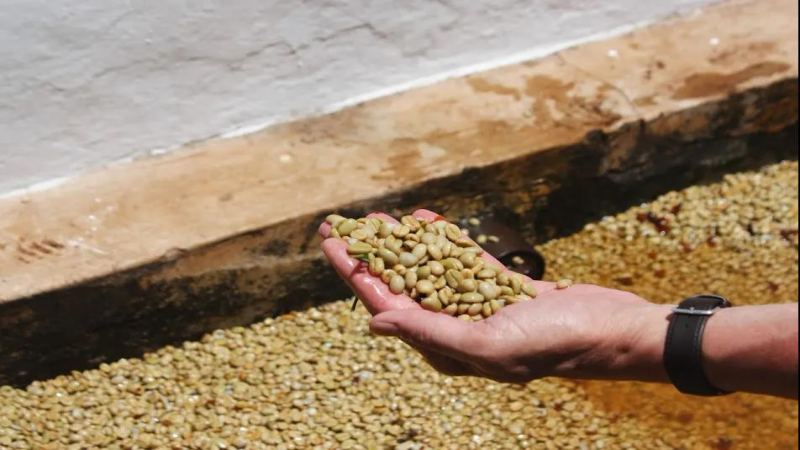
After the coffee fruit is picked, it is immediately sent for processing, usually completed within 6 to 12 hours after harvest. The fruit is first weighed, then immersed in water, in order to screen out fruits that float due to poor quality.
Afterward, the coffee fruit is sent to a pulper for depulping. This step is to remove the outer skin and pulp of the fruit.
The most traditional processing method is the natural method: dry the coffee fruit and then peel it open to get the coffee beans. But the natural method has an obvious weakness—it is extremely dependent on the weather and requires a drying period of as long as one month. During this time, if wind and rain come, all the effort may be lost. In the past, some unscrupulous processors would even let the coffee beans get rained on and moldy in such situations, and the quality was naturally low. So in reality, the climate of many origins cannot simultaneously satisfy the requirements of both capacity and quality. For example, Indonesia was initially mainly natural as well, but the local climate is humid and rainy. Later, even switching to Brazil's semi-natural method could not adapt to local conditions, which gave rise to the unique wet-hulled method.
Front Street Coffee often describes the taste of washed coffee as very clean with higher acidity. Unlike the fullness of natural coffee, coffee grown at high altitude and processed by washing feels more delicate and refreshing. For example, Front Street Emerald Estate's washed Green Label Geisha coffee beans show citrus-like acidity, a nutty mid-palate flavor, a delicate white-floral note running throughout, and an oolong tea-like finish.
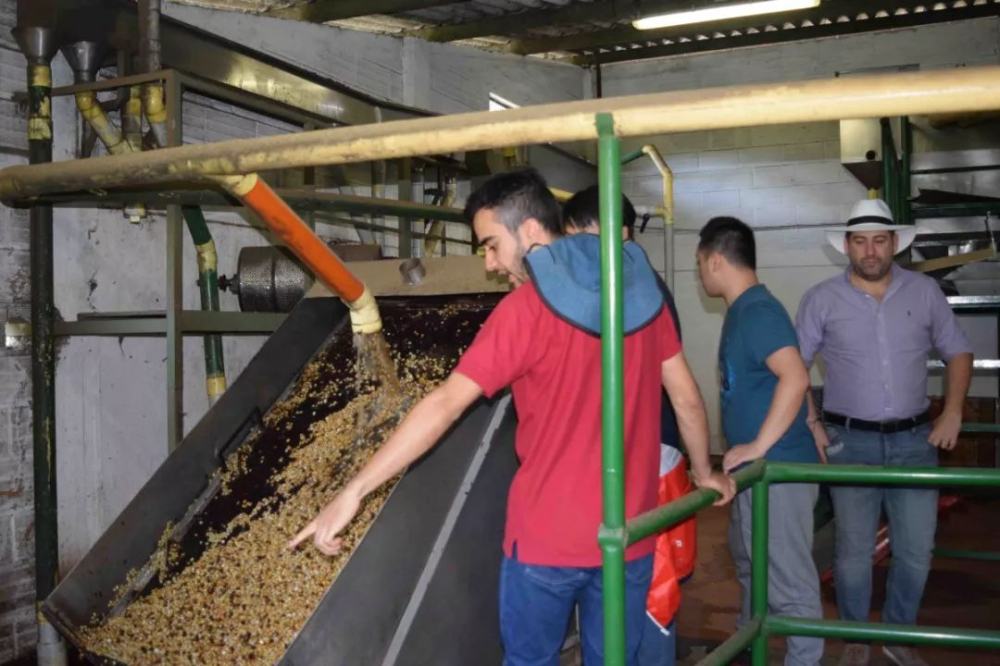
Therefore, large estates will adopt advanced equipment and use a water recycling model to reuse the discharged water. For example, Clifton Estate, which produces Front Street Jamaica Blue Mountain No. 1 coffee beans, specially built a wastewater treatment plant, using the water from green bean processing for agricultural irrigation, while the removed fruit skin is fermented into organic fertilizer for flower cultivation.
With the diversification of market demand, some estates have begun to launch a small number of natural batches of Blue Mountain, but Front Street believes that washed Blue Mountain is the most classic Blue Mountain flavor. If everyone is tasting it for the first time, it is also recommended to start with washed coffee beans. Front Street washed Blue Mountain No. 1 coffee tastes of the sweet aroma of dark chocolate, the sweetness of caramel, soft and elegant acidity, a balanced combination of various flavors, and a smooth and rich mouthfeel, possessing a very typical Blue Mountain flavor.
For professional coffee knowledge exchange and more coffee bean information, please follow Coffee Workshop (WeChat public account: cafe_style)
For more specialty coffee beans, please add the private WeChat of Front Street Coffee, WeChat ID: qjcoffeex
The above content is compiled by CoffeeHunters, a coffee news website.


