







How Do Coffee Processing Methods Change Flavor?
Green coffee processing follows three main routes: washed, semi-washed, and natural (dry). Washed coffee is fermented in tanks and rinsed, giving vivid acidity and consistent flavor. Semi-washed removes the skin first and dries with mucilage still on the bean, yielding moderate acidity and sweetness. Natural processing dries the whole cherry, producing soft acidity and layered fruit notes.
The coffee process also covers sorting, fermentation, drying, hulling, and grading. Ripe, overripe, and underripe cherries are mixed at harvest, so screening matters: unsorted lots can lose quality quickly. Terroir, climate, and processing method together shape the final cup, and each method suits different origins and markets.
The processing method of green coffee beans directly determines the flavor direction in the cup. This article systematically sorts out the three mainstream processing methods—semi-washed, washed, and dry (natural)—comparing them one by one from operational flow to flavor characteristics, and lists representative coffee beans for each method. The semi-washed method combines the dual characteristics of washed and natural processing; the washed method is known for its vivid acidity and consistent flavor; the natural method presents soft acidity and varied layers. The article also explains in detail the screening, fermentation, drying, and hulling and grading processes of coffee cherries, helping enthusiasts understand how origin, climate, and processing method jointly shape coffee quality.
Semi-Washed Method
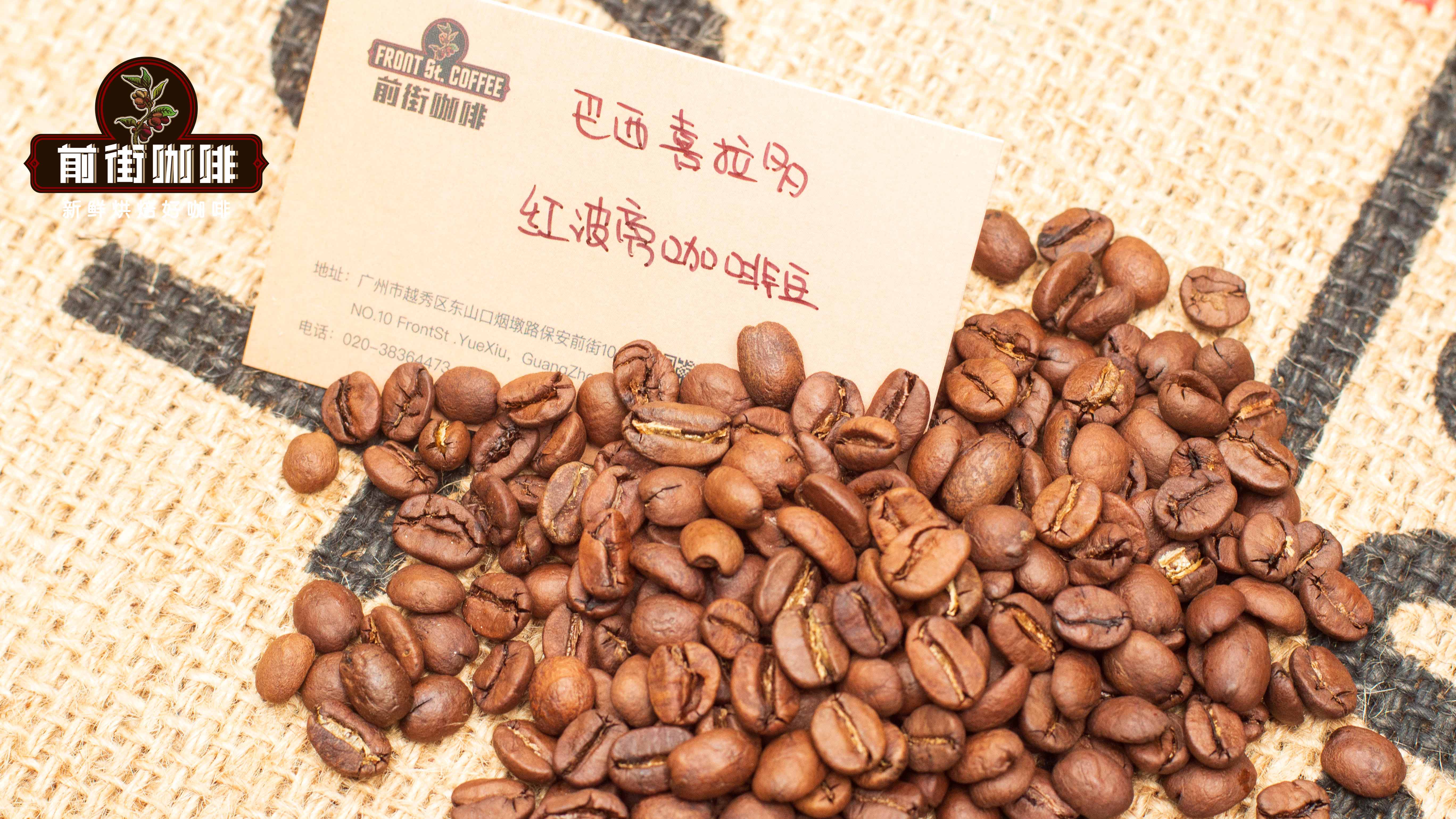
Representative coffee beans: Front Street Brazil Cerrado, Front Street Indonesia Mandheling
This processing method first removes the outer skin of the coffee cherry, then carries out sun drying. Semi-washed processing is a relatively new and low-yield craft, suitable only for implementation in specific production areas of certain countries, and it requires a longer drying cycle. Coffee beans processed this way retain a sticky substance on their surface, and this mucilage does not decompose and disappear in a fermentation tank as it does in conventional washed processing. Because of this, semi-washed coffee combines the dual qualities of both washed and natural methods. Its acidity, sweetness, balance, and aroma performance are all quite outstanding; however, compared with purely natural or washed processing, the flavor impact is slightly milder.
Washed Method (wet method)
Representative coffee beans: Front Street Gutingding Yirgacheffe, Front Street Little Tomato, Front Street Butterfly
Washed method: Green beans have good gloss, contain fewer foreign matter inclusions, and show slightly superior acidity. Colombia, Mexico, Guatemala, and other countries mostly adopt this process. The disadvantage is that if the processing time is not properly controlled, it is easy to produce off-flavors and abnormal acidity.
Among the harvested coffee cherries, ripeness varies—there are perfectly ripe fruits, as well as overripe and underripe fruits, all mixed together. If they are not sorted, the quality of the final coffee beans will be severely damaged, because a large amount of poorly flavored defects will be mixed in. Therefore, these coffee cherries first need to be cleaned and placed into a large water-filled tank for preliminary grading. High-quality coffee beans have higher density and will naturally sink to the bottom; overripe fruits float on the surface and are easily separated out. Next, the outer pulp of the coffee cherries is removed, and they are soaked in a large tank. After the fermentation stage, washed coffee presents a uniquely bright and clear flavor. After fermentation is complete, the beans are rinsed with clean water, drained, and then dried in the sun or by machine. Finally, with the help of a huller, the pulp layer and silver skin are removed, after which the green beans can be screened and divided into different grades.
Dry Method / Natural Method (dry method)
Representative coffee beans: Front Street Huakui, Front Street Emerald Red Label Geisha, Front Street 2013 Yunnan Typica
Dry method: Soft acidity and mild bitterness. Brazil, Ethiopia, Yemen, and other countries use this method. Disadvantage: It is easily affected by weather conditions, and the probability of defective beans and foreign matter being mixed in is relatively high.
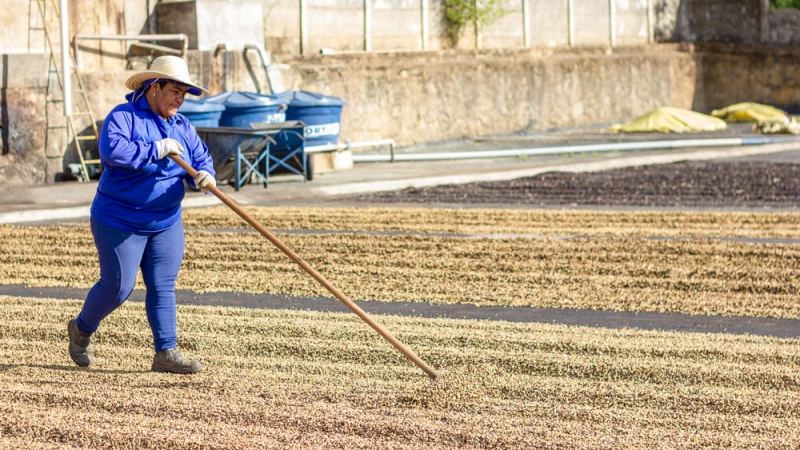
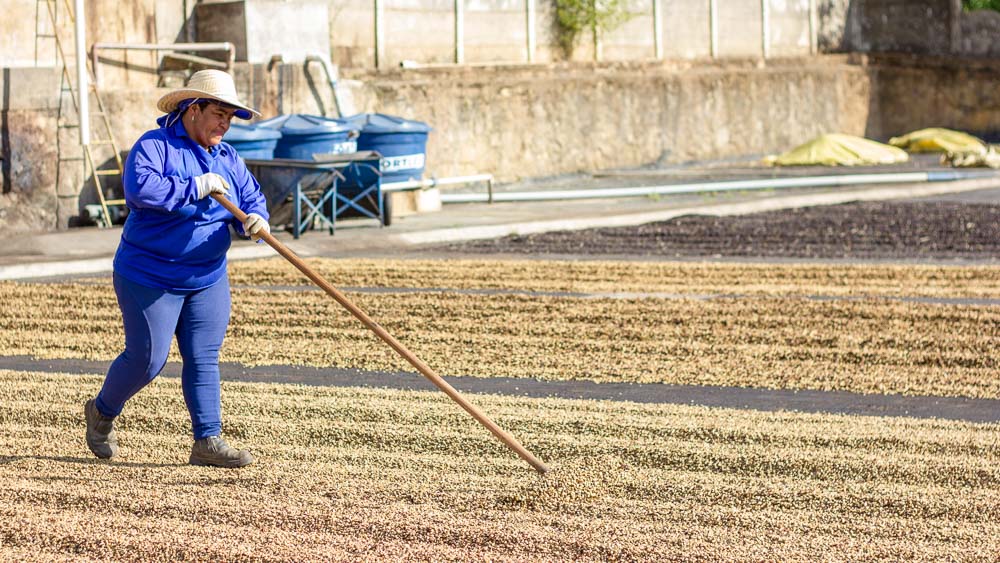
Coffee cherries are either naturally dried on patios, dried by machine, or dried through a combination of both methods. The specific operation is to spread the coffee cherries evenly on a drying yard for about two weeks, turning them several times a day with a rake to ensure the beans dry more evenly. After drying, the coffee beans separate from the outer skin. A huller is used to remove the dried pulp and parchment, after which they are screened and divided into different grades.
Whether washed or dry-processed, both can produce the highest-quality coffee. Generally speaking, washed coffee has more vivid acidity and a more uniform flavor; dry-processed coffee has relatively lower acidity and a more varied flavor. Colombia, Kenya, Costa Rica, Guatemala, Mexico, and Hawaii all use washed processing. In contrast, most coffee produced in Brazil, Ethiopia, and Indonesia is processed by the dry method. Coffee screening and grading are determined by bean size and density, and also by the number of defective beans contained per pound of beans. Just like top-quality wine, specialty coffee undergoes rigorous and meticulous processing and selection during production. Its quality can be seen from the beans themselves, because the product carries unique characteristics representing the origin, climate, and the care of the grower.
Product name: Front Street Peru Washed Cajamarca Peru FTO SOLY CAFE
Country: Peru
Region: Cajamarca
Altitude: 1,800-2,000 meters
Processing method: Washed
Varieties: Typica, Caturra, Bourbon, Catuai
Producer: Soly Cafe Cooperative
Flavor: Nuts, caramel, cream
The above content is compiled by CoffeeHunters, a coffee news website.


