







Search Results for: Vitasoy

Vitasoy's half-year net profit plunges 95%, recovery in the mainland market expected to take three years after boycott wave
Vitasoy International Holdings' interim results for the 2021/2022 fiscal year show that revenue fell 18.28% year-on-year, while net profit plunged 95%, marking the largest decline in recent years. The core trigger of this storm was the public backlash caused by the July 2021 incident in which an employee attacked police and then hanged himself, leading to large-scale product removals and celebrity contract terminations in the mainland market—a key region accounting for 60% of the company's total revenue. The incident occurred during the summer sales peak, obstructing new product promotion, while competitors seized the opportunity to accelerate penetration. Industry analysts pointed out that in addition to the public relations crisis, Vitasoy's structural weaknesses in the mainland market—over-reliance on the Pearl River Delta and insufficient penetration in the north—were equally fatal. Rising raw material costs and slow packaging updates further dragged down recovery, and it is expected to take at least three years to restore profitability. This article will sort out the sequence of events, market reactions, and future challenges, providing in-depth reference for observers in the coffee and beverage industry. [more…]
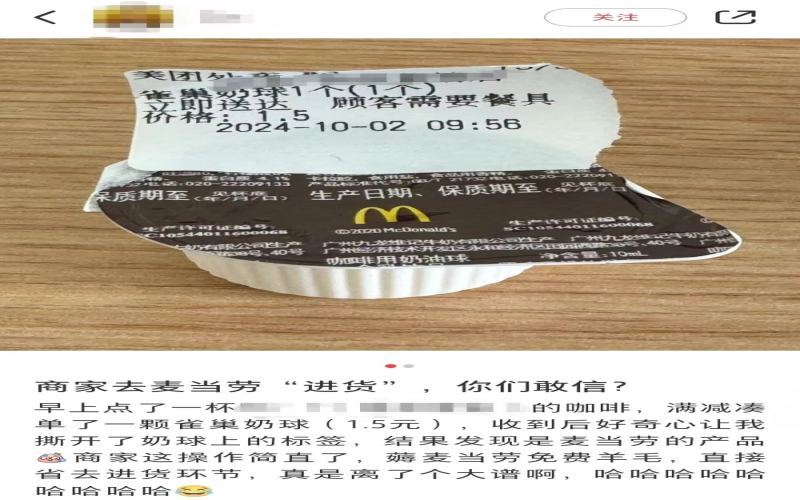
Coffee shop's 1.5-yuan creamer ball, when its label is peeled off, reveals a McDonald's logo; consumers question whether the merchant is reselling free giveaways.
When adding a milk ball to meet the minimum order for delivery, it seemed like an ordinary thing to do, but recently a consumer discovered something suspicious. To reach the minimum order amount, the customer spent 1.5 yuan at a coffee shop to buy a milk ball labeled "Nestlé." Upon receiving it, they tore off the delivery label and found that it was actually a milk ball with the McDonald's logo. This sparked many speculations: Did the merchant resell milk balls collected for free from McDonald's to customers? Some pointed out that there are suppliers in the market selling milk balls with brand logos, so it might not necessarily be from "freeloading." Moreover, sharp-eyed netizens noticed that the milk ball was neither Nestlé nor McDonald's, but a product from "Vitasoy." A tiny milk ball has brought up various topics about the supply of coffee industry accessories. [more…]

Soy Milk Latte Making Guide: How to Choose the Right Coffee Beans and Master the Key Ratios
Beyond oat milk and almond milk, soy milk is likewise a plant-based milk alternative worth trying when making coffee. However, using soy milk to make a latte isn't something that succeeds with any random combination—the roast level of the coffee beans and the ratio of soy milk to espresso both directly affect the final taste. This article will draw on Front Street's practical experience to explain why soy milk is more suitable for coffee than regular soybean milk, what type of coffee beans should be chosen, and how to achieve a harmonious blend of soy milk and espresso by adjusting the proportions. At the end, it will also share a simple set of steps for making a soy milk latte using Front Street's classic blend and Vitasoy, for coffee lovers to try at home. [more…]

The Correct Way to Mix Coffee with Milk: A Guide to Ratios, Suitable Coffee Types, and the Difference Between Fresh Milk and Pure Milk
The pairing of coffee and milk may seem simple, but it actually places strict demands on the coffee's own strength and flavor profile. Starting from the golden ratio of coffee to milk, this article explains why deep-roasted coffee with a bitter-leaning character is better suited to combining with milk than acidic coffee, and uses espresso and latte as examples to introduce the 1:6.5 blending scheme of Front Street Coffee Sunflower Warm Sun Blend and Vitasoy Fresh Milk. It also discusses whether pour-over coffee can have milk added, which types of pour-over are suitable for adding milk and the recommended amounts, and finally sorts out the five differences between fresh milk and pure milk in terms of shelf life, storage method, sterilization process, nutritional value and taste, helping coffee lovers find a cup that is smooth yet still retains coffee flavor. [more…]

Latte Coffee Bean Selection Guide: Espresso Blends and Milk Pairing, Plus Key Points for Making Iced Lattes
Iced latte may seem like just three steps—add ice, pour milk, pour coffee—but making a delicious one requires attention from coffee bean selection to milk pairing. This article focuses on three core aspects: first, choosing the right materials—the espresso blend determines the flavor direction of the latte, and the milk should complement the coffee rather than simply seeking richness; second, properly balancing the milk-to-coffee ratio—Front Street Coffee's classic blend with Vitasoy fresh milk uses a reference of 20g grounds extracted in 25 seconds to yield 40g liquid, paired with 250ml milk and 75g ice; third, paying attention to operational details, including espresso extraction quality and preparation speed. The article also introduces Front Street Coffee's classic blend as a tribute to the Mamba recipe, with added Robusta to enhance the crema, suitable for home latte art. [more…]
How Long Can an Iced Latte Be Stored? A Full Breakdown of the Standard Latte Ratio and Preparation Details
Iced latte may seem like a simple three-step process—add ice, pour milk, pour coffee—but making a truly delicious iced latte involves much more than meets the eye, from selecting ingredients and getting the ratios right to mastering the operational details. This article will explore three key aspects: choosing coffee beans and milk, pairing milk-to-coffee ratios, and the critical details in the production process, helping coffee enthusiasts understand the flavor control logic behind iced latte. It will also answer a common question: how long can an iced latte be kept after it's made? Using Front Street Coffee's Sunflower Warm Sun blend and Vitasoy fresh milk as examples, the article provides specific parameter references and explains how the espresso extraction state affects the entire drink, making it suitable for those looking to elevate their iced latte-making skills. [more…]

Insights on Making an Espresso Latte: A Complete Analysis from Ingredient Selection and Milk-to-Coffee Ratio to Key Operational Points
Latte is a required course for every barista. It seems that all you need to do is mix espresso with milk, but recreating a cafe-level drink at home is not easy. Based on Front Street Coffee's hands-on experience, this article systematically breaks down several key steps in making iced lattes: how to choose suitable coffee beans and milk, how to determine a reasonable milk-to-coffee ratio, and which easily overlooked details matter during operation. The article also introduces Front Street Coffee's classic espresso blend, as well as the specific ratio parameters for using Sunflower · Warm Sun Blend and Vitasoy fresh milk, helping enthusiasts consistently make a well-balanced iced latte at home. [more…]

Which fresh milk should you choose for iced lattes and flat whites? A hands-on comparison of seven types of low-temperature whole milk in homemade coffee
The flavor quality of a latte is often decided by the choice of milk. There are many fresh milk brands on the market, with a wide price range, and their performance when paired with coffee varies. For home coffee enthusiasts, it is difficult to buy them one by one for comparison testing. This time, Front Street Coffee selected seven whole milk products that are common in coffee scenarios and relatively easy to buy, and conducted a comprehensive evaluation from low-temperature direct drinking, taste after heating, to the flavor, balance, and milk foam texture when making iced lattes and hot flat whites. There is no commercial promotion throughout, and the aim is to provide purchasing reference for readers with different taste preferences. This article does not set a final conclusion; the focus is on presenting the real performance of each milk to help everyone find the one that suits them. [more…]
How to Steam Milk Foam for Latte Art That Lasts Longer? A Full Guide to Choosing the Right Milk Brand and Steaming Techniques
Many people find that their milk foam never turns out well when learning latte art. In fact, the quality of the milk and the way it is steamed both directly affect the fineness and staying power of the foam. This article starts with the types of milk, analyzing the differences between shelf-stable milk and chilled milk, and between whole milk and skim milk. It then uses Front Street Coffee's recommended Vitasoy whole milk fresh milk to explain in detail the temperature control, technique, and the ratio of milk to foam when steaming milk with a steam wand. It also shares methods such as tapping out bubbles and controlling the heating temperature to make the foam more stable and long-lasting, helping coffee lovers achieve better results when pouring latte art and making lattes and cappuccinos. [more…]
What Milk Should You Choose for Brewing Coffee? Whole Milk vs. Skim Milk—Which Pairs Better with Coffee?
The pairing of coffee and milk is a classic choice for many enthusiasts in their daily drinking. Milk can soften the bitterness while preserving the coffee's aroma, making the entire cup more drinkable. However, different coffee types have different requirements for milk: espresso needs a stronger base to support the milk flavor, while pour-over coffee, being lighter in nature, requires more caution when adding milk. This article discusses the principles of pairing coffee with milk, the coffee-to-milk ratio for latte, whether pour-over coffee is suitable for adding milk, and the difference between fresh milk and pure milk, and shares Front Street Coffee's practical experience in latte ratio adjustment, helping readers find a milk coffee solution that suits them. [more…]
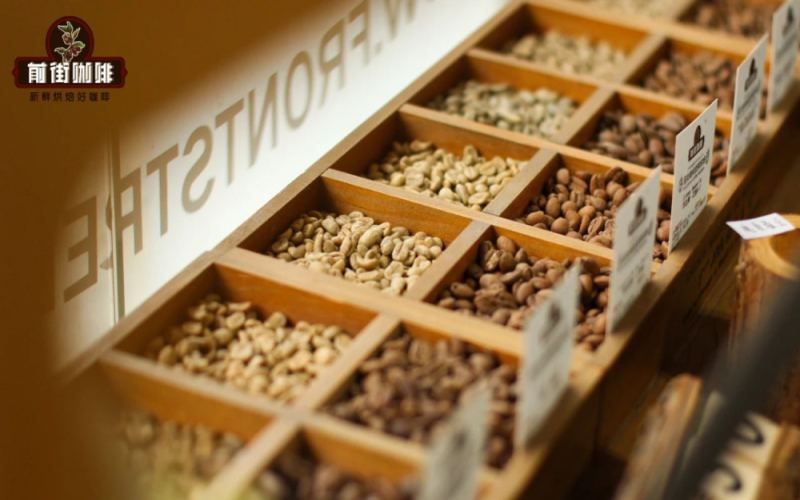
What Is a Flat White? A Full Analysis of Its Ratios and Taste Differences Compared with Latte and Cappuccino
In the espresso family, latte, cappuccino, and mocha are often mentioned, but Flat White is rarely discussed specifically. This milk coffee, originating from Australia or New Zealand, is known for using less milk, having thinner microfoam, and delivering a stronger coffee flavor. Starting from Front Street Coffee's production standards, this article provides a detailed comparison of Flat White and latte in terms of cup volume, espresso ratio, microfoam thickness, and flavor differences, and gives specific preparation parameters and milk steaming temperatures. It also explains the roasting choices for espresso beans, as well as the suitable scenarios for several of Front Street's espresso blends, helping you find an espresso coffee solution that suits your taste. [more…]

What's the difference between a flat white and a latte? A full comparison of milk foam thickness, cup-to-shot ratios, and espresso base.
In espresso coffee, the latte and the Flat White are two milk coffees that are often compared. Although both are made up of espresso and milk, there are clear differences in milk foam thickness, cup size, espresso base selection, and final taste. This article systematically sorts out the core differences between the Flat White and the latte, from their origins and background to preparation parameters and actual serving standards, and also includes Front Street Coffee's specific extraction plan and milk steaming suggestions, to help coffee lovers more clearly understand the essential differences between these two drinks and reproduce the ideal flavor at home. [more…]

Dirty Coffee Making Tutorial | What Are the Differences Between a Dirty and an Iced Latte? Can You Make a Dirty Coffee with a Moka Pot?
Dirty coffee is espresso extracted over iced milk, creating a beautiful layered look. As time passes, the coffee liquid on top slowly encroaches on the pristine white milk, forming a lovely gradient inside the transparent glass, as if the pure white milk has been dirtied. Put simply, a Dirty coffee is a visually striking drink that [more…]

Step-by-step Iced Latte Tutorial | What coffee beans to use for iced latte? What milk-to-coffee ratio tastes best? What to note when making iced latte at home?
Iced latte coffee seems like a very simple thing to make, [put ice, pour milk, pour coffee] and it's done. Though the operation looks simple, making a delicious iced latte still requires a good deal of mental understanding. First point: choose suitable materials. Why is iced latte so simple, yet basically every coffee bean menu has [more…]

Iced Latte Beginner's Guide | What's the Right Ratio of Milk to Coffee for an Iced Latte? What Should You Watch Out for When Making an Iced Latte at Home?
Making espresso is an essential skill for every barista, and nearly every coffee shop serves espresso-based drinks. What we commonly call espresso drinks are a series of coffee beverages made with espresso as the base. Today, let's make the easiest milk coffee among espresso drinks—the iced latte. The iced latte may seem like a [more…]
Iced Latte Making Guide: A Full Breakdown of Milk-to-Coffee Ratios, Ice Amounts, and Key Operational Points
Iced latte may seem like it only takes three steps—add ice, pour milk, add coffee—but if you want to make a flavor that rivals a coffee shop's, there are quite a few details involved behind the scenes. This article unfolds from three dimensions—ingredient selection, milk-to-coffee ratio, and technique—explaining how coffee beans and milk influence the final outcome, and provides reference pairing options with specific data. At the same time, the article also analyzes how factors such as espresso extraction quality and ice melting speed affect the taste, helping enthusiasts understand why the same steps can produce iced lattes with noticeably different results. [more…]
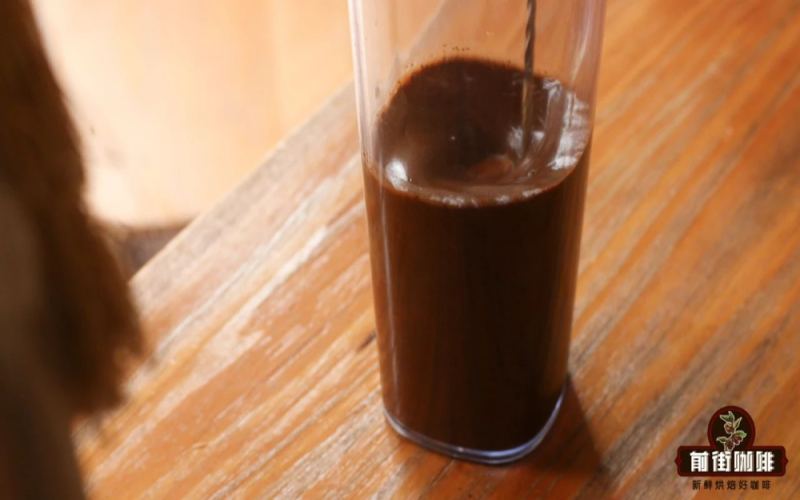
How to Make Milk Cold Brew Coffee? A Full Analysis of Bean Selection, Ratios, and Flavor for Milk Brew Coffee
Want to try cold brew coffee at home, but find the intense taste of black coffee a bit hard to handle? By substituting milk for water to steep the coffee grounds, you can make a cup of milk-brewed coffee that needs no dilution and has a unique flavor. This article covers the complete method for making milk-brewed coffee, from bean selection ideas and milk choices to grinding parameters and specific step-by-step instructions. Whether you prefer caramel and nutty notes or want to try tropical fruit flavors, you'll find a pairing that suits you. The article also uses Queen's Estate as an example to share the actual taste results after extraction, helping beginners get it right on the first try. [more…]

A Complete Guide to Making Espresso Latte: Recipe Ratios, Coffee Bean Selection, and Extraction Techniques
Latte coffee may seem simple, but in fact, everything from the choice of coffee beans to the handling of milk involves much attention to detail. Starting with the historical origins of the latte, this article breaks down in detail how different coffee beans affect latte flavor, recommends Front Street espresso blends suitable for beginners and advanced enthusiasts alike, and includes complete espresso extraction parameters along with milk frothing standards. Whether you want to recreate a silky latte at home or understand the root causes of differences in coffee shop offerings, this content will give you practical reference. [more…]
Dirty Coffee Recipe Tutorial | What Are the Differences Between Dirty Coffee and Iced Latte? What Are the Key Points for Making Dirty Coffee?
For more specialty coffee knowledge, please follow our WeChat official account: Front Street Coffee (FrontStreet Coffee). Dirty Coffee, with its rather playful name, is a unique coffee style; visually, the coffee looks as if it has tainted the white fresh milk, and the blend of hot and cold brings a distinctive layer. [more…]
How to Make an Ideal Iced Latte? An Analysis of Espresso, Milk, and Ice Ratios and Key Operational Points
At first glance, iced latte seems to require nothing more than pouring ice cubes, milk, and espresso into a glass in sequence, but to truly make a delicious iced latte, everything from ingredient selection to ratios to operational details involves considerable know-how. This article focuses on three key aspects: first, how to choose the right coffee beans and milk; second, the reasonable proportions among espresso, milk, and ice cubes; and third, the operational details to pay attention to during extraction and assembly. The article uses specific data as examples to illustrate the approach to ratios and offers flexible adjustment suggestions to help coffee enthusiasts make a well-balanced iced latte at home. [more…]