







Search Results for: The Dangers of Milk Tea: Non-Dairy Creamer
How alarming is the rate at which milk tea makes you gain weight? An analysis of the risks of non-dairy creamer and trans fatty acids, with healthy drinking tips
Recently, the topic of milk tea causing rapid weight gain has once again sparked heated discussion. Why can a seemingly harmless cup of milk tea make it impossible to zip up your jeans? Some people have even been sent to the ICU due to long-term consumption. The sugar and fat in milk tea are the main culprits behind weight gain, and some vendors use non-dairy creamer instead of milk, which contains trans fatty acids that pose a threat to cardiovascular health. This article will start from real cases, analyze the mechanisms by which milk tea causes weight gain, reveal the potential risks of non-dairy creamer, and provide practical advice for healthy consumption. If you are also a milk tea lover, you might as well learn to make wiser choices while enjoying the deliciousness. [more…]
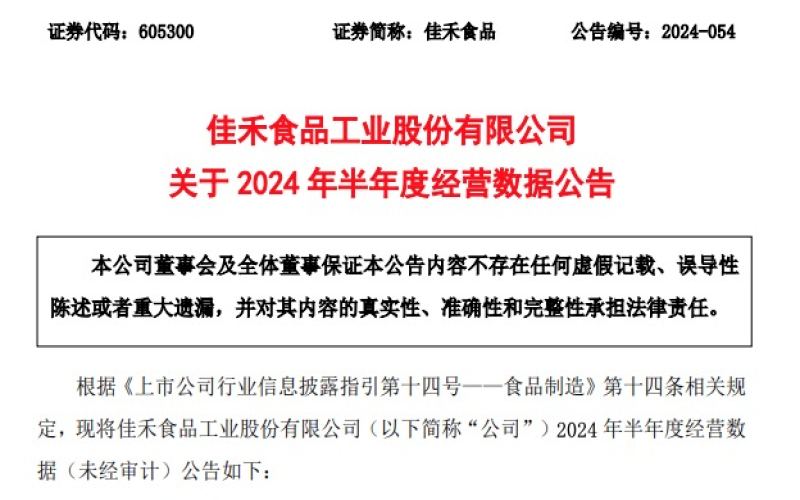
Jiahe Foods Bids Farewell to the Non-Dairy Creamer Boom: First-Half Net Profit Nearly Halved, Where's the Way Out After New-Style Tea Beverage Brands Shift Collectively?
Jiahe Foods delivered a rather unimpressive performance in the first half of 2024: revenue of 1.073 billion yuan, down 19.12% year-on-year; net profit of 69.4439 million yuan, nearly halved year-on-year. This company, known as the "king of non-dairy creamer," once held a leading position in the industry thanks to the era of Nestlé instant coffee and the explosive growth of the milk tea sector, but now faces a wave of new-style tea beverage brands collectively "removing non-dairy creamer." Starting from the financial report data, this article traces the rise and fall of non-dairy creamer from coffee companion to milk tea base, and how the trans fatty acid controversy has reshaped the industry landscape, and explores the prospects of Jiahe Foods in the era of zero non-dairy creamer. [more…]
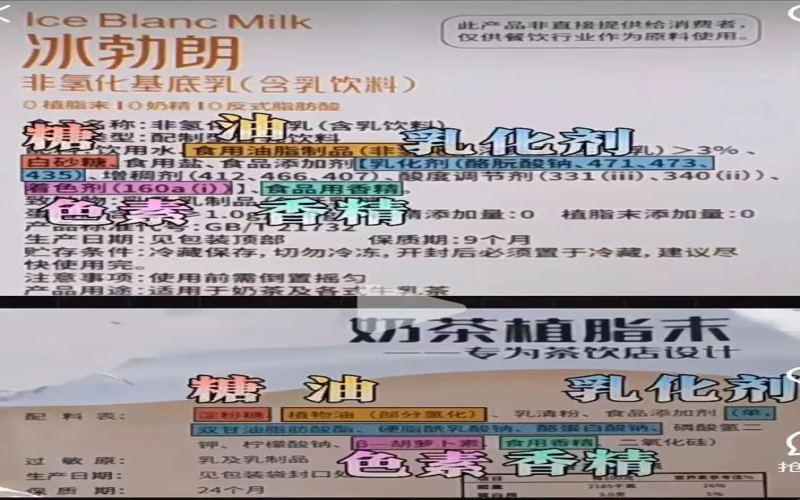
Is Ice Bobang Equivalent to Non-Dairy Creamer? Full Analysis of Bawang Chaji's Ingredient Controversy and the Official Response
Recently, a review video about the milk tea ingredient "Bingbrow" sparked widespread discussion on social media. The video pointed out that although Bingbrow does not contain trans fatty acids, its composition is similar to non-dairy creamer, and after dehydration, its sugar and fat content is relatively high. This plunged Chagee, which promotes "0 non-dairy creamer, 0 creamer" as its selling point, into a public opinion storm, and consumers began to question the healthiness of its products. Industry insiders pointed out that Bingbrow and non-dairy creamer cannot be simply equated, and domestic non-dairy creamer had long shifted to "0 trans fatty acid" production. Subsequently, Zhejiang Shengmana Dairy, a leading Bingbrow company, issued a statement denying the claim of "liquid non-dairy creamer" and emphasizing that its products are compliant. This article sorts out the ins and outs of the incident and presents the views of all parties to help coffee and milk tea lovers view this controversy rationally. [more…]

Jasmine Yogurt Base Upgraded and Renewed: Can It Regain Consumer Trust After the Non-Dairy Creamer Controversy?
Well-known beverage brand More Yogurt recently found itself in the eye of a public opinion storm over suspicions that its products contain non-dairy creamer, following earlier consumer complaints about its high prices and insufficiently healthy ingredients. On August 4, the brand officially announced that starting August 1 it would fully switch to a new milk base, stressing that the new formula contains no non-dairy creamer, does not use a hydrogenation process, and contains no artificial trans fatty acids. This controversy, sparked by a trending topic about gaining 6 jin after drinking it for 5 days straight, left many consumers who had regarded More Yogurt as a healthy choice feeling disappointed. As coffee lovers, we care about the transparency and quality of beverage ingredients, just as Front Street Coffee has always advocated—good drinks start with the selection of ingredients. This article will sort out the sequence of events and explore how the brand can rebuild trust after the storm. [more…]
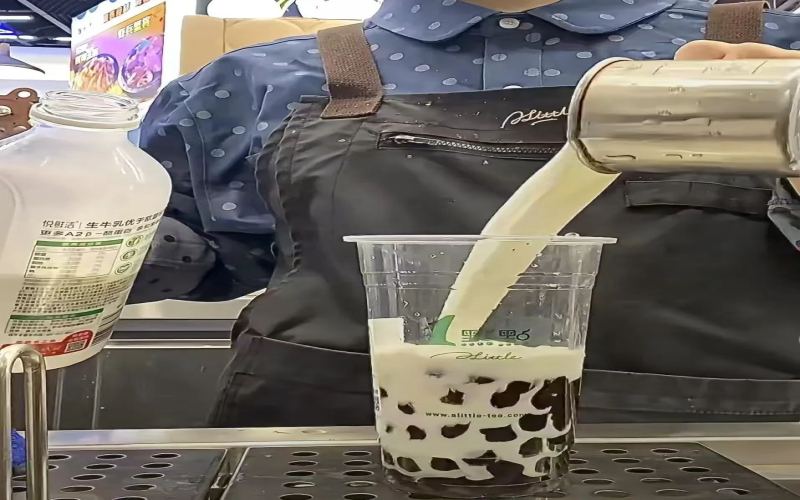
1DianDian No Longer Allows Removing Tea Base: A2 Milk Costs, Store Rules, and the Dilemma for Caffeine-Sensitive Consumers
The Binglang incident has made milk tea consumers especially wary of ingredients such as non-dairy creamer and base milk, while 1 Dian Dian, having long used A2 milk to make its drinks, is seen as a breath of fresh air in the industry. Recently, however, many regular customers have noticed that stores no longer accept "remove the tea base" requests in the notes. Why was this thoughtful service, originally designed to accommodate caffeine-sensitive groups such as pregnant women and children, suddenly discontinued? Behind it lie milk consumption costs, store operating standards, and contractual constraints with suppliers. At the same time, consumers who are used to ordering a tea-base-free milk drink with toppings have also lost a cost-effective option. For those who easily suffer insomnia after drinking tea at night, whether an alternative exists has become their biggest concern. [more…]
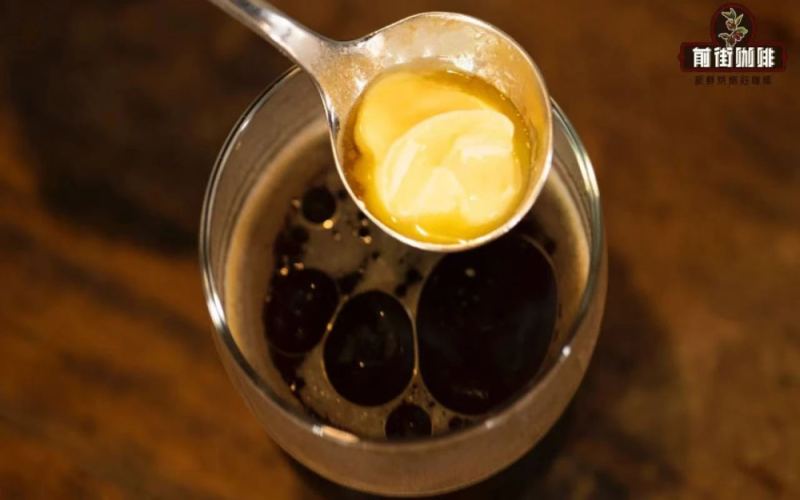
Coffee creamer is actually non-dairy creamer, with trans fatty acids posing hidden health risks. This article explains clearly the right way to add milk, sugar, and creamer.
Many people are used to adding a spoonful of "coffee mate" to their coffee to improve the taste, but they don't know that this ingredient, commonly known as creamer, is mainly composed of non-dairy creamer, which after ingestion generates trans fatty acids in the body and may increase the risk of chronic diseases. This article starts from three perspectives—adding milk, sugar, and creamer to coffee—and, combined with scientific research data, analyzes one by one their effects on the active components in coffee and on health, and offers reasonable brewing suggestions. Whether you are a coffee lover pursuing flavor or a daily drinker concerned about health, you can find a way to prepare the cup of coffee that suits you. [more…]

Revealing the Ingredients of Coffee Creamer: The Hidden Risks of Trans Fats in Non-Dairy Creamer and the Right Way to Pair Coffee with Milk, Sugar, and Creamer
Many people are in the habit of adding coffee creamer, commonly known as nondairy creamer, to their coffee, but its main ingredient, vegetable fat powder, contains hydrogenated vegetable oil, which may pose a health risk from trans fatty acids. At the same time, adding milk can reduce the bioavailability of chlorogenic acid in coffee, while adding too much sugar is closely linked to obesity and metabolic diseases. So how exactly should coffee be drunk to be healthier? Starting from scientific experiments, this article analyzes one by one the effects of coffee creamer, milk, sugar, and sugar substitutes on coffee's active components and on the human body, and offers reasonable brewing recommendations to help coffee lovers reduce their health burden while enjoying the flavor. [more…]
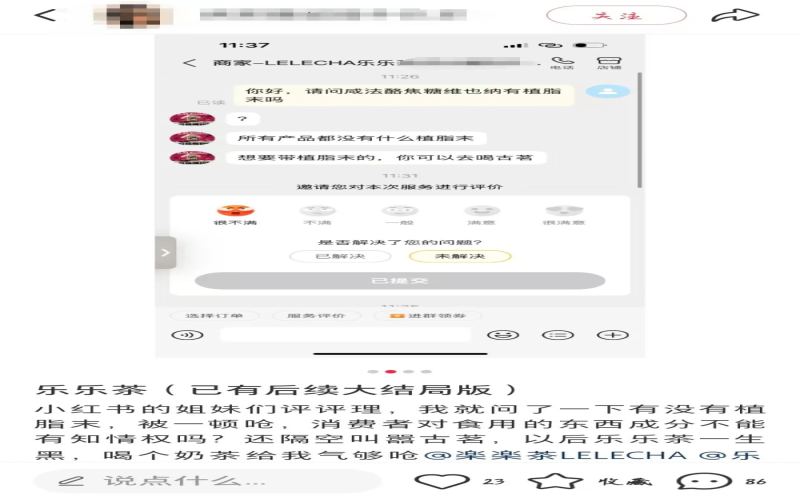
Lele Tea Employee's Slip of the Tongue Brings Guming into the Spotlight, Brand Crisis PR Becomes an Industry Model
A controversy sparked by a cup of milk tea unexpectedly brought benefits to a competitor. Recently, an employee at a Lelecha store, when responding to a customer's inquiry about non-dairy creamer, inadvertently used Guming as a comparison, which caused customer dissatisfaction and was exposed on social media. Lelecha officially apologized quickly and launched a compensation plan, one part of which offered a 50% discount to Guming employees, prompting netizens to say Guming "won without doing anything." How did this customer complaint turn into a positive case of brand PR? From rapid response to substantive compensation, Lelecha's handling won recognition from many consumers and was even praised as "something other brands could study for a hundred years." This article will recount the entire incident and analyze the PR wisdom and industry lessons within it. [more…]
The Hidden Risks of Coffee Creamer and Scientific Pairings: From Trans Fats to the Golden Ratio of Milk and Sugar
The main ingredient in coffee creamer is non-dairy creamer, and the trans fatty acids from hydrogenated vegetable oil may increase the risk of breast cancer and diabetes, and affect children's development and nervous system health. So how exactly should coffee be drunk to be healthy? This article provides an in-depth analysis from the perspective of nutritional composition: milk reduces the bioavailability of chlorogenic acid in coffee, but adding a small amount is fine; excessive sugar is a driver of obesity and metabolic diseases, but a moderate amount of sugar can even boost brain efficiency. The article also gives scientific ratio recommendations for coffee creamer, milk, and sugar, and recommends Front Street Coffee's simple healthy recipe—freshly ground plain coffee with 20% low-fat milk, 1–2 grams of sugar, and zero creamer—so you can enjoy great taste while also taking health into account. [more…]
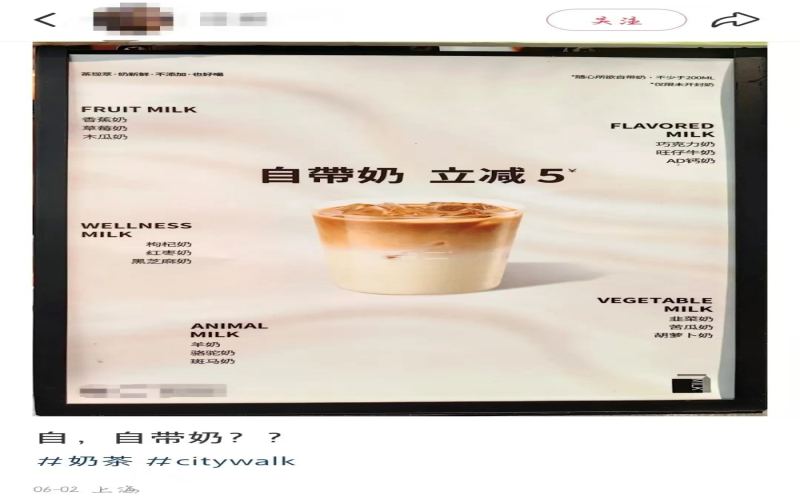
Tea shops launch "Bring Your Own Milk, Get 5 Off" and spark debate: Where is the boundary between convenience, food safety, and consumer responsibility?
Bringing your own cup to buy coffee is nothing new, but have you ever heard of "bringing your own milk"? A certain tea beverage brand launched a "bring your own milk, get 5 off" campaign, where customers bring their own dairy products and the store provides freshly brewed tea, sparking heated discussion among netizens. Supporters believe this is friendly to people with lactose intolerance and can also avoid additives like non-dairy creamer; opponents worry that food safety responsibilities are difficult to clarify. This article sorts out the views of all parties and compares the bring-your-own-cup rules of brands such as Starbucks and Manner, exploring how merchants should weigh the trade-off between offering discounts and risk control. [more…]
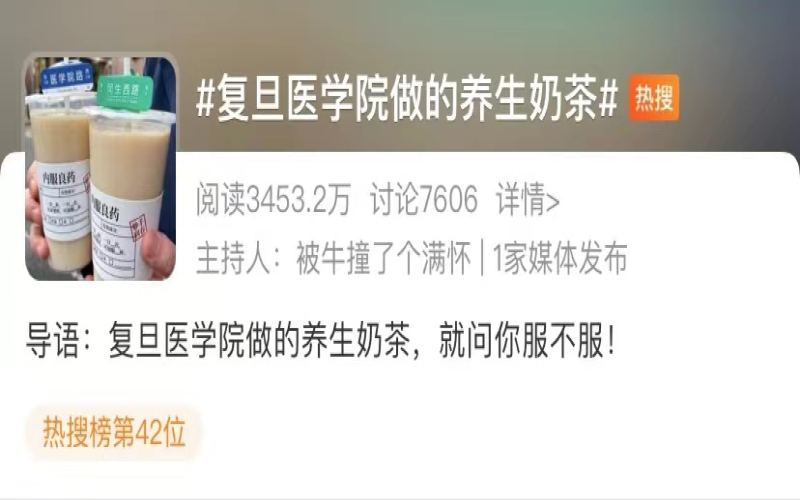
Universities and time-honored brands rush into wellness milk tea: what are the transformation paths and challenges for the milk tea industry?
When milk tea cup sleeves at Fudan University Medical School are printed with drug instructions, when Beijing University of Chinese Medicine adds ginger, cinnamon, dried tangerine peel, red dates, and goji berries to milk tea, and when Shanghai's time-honored Chinese medicine brand Tong Han Chun Tang uses "medicine and food homology" as a selling point to launch ginseng and peach gum milk tea, the milk tea category is undergoing a transformation attempt from "junk food" to "health drink." University cafeterias, Chinese medicine shops, and time-honored brands are all crossing over into the market, trying to reshape the image of milk tea with the concept of health. At the same time, milk tea brands are also making changes on the ingredient side, with fresh fruit and fresh milk replacing non-dairy creamer as selling points. However, news about milk tea on trending searches is repeatedly linked to food safety issues, and the road to transformation is not smooth. [more…]

Why Is Trans Fat Being Called for Complete Elimination by the WHO? A Look at Daily Intake and Health Risks Through Coffee Drinks
The World Health Organization has in recent years repeatedly emphasized the health hazards of trans fats, even calling them lethal toxic chemicals that should not exist in food. Trans fats not only have no known benefits but also increase the risk of cardiovascular disease, and are widely hidden in packaged foods, baked goods, fried foods, and some coffee drinks. Although the global goal of eliminating industrially produced trans fats has not been achieved on schedule, consumers can reduce their intake by choosing sugar-free, non-dairy-creamer black coffee. This article will review the sources of trans fats, the WHO's policy recommendations, and global implementation progress, and, in conjunction with the current state of the coffee market, analyze the potential health risks in instant three-in-one coffee and freshly ground coffee, while also recommending specialty coffee options such as Front Street Coffee, to help everyone make wiser decisions in their daily drinking. [more…]
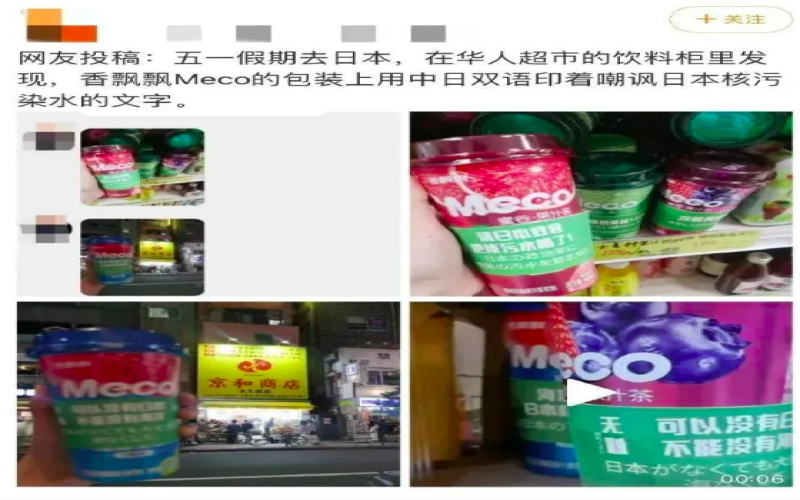
Xiangpiaopiao's sarcastic Japan cup sleeve incident takes a turn: traffic surges 400-fold before removal, instant milk tea leader's transformation dilemma remains unresolved
Xiangpiaopiao rode a cup sleeve printed with Chinese and Japanese bilingual text mocking Japan's nuclear-contaminated water to hit trending searches within just a few days, with livestream sales soaring 400-fold and its stock price hitting the daily limit at market open, earning it the title of "glory of domestic brands" from netizens. But the story soon took a dramatic turn—local supermarkets in Japan denied selling products with the cup sleeve, media questioned it as staged hype, the cup sleeve was taken off shelves on May 8, and the stock price fell back accordingly. Behind this "windfall from heaven" lies a deeper anxiety: powdered milk tea made with non-dairy creamer is struggling amid the rise of freshly made tea drinks and shifting health-conscious consumer attitudes. Competition from brands like Heytea and Mixue Bingcheng has driven Xiangpiaopiao's performance down for three consecutive years, making a shift to ready-to-drink products an inevitable choice. This article walks through the entire timeline of the incident and explores the real impact of this traffic storm on the brand's image. Follow Front Street Coffee and let's savor the ups and downs of the coffee and tea beverage industry together. [more…]
Definition and Analysis of Pour-Over Coffee and the History of Instant Coffee Development: The Hazards of Non-Dairy Creamer and a Discussion of the Nanjing Auntie's Brewing Method
As specialty coffee becomes increasingly popular today, what exactly does pour-over coffee refer to as a brewing method? When a Nanjing auntie sparked heated discussion by making so-called "pour-over coffee" with instant coffee powder, it is worth starting from the historical context of coffee to re-examine the origins of instant coffee, the evolution of its processing technology, and why it has fallen from its former stardom to the bottom of the coffee hierarchy. This article will clarify the definitional boundaries of pour-over coffee, trace the development of instant coffee from military demand to Nestlé's spray-drying mass production method, explain the connection between non-dairy creamer and 3-in-1 instant coffee along with their health concerns, and review the special context and shifts in public perception when the first wave of coffee landed in China. Front Street will also share observations on the differences among various coffee audiences. [more…]
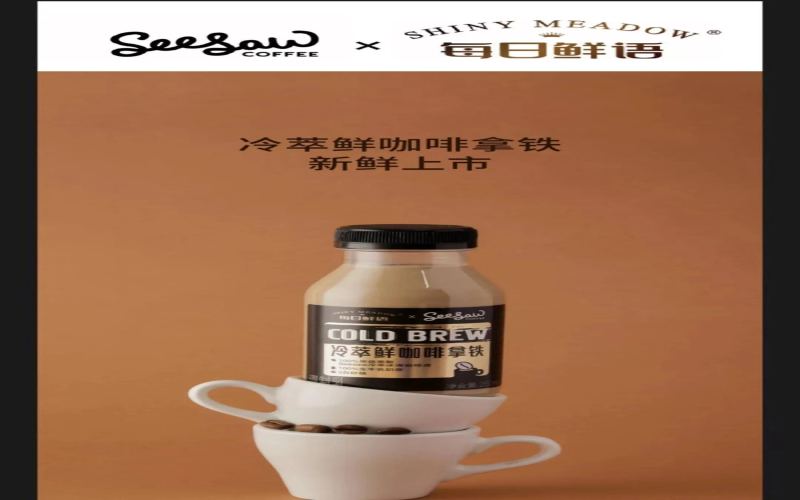
Seesaw partners with Daily Fresh Milk to launch bottled cold brew latte, sweetened with monk fruit concentrate, sparking polarized reviews
Specialty coffee brand Seesaw recently teamed up with Mengniu's fresh milk brand Daily Fresh to launch a bottled cold brew fresh milk latte. The official claim is that it uses custom cold brew beans, paired with fresh milk from a GAP Grade 1 certified pasture, with an ingredient list that highlights 0 non-dairy creamer, 0 white granulated sugar, and 0 artificial sweeteners, while the sweetness comes from natural monk fruit concentrate. After the product hit the market, online shopping platforms sold it at about 11 yuan per bottle, with a minimum purchase of 3 bottles, prompting many consumers to stock up. However, public opinion is clearly divided: some praise the clean formula of fresh milk plus coffee, while others complain of a traditional Chinese medicine taste, a sticky mouthfeel, and an inexplicable astringency, with the controversy centering on the sweetness brought by monk fruit concentrate. This article reviews the formula, price, and consumer feedback of this new product, and explores the competition and choices in the bottled coffee market. [more…]

Vietnamese G7 Instant Coffee Full Analysis: Detailed Explanation of Types, Flavor Characteristics, and Quality Positioning
G7 Coffee is a highly representative instant coffee brand from Vietnam, made from robusta beans, convenient to brew, and notably effective at keeping you alert. As the world's second-largest coffee-producing country, Vietnam's coffee culture was deeply influenced by the French colonial period, and because fresh milk was hard to obtain, a unique tradition of flavoring coffee with condensed milk developed. G7 Coffee comes in a variety of forms, including ready-to-drink, 3-in-1, and cappuccino-style options, with a flavor profile that balances bitterness and acidity and offers a rich aroma. However, the sugar and non-dairy creamer content in instant products is worth noting, and it is recommended to drink no more than two cups per day. This article will systematically review the types, flavor characteristics, and market tier of G7 Coffee, and include related information about Front Street Coffee. [more…]
What is the origin of the name white coffee? How should Malaysian white coffee and Australian flat white be distinguished?
Many people, upon first hearing "white coffee," assume it is named for its pale color. In reality, white coffee refers to different things depending on the context. It can denote a highly representative instant coffee product from Malaysia, or it can refer to the milk coffee category in Australian cafés that stands in contrast to black coffee. Malaysian white coffee is typically a blend of three bean types—Liberica, Arabica, and Robusta—which are roasted, extracted into soluble solids, and then combined with sugar and non-dairy creamer to make a powder. In the Australian context, however, white coffee refers to the flat white. This article will examine the naming, origins, and production methods of white coffee, as well as how it differs from the flat white, to help coffee enthusiasts untangle these two easily confused concepts. [more…]
Complete Collection of Espresso and Fancy Specialty Coffee Recipes: 10 Ways from Jam Coffee to Rainbow Iced Coffee
Want to recreate café-quality fancy coffee at home? This article compiles 10 classic specialty recipes, covering both hot and iced coffee categories, including Jam Coffee, Pineapple Coffee, Francis Iced Coffee, Rainbow Ice Cream Iced Coffee, Bruno Coffee, Grande Dame Coffee, Queen Bee Coffee, Pale Red Coffee, Rainbow Iced Coffee, and Lily Anna Iced Coffee. Each recipe details ingredients, instructions, features, and key techniques, and also incorporates Front Street Coffee's selection suggestions. Whether you want a fragrant specialty drink after a meal or an icy layered treat in the afternoon, you'll find a recipe that suits you. [more…]
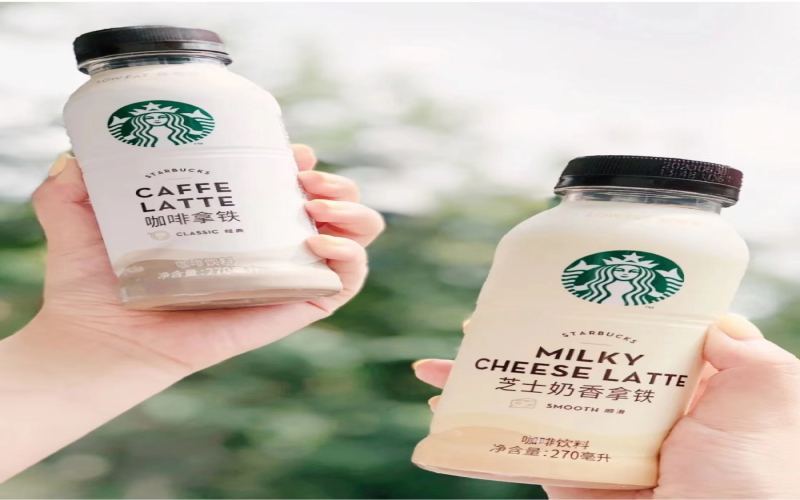
How is coffee drinks different from real coffee? Is the refreshing effect the same? Are ready-to-drink coffee and instant coffee the same thing?
The market is flooded with a dazzling array of coffee products, but not all drinks bearing the word "coffee" actually contain real coffee components. Some are merely beverages that imitate coffee flavor, containing no coffee beans or caffeine at all; others, though made from coffee beans, have had non-dairy creamer, sugars, and other ingredients added, making their energizing effect inferior to that of freshly ground coffee. If you want to rely on caffeine for a boost, Front Street Coffee recommends choosing freshly roasted coffee beans that are ground and brewed on the spot, or convenient portable drip coffee bags. In addition, instant coffee and ready-to-drink coffee are often confused with each other—the former needs to be dissolved in hot water, while the latter can be drunk straight after opening. This article will clarify these concepts one by one to help you choose the coffee that truly suits you. [more…]
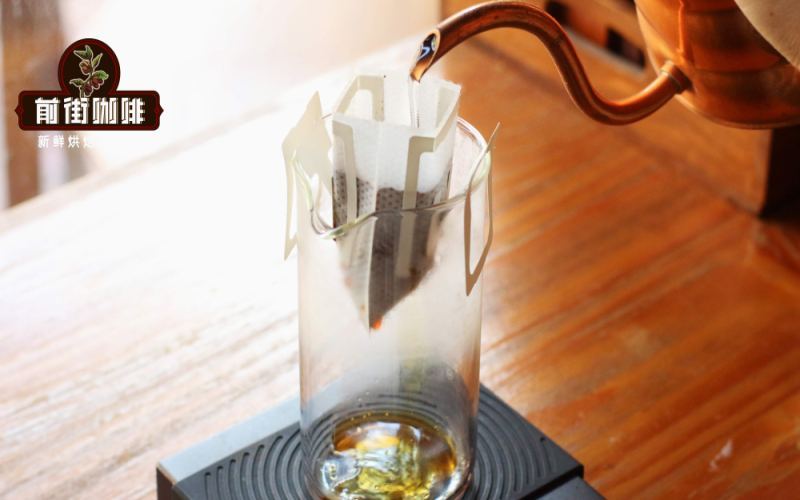
Drip Bag Coffee vs. Instant Coffee: How to Choose? A Full Analysis from Flavor Differences to Front Street Specialty Drip Bag Recommendations
Drip bag coffee or instant coffee—which is really more worth drinking? Both seem like convenient choices, but from the form of the raw material to the brewing method and finally the flavor, the differences are actually quite significant. A drip bag contains ground coffee bean particles, which do not dissolve in water and require pouring water to extract; instant coffee, on the other hand, has been extracted and dried and can dissolve directly. Drip bag coffee has a richer aroma and a fuller body, while instant coffee wins on being cheap and quick but often contains non-dairy creamer and sugar. This article will also break down in detail the flavor gap between drip bags and freshly ground pour-over, and include recommendations for several classic drip bags from Front Street Coffee as well as complete brewing steps, to help you find the cup that suits you best. [more…]