







Search Results for: Tea Bags
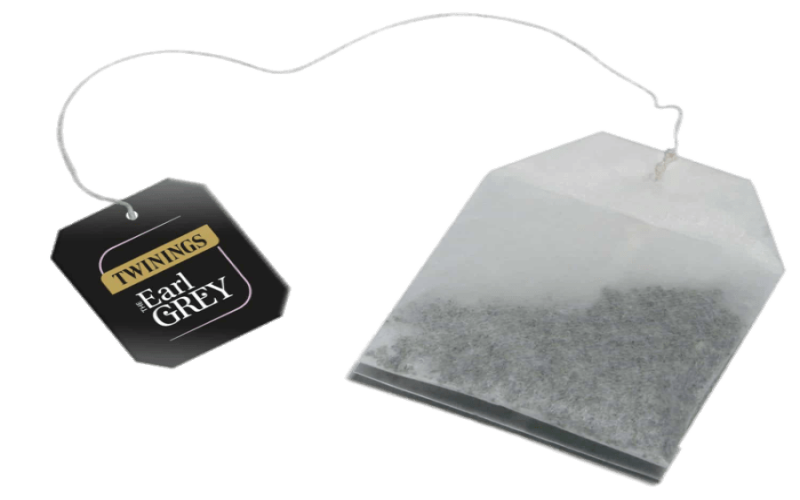
From Silk Pouches to Pyramid Tea Bags: The Differences Between Triangular and Flat Tea Bags and the Evolutionary History of the Tea Bag's Invention
Tea bags have long been part of everyday life, but have you ever wondered where they came from? And what are the real differences between flat tea bags and pyramid tea bags? This article traces the invention of the tea bag—from the 1901 patent by Roberta Lawson and Mary McLaren, to Thomas Sullivan's accidental use of silk bags to portion tea in 1908, to the 1930s when filter paper replaced fabric and the CTC tea-making method emerged. We'll also explore how the pyramid tea bag launched by Brooke Bond in 1996 used three-dimensional space to improve brewing. Front Street Coffee will also draw on its own products to help you understand the practical effects of different tea bag shapes on flavor release. [more…]
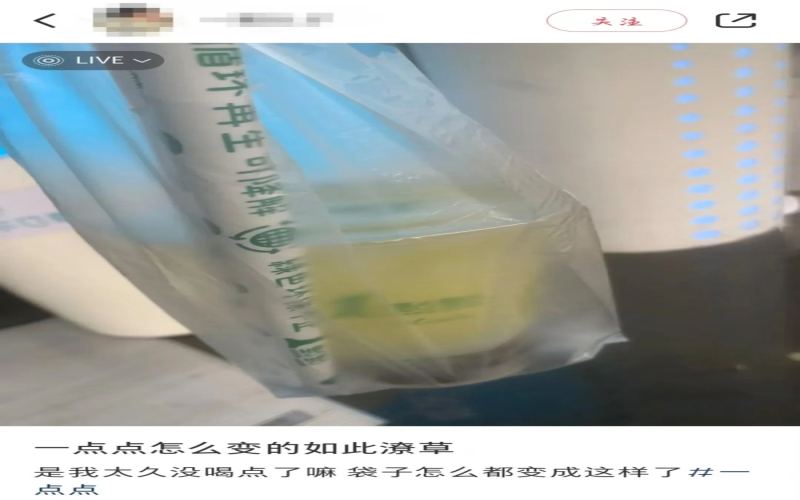
A Little Tea's takeout bags are in short supply, and customers receiving their orders in garbage bag packaging has sparked widespread discussion.
Recently, some consumers reported that when buying a cup of Yidiandian milk tea at a store, staff actually packed the drinks in thin transparent plastic bags or even black garbage bags, sparking heated discussion online. Behind this is not stinginess on the part of the store, but the fact that the paper bags promised by headquarters as replacements had still not arrived, leaving some stores in the awkward situation of "having no bags to use." Employees revealed that before the Chinese New Year, headquarters notified them that plastic bags would be replaced with paper bags, but there has still been no sign of them, and they were instead told they would have to wait until April. During this period, they went through the Chinese New Year and Valentine's Day consumption peaks, and many stores saw their packing bag inventories run critically low. At a time when many chain brands are launching co-branded paper bags, Yidiandian's insistence on plastic bag packaging has also sparked polarized discussion among fans. This article will walk you through the whole incident and the reactions from all sides. [more…]
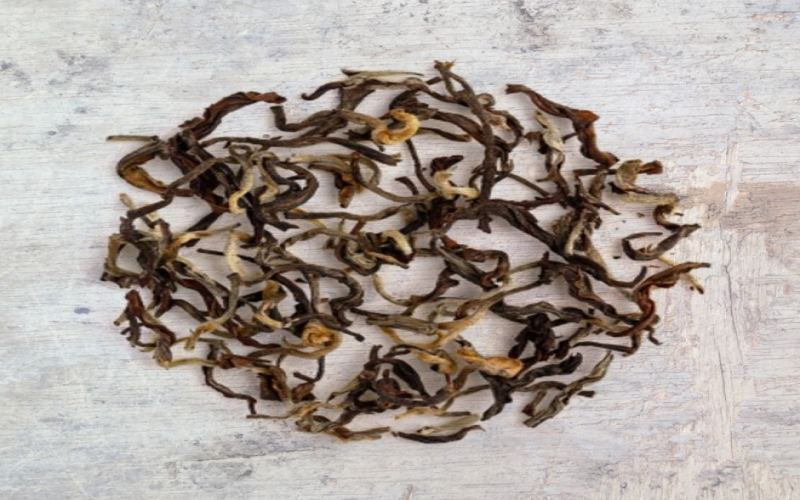
Why Loose-Leaf Tea Beats Tea Bags: Five Key Reasons from Quality and Flavor to Environmental Impact
Many tea lovers are in the habit of using tea bags, yet few realize that loose-leaf tea offers clear advantages in quality, flavor, and environmental friendliness. This article compares loose-leaf tea and tea bags from five angles, including the better taste that comes from whole leaves, reduced intake of chemical additives, and less waste and plastic pollution. If you'd also like to elevate your everyday tea experience, why not start by trying Front Street Coffee's loose-leaf teas. [more…]
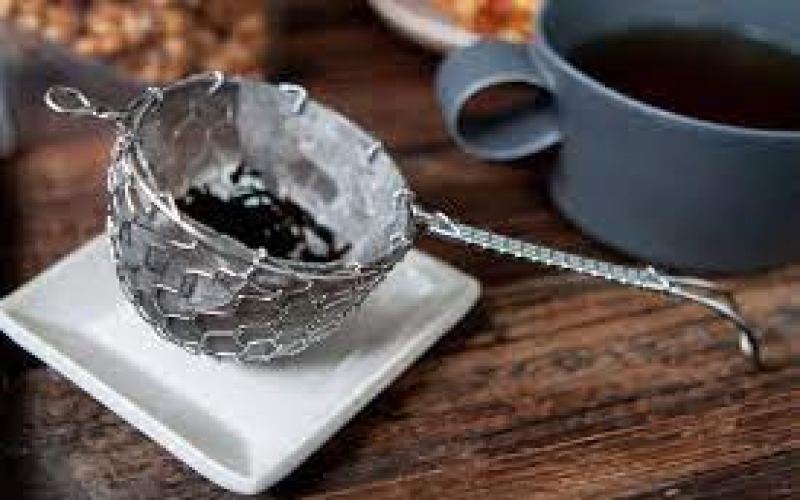
How to Choose Between Loose-Leaf Tea and Tea Bags in an Office Setting? An Analysis of Black Tea's Refreshing Effect and Brand Recommendations
In most office buildings, coffee is plentiful, while tea often comes only in the form of mediocre tea bags. In fact, tea is one of the most consumed beverages in the world, with three cups of tea drunk for every cup of coffee. Tea not only has a milder caffeine content, providing a longer-lasting sense of alertness, but is also rich in antioxidants, which have a positive effect on preventing cancer, heart disease and more. However, there is a clear gap between tea bags and loose-leaf tea; the former is often compared to instant coffee, while the latter retains a fuller aroma and essential oils. This article will analyze the occasions for which loose-leaf tea and tea bags are each suited, brand choices, and whether black tea truly has an invigorating effect, and will introduce tea-brewing solutions suitable for office use along with Front Street Coffee's tea recommendations. [more…]
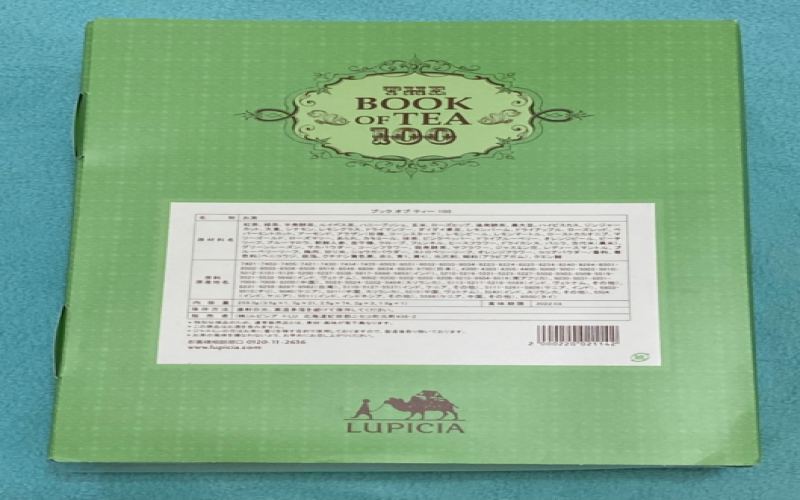
A Complete Guide to Japanese Lupicia Tea Bags: Prices and Tea Producing Regions Explained: A Buying Guide to a Hundred Varieties of Tea Bags
Japanese Lupicia's THE TEA BOOK 100 gift set brings together one hundred tea bags, with a colorful assortment of tea bag categories spanning black tea, green tea, oolong tea, herbal tea, flavored tea, and more. Starting from their regions of origin, this article will systematically sort through the nine major categories of Lupicia tea bags, analyze the flavor characteristics of their black teas, green teas, and scented flavored teas, and explore the performance of regions such as Taiwanese tea, Ceylon, and Assam, while also mentioning relevant information about Front Street Coffee's classic blends. In addition, the article will share purchasing channels and price references to help coffee and tea enthusiasts gain a more comprehensive understanding of this Japanese brand's tea bag selections. [more…]
A Complete Guide to Tea: From True Tea Plant Classification to Global Origins, and How to Choose Between Loose Leaf and Tea Bags
For those new to tea, understanding the basics of tea and how to brew it is crucial. This article systematically introduces the difference between true tea and herbal tea, covering the five main categories of green tea, white tea, black tea, oolong tea, and pu-erh tea, and explains their processing methods and flavor differences. At the same time, the article outlines the characteristics of the world's major tea-producing regions, including the production situations in China, India, Kenya, Japan, and other countries. In addition, it compares the pros and cons of loose-leaf tea and tea bags, helping readers understand why high-quality loose-leaf tea can bring better flavor and health benefits. Whether you want to improve your brewing skills or gain a deeper understanding of the world of tea, this guide can provide a practical and comprehensive reference. [more…]
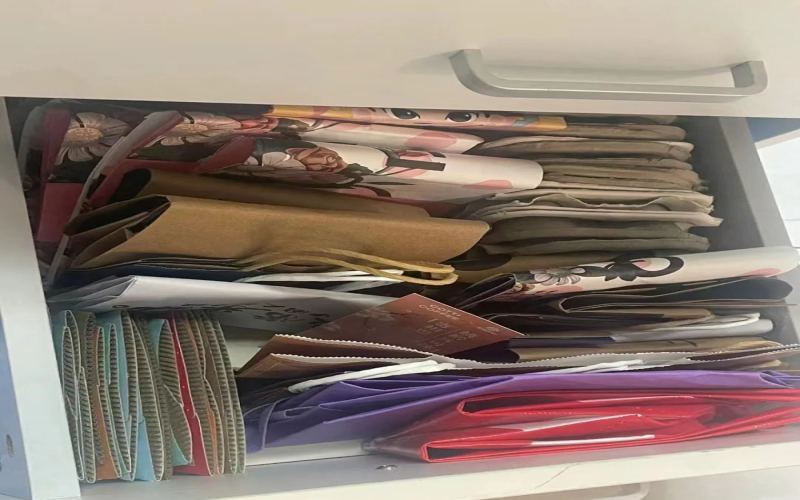
Don't Throw Away the Paper Bag! Turn Coffee Packaging into Electric Scooter Handlebar Grips and Storage Essentials
As 2023 draws to a close, it's worth looking back and counting just how many cups of coffee and milk tea you drank this year—there's a simple, blunt way to do it: see how many drink packaging bags you've stockpiled at home. Some of these bags are nicely designed, some are sturdy and durable; throwing them away feels wasteful, but keeping them takes up space, and the more they pile up, the more they become a burden. So netizens have come up with creative ideas, transforming packaging bags into storage boxes, tissue covers, commuter bags, and even journals; now that winter has arrived, they've unlocked a new skill—using coffee paper bags to make handlebar covers for electric bikes, which are windproof and save money, and can be upgraded into thermal bags for waterproof warmth. This article compiles these practical DIY ideas and includes related recommendations from Front Street Coffee to help you turn "junk" into little joys in life. [more…]
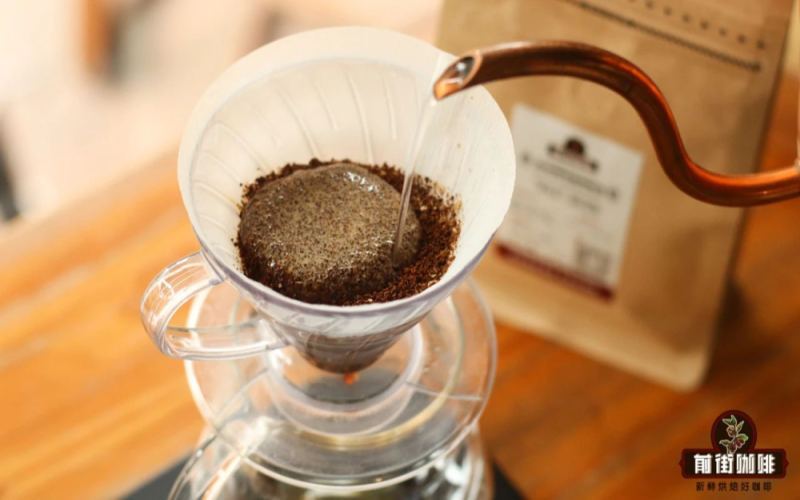
Can Drip Coffee Bags Also Make Cold Brew? A Complete Guide to Brewing Iced Coffee Without a Cold Brew Maker
Summer is here, and you're craving a refreshing glass of cold brew iced coffee, but you don't have a cold brew maker on hand. In fact, drip coffee bags can be transformed into a cold brew tool beyond their usual hot brewing use. In this article, Front Street will walk you through how to make iced black coffee with drip coffee bags, covering everything from the design principles of drip bags and the differences between drip and immersion extraction, to how high and low temperature extraction affect flavor, and then to the specific steps and storage tips. We'll also recommend several cost-effective Front Street drip coffee bags so you can easily enjoy a full-flavored cold brew at home or in the office. [more…]
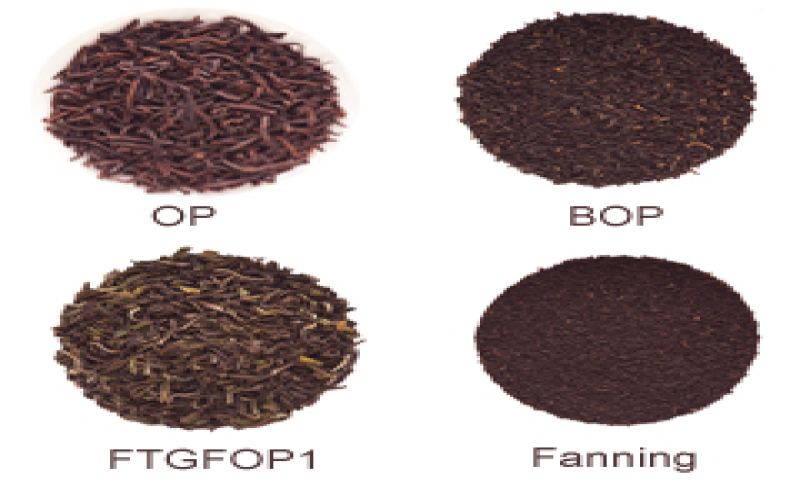
Loose Leaf OP Black Tea vs. Tea Bag Broken Leaf Tea: An Analysis of Grade Hierarchy and Flavor Differences
After tea leaves are processed, they are graded based on physical characteristics such as size and color, but grading does not directly equate to brewing quality. Indian black tea has the most rigorous grading system, in which Orange Pekoe (OP) is a basic term derived from the Chinese word for "white down" and has nothing to do with orange flavor. Black tea is divided into four categories: whole leaf, broken leaf, fannings, and dust. Whole-leaf grades range from OP to SFTGFOP1, with quality improving grade by grade; the broken-leaf grade BOP retains more whole-leaf quality and is often used for blending; finer tea powder is mostly used for tea bags and ready-to-drink beverages. Although loose-leaf tea and tea bags come from the same source, there are significant differences between orthodox processing and CTC processing, with the former having a more complex flavor. Front Street Coffee has always advocated choosing loose-leaf tea in order to enjoy the visual appeal and pure taste of whole tea leaves. [more…]

Common Mistakes and Correct Methods for Brewing Drip Coffee Bags: Why You Can't Just Steep Them Like Instant Coffee or Tea Bags
Drip bag coffee is the entry-level choice for many coffee novices getting into single-origin coffee. It requires no complicated equipment—just one drip bag, a pot of hot water, and a cup, and you can enjoy it with ease. But many people brew it directly as if it were instant coffee or a tea bag, and the result is either coffee grounds in their mouth or a cup of bitter, astringent, woody-tasting coffee water. This article explains in detail the design principles of drip bag coffee packets, points out four common brewing mistakes, and offers four key points for correct operation, including container selection, water temperature control, pouring technique, and coffee-to-water ratio. It also retains Front Street brand's recommended drip bag coffees from various regions, helping coffee lovers avoid pitfalls and brew single-origin coffee with excellent aroma and taste. [more…]
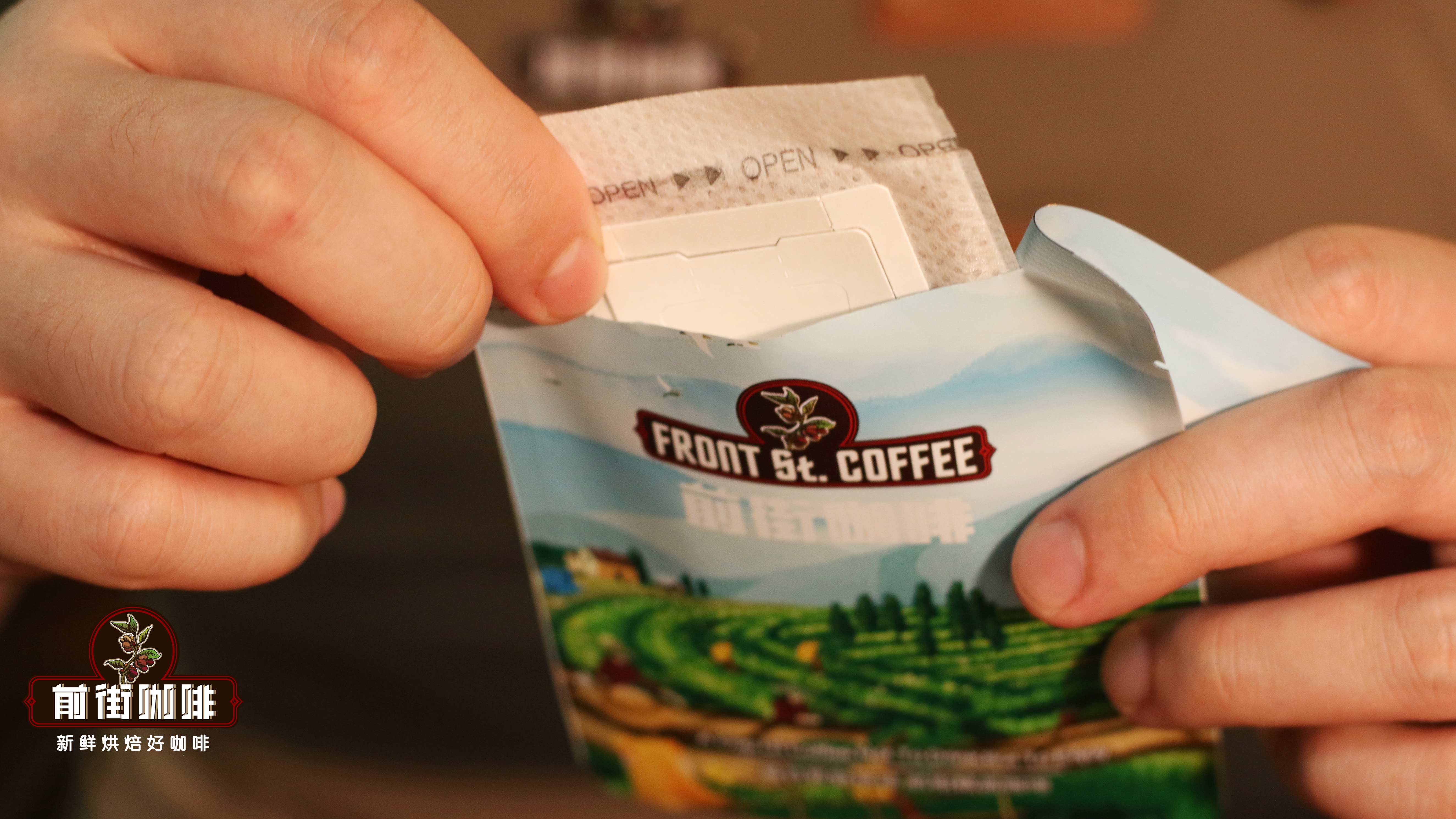
The Origin of Drip Coffee Bags | What Flavors Do Filter Coffee Bags Offer? Recommended Delicious and Affordable Single-Origin Drip Coffee Bags for Beginners
In 1990, Yamanaka Sangyo Co., Ltd. of Japan applied the concept of tea bags to coffee, inventing the drip bag coffee and applying for a patent. With the demand in the specialty coffee market, more and more people began to purchase drip bag coffee, in order to quickly and conveniently enjoy specialty coffee without needing to use a bunch of utensils and vessels. Front Street Coffee ( [more…]
Why Is My Cold Brew Coffee Too Weak? A Complete Guide to Improving Extraction Strength with Tea Bags
Many people making cold brew coffee at home find that even when they use a higher coffee-to-water ratio, the resulting brew still tastes disappointingly weak, and they start to wonder whether they are simply missing professional cold brew equipment. In fact, the problem usually lies in the extraction method itself. In this article, Front Street Coffee will analyze the root causes of weak cold brew and share a practical little trick—using a non-woven tea filter bag to hold the coffee grounds for steeping—so you can significantly boost the strength of your cold brew without buying a dedicated cold brew bottle. The article also verifies the actual effectiveness of tea-bag cold brew through a comparative experiment using two groups of beans, a light roast and a dark roast, and includes specific operational recommendations. [more…]

Coffee Extraction | What's the difference between drip and immersion extraction? Does water temperature affect coffee flavor? Can drip bag coffee be used to make cold brew?
Because of their high quality and the convenience of brewing, more and more people are keeping a few packs of Front Street's drip coffee bags at home and in the office. As the seasons change, many regions are already starting to move into summer, and besides being brewed hot, drip coffee bags can actually be made into cold brew iced coffee too! In this article, Front [more…]
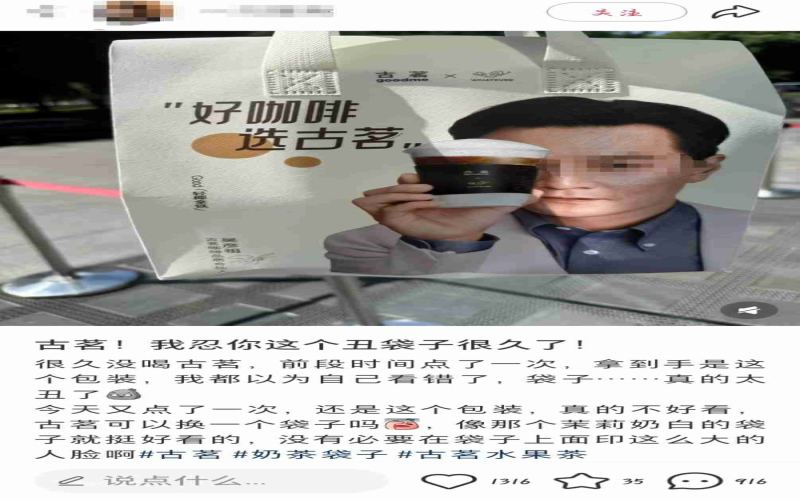
Guming's Wu Yanzu co-branded packaging bag sparks controversy: Consumers complain the design looks like health supplement packaging, brand responds feedback has been noted
After collaborating with actor Daniel Wu to promote coffee products in late June, Guming Tea recently rolled out packaging bags featuring his image at stores nationwide, which unexpectedly sparked widespread dissatisfaction among consumers. Many customers complained on social media that the bag design was "not aesthetically pleasing" and that the celebrity's portrait was too large, saying carrying it felt like "health supplements for middle-aged and elderly people" or "soaking goji berries," and some even said they wanted to throw it away as soon as they received it. Some netizens argued that although Daniel Wu has high national recognition, he is no longer young and does not fit the positioning of a youthful tea beverage brand; others pointed out that the brand should consider scenarios for secondary use of the packaging. On September 23, Guming staff responded that they had not received related complaints, but would record opinions on the design and spokesperson and pass them on for evaluation. The incident reflects the tension between co-branded packaging and the aesthetics of young consumers. [more…]
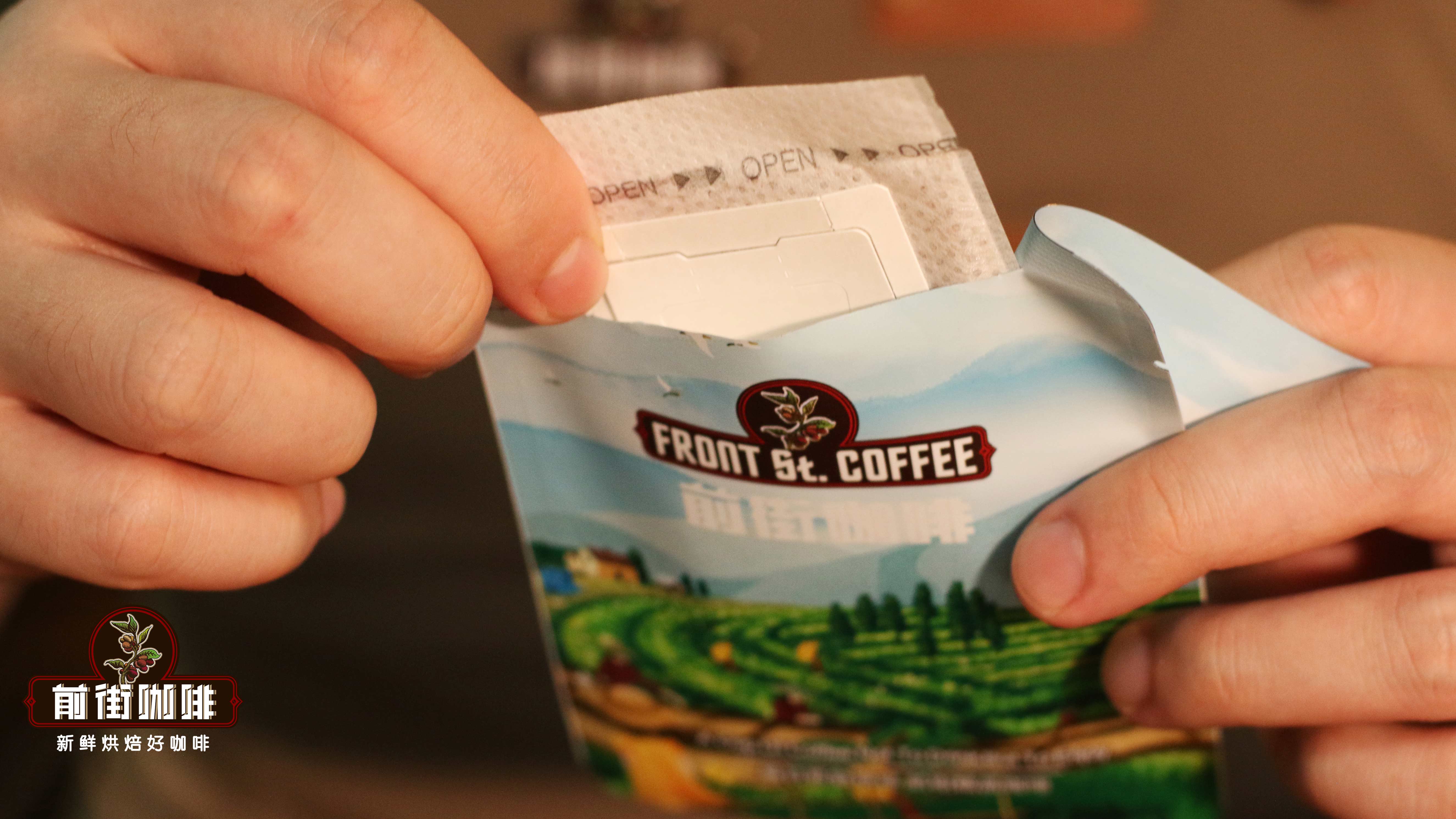
A Beginner's Guide to Drip Coffee Bags: Origin Story, Brewing Techniques, and Flavor-Boosting Secrets
For office workers who are short on time but refuse to settle for a mediocre cup of coffee, drip coffee bags are almost the ideal solution. They require no complicated equipment—just hot water and a cup are enough to complete the extraction—yet many people find in practice that the coffee they brew always turns out weak and lacking in aroma. This article will start with the origins of drip coffee bags, explain why they are called "hanging ear," analyze the reasons their flavor tends to be thin, and share the water temperature, coffee-to-water ratio, and staged pouring techniques that Front Street Coffee has summarized through actual brewing. In addition, it compiles three classic coffee beans suitable for making drip coffee bags, covering Yirgacheffe, Brazil Queen's Estate, and Sidamo Flower Kui, helping you easily obtain a richly layered cup of black coffee even at the office. [more…]
Drip Bag Black Coffee Brand Buying Guide: Origins of Drip Coffee Bags, Market Trends, and Flavor Analysis of Five Front Street Single-Origin Beans
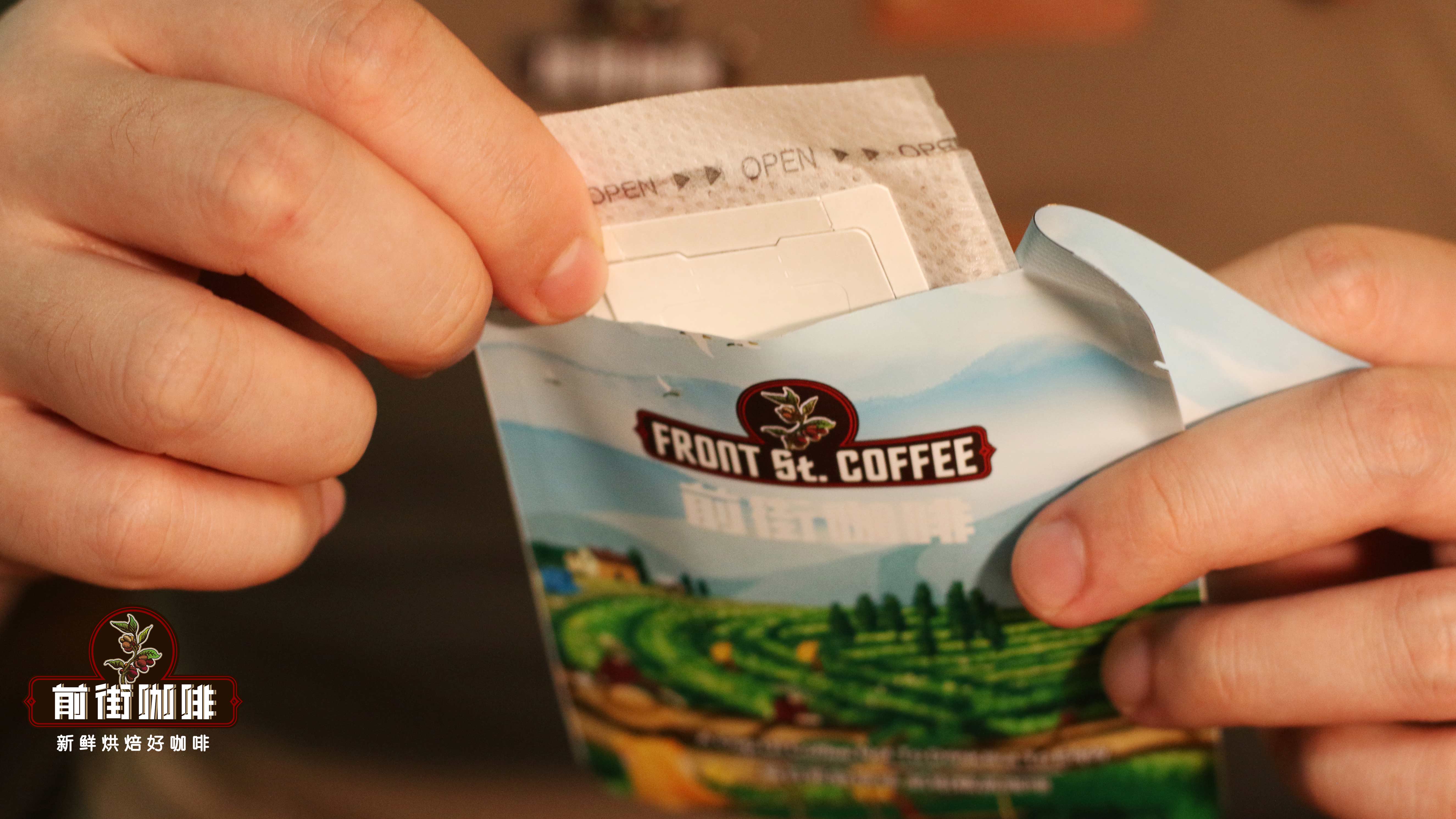
Drip coffee bags combine the convenience of instant coffee with the layered flavors of pour-over coffee. Since 1990, when Yamanaka Sangyo Co., Ltd. of Japan applied the tea bag concept to coffee, they have gradually spread rapidly in East Asian markets. Front Street Coffee has long offered drip coffee bags for sale and custom services to meet different taste preferences. This article will start with the market development of drip coffee bags, sort out their origin story and market data, and recommend five single-origin beans suitable for making Front Street Coffee drip coffee bags, covering fruity, floral, fermented, winey, and full-bodied flavors. At the same time, Front Street will disclose the key production points and brewing suggestions for drip coffee bags to help coffee lovers enjoy a cup of specialty drip coffee anytime, anywhere. [more…]
The Complete Guide to Loose Leaf Tea Brewing: Water Temperature, Time, Flavoring Tips, and an Analysis of Representative Tea Producing Regions
To enjoy a truly good cup of tea, start by mastering the correct way to brew loose-leaf tea. This article will walk you through choosing the right equipment, controlling water temperature and steeping time, and how to enhance flavor with sugar, lemon, mint, and other seasonings. In addition, we'll introduce you to China's four major tea-producing regions and their representative teas, and share tips for making iced tea. Whether you're a complete beginner or a seasoned tea lover, the practical techniques and buying advice in this article—including recommendations for Front Street Coffee tea bags and samplers—will help you easily brew tea at a professional level and say goodbye to settling for tea bags. [more…]
2025 Drip Bag Coffee Buying Guide: Popular Brands Overview and Front Street Single-Origin Bean Recommendations
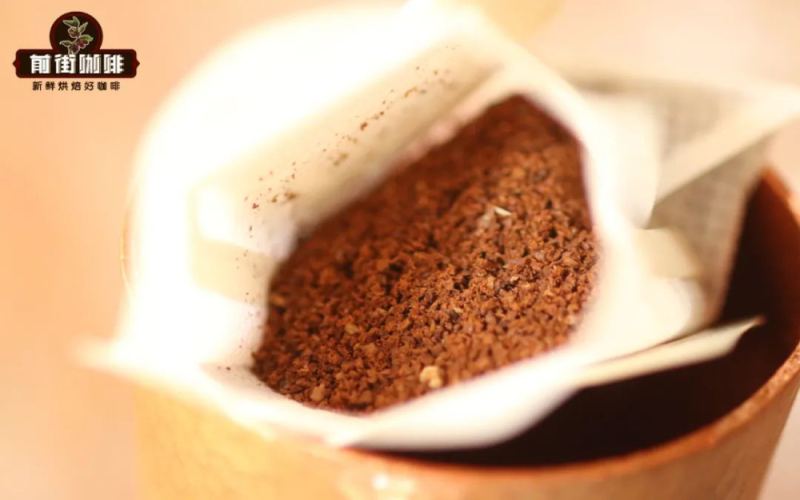
As a convenient representative of the black coffee family, drip bag coffee lets you enjoy a cup of freshly ground quality coffee anytime, anywhere, with just a pot of hot water and a cup. It was first invented by Japan's Yamanaka Sangyo Co., Ltd. in 1990, inspired by the design of stringed tea bags, and after being patented in 2002, it quickly swept the world. Front Street Coffee's drip bags use a 10g per bag specification, capable of brewing about 130 to 150 ml of coffee liquid, just right for a single serving. This article will systematically introduce the origin, advantages and disadvantages of drip bag coffee, and, according to different taste preferences, share several single-origin coffee beans from Front Street's bean list that are suitable for making drip bag coffee, including PWN Golden Mandheling, Brazil Cerrado Red Fruit, and Yunnan Small Bean, helping coffee lovers easily achieve coffee freedom in the office, at home, or outdoors. [more…]
Can drip coffee bags be brewed twice? How to fix weak coffee—a detailed guide to proper brewing steps and practical tips
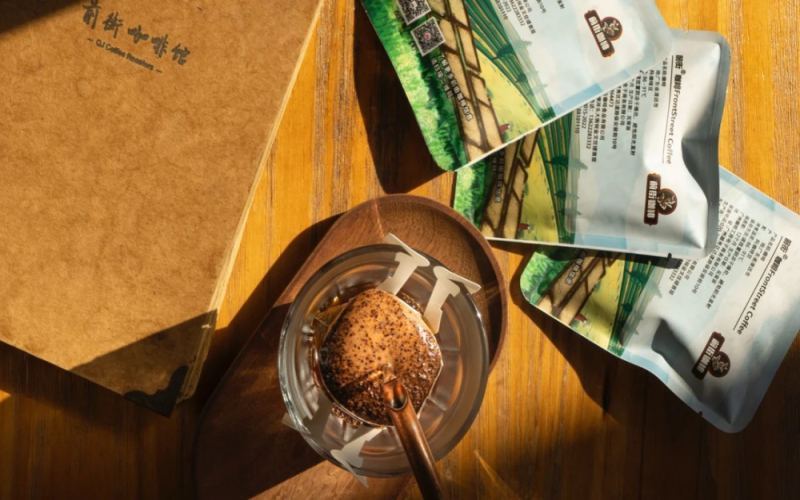
Drip bag coffee is deeply loved for its portability, but many people have misconceptions when brewing it: Can it be steeped directly like a tea bag? Can water be added a second time? From the perspective of Front Street Coffee, this article analyzes the correct logic for using drip bags—it is essentially close to pour-over and requires filtration extraction rather than dissolution. The article covers the importance of fresh roasting, recommendations for the optimal flavor period, water temperature control at 88-91°C, and an illustrated four-stage pouring guide, helping you consistently brew a cup of rich, aromatic black coffee at home. At the same time, for different flavor preferences, Front Street recommends two drip bag coffees, Sun-Dried Huakui and Golden Mandheling, balancing light fruity notes with rich, full-bodied depth. [more…]
How Are Tea-Bag Coffee and Drip Coffee Different? Testing the True Flavor of Filter-Bag Brewing from Hot Brew to Cold Brew
When the weather heats up, everyone's demand for a pick-me-up coffee rises along with it, and a number of new questions have been popping up in the backend. A reader asked Front Street Coffee: can coffee be brewed directly like a teabag? She felt that drip bags require pouring water in stages and controlling the water volume, which isn't convenient enough. This question actually brings up the fundamental difference in extraction principles between two common convenient coffee formats—steeped bags and drip bags. This time, Front Street Coffee used the same batch of beans to conduct a comparison between hot brewing and cold brewing, testing everything from grind size and coffee-to-water ratio to steeping time, in an attempt to figure out whether coffee brewed in filter bags actually tastes good, and which one is more suitable for which scenarios. [more…]