







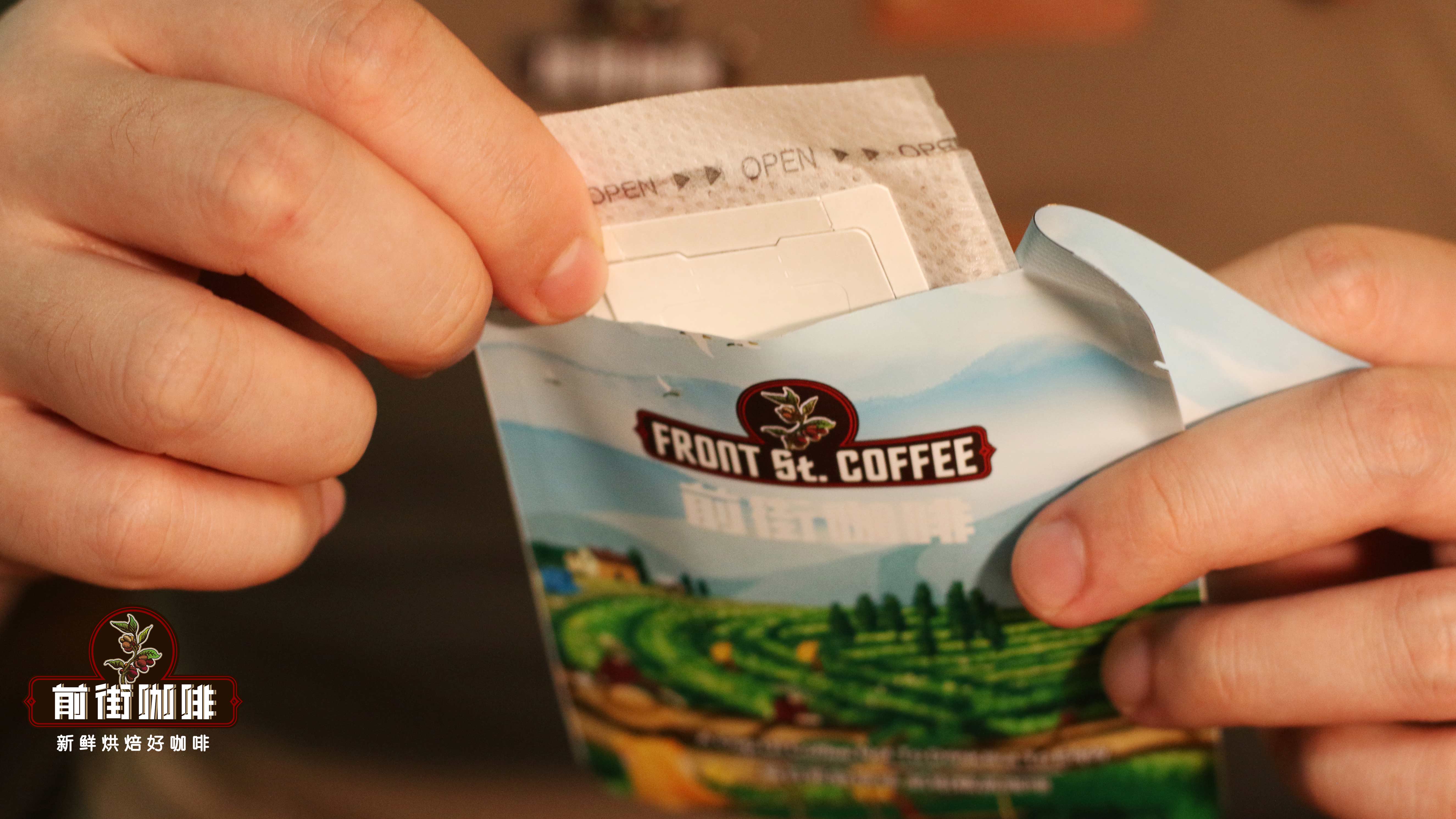
Drip coffee bags combine the convenience of instant coffee with the layered flavors of pour-over coffee. Since 1990, when Japan's Yamanaka Sangyo Co., Ltd. applied the tea bag concept to coffee, they have gradually spread rapidly throughout the East Asian market. Front Street Coffee has long offered drip coffee bags for sale and customization, catering to different taste preferences. This article will start with the market development of drip coffee bags, trace their origin story and market data, and recommend five single-origin beans suitable for making Front Street Coffee drip bags, covering fruity, floral, fermented, winey, and full-bodied flavor profiles. At the same time, Front Street will disclose the key production points and brewing suggestions for drip coffee bags, helping coffee lovers enjoy a cup of specialty drip coffee anytime, anywhere.
For more specialty coffee knowledge, please follow our WeChat official account: FrontStreet Coffee
In 1990, Japan's Yamanaka Sangyo Co., Ltd. transplanted the design concept of tea bags into the coffee realm, successfully developing filter drip coffee and obtaining a patent. As demand for specialty coffee continues to rise, more and more people are buying drip coffee bags, because they allow you to enjoy specialty coffee quickly and conveniently while saving you the trouble of preparing a pile of equipment and utensils. Front Street Coffee has always offered Front Street drip coffee bags for sale as well as Front Street drip coffee bag customization, striving to cover every customer's taste preference. Below, Front Street will recommend 5 single-origin beans used for making Front Street drip coffee bags and introduce Front Street Coffee's specific methods for making and brewing drip coffee bags.
The Market Situation of Drip Coffee Bags
The English term for drip coffee bag is Instant drip coffee bag. It has the advantages of instant coffee—fast, convenient, and requiring no brewing equipment—while also allowing people to experience the pleasure of pour-over. Precisely because it combines the strengths of both instant coffee and pour-over coffee, the drip coffee bag has expanded rapidly in the East Asian market. In 2011, global sales of drip coffee reached 1.4 billion bags, equivalent to about 11,200 metric tons, of which 94% of sales came from Japan. Starbucks Japan also specifically launched drip coffee for this market. Although total global sales of drip coffee bags are currently not large and the market size is relatively limited, its growth rate is very fast.
In the early stage of China's brewed coffee market, instant coffee once held a market share as high as 70%, while drip coffee accounted for only 10%. However, in recent years, food safety scandals have made consumers generally uneasy, and with the gradual rise of specialty coffee culture, coffee consumers' expectations for coffee are no longer limited to staying awake. Drip coffee offers both quality and convenience, precisely matching this demand, so in 2017 China's drip coffee growth rate reached 30%.
This time, Front Street has selected 5 coffee beans with distinctive flavors to make coffee drip bags, namely: fruity, floral, fermented, winey, and high body.
Fruity Drip Bag
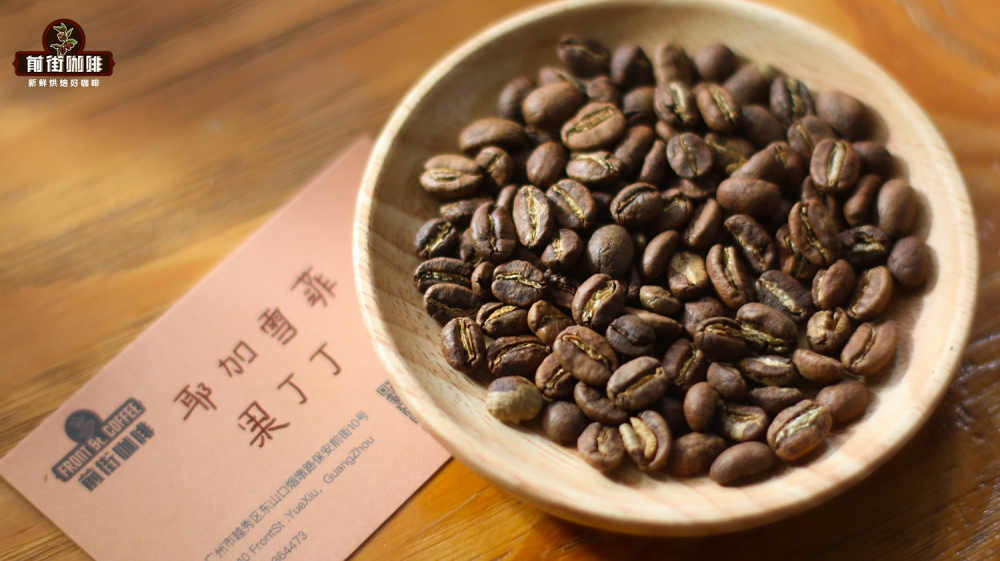
Front Street Coffee recommends using Front Street Gutingting from Yirgacheffe, Ethiopia. This Front Street Coffee Gutingting coffee bean uses the washed processing method. During cupping, Front Street Coffee found that Front Street washed Yirgacheffe has a clean and refreshing taste, with bright and uplifting acidity, dominated by citrus acidity, accompanied by fresh jasmine floral notes and a honey-like finish. It is very suitable for beginners and friends who prefer a light, fresh flavor profile.
Front Street Gutingting Cooperative Drip Coffee
Country: Ethiopia
Region: Yirgacheffe Gedeo Zone Altitude: 1900-2300m Variety: Heirloom Processing: Washed Brewing Flavor: Overall solid mouthfeel, with prominent fermented notes and tropical fruits. As the temperature changes, berry and cream flavors emerge, and the citrus sweet-and-sour sensation lingers between the teeth and lips for a long time.
Floral Drip Bag
Front Street recommends using Front Street Butterfly from Panama. This Front Street Panama Butterfly has 70% premium Geisha lineage, and also includes Catuai and Caturra, planted in the Boquete region near the Baru Volcano, growing at an altitude of 1600 meters in a volcanic area. The unique local microclimate brings abundant rainfall and a large temperature difference between day and night, and combined with careful harvesting and meticulous processing, this Front Street Panama Butterfly coffee performs excellently in body, acidity, and floral notes. Excellent quality paired with an affordable price allows consumers to experience the flavor of Panama Geisha coffee at a very high cost-performance ratio.
Front Street Panama Butterfly Drip Coffee Region: Boquete, Panama Altitude: 1600m Processing: Washed Variety: Geisha, Caturra, Catuai Brewing Flavor: Floral, black tea, berry, citrus, with a slight nutty note in the finish, smooth mouthfeel, low bitterness, moderate acidity, and medium aftertaste.
Fermented Drip Bag
Front Street recommends Front Street Strawberry Candy Geisha Blend from Costa Rica. Front Street Strawberry Candy Geisha Blend uses raisin honey processing, retaining 100% mucilage and employing a zero-water method. On the day the coffee cherries are harvested, the harvested coffee cherries are poured into a large water tank; ripe, plump fruits sink to the bottom, while underdeveloped or overripe fruits float to the surface, and these floating beans need to be removed. The selected coffee cherries are placed on raised beds to dry for at least three days, then the cherry skin is removed, and after retaining the mucilage, they are dried again. At this stage, climate factors are key to the success of honey processing. During drying, the coffee cherries must be constantly turned to ensure even drying, but the turning frequency must be well controlled—drying needs to be slow to ensure the coffee undergoes fermentation processing, yet not so slow that over-fermentation occurs. The raisin processing method enhances the sweetness of this Front Street Mirazu Strawberry Candy Geisha Blend.
Front Street Strawberry Candy Geisha Blend Drip Coffee Region: Tarrazu, Costa Rica
Estate: Mirazu Estate Altitude: 1700m Processing: Raisin honey process Variety: Geisha, ET47, SL28, MACIO Brewing Flavor: Fermented notes of dried fruit, the delicate fragrance of jasmine, soft fruit acidity, almond finish, with noticeable sweetness.
High-Body Drip Bag
Front Street recommends Front Street Brazil Queen Estate Yellow Bourbon from Brazil. This Front Street Brazil Yellow Bourbon coffee comes from Brazil's Queen Estate. Brazil has relatively low altitudes, flat and monotonous terrain, and a lack of microclimates, and it is customary to grow coffee trees under full sun, thus forming Brazil's unique soft-bean flavor. Through cupping Brazilian coffee beans from different regions, Front Street concluded that Brazilian coffee beans have low acidity, moderate nuttiness, chocolatey sweetness, and a full-bodied mouthfeel.
Front Street Queen Estate Drip Coffee
Country: Brazil Coffee Region: Mogiana Altitude: 1400–1950m
Variety: Yellow Bourbon Processing: Natural Brewing Flavor: Sweet and clean bean character; using semi-washed processing makes its acidity slightly brighter but combines beautifully with sweetness, and some even have tropical fruit aromas.
When making drip coffee bags, Front Street pays great attention to the entire production process of the drip bag, all so that every coffee lover can drink the best single-origin drip coffee anytime, anywhere.
1. Cleaning the grinder for drip coffee bags. Before making each type of drip coffee bag, Front Street thoroughly cleans the grinder to avoid flavor influence between different beans.
2. Grind Size for Drip Coffee Bags
The quality of drip bag brewing is determined first and foremost by flow rate—neither too slow nor too fast will do, and this depends on the grinder's grind. If the grinder used is not of a sufficient grade and the grind quality is poor, a large amount of fines will inevitably be produced during grinding, resulting in uneven grinding. During brewing, this will cause "traffic jams" and slow down the flow rate; if the steeping time is too long, over-extraction occurs, and the result is a muddy taste and poor flavor. No matter how good the beans are, they will be unable to express their proper flavor.
3. Automated Packaging of Drip Coffee Bags Front Street uses mechanical automated packaging for two purposes: first, to improve the sealing effect of the outer packaging; second, to inject nitrogen during packaging to eliminate oxygen as much as possible, making oxidation less likely and greatly extending the freshness period of the coffee's flavor.
Front Street Coffee Drip Bag Brewing Suggestions
1. First, the net content of coffee grounds in Front Street drip coffee is clearly marked (generally 10 grams). This solves the problem of needing a grinder and electronic scale.
2. Next, address the water volume and water temperature. As with pour-over coffee, use a ratio of 1:15–1:16, so the brewed coffee liquid should reach 140 ml to 150 ml. Use a water temperature of around 90°C. If you have a thermometer or temperature-controlled kettle, use those first; if not, you can roughly judge the temperature. Generally, after the kettle boils, turn off the heat source, open the lid, and wait 2–3 minutes; the water temperature will reach around 90°C (at a room temperature of 28°C).
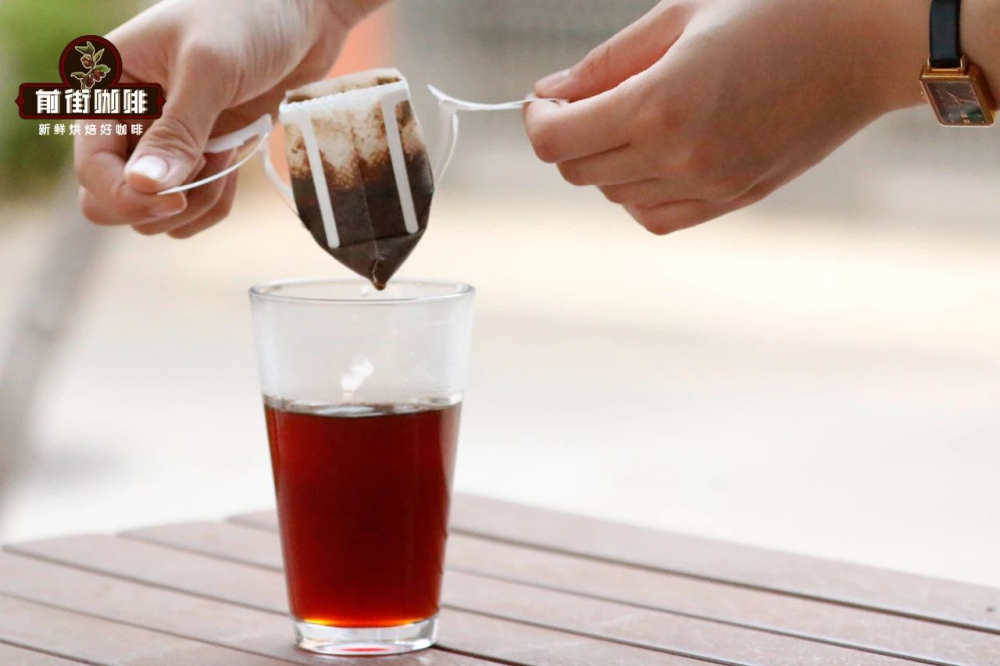
3. Once prepared, take out and tear open the sealed opening of the Front Street Coffee drip bag, open the two "ears" on both sides of the filter bag, hang it on the rim of a mug (or cup), and shake the coffee grounds level. 4. For the first pour, simply wet the coffee grounds layer completely, and let it bloom for 30 seconds.
5. After blooming, make the second pour, using a slow stream in a circular motion to fill directly. Wait for the grounds layer to drop slightly, then continue pouring to full, repeating this until the coffee in the cup reaches about 140–150 ml, then remove the drip bag and enjoy. (If you want a more precise water amount, you can also pour 150–160 ml of water into the pouring kettle, and during brewing, after all the water in the kettle has been poured, wait for the coffee liquid to flow into the cup, then remove the drip bag. The entire brewing process takes about 1 minute.)
The above content is compiled by CoffeeHunters, a coffee news website.


