





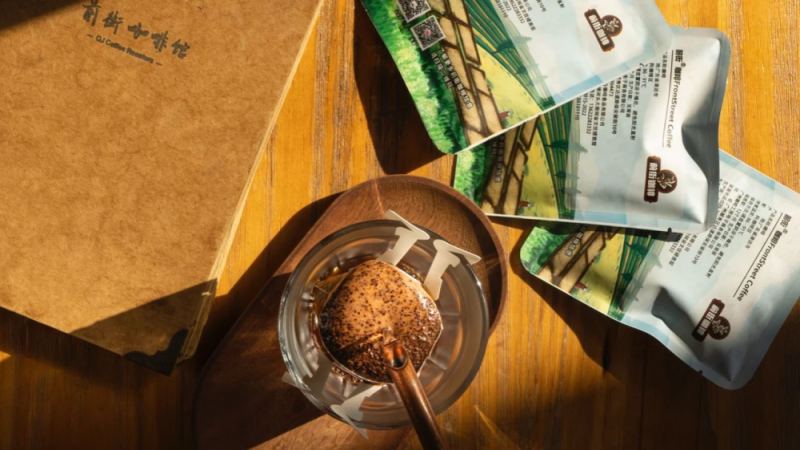
How to Make Coffee With Powder From a Drip Bag
Drip bag coffee is not a tea bag. The ground coffee inside is fine particles that cannot dissolve in water, so steeping the whole bag like tea over-extracts some grounds and leaves you with a bitter, weak cup. The correct method is closer to pour-over: hang the bag on the cup rim, wet the grounds with hot water at 88-91C, and let the liquid drip through.
Because the soluble compounds in coffee particles release faster than those in a tea bag, a second pour or a long soak usually brings out bitterness rather than more flavor. Use a four-stage pour and stop before the bed dries out. Golden Mandheling drip bags, with their fuller body, hold up well under this method and stay balanced.
Drip bag coffee is deeply loved for its portability, but many people have misconceptions when brewing it: Can it be steeped directly like a tea bag? Can you pour water over it a second time? From the perspective of Front Street Coffee, this article explains the correct logic for using drip bags—it is essentially close to pour-over, requiring filtration and extraction rather than dissolution. The article covers the importance of fresh roasting, recommended optimal flavor periods, water temperature control at 88-91°C, and a four-stage pouring diagram to help you consistently brew a rich and aromatic cup of black coffee at home. At the same time, for different flavor preferences, Front Street recommends two drip bag options—Natural Huakui and Golden Mandheling—balancing light fruity notes with rich, full-bodied depth.
Does drip bag coffee really need to be steeped? The answer is yes, but by no means should you toss the filter bag into water like a tea bag. Front Street Coffee is here today to talk about how to brew drip bag coffee so it releases a satisfying aroma and taste.
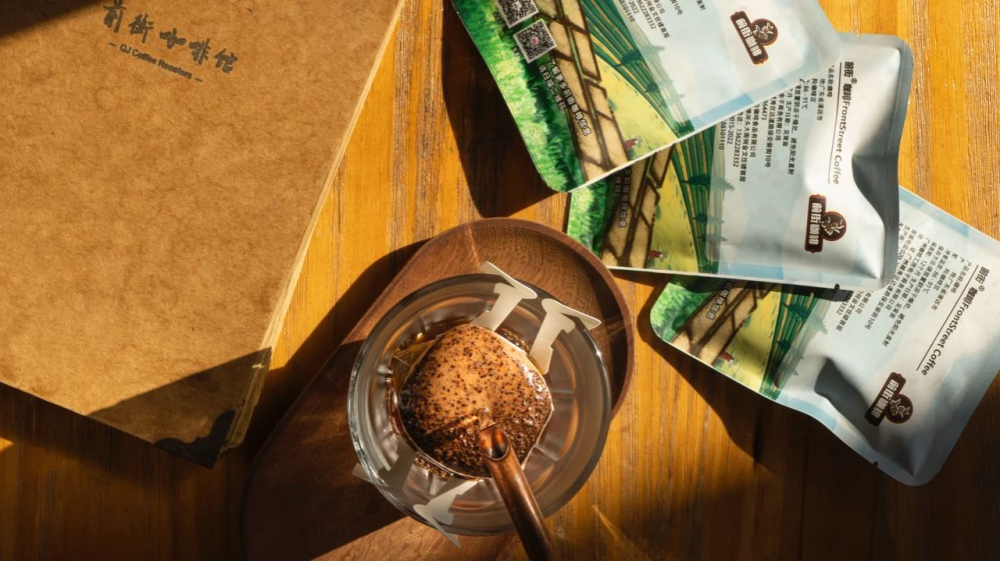
Drip bags are fundamentally different from instant coffee: freshly roasted coffee beans are ground to a suitable particle size, then placed into a non-woven filter bag and sealed into individual small packets for easy carrying and short-term storage.
Because they are fine particles ground directly from coffee beans, these grounds cannot dissolve in water. So when brewing drip bag coffee, you cannot pour the coffee grounds from the bag directly into your cup. In addition, the soluble compounds in coffee particles release into hot water much faster than those in a tea bag. If you leave a drip bag submerged in water for a long time, some particles will be over-extracted, bringing out bitterness.
The extraction logic of drip bag coffee is similar to pour-over—the coffee grounds hang at the rim of the cup, and hot water passes through the coffee bed to complete extraction. Therefore, the non-woven bag serves as the filtration medium: tear open the perforated line, gently pull open the two hooks on either side, rest it securely on the rim of the cup, then pour in hot water to saturate the coffee grounds, and the coffee liquid will drip down.
The original purpose of drip bags was convenience, so there is inevitably a gap in flavor compared with freshly ground pour-over, which means you don't need to be too strict when brewing. But if you want your drip bag to show aromatic complexity as well, the following points are worth paying attention to.
1. Choose drip bag products made from freshly roasted beans
Whether you buy whole bean coffee or drip bags, the freshness of the roast directly determines the aroma performance. After coffee beans are roasted, they release carbon dioxide while locking aroma and flavor inside the bean; over time, the carbon dioxide gradually dissipates, and once ground into powder, the flavor fades even faster.
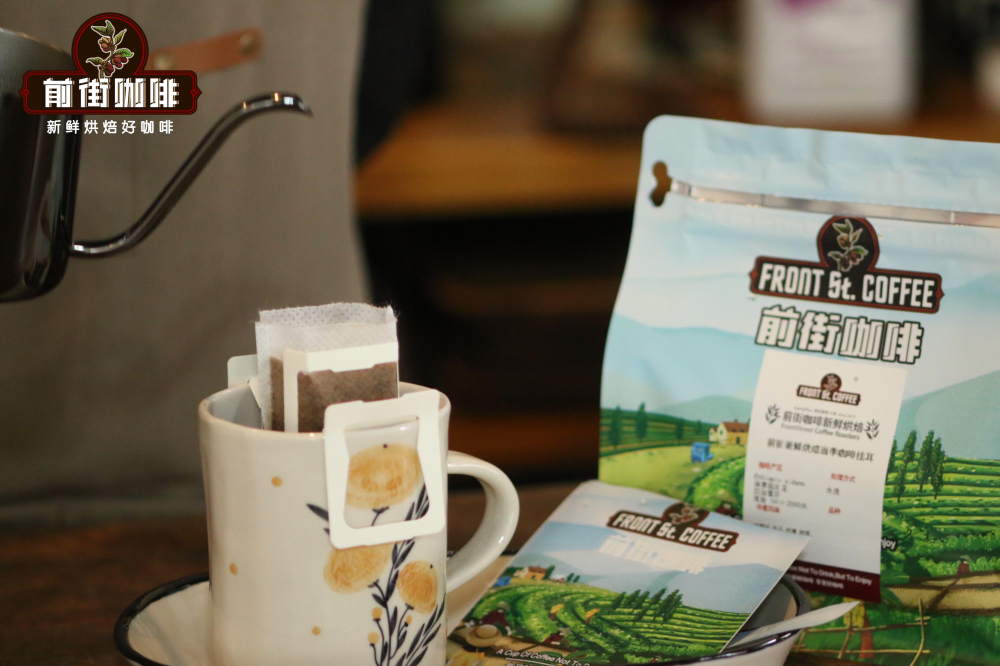
The whole beans and drip bags currently sold by Front Street Coffee are all shipped within 5 days after roasting is completed, ensuring 100% fresh roasting. The production process for drip bags is: as soon as the beans finish roasting and are cooled, they are immediately ground, portioned, and sealed to preserve the coffee's original flavor as quickly as possible.
In terms of bean selection, Front Street often recommends the store's everyday drinking options. If you prefer light fruity notes, the barista will suggest Front Street Natural Huakui drip bags, and the black coffee brewed has delicate floral notes with strawberry, citrus, and mango tones, soft and lightly sweet on the palate; if you like a rich style, you can choose the dark-roasted Golden Mandheling, centered on spice, herbal, and caramel flavors, thick and silky, with a finish of bittersweet dark chocolate.
2. Buy in small quantities more often to keep drip bags fresh
Generally, the optimal flavor period for drip bag coffee is 30 days, with one pack containing 10 small bags of 10 grams each. Front Street Coffee does not recommend stockpiling too many at once—finish one pack before buying the next, so you can ensure every cup is at its best.
Illustrated guide to the correct way to brew drip bag coffee
The whole point of drip bags is convenience, so you only need to control the water temperature and the amount of water poured. Water temperature is an unavoidable variable when brewing any coffee.
Many friends are used to directly using hot water from a water dispenser to brew, but the dispenser's output temperature usually does not exceed 75°C. Extracting at this temperature will make drip bag coffee taste thin and weak. Front Street suggests boiling a kettle of water, letting it sit for 2-3 minutes after boiling, and starting to brew once the water temperature drops to about 88-91°C.
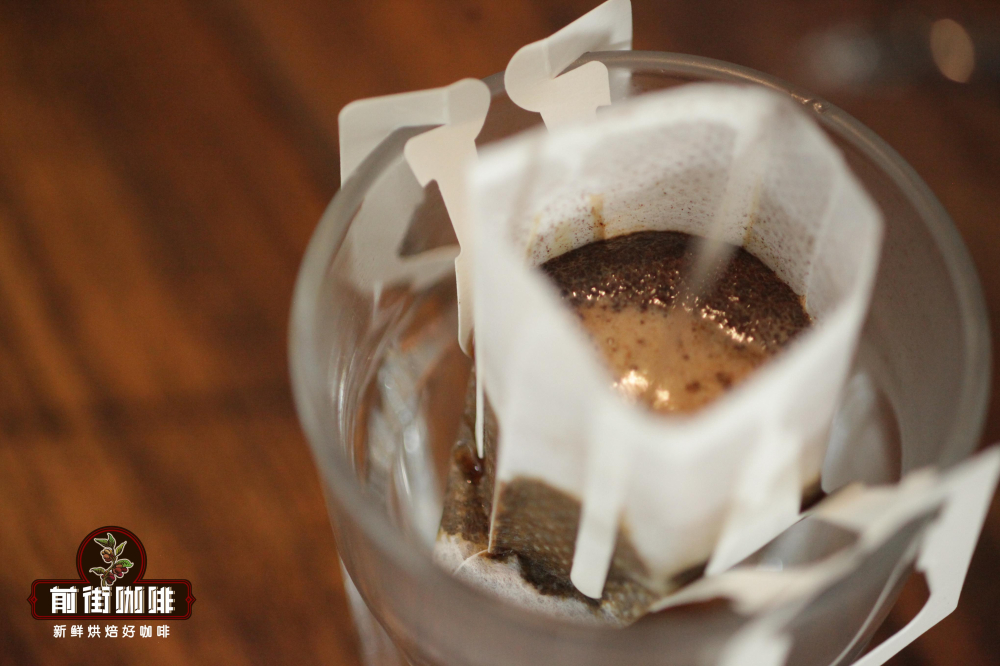
One individual drip bag from Front Street has a net weight of 10 grams. Based on the better pour-over ratio of 1:15, one bag can take 150 grams of hot water, ultimately yielding about 140 grams of coffee liquid.
① First tear open the drip bag and set it on the cup.
② Using a kettle at 88-91°C, pour the first stage of hot water into the center of the filter bag until it reaches half the height of the bag, then wait 15 seconds. This is the pre-infusion stage, allowing the coffee particles to release carbon dioxide and laying the foundation for stable extraction afterward.
Then continue pouring water for the second stage until the filter bag is nine-tenths full, stopping around the small card strip attached at the very top of the bag. ④ After all the coffee liquid has dripped into the cup, pour water for the third stage again until the filter bag is nine-tenths full, then stop.
⑤ Wait until the coffee liquid has once again fully flowed into the cup, pour water for the fourth stage until the filter bag is nine-tenths full, and once dripping is complete, remove the drip bag. ⑥ Pour water in four stages in total: the first stage to the 1/2 mark, and for the remaining three stages, wait until the coffee liquid has finished flowing before pouring to nine-tenths full. After repeated testing, Front Street found that with this method the total amount of water poured basically lands around 150 ml.
The above content is compiled by CoffeeHunters, a coffee news website.


