







Search Results for: Striped Bourbon
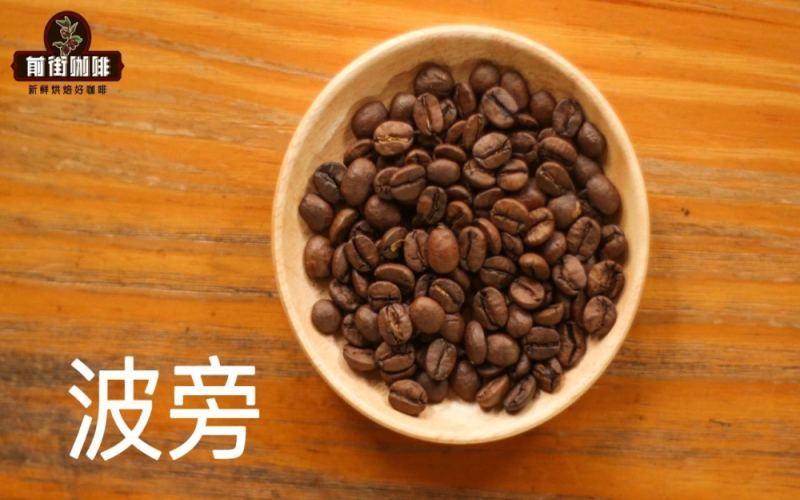
A Complete Guide to Bourbon Coffee Varieties: Flavor and Spread from Red, Yellow, Orange, and Pink to Striped Bourbon
Bourbon is one of the oldest varieties in the Arabica family, spreading from Yemen to the world via Réunion Island, and then diversifying into colorful variants—red, yellow, orange, pink, and even striped—in the soils of the Americas and Africa. This article traces the dispersal routes of the Bourbon variety, the origins and characteristics of its colorful mutations, and presents the flavor differences of Bourbon coffee from various origins. Whether you are a beginner pour-over enthusiast or a seasoned connoisseur looking for your next everyday bean, you will find interesting knowledge about Bourbon here, along with Front Street Coffee's corresponding bean recommendations. [more…]
A Complete Guide to Bourbon Coffee Varieties: From Red, Yellow, Orange, and Pink to Striped Bourbon — Origins, Flavors, and Prices
Bourbon is one of the oldest Arabica varieties. After spreading from Yemen to Réunion Island, it made its way to East Africa and Central and South America, and today it has evolved into a rich array of branches under the microclimates of different countries, including Red, Yellow, Orange, Pink, and even Striped Bourbon. Bourbon of different colors and origins shows quite noticeable differences in the cup: some are known for nutty chocolate notes and low-acid smoothness, some highlight citrus acidity and floral aromas, and others combine tropical fruit sweetness with a clean mouthfeel. This article sorts out the origins and spread of Bourbon, introduces the characteristics and representative producing regions of each mutant one by one, and, combined with several Bourbon products from Front Street Coffee, provides specific flavor descriptions and brewing references to help coffee lovers build a complete understanding of the Bourbon family. [more…]
A Comprehensive Guide to Bourbon Coffee Varieties: Flavor and the Story of Their Spread from Red, Yellow, Orange, and Pink to Striped Bourbon
Bourbon is one of the oldest varieties of Arabica, spreading from Réunion Island to Africa and Central and South America, where it evolved under local microclimates into a range of color variants including red, yellow, orange, pink, and striped. This article traces the origins of the Bourbon variety and its missionary-driven spread, details the discovery history, growing characteristics, and flavor differences of each color of Bourbon, and presents the brewing performance of Front Street Coffee's Bourbon beans such as Brazil Cerrado and Brazil Queen. Whether you are a newcomer just getting into specialty coffee or an enthusiast eager to deepen your knowledge of varieties, you will find here a complete overview of Bourbon coffee and a tasting reference. [more…]

Where Do the Tiger Stripes on Espresso Come From? An Analysis of How Fines Affect the Color and Flavor of Crema
After extracting espresso, the golden, dense foam on the surface is the Crema. Sometimes this layer of crema develops brown streaks of varying shades, resembling tiger stripes, which enthusiasts call "tiger-striped espresso." How exactly do these patterns form? Does it mean the coffee tastes better? Front Street Coffee will start from the composition of the crema, analyze the origin of the tiger stripes, and compare the respective advantages of tiger-striped espresso and regular espresso in terms of body and cleanliness, helping coffee lovers view this phenomenon more rationally. [more…]
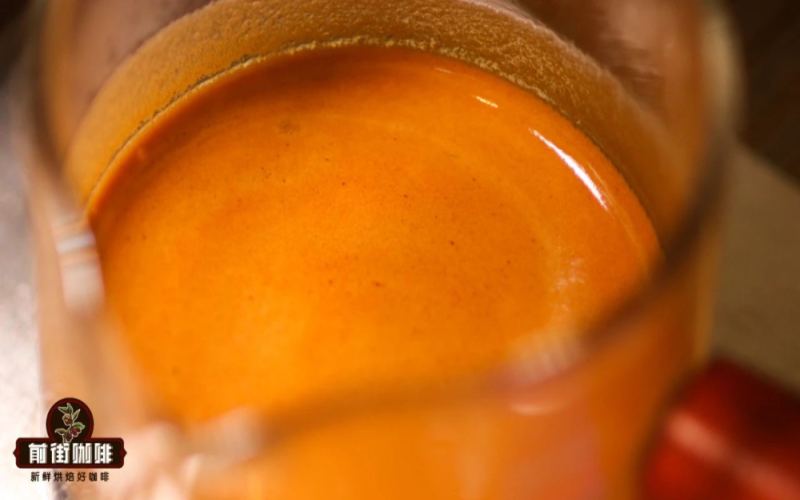
A Detailed Explanation of the Causes of Crema in Espresso: Four Key Stages from Bean Selection to Extraction Pressure
Espresso, as the foundation of the Italian coffee system, is regarded by many enthusiasts as the very soul of Italian coffee. The golden, tiger-striped layer of crema on the surface of an espresso, about 1 to 2 centimeters thick, is a key source of flavor, giving off aromas of toasted caramel and dark chocolate. To recreate an ideal crema at home, four core elements must be mastered: the freshness of the coffee beans, the roast level, the extraction pressure, and the choice of coffee variety. This article will explore these four dimensions one by one, explaining the principles behind crema formation and key practical points, while also introducing several Front Street Coffee espresso blends suitable for making espresso, helping readers make the right choice based on their own needs. [more…]
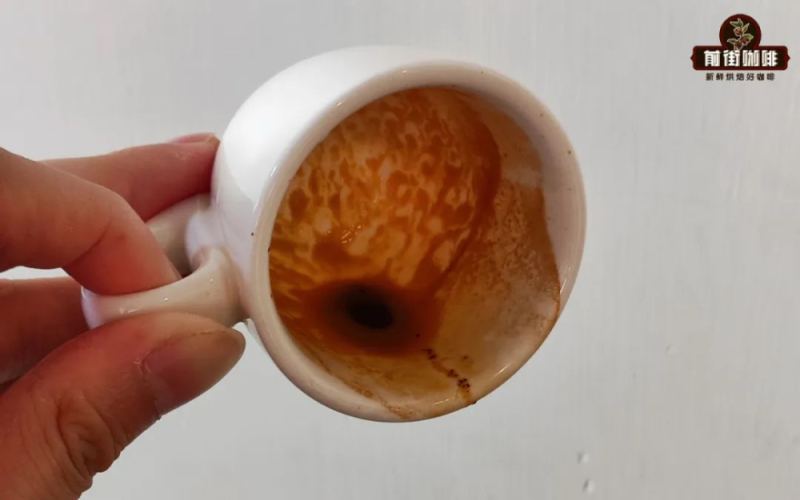
Is it normal for black sediment to appear at the bottom of an espresso cup? Explaining why fines pass through the filter basket
Many coffee enthusiasts, while enjoying an espresso, notice black particles settling at the bottom of the cup and worry whether this means something went wrong with the extraction. In fact, in most cases this phenomenon is perfectly normal. These sediments are extremely fine coffee grounds that have passed through the holes of the portafilter basket, and they usually sink to the bottom gradually after the coffee has rested for a few minutes. This article will explain in detail the principle behind how these fines appear, their relationship with tiger-striped crema, and several factors that may cause a sudden increase in sediment, including grinding too fine and deformation of the basket's mesh. At the same time, Front Street Coffee will also use examples to help you determine when you need to adjust your grinding parameters, so you can face that layer of fine grounds at the bottom of your cup with greater ease. [more…]
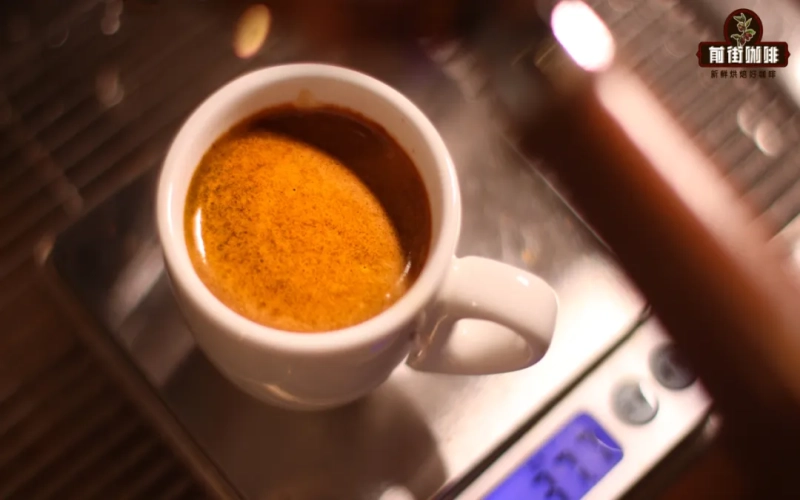
Is Tiger-Striped Espresso a Sign of Over-Extraction? Analyzing the Source of Fine Particles in Crema and Their Impact on Extraction
The tiger stripe pattern on the surface of espresso is often misunderstood as a sign of over-extraction, but the truth is exactly the opposite. Starting from the composition of the crema, this article explains that tiger stripes are actually a phenomenon in which coffee fines float on the surface of the crema, and analyzes how fines affect extraction, as well as how factors such as grind size, distribution technique, and the distance the espresso falls cause tiger stripes to appear. Front Street Coffee helps you clarify the true relationship between tiger stripes and over-extraction, and understand the role of fines in espresso extraction. [more…]

Espresso Extraction Guide: A Complete Analysis of Standard Yield, Parameter Settings, and Common Issues
Espresso is the soul base of fancy coffee drinks like mocha, cappuccino, and latte, but exactly how many milliliters should a proper shot of espresso be? And what parameter standards should be followed during extraction? In this article, Front Street Coffee will systematically sort out the definition and technical specifications of espresso, analyze the reasons behind the evolution of measurement from milliliters to grams, and provide cause analysis and solutions for common phenomena such as under-extraction, over-extraction, uneven flow, clumped crema, and tiger-striped crema. At the same time, we will also share how to choose beans suitable for making espresso, helping coffee lovers replicate coffee-shop-level rich flavor at home. [more…]
A Complete Guide to Espresso Crema: Ten Key Points from Freshness to Coffee Machine Pressure and Front Street Coffee's Recommendations for Rich-Crema Coffee Beans
Espresso is hailed as the soul of Italian coffee, and the golden, tiger-striped layer of crema on its surface is the core source of flavor. The ideal crema thickness is about 1–2 cm, giving off aromas of roast and dark chocolate. To replicate such a perfect espresso at home, you need to control four key details: coffee bean freshness, roast level, extraction pressure, and coffee variety. This article unfolds around these ten must-know points, from buying Front Street Coffee with a clear roast date, to prioritizing medium-dark roasted blends containing a small amount of Robusta, to the pressure differences among various extraction devices, breaking them down one by one. It also recommends three coffee beans with outstanding crema performance—Front Street Classic Italian Blend, Front Street Commercial Blend, and Front Street Dark Cocoa Base Blend—to help coffee lovers and shop owners find the choice that suits them. [more…]

Espresso Brewing Standards | What Are the Common Espresso Extraction Problems? How to Understand Under-Extraction and Over-Extraction?
What is Espresso? Espresso, also known as "Espresso," is a coffee beverage or Italian-style coffee base originating from Italy. It is coffee that is rapidly extracted under high pressure. Traditionally, a single shot of espresso has a volume of about one ounce. The internationally accepted technical standard is as follows: around 7 grams of [more…]
Espresso Standard Volume Explained: Common Extraction Issues and Key Operating Points for Correct Practice
As the base for flavored coffee drinks such as mocha, cappuccino, and latte, the extraction standards for espresso have always been a topic of interest among coffee enthusiasts. Exactly how many milliliters should a qualified espresso be? And how should phenomena such as oil clumping, tiger striping, and single-sided extraction during the brewing process be understood and addressed? Starting from Front Street Coffee's output standards, this article systematically sorts out the definition of espresso, international technical specifications, and common issues from dose, water temperature, and pressure to grinding, tamping, and other stages, helping readers build a clear cognitive framework for extraction and recreate espresso with rich crema and balanced flavor at home. [more…]
Colombia Huila Birch Estate Wush Wush Coffee: The Legend of a Rare Variety from Ethiopia to South America
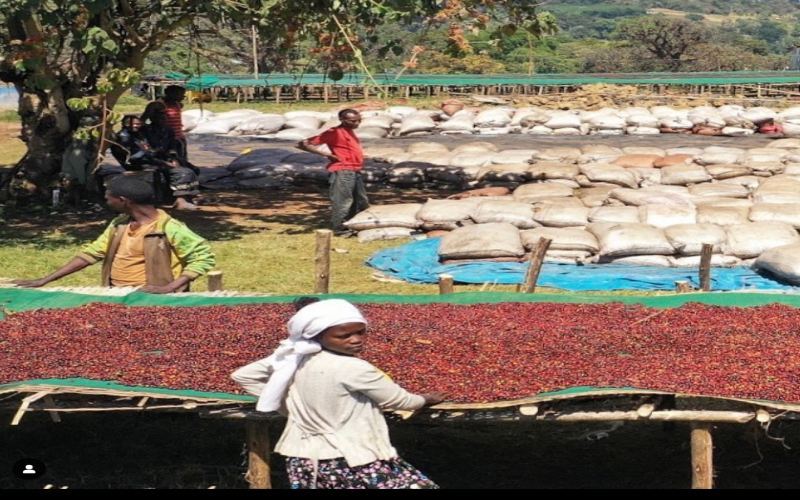
In Ethiopia, in addition to the widely known heirloom varieties, recent years have seen the emergence of varieties such as the 74 series, Wush Wush, and Dega. Among them, Wush Wush, with its cute name and unique flavor, though uncommon, always catches the eye of coffee enthusiasts. Today, Front Street Coffee will take you on an in-depth look at this variety: it originates from Wush Wush village in the Gimbo district of Ethiopia, and belongs to the heirloom coffee family along with Geisha. In the 1970s, to combat anthracnose, the Jimma Agricultural Research Center bred disease-resistant varieties, and Wush Wush was officially released in 2006. However, most of the Wush Wush on the market today comes from Colombia—what's the story behind this? Front Street recently acquired a natural Wush Wush from Birch Estate in the Huila region of Colombia, and this article will reveal its flavor and brewing suggestions. [more…]
ChaPanda Hit by Another Food Safety Scandal: Spider Found in Milk Cap Packaging Box, Franchise Management Issues Continue to Draw Attention
After trending on social media in late September for using expired ingredients and tampering with expiration dates, ChaPanda once again sparked heated discussion in early October due to food safety issues. A consumer in Ningbo claimed to have found a spider in a takeaway milk cap sub-packaging box. Although the store involved provided kitchen surveillance footage and was willing to pay 600 yuan in compensation, the incident continued to escalate. Netizens shared similar experiences one after another, once again pushing the quality control challenges under the franchise chain model into the spotlight. This article will review the course of the incident, statements from both sides, and public reaction, and explore the deeper issues of chain coffee and milk tea brands in employee training and quality assurance. Front Street Coffee has long followed industry developments and reminds consumers to pay attention to beverage safety. [more…]

Espresso Extraction Techniques | Why Does Homemade Espresso Have No Crema? Recommendations for High-Quality Espresso Beans with Thick Crema Just Like Coffee Shops
Espresso has always been one of the most popular coffee extraction methods, and it is also the first stop for most coffee beginners—perhaps because a cup of sweet, silky milk coffee is simply irresistible, or because the unique richness and refreshing quality of an Americano is addictive from the first sip, or because coffee specialty drinks are so stunning [more…]
Decoding the Aroma Compounds of Honey-Scented Black Tea: The Key Differences Between Green Leafhopper Feeding, Oriental Beauty Tea, and Darjeeling Black Tea
Where does the unique honey aroma of honey-scented tea actually come from? Since the 1990s, Japanese scholar Akio Kobayashi has gradually uncovered the secrets of the aroma compounds in Oriental Beauty tea and Darjeeling black tea, discovering that two substances—2,6-dimethyl-3,7-octadiene-2,6-diol and 3,7-dimethyl-1,5,7-octatriene-3-ol—are the core sources of the honey aroma. Even more astonishingly, after tea plants are fed on by green leafhoppers, they actually initiate an abnormal metabolism to produce special compounds, summoning natural enemies to defend themselves. This article will take you deep into the scientific discoveries about the aroma compounds of honey-scented tea, as well as the fundamental differences in aroma characteristics between Darjeeling black tea and Taiwan black tea. [more…]

Can a BRIKKA moka pot brew coffee that can be used for latte art? A practical analysis compared with espresso
BIALETTI's BRIKKA moka pot, with its unique pressure valve design, claims to be the only moka pot capable of producing crema. Many coffee enthusiasts wonder: can the coffee it brews actually be used for latte art? Compared with espresso extracted by an espresso machine, where does the latte art effect fall short? Front Street Coffee used the same classic espresso blend beans, extracted them separately with a moka pot and an espresso machine, and then performed latte art comparisons using the same milk foam and technique. This article fully records the six steps of brewing coffee with a moka pot, and analyzes the causes of the latte art differences between the two from the perspectives of pressure, oils, and viscosity, helping you judge whether a moka pot is worth using as a daily milk coffee solution. [more…]
The Complete Process of Making Fancy Coffee: From Grinding and Brewing to Milk Steaming and Latte Art Techniques
Fancy coffee is a leisure drink beloved by many, but its preparation process is not complicated. This article breaks down, step by step, the practical methods for making fancy coffee at home—from grinding coffee beans, brewing coffee, frothing milk, to pouring latte art and blending—and reminds you of easily overlooked details such as grinding temperature and the best time to drink it. It also recommends Front Street Blue Mountain coffee, which is suitable for making fancy coffee, as well as practical equipment such as hand-cranked coffee grinders, electric coffee grinders, French presses, siphon pots, milk frothing pitchers, and coffee cups, helping coffee lovers easily enjoy the pleasure of homemade fancy coffee. [more…]

The Complete Guide to the Bourbon Coffee Family: Detailed Explanation of Red Bourbon, Yellow Bourbon, Pink Bourbon, and the Rare Pointed Bourbon Variety
Bourbon coffee is a classic, long-standing variety within the Arabica species, equally renowned as Typica, and has given rise to multiple branches such as Red Bourbon, Yellow Bourbon, and Pink Bourbon. This article systematically reviews the origin, spread, variety characteristics, and flavor profiles of Bourbon coffee, covering the rich sweetness of Red Bourbon, the bright high acidity of Yellow Bourbon, the rare pink cherries of Pink Bourbon, and the nearly extinct Pointed Bourbon. It also introduces natural mutations such as Pacas and mentions Front Street Coffee's everyday bean recommendations, providing coffee enthusiasts with comprehensive variety knowledge. [more…]
Red Bourbon, Yellow Bourbon, and Pink Bourbon: A Comparative Analysis of the Origins, Differences, and Flavor Profiles of Three Major Bourbon Varieties
Bourbon is a long-standing and pivotal variety in the Arabica family. Based on the color of ripe fruit, it is mainly divided into Red Bourbon, Yellow Bourbon, and the rare Pink Bourbon. These three share genetic connections while each exhibiting unique characteristics in flavor and growing conditions. This article will systematically sort out the origins and differences of Red Bourbon, Yellow Bourbon, and Pink Bourbon, and include product information and flavor descriptions from Front Street Coffee for the corresponding Brazil Red Bourbon, Brazil Queen Estate Yellow Bourbon, and Colombia Paraiso Estate Pink Bourbon, helping coffee enthusiasts gain a clearer understanding of this classic variety family. [more…]
Bourbon Coffee Bean Flavor Analysis: Differences and Variety Comparison of Red Bourbon, Yellow Bourbon, and Pink Bourbon
Bourbon is a pivotal classic variety within the Arabica family, from which numerous variants such as Red Bourbon, Yellow Bourbon, and Pink Bourbon have derived, each exhibiting distinct differences in flavor and cultivation characteristics. This article focuses on the traits of Bourbon coffee beans, detailing the origins, flavor profiles, and representative producing regions of Red Bourbon, Yellow Bourbon, and Pink Bourbon, while also clarifying the relationships between Bourbon, Caturra, and Typica. The article also compiles specific information on three everyday beans available at Front Street Coffee: Brazil Red Bourbon, Brazil Queen Estate Yellow Bourbon, and Colombia Isabella Pink Bourbon, for coffee enthusiasts to compare and understand. [more…]