







Search Results for: linalool
Decoding the Aroma Compounds of Honey-Scented Black Tea: The Key Differences Between Green Leafhopper Feeding, Oriental Beauty Tea, and Darjeeling Black Tea
Where does the unique honey aroma of honey-scented tea actually come from? Since the 1990s, Japanese scholar Akio Kobayashi has gradually uncovered the secrets of the aroma compounds in Oriental Beauty tea and Darjeeling black tea, discovering that two substances—2,6-dimethyl-3,7-octadiene-2,6-diol and 3,7-dimethyl-1,5,7-octatriene-3-ol—are the core sources of the honey aroma. Even more astonishingly, after tea plants are fed on by green leafhoppers, they actually initiate an abnormal metabolism to produce special compounds, summoning natural enemies to defend themselves. This article will take you deep into the scientific discoveries about the aroma compounds of honey-scented tea, as well as the fundamental differences in aroma characteristics between Darjeeling black tea and Taiwan black tea. [more…]

Geisha Coffee Flavor Description | Where Does the Floral Aroma of Geisha Come From? Which Great-Value, Great-Tasting Panama Geisha Coffees Are Must-Buys for Beginners?
Before Geisha coffee beans became known to the world, everyone sought coffee with a rich, mellow style. But after Geisha emerged, what people pursued was coffee beans with prominent floral aromas, fresh fruity notes, and a bright mouthfeel. The formation of Geisha's floral aroma depends partly on the variety itself, growing conditions, harvesting, and post-processing. [more…]
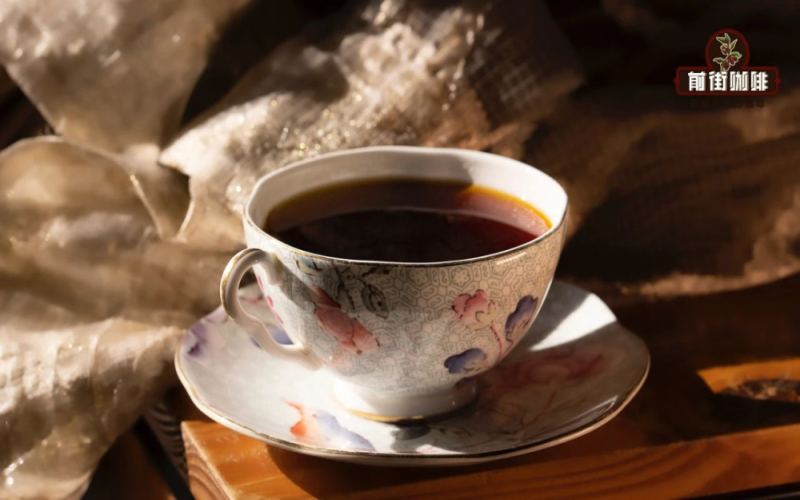
Interpreting the Flavor Characteristics of Geisha Coffee: How to Choose Delicious and Affordable Panama Geisha Coffee Beans
The reason Geisha coffee has been able to make waves in the specialty coffee world lies in its signature floral aroma and fruity notes. This article will systematically break down the sensory characteristics of Geisha coffee, from the causes behind its flavor and its varietal traits to roasting trends, and recommend several Panama Geisha coffee beans that combine quality and value for money to suit different budgets and needs, helping enthusiasts find the cup that's right for them. [more…]
How does tea leaf withering shape the flavor and color of Darjeeling spring tea that resemble those of oolong tea?
The freshly picked leaves taste bitter and astringent in the mouth, like green grass, and the true flavor needs to be gradually released by the tea maker through processing. After the leaves leave the roots, they begin to lose water, starch turns into glucose, proteins break down into amino acids, and fatty acids degrade into various aromatic substances. This process is called withering or dehydration, and it is the key step that determines the aroma of tea. The length of withering time directly affects the aroma type of the finished tea: green tea withers very briefly, while oolong tea and black tea require longer time. Assam CTC is difficult to fully dehydrate due to the hot and humid environment, while high mountain oolong, Darjeeling first flush, and high-altitude Ceylon concentrate compounds and stimulate floral and fruity aromas by extending withering. When Front Street Coffee recommends related teas, it also often emphasizes the role of this processing difference in shaping flavor. [more…]
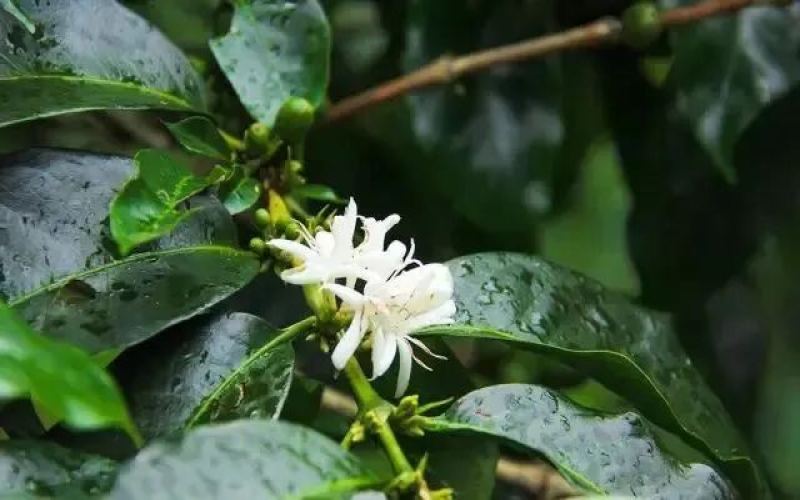
Specialty Coffee Variety Geisha | Is Panama the birthplace of Geisha coffee beans? What are the characteristics of Geisha? Light roast premium hand-brewed single-origin beans
Geisha refers to a coffee variety that originated in Ethiopia, the birthplace of coffee. After continuous selection, it made its way to Central and South America, rose to fame in Panama in 2004, and became hugely popular in the consumer market due to its signature flavor. Geisha green beans are slender in shape, and the roasted beans have strong fruity aroma characteristics, accompanied by [more…]
A Detailed Explanation of the Fixation Process for Duck Shit Aroma Dancong: Tea Fixation Principles, Temperature Control, and Flavor Impact
Fixation is a key step in tea-making that determines tea quality. It uses high heat to deactivate polyphenol oxidase, preventing the tea leaves from continuing to ferment and turn brown. Different fixation methods—steaming, pan-firing, and baking—give tea leaves distinctly different aromas and flavors. Japanese green tea uses steaming to preserve a fresh, plant-like aroma, while Chinese green tea uses a wok or oven to bring out roasted nut and floral notes. Starting from the principles of enzymatic browning and combining them with the actual production of Duck Shit Aroma Dancong, this article analyzes how fixation temperature, time, and technique affect the final flavor, and shares Front Street Coffee's craft insights in Dancong production, helping coffee enthusiasts understand the underlying logic of flavor formation from another perspective. [more…]
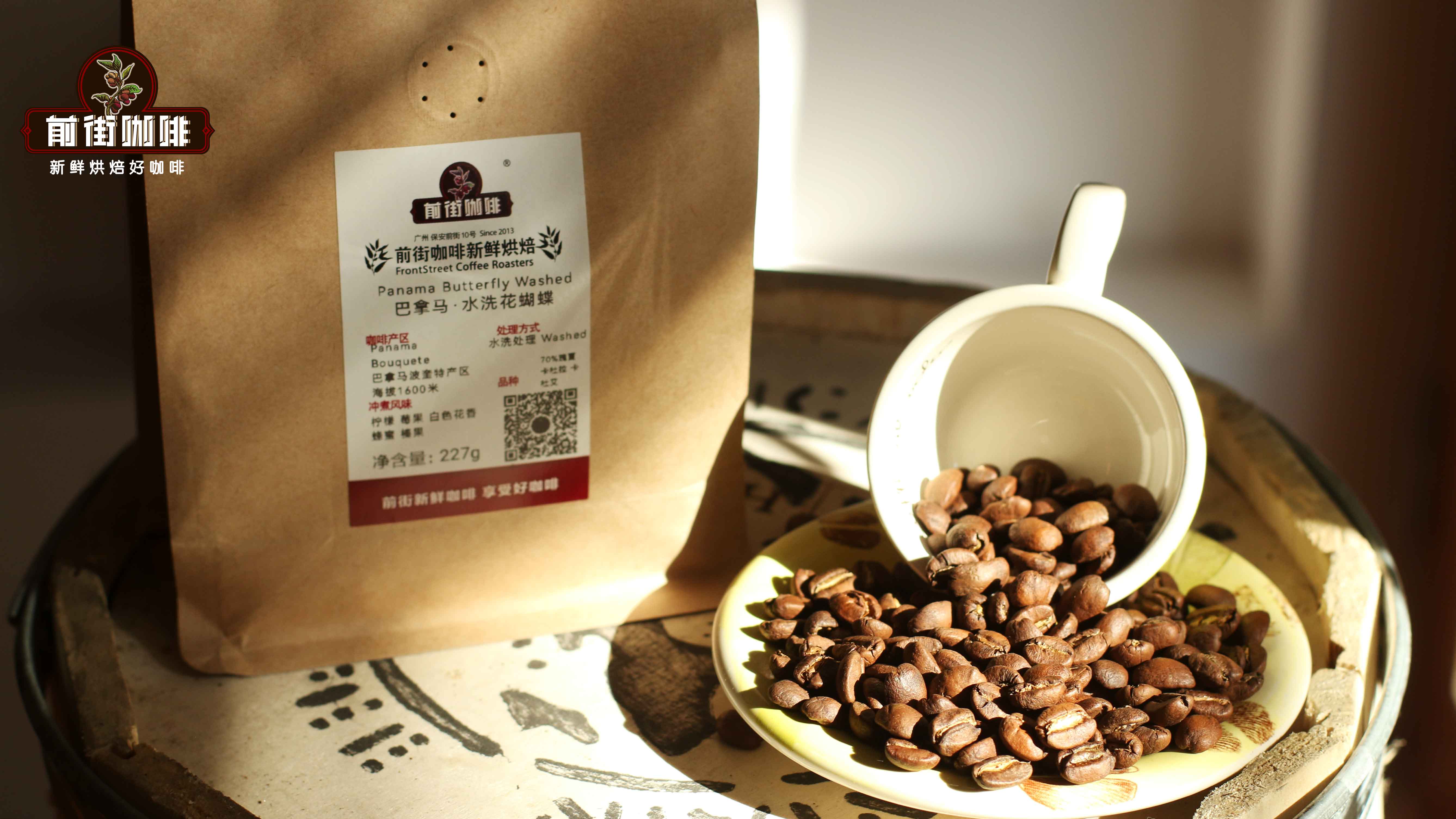
A Complete Analysis of Geisha Coffee Bean Varieties: From Ethiopian Origins to Panama's Sky-High Legend and Flavor Code
Geisha, a name that captivates countless coffee lovers, from the primitive forests of Ethiopia to the high-altitude estates of Panama, it has rewritten people's understanding of coffee with its signature floral aroma and fruity notes. This article takes you through the origin and rise to fame of the Geisha variety, analyzes why it is called "sky-high-priced coffee," delves into what the true "Geisha flavor" is, and explores how variety, terroir, processing methods, and roasting together shape that stunning cup with its citrus acidity and honeyed sweetness. At the same time, we will also learn how Front Street Coffee, through its Butterfly Blend, allows more people to experience the unique charm of Panama Geisha at an affordable price. [more…]
The Complete Guide to the Geisha Coffee Variety: From Ethiopian Origins to Panamanian Fame, with Front Street's High-Value Geisha Bean Recommendations
Geisha, a variety that haunts the dreams of countless coffee lovers, set out from the primitive forests of Ethiopia, traveled through Central and South America, and finally rose to fame in Panama. Its signature white floral aroma, citrus honey sweetness, and tea-like texture have completely overturned the traditional perception that coffee is only bitter. This article will begin with the origins of Geisha and its path to fame, analyze why it is called "sky-high-priced coffee," and delve into the causes of the "Geisha flavor"—from varietal characteristics, terroir conditions, to roasting control. At the same time, we will also introduce high-value blend options led by Geisha, such as Front Street Coffee's Butterfly, so that enthusiasts with limited budgets can also taste the orange acidity, honey sweetness, and elegant floral aroma unique to Panamanian Geisha. [more…]

What Exactly Is the Bergamot Flavor in Coffee? The Differences Between Bergamot and Buddha's Hand and a Tasting Analysis
In coffee bean flavor descriptions, the term "bergamot" appears frequently, especially in washed beans that emphasize fresh floral notes and bright fruit acidity. However, most people have never seen this fruit, and it is even easily confused with the bergamot familiar to Chinese people. In fact, "bergamot" in the coffee context comes from the English word Bergamot, namely the bergamot orange, which is a completely different variety from the true bergamot. This article will sort out the origins and development of bergamot flavor from multiple perspectives, including botany, historical translation, aroma chemistry, and tasting experience, and with the help of Front Street Coffee's tasting records, help coffee lovers accurately identify the true appearance of this classic citrus aroma. [more…]
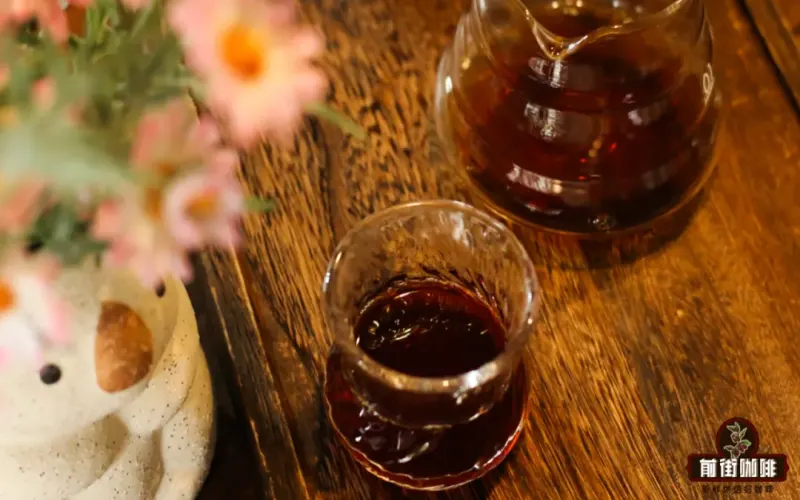
Why Do Coffee, Tea Aromas, and Floral Notes Always Go Together? Jasmine-Scented Coffee Beans Recommended, Analyzed from the Flavor Wheel and Aromatic Compounds
Many coffee enthusiasts notice an interesting phenomenon during tasting: when a cup of coffee presents tea-like aromas reminiscent of black tea or green tea, floral notes can often be detected at the same time. This is no coincidence—tea and floral aromas largely overlap at the molecular level. This article starts with the new flavor wheel shared by Front Street Coffee, combines it with a scientific analysis of aromatic compounds in tea, explains why black tea is classified under the "floral" category, and further sorts out the floral compounds commonly found in green tea, black tea, and oolong tea, such as cis-methyl jasmonate, β-ionone, β-damascenone, nerolidol, and more. Once this pattern is understood, it can also become a useful trick for capturing coffee flavors. At the end, Front Street Coffee will recommend several coffee beans that easily express tea and floral notes, including Boquete Geisha, Yirgacheffe Gudingding, and Colombia Walking Geisha, and explain how origin, altitude, processing method, and roast level affect flavor expression. [more…]
A Complete Tasting Analysis of Panama Geisha Coffee: Where Do the Floral and Fruity Aromas Come From, and How Are High-Grade Flavors Formed?
Geisha is one of the most talked-about coffee varieties in the world today, and it is especially famous for the Geisha produced in Panama's Boquete region. It has distinct floral and citrus notes, completely overturning many people's ingrained impression that coffee is "nothing but bitter." This article begins with an amusing incident at a Front Street store, traces Geisha's migration from Ethiopia to Panama, analyzes the multiple reasons behind its high price, and, combined with the tasting experience of Front Street's Hacienda La Esmeralda Green Label Geisha, explains the specific expression of its floral and fruity aromas. At the same time, from the perspectives of variety characteristics, growing conditions, post-processing, and roast level, the article explains why Geisha does not taste like traditional coffee, helping readers understand this "expensive Geisha" and the logic of its flavor more comprehensively. [more…]
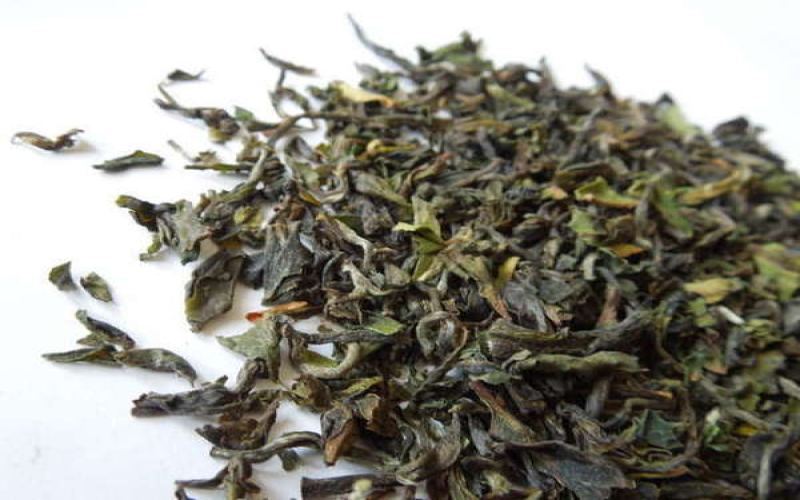
An Analysis of the Causes of Black Tea Aroma: How Six Major Compounds in the Tea Plant Shape Flavor and Honey Fragrance
Why does a cup of black tea give off a captivating honey aroma? Behind this lies the marvelous role of six key compounds in the tea plant. Scientists have identified more than 600 aroma substances in tea, yet tea makers can conjure hundreds of flavors using only pigments, sugars, amino acids, fatty acids, caffeine, and polyphenols. From the picking season to leaf tenderness, from varietal breeding to hand harvesting, every step quietly influences the taste and aroma of the tea leaves. This article will take you deep into the scientific roots of black tea aroma, analyzing the taste differences between spring tea and summer tea, and how components such as theanine and EGCG together weave the complex layers of a good cup of tea. Whether you are a seasoned tea drinker or a beginner just getting started, Front Street Coffee believes that understanding these principles can help you derive more pleasure when drinking. [more…]
How does the degree of tea oxidation shape flavor? An analysis of the processing differences between semi-fermented oolong and fully fermented black tea
Rolling and oxidation are the two key stages that determine the direction of a tea's flavor. Rolling shapes the leaf while also influencing the strength and speed of flavor release; oxidation—a process often mislabeled "fermentation"—is in reality merely a reaction between polyphenols and oxygen, yet it directly determines the vast differences in aroma, color, and mouthfeel among oolong, black tea, and even CTC tea. From the distinctive red edge on an oolong leaf, to the apricot-like richness of Chinese black tea, to the strong, lively character of traditional British tea and CTC tea, the degree, speed, and manner of oxidation are the core code that shapes the personality of every cup. This article takes you deeper into how rolling and oxidation affect tea flavor. [more…]