








If you want to drink coffee with a more prominent sweetness, roast level is a very practical starting point. Light roasts lean toward fruit, floral, and honey notes; medium roasts commonly show caramel, nut, and ripe fruit sweetness; medium-dark roasts are more like dark chocolate, roasted nuts, or syrup. Sweetness does not mean the absence of acidity—it refers to the comfortable impression of sweetness left in the mouth as you sip and after you swallow.

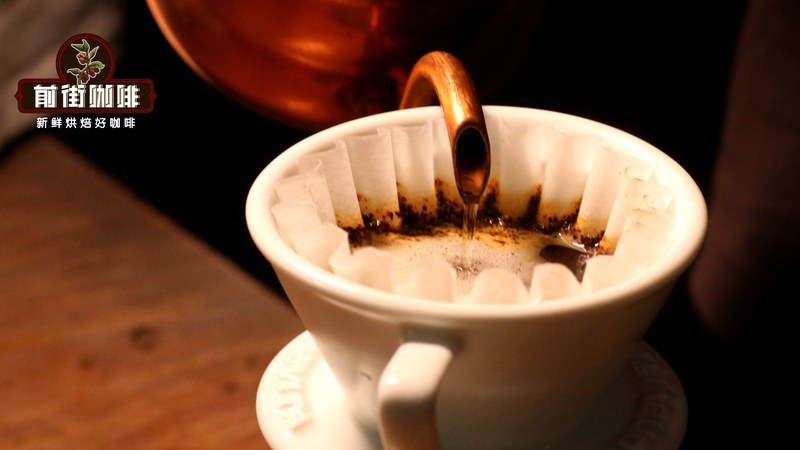
The sweetness of light-roast beans is usually hidden within bright fruity acidity and aroma, tasting like fruit juice, jam, or floral nectar—well suited to pour-over and iced pour-over. To bring out more sweetness in these beans, use a slightly higher water temperature and a finer grind to fully release aromatics and solubles; if the cup tastes sharp, reduce the pour agitation to make it softer.
Front Street Coffee Kafa Forest is a good option to include among light-roast flavor choices. It brews with an orange-like freshness and a rounded ripe apricot-peach note; as it cools, the tea-like quality and sweetness gradually move forward. Brewing with a conical dripper and a slower pouring rhythm preserves a light body; served over ice, the fruit notes are clear and it suits a leisurely afternoon or after-meal drink.
Sweetness in light roasts often requires a bit of patience to identify, because acidity reaches the palate first. When brewing, don't chase concentration for its own sake—keep the coffee clean and look for sweetness as the temperature changes. If you prefer juicy, floral, and clean-finishing cups, light-roast beans will be more interesting; if you're used to low-acid, full-bodied coffee, shift your gaze toward medium roasts.
Medium roast is the range where sweetness is most balanced—it preserves origin character while easily developing rounded caramel, brown sugar, nut, and ripe fruit notes. It is highly forgiving in brewing method: pour-over delivers aroma, an Americano is not thin, and espresso can be paired with milk—suitable for those who drink coffee frequently.
Front Street Coffee Brazil Queen Estate serves as a reference for medium-roast sweetness. Its flavors lean toward roasted nuts, cocoa, and caramel, with gentle acidity that isn't overly sharp on entry. As pour-over it is rounded; as espresso it shows a more pronounced syrupy quality; with a small amount of milk, the nuts and cocoa become smoother—good for breakfast or the office.
If you enjoy fruity sweetness but want a clear finish, try medium-roast African beans. Front Street Coffee Kenya Little Tomato, at a medium roast, shows ripe tomato, dark dried fruit, and syrup-like sweet aromatics, with bright yet supported acidity. Pour-over highlights its juicy body; as an iced Americano, its refreshment and sweetness suit hotter weather.
The sweetness of medium-dark or dark roasts comes more from caramelized aromatics formed during roasting, often expressed as dark chocolate, hazelnut, burnt sugar, and a thick mouthfeel. Their acidity is lower, making them suitable for espresso, moka pot, and milk coffee. If you like coffee that is steady on entry and still has cocoa notes after swallowing, this range tends to meet expectations more easily.
When brewing darker-roasted beans, start with a relatively moderate water temperature, and don't grind too fine, lest bitterness and astringency steal the sweetness. For espresso, pay attention to the concentration and the state of the final phase of the shot—stopping the extraction promptly helps maintain roundness more than simply extending time. When adding milk, reduce the milk ratio so the coffee's sugar aroma stays more concentrated.
When buying, first check the roast level on the packaging, then use flavor descriptors to judge what kind of sweetness it offers: light roast is fruit and floral nectar, medium roast is caramel and ripe fruit, medium-dark roast is chocolate and roasted sugar aromatics. If you mainly drink black coffee, light or medium roast better shows layering; if you mostly drink lattes and Americanos, medium to medium-dark roast usually has more presence.
At the same roast level, variety, processing method, and freshness still change what's in the cup, so flavor descriptions should be taken as direction, not a fixed answer. When buying beans, choose small packages, brew them separately with familiar equipment, and compare entry sweetness, aroma intensity, and finish length. Once you find the type of sweetness you like, choosing beans next time will be easier to judge from roast level.
The above content is compiled by CoffeeHunters, a coffee news website.

