







What Is Coffee Made Of and Why Re-Brewing Fails
A drip bag gives up most of its soluble material in the first brew, so a second pass yields a weak, flat cup. The reason comes down to what is coffee made of: roasted grounds hold limited sugars, acids, and aromatic compounds, and hot water pulls the easy ones out first. Chlorogenic acid and other solubles release quickly, then the extraction curve flattens.
Coffee also differs from tea leaves, which can be steeped repeatedly because they hold more extractable material and release it slowly. Coffee's acid of coffee compounds, including chlorogenic acid, dissolve early and then mostly stay behind as spent grounds. Re-brewing after a normal drip bag session mainly rinses paper and adds bitterness, not flavor.
Drip bag coffee, with its convenience and high cost-effectiveness, is attracting more and more people with no coffee-making experience to try it. Front Street's Fruit Ding Ding, Huakui, and Yirgacheffe are suitable for friends who prefer floral and acidic notes, while Mandheling, Huilan, and Blue Mountain are better suited to those who pursue a mellow taste. However, beginners often encounter various questions in actual operation, and one frequently mentioned topic is: how many times can a single drip bag actually be brewed? This article will focus on the release patterns of coffee solubles, explain the role chlorogenic acid plays in extraction, clarify why coffee cannot be repeatedly brewed like tea, and explain why re-extraction is not recommended after regular brewing, helping enthusiasts build a clearer understanding of extraction.
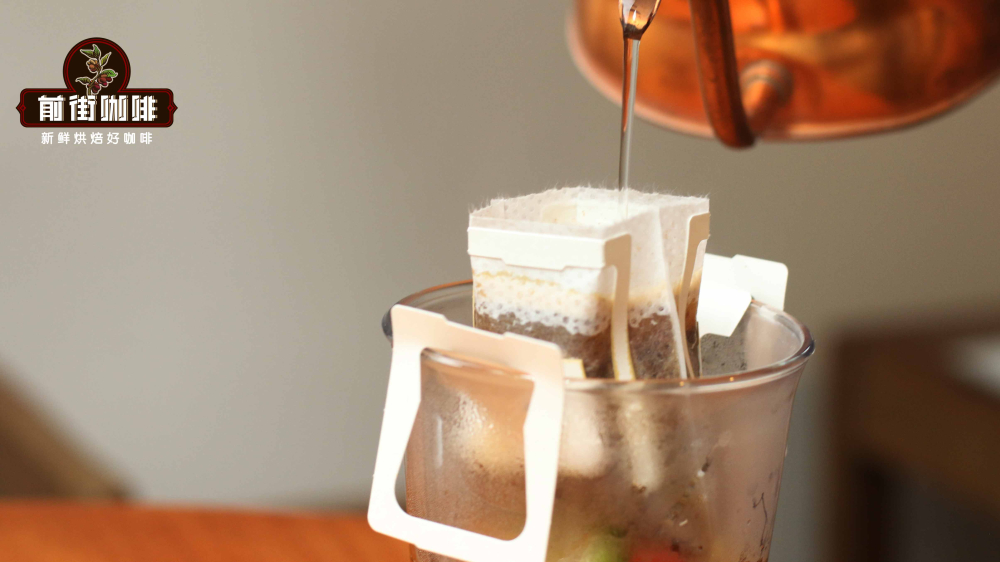
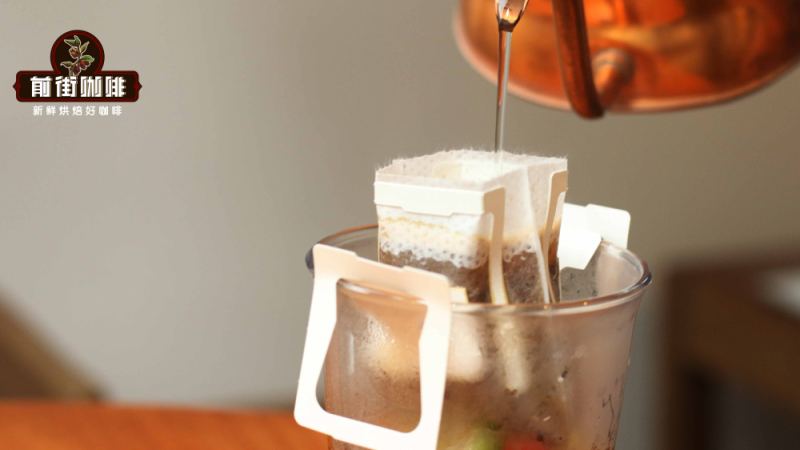
Today, more and more consumers are choosing drip bag coffee. On one hand, it is convenient to carry and simple to use; on the other hand, it can present a decent cup of coffee, and the cost per drip bag is far lower than buying a freshly made cup in a shop. This makes many people who have never made coffee themselves eager to try.
There is quite a rich variety of drip bags, and the barista's advice is: choosing according to personal taste is the most suitable approach. Friends who prefer floral notes and can accept acidity can try Front Street Fruit Ding Ding Drip Bag, Front Street Huakui Drip Bag, and Front Street Yirgacheffe Drip Bag; if you do not like acidity and want a mellow taste, Front Street Mandheling Drip Bag, Front Street Huilan Drip Bag, and Front Street Blue Mountain Drip Bag will be priority options.
However, precisely because many friends have never had any prior exposure to coffee making, it is inevitable that they will encounter various confusions during operation, such as how to brew a drip bag, why the brewed coffee tastes weak, how long drip bags can be stored, and so on...
Front Street has written about these questions one after another in the past, so we will not repeat them here. What we are discussing this time is another frequently asked topic: how many times can one drip bag of coffee actually be brewed?
How many times can drip bag coffee actually be brewed?
Theoretically speaking, as long as you are willing, drip bag coffee can actually be brewed a great many times—as many times as you want, as many rounds as you like. The reason is that coffee's flavor mainly comes from the soluble substances in the coffee beans, and the total amount of solubles in a coffee bean accounts for about 30%. In other words, as long as that 30% has not all dissolved out, you can keep brewing coffee that still has flavor.
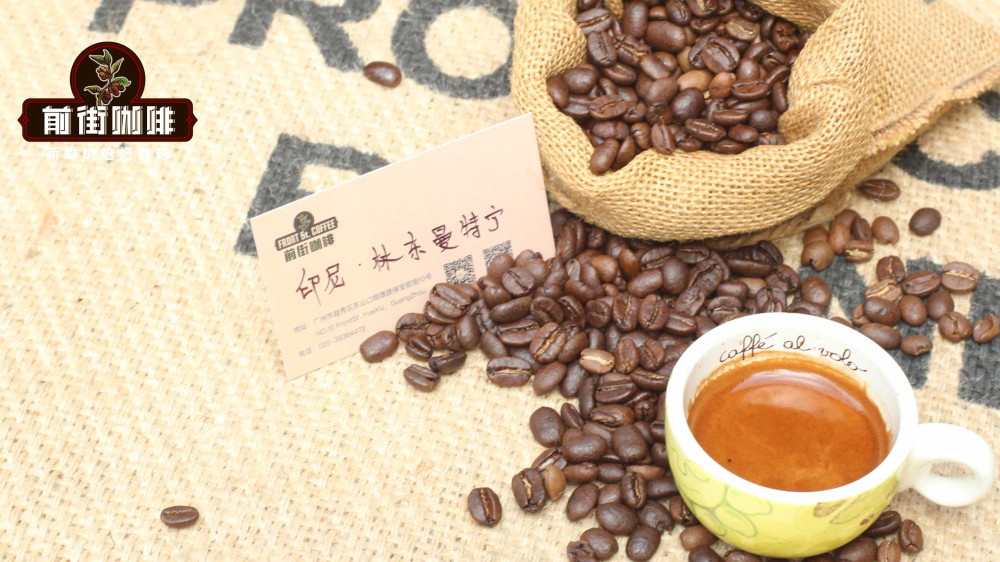
But in practical terms, whether it is a drip bag or other coffee brewing methods, coffee is usually extracted only once. Why is that? Because coffee is different from tea: nearly half of the solubles in coffee are chlorogenic acid.
Chlorogenic acid is a natural polyphenolic compound, and much of the acidity, bitterness, and astringency in coffee is provided by it. As the roast level deepens, chlorogenic acid gradually decomposes and transforms into other substances—the lighter the roast, the more chlorogenic acid remains; the darker the roast, the less chlorogenic acid remains.
However, whether it is chlorogenic acid itself or its derivatives, their taste thresholds are quite low, so as long as they are present, we can perceive them very easily. At the same time, chlorogenic acid is a small-molecule compound and dissolves relatively quickly during extraction.
Therefore, if you plan to brew once and drink once like making tea, then this cup of coffee will become difficult to drink in the very first stage because of the large amount of chlorogenic acid present—unless, of course, you are brewing dark-roasted beans. Otherwise, the coffee will taste bitter, astringent, and slightly sour, which is what we usually call under-extraction.
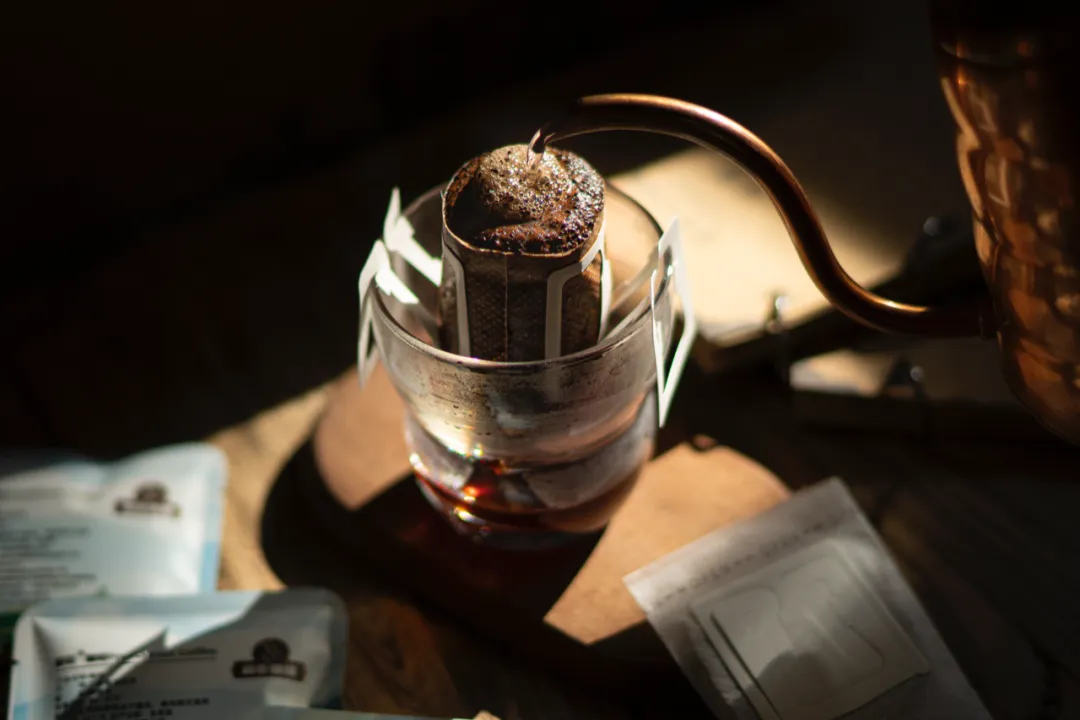
If you do not want to drink this kind of coffee (there is no mandatory requirement; if you like this taste, it is perfectly fine), then you need to dissolve the other substances in the coffee as well, using their flavors to mask the influence of chlorogenic acid.
Generally, we extract about two-thirds of the total soluble substances. This is not only because this ratio allows the coffee to show good flavor performance, but also because the remaining part is mostly bitter, astringent, and unpleasant substances. Therefore, we need to end extraction in time before these substances dissolve out.
Based on the above, everyone should be able to understand why coffee is not suitable for repeated brewing. The core reason is that each cup obtained from multiple brews is not good enough to drink. After completing regular brewing, secondary extraction of the coffee is likewise not recommended, because after you have dissolved out the substances you need, what remains is basically full of off-flavors and unpleasant components. As a very incisive comment in a previous Front Street article said: no one chews sugarcane twice.
The above content is compiled by CoffeeHunters, a coffee news website.


