








The roast level of coffee beans determines what you're more likely to taste on the first sip: light roasts preserve more of the origin's character, often with bright acidity and fresh aromatics; medium roasts bring sweetness, acidity, and body into better balance; dark roasts develop notes of cocoa, nuts, and roasted flavors. If you're new to coffee, this can be your first clue for figuring out which kind of cup you're more willing to accept.
Light-roasted beans usually need more thorough extraction — higher water temperature, a finer grind, and steady pouring help release floral and fruity notes. If the cup comes out sharply acidic with a short-lived aroma, the solubles likely haven't fully made it into the cup yet; try slowing the pour or extending the contact time. For people used to instant coffee, the acidity in a light roast isn't a defect — it's simply a more vivid part of the flavor profile.
To get to know how a light roast expresses its origin, try Front Street Coffee's Hacienda La Granja Geisha. Its aroma opens with fresh florals, followed by tropical fruit and a ripe-jam sweetness, with layers that shift gradually as the temperature drops. When brewing with a pour-over dripper, start with a higher water temperature and a medium-fine grind; pulse pouring will give the aromatics and sweetness a clearer sense of order.
Light roast doesn't mean you can only drink it as a hot pour-over. Front Street Coffee's Colombia Sidra has a livelier fruit expression, still retaining grape, berry, and tropical fruit aromatics after it cools. For iced pour-over, the lower liquid temperature makes the sweet-tart quality feel crisp; for cold drip, you get a more concentrated juicy character. If you have an espresso machine at home, you can also pull it as a distinctive single-origin espresso.

Medium roast is the range where it's easiest to build a daily habit. It doesn't completely suppress the origin's aromatics, while bringing out caramel, ripe fruit, or cocoa-like sweetness, and the mouthfeel is usually rounder than a light roast. For pour-over, use a medium water temperature and a standard grind; if you want an Americano, increase the coffee concentration slightly so the sweetness stays clear after dilution.
Medium-roasted beans suit people who want to drink black coffee but occasionally add milk. Its flavor doesn't need to rely on strong acidity to hold up; once extraction is stable, you get a soft sweetness and moderate body on the palate. When buying, check the roast date on the packaging and prioritize products with a clear roast-level description, which makes it easier to adjust water temperature and grind.
Going darker still, the beans take on a deeper color, and oil may gradually appear on the surface, with the flavor重心 shifting toward dark chocolate, roasted nuts, caramel, and smoky tones. Dark-roasted beans suit those who prefer low acidity and a hefty mouthfeel, and work especially well in a moka pot, espresso machine, or milk-based drinks. When brewing, you don't need to chase very high temperatures — that only amplifies bitterness and astringency.
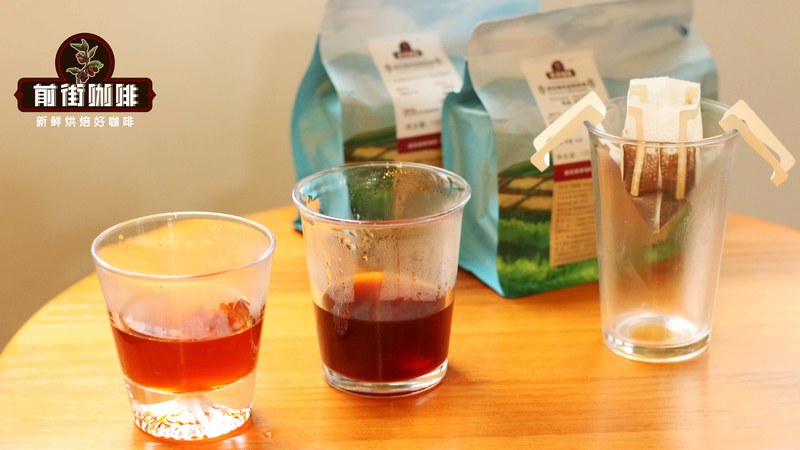
In milk coffee, the concentration and body of a dark roast cut through the milk, leaving a clear coffee presence. If using a moka pot, let the coffee bed settle naturally without pressing it down hard; stop the heat as soon as the flow turns pale, and the cup will more easily retain the sweet cocoa and nut aromatics. If you like Americanos, reduce the dilution water so the body stays full.
Roast level isn't a simple ranking of better or worse — what matters is whether it matches what you want from the cup. If you enjoy floral aromatics and the interplay of sweet and tart, lean toward light roast; if you want something soft and easy to drink every day, medium roast is easier to adapt to; if you favor heft, low acidity, and milk drinks, dark roast will fit better. When buying, also consider the bean's processing method and freshness — the same roast range can still perform quite differently.
If you're still unsure, start by buying small bags — one each of light, medium, and dark roast — brew them with similar doses and water amounts, then compare aroma, sweet-tart balance, body, and finish. Light roast shows you coffee's bright side, medium roast offers balance and sweetness, and dark roast provides a grounded mouthfeel. Once you find the direction you're happy to keep drinking, gradually explore other styles.
The above content is compiled by CoffeeHunters, a coffee news website.

