







Search Results for: Soft Bean
What Exactly Is the Difference Between Hard Beans and Soft Beans? A Full Breakdown of Altitude Grading Logic and Coffee Classification
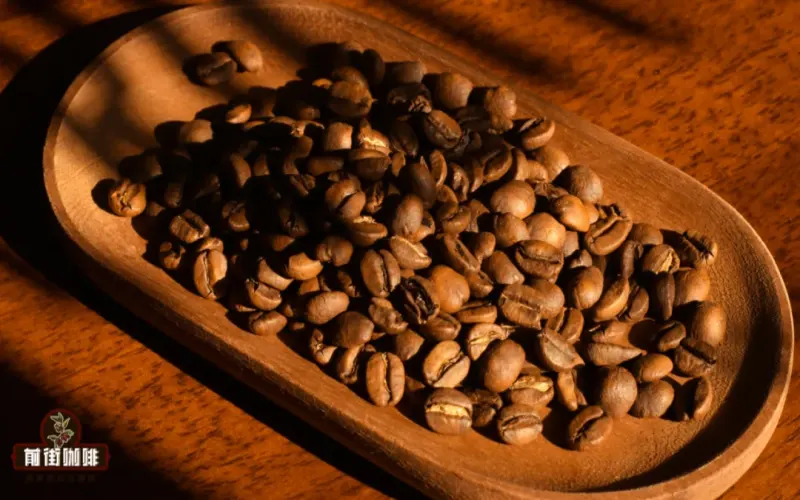
Baristas often mention hard beans and soft beans, but these two terms actually do not refer to whether the beans feel hard or soft to the touch—they refer to the density of the coffee beans. The concept of hard beans comes from the Central American coffee grading system, which uses altitude as the standard—the higher the altitude, the lower the growing temperature, the slower the coffee fruit matures, the more flavor compounds it accumulates, and the greater the bean density becomes. Panama, Costa Rica, Guatemala, and other countries generally adopt this logic, while Ethiopia, because its overall altitude is high, is almost entirely made up of extremely hard beans and does not need further subdivision by altitude. Of course, although high-density beans are delicious, they also bring more challenges during grinding and brewing. [more…]
Mildly Acidic Yirgacheffe Recommendations: Balancing Budget and Drinking Frequency
A Yirgacheffe with soft acidity is suitable for gradually building judgment from taste experience. When buying beans for daily use, you need to consider how quickly you drink them, how much to buy at once, and whether you mainly make black coffee or milk coffee at home. The flavor words on the packaging can provide clues, but they cannot replace the actual drinking experience—whether the acidity is soft, whether the sweetness persists, and the mouthfeel [more…]
Brazilian Coffee Beans: A Complete Analysis from Grading to Processing Methods — Flavor Differences and Blending Logic in Espresso Blends with Colombia
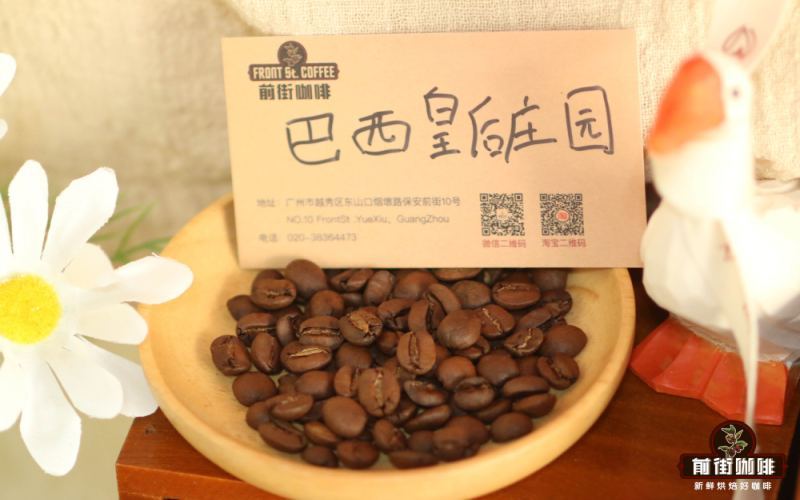
Brazil, as the world's largest coffee producer, is known for coffee beans that are low in acidity, with nutty and chocolatey notes and a balanced, full body, yet they are mostly used in blends rather than as single-origin coffee. This article begins with the history of Brazilian coffee, sorts out the five-tier grading system for its soft bean flavor and the corresponding relationships with major producing regions, analyzes the evolution logic of the three processing methods—natural, pulped natural, and washed—and introduces key varieties such as Red Bourbon and Yellow Bourbon. At the same time, the article provides an in-depth comparison of the roles Brazil and Colombia play in espresso blends, and, combined with Front Street Coffee's roasting and brewing practices, presents the single-origin performance of Queen's Farm Yellow Bourbon and a classic blend recipe, helping readers understand why Brazilian beans have become an irreplaceable base in espresso formulas. [more…]
Exploring Brazil's Cerrado Coffee Region: Flavor and Processing Methods from Wild Frontier to Synonym for Specialty Coffee
Brazil is the world's largest coffee producer, and the Cerrado region in the state of Minas Gerais is one of its most representative sources of specialty coffee. This plateau, once known as "savage land," is now famous for its nutty, chocolatey flavors and semi-washed processing method. The Brazil Cerrado Red Bourbon in the Front Street Coffee daily staple bean series is a perfect expression of this region's rich and smooth style. This article will walk you through Cerrado's geographical conditions, organic farm ecology, Brazil's soft bean grading system, and the brewing parameters and flavor profile recommended by Front Street Coffee. [more…]

A Complete Guide to the Classification of Hard Beans, Soft Beans, Flat Beans, and Round Beans: Flavor Characteristics of High-Grade Panamanian Coffee
Beyond varietal differences, coffee beans have multiple classification dimensions, which gives rise to many alternative names. This article begins with the appearance-based classification of flat beans and round beans, and focuses on answering the question coffee enthusiasts often ask: what exactly does "hard bean" mean? It originates from a grading system in Central American growing regions that classifies bean hardness by cultivation altitude—the higher the altitude, the greater the density and the higher the grade. The article also shares how to judge bean hardness by feel, the roasting and brewing strategies corresponding to coffee beans of different hardness, and uses actual brewing parameters as examples to illustrate the differences in extraction between high-hardness light-roasted beans and low-hardness dark-roasted beans, helping readers find a suitable brewing approach. [more…]
Tanzanian Kilimanjaro Coffee: A Washed Process Analysis of Woody Aroma and Soft, Balanced Flavor
Tanzanian Kilimanjaro coffee is often compared with Kenyan beans; the two have a similar flavor profile, but Tanzanian coffee is generally smoother and softer, standing out for its balance. This article focuses on Front Street Coffee's Tanzanian Kilimanjaro washed beans, outlining the terroir of its producing region, its grading system, the washed processing flow, and the flavor differences under two brewing methods: pour-over and siphon. The high altitude and volcanic soil at the foot of Mount Kilimanjaro provide superior growing conditions for Bourbon coffee. After medium roasting, this bean shows medium-low acidity and sweetness, a dark chocolate finish, and woody aroma, making it more suitable for people who are just getting into coffee. [more…]
A Complete Guide to Brazil Cerrado Coffee: Flavor Analysis, Red Bourbon Roasting, and Brewing Log
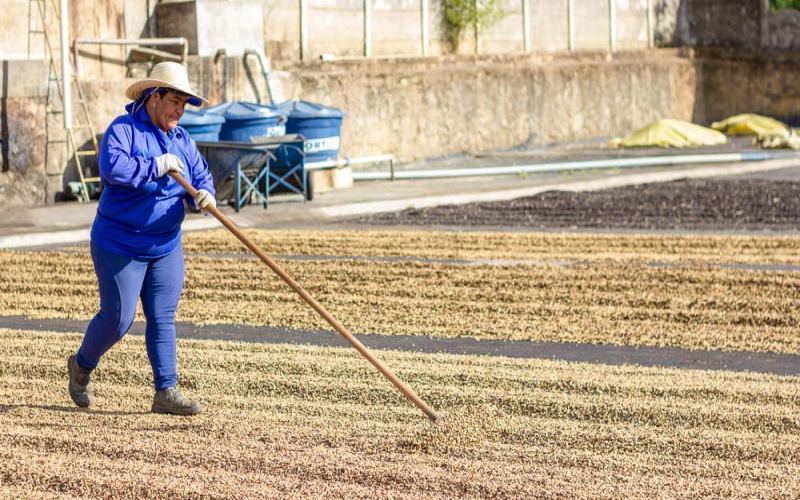
Brazil, as the world's largest coffee producer, has fluctuations in any of its regions that ripple through the international coffee market. Among the many producing regions, the Cerrado in the central-west of Minas state, with its fertile soil and distinct wet and dry seasons, nurtures the "soft bean" flavor profile known for low acidity, nutty and chocolate sweetness, and full-bodied balance. The Brazil Cerrado Red Bourbon from Front Street Coffee's daily drinker series is a classic representation of this style—interweaving roasted nuts, chocolate, cream, and caramel, it suits those who dislike acidity and prefer a rounded mouthfeel. This article will systematically cover the terroir conditions of the Cerrado region, Brazil's coffee taste classification and main producing regions, and provide a complete record of Front Street Coffee's medium roast profile for this Red Bourbon, along with the Kono dripper segmented brewing method. Finally, it will explain in detail the process differences among Brazil's four processing methods—natural dry process, pulped, semi-washed, and washed—helping coffee enthusiasts fully understand the flavor logic of Brazilian coffee from origin to cup. [more…]
Recommended delicious Brazilian coffee beans: balancing budget and drinking frequency
When choosing a tasty Brazilian coffee bean, you can set the complex information aside for now. For everyday bean buying, you need to consider how quickly you'll drink it, how much to buy at once, and whether you'll mainly make black coffee or milk coffee at home. Starting from these two pairs of differences—light or full-bodied, black coffee or milk coffee—and then looking at the roast date and processing method, your judgment will be more in tune with daily life. [more…]
A Detailed Guide to Brazilian Coffee Flavor Characteristics and the Variety and Grading System of the Cerrado Region
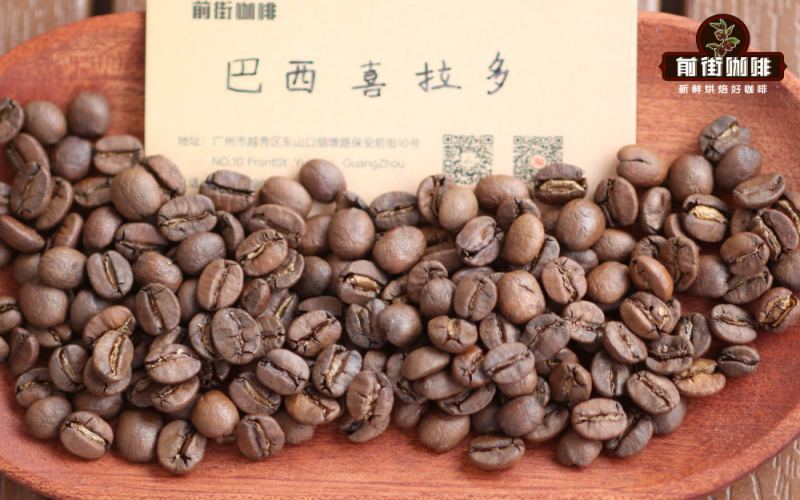
As the world's largest coffee producer, Brazil is known for coffees with low acidity, a full body, and nutty-chocolate notes. This article systematically examines the flavor origins of Brazilian coffee beans—from the characteristics of low-altitude soft beans to their widespread use in espresso blends—offering an in-depth introduction to the ecological conditions of the Cerrado region and its origin certification system, analyzing the distinguishing features of key varieties such as Bourbon, Mundo Novo, and Catuai, and explaining in detail the technological innovations of the semi-washed (pulped natural) processing method as well as Brazil's unique green bean grading system (defect rate, screen size, cup profile, and flavor grade). At the same time, drawing on Front Street Coffee's approach to bean selection and pour-over practice, it provides coffee enthusiasts with a complete reference from understanding the growing region to brewing parameters. [more…]
Brazil Cerrado Red Bourbon Coffee Bean Brewing Guide: A Full Analysis of Flavor Characteristics, Roast Profile, and Pour-Over Parameters
Brazil, as the world's largest coffee producer, is renowned for the premium quality of its Cerrado region in the central-west of Minas Gerais. Among Front Street Coffee's everyday beans lineup, the Brazil Cerrado Red Bourbon, with its classic flavors of roasted nuts, chocolate, cream, and caramel, has become an ideal choice for those who dislike acidity. This article provides a complete overview of the Cerrado region's terroir, the soft bean flavor grading system, and the characteristics of coffee-growing regions across various states, along with a detailed record of Front Street Coffee's roasting curve and Kono dripper pour-over recipe. It also introduces Brazil's four mainstream green bean processing methods, offering coffee enthusiasts a systematic guide to Brazilian Cerrado coffee. [more…]
A Comprehensive Analysis of the Flavor Characteristics and Regional Processing Methods of Colombian Specialty Arabica Coffee Beans
Colombian specialty Arabica coffee beans are renowned for their soft acidity, dark chocolate, and caramel sweetness, occupying an important position in the global coffee market. This article will guide you through Colombia's coffee-growing environment, southern specialty production regions, green bean grading system, washed processing method, and 4 Colombian specialty beans recommended by Front Street Coffee, including Huila everyday beans, Hanami, Flower Moon Night, and Sakura, along with detailed V60 brewing parameters, suitable for coffee enthusiasts to gain an in-depth understanding of the unique charm of Colombian coffee. [more…]
What kind of single-origin beans are suitable for making moka pot coffee: balancing budget and drinking frequency
When choosing which single-origin beans are suitable for making moka pot coffee, you can first set aside the complicated information. For everyday bean buying, you need to consider how quickly you'll drink them, how much to buy at a time, and whether you mainly make black coffee or milk coffee at home. Start from the two pairs of differences—light versus rich, and black coffee versus milk coffee—then look at the roast date and processing method to judge [more…]

Cold Brew Coffee Guide: Full Breakdown of Coffee-to-Water Ratio, Grind Size, Steeping Time, and Coffee Bean Selection
Cold brew coffee, through its low-temperature slow extraction process, presents a soft acidity and bitterness with a full, balanced mouthfeel, and its operational threshold is not high. Based on 50 grams of coffee grounds, this article explains key parameters in detail, such as a 1:12 coffee-to-water ratio, an 85% grinding pass rate, and 12-24 hours of refrigerated steeping, and systematically sorts out the bean selection approach for different flavor preferences—from the bright fruity acidity of washed African beans, to the soft sweetness of natural beans, to the vivid aromas of special processing methods, and the chocolate-caramel notes of medium-dark roasts. In addition, it also shares advanced methods such as adding dried flowers like osmanthus and jasmine to enhance flavor, helping coffee lovers make a cup of iced cold brew to their liking in summer. [more…]

Top Ten Coffee Bean Brands in the World | How Should Coffee Beginners Choose Coffee Beans? Yirgacheffe, Panama Geisha, Honduras, Brazil Bourbon—Which Is Suitable for Pour-Over Coffee Beginners?
New to coffee and not sure how to choose? The wide variety of coffee beans can make it quite a struggle for beginners to pick their first beans. Front Street Coffee alone offers more than 50 types of beans, and the question most people ask when they visit a Front Street store is about beginner-friendly coffee. [more…]
Moka Pot Coffee Beans for Beginners: Balancing Budget and Drinking Frequency
When choosing moka pot coffee beans suitable for beginners, you can set the complicated information aside for now. For everyday bean buying, you need to consider how quickly you'll drink them, how much to buy at a time, and whether you mainly make black coffee or milk coffee at home. Start with these two sets of differences—light versus rich, and black coffee versus milk coffee—then look at the roast date and processing method, and your judgment will be more [more…]
Coffee Beginner's Buying Guide: Flavor Differences Across the World's Three Major Producing Regions and Front Street Coffee Bean Recommendations
Faced with a dazzling array of coffee beans, beginners often don't know where to start. This article begins with regional flavors to help you quickly pinpoint the one that suits you. African beans are known for their bright floral and fruity acidity, Asian beans are full-bodied with low acidity and herbal spice notes, while American beans are balanced and gentle with prominent cocoa notes. The article explains the characteristics of origins such as Ethiopia, Kenya, Panama, Colombia, Costa Rica, Brazil, Honduras, Indonesia, Jamaica, Hawaii, and Papua New Guinea one by one, and includes specific bean recommendations from the Front Street brand, so that choosing coffee is no longer confusing. [more…]
Moka Pot Specialty Coffee Beans: Balancing Budget and Drinking Frequency
When choosing specialty coffee beans for a moka pot, you can set the complex information aside for now. For everyday bean buying, you need to consider how quickly you'll drink them, how much to buy at once, and whether your home mainly makes black coffee or milk coffee. Start by looking at the two sets of differences—light versus rich, and black coffee versus milk coffee—then look at the roast date and processing method, and your judgment will be more in line with daily life. [more…]
A Detailed Guide to Brazil Green Coffee Bean Grading Standards and the Distinctive Features of Its Origin Classification System
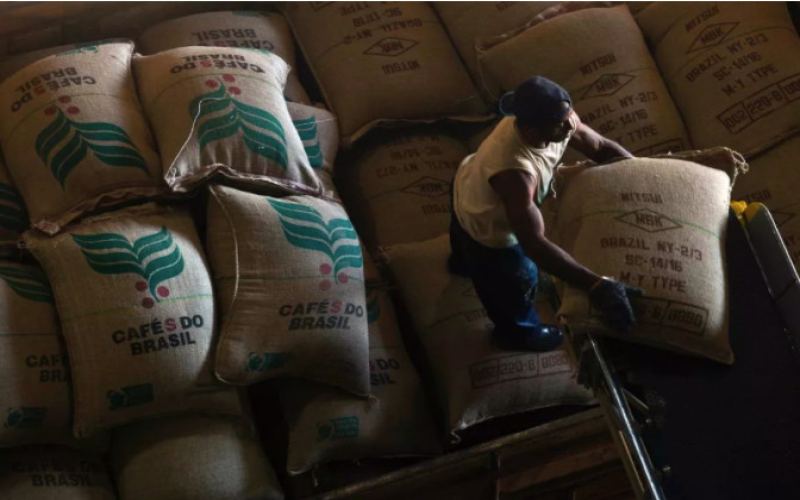
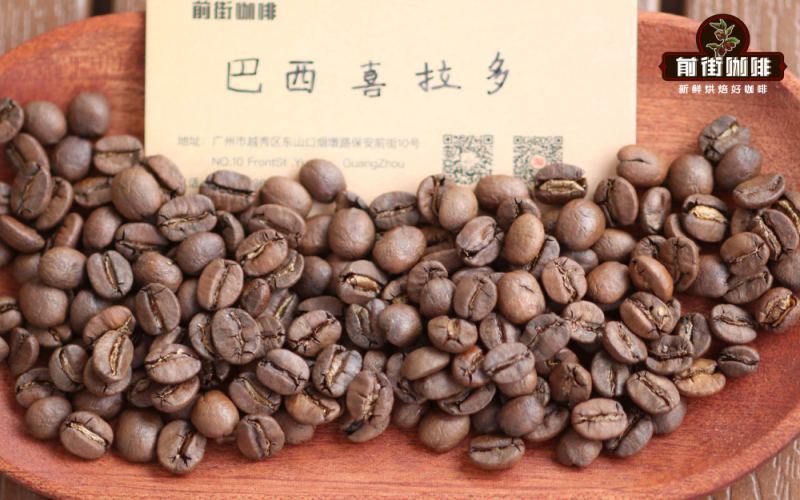
As a superpower accounting for about 45% of global coffee production, Brazil's green coffee grading system is not a single standard, but rather an assessment that integrates multiple dimensions such as the proportion of defective beans, screen size specifications, and cup profile. From the perspective of Front Street, this article will outline the origin distribution characteristics, main grading methods, and criteria of Brazilian coffee, decipher the meanings behind professional terms such as NY.2, 17/18 screen, and Strictly Soft, introduce the terroir characteristics of representative producing regions such as Mogiana and Cerrado, and share specific information about Queen's Farm coffee from Brazil on Front Street's bean list, helping coffee enthusiasts gain a more systematic understanding of the quality indicators and traceability logic of Brazilian green coffee. [more…]
A Comprehensive Guide to Tanzanian Kilimanjaro Coffee: Typica Variety, Washed Processing, and AA-Grade Flavor Characteristics
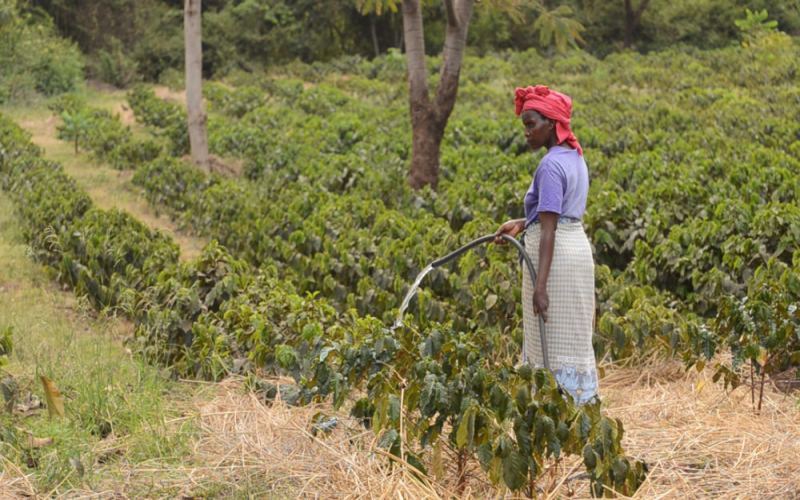
Kilimanjaro coffee originates from the northern highlands at the foot of Africa's highest peak, Mount Kilimanjaro, and is one of Tanzania's most iconic coffees. This article will provide a comprehensive interpretation of this coffee's unique charm, covering the terroir of the producing region, the characteristics of the Typica variety, the washed processing method, the AA grade classification standard, and Front Street Coffee's roasting curve, cupping report, and brewing parameters. Kilimanjaro coffee is renowned for its delicate texture, soft acidity, and citrus and berry aromas, and is hailed as the coffee with the most distinctive African character. Whether you want to learn about Tanzania's coffee-producing regions or are looking for an elegant flavor suited to a variety of extraction methods, this article can provide you with detailed reference. [more…]
An Analysis of Colombia's Specialty Coffee Region Hierarchy: Flavor Characteristics and Brewing Suggestions for Nariño, Cauca, and Huila
Colombia, as the world's second-largest producer of Arabica coffee, nurtures outstanding specialty coffee thanks to its high altitudes and diverse climates. Many people first came to know Colombia through espresso blends, but today high-quality single-origin beans from southwestern regions such as Cauca, Nariño, and Huila are winning growing favor among coffee enthusiasts. This article systematically sorts out the origin distribution of Colombian specialty coffee and the terroir characteristics of three major premium regions, and, taking the Huila region as an example, introduces the Caturra variety, the washed processing method, and the brewing parameters and flavor profile of Front Street Coffee's everyday drinking beans, guiding you through the complete picture of Colombian coffee from origin to cup. [more…]