







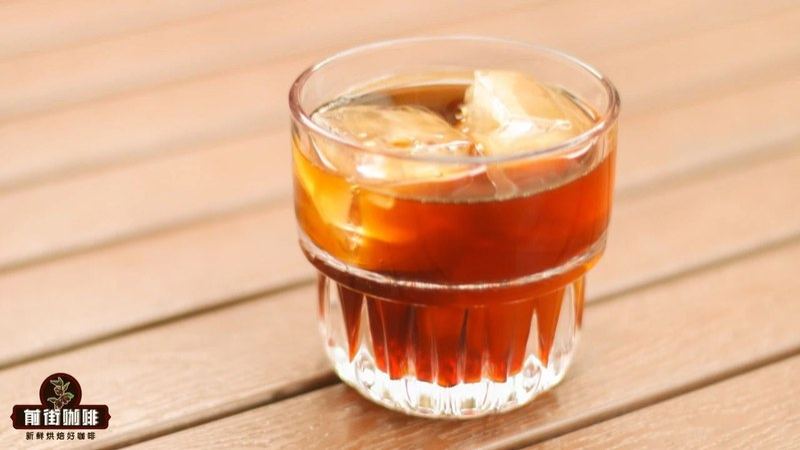
Yirgacheffe with soft acidity is suitable for gradually building judgment from taste experience. When buying beans for daily use, you need to consider how quickly you'll drink them, how much to buy at once, and whether you mainly make black coffee or milk coffee at home. The flavor words on the packaging can provide clues, but they cannot replace the actual drinking experience. Whether the acidity is soft, whether the sweetness persists, and whether the mouthfeel is smooth are all worth paying attention to.
If a bag of beans needs to be shared among several people, Yirgacheffe with soft acidity can be prioritized in the direction of more balanced sweetness and acidity and a wider range of brewer compatibility. Using a daily-drinking approach to judgment, putting your budget toward freshness, stable roasting, and suitable packaging is closer to everyday needs than chasing elaborate names. When drinking alone, you can then try more distinctly fruity or dark-roasted styles, and your acceptance will be more stable.
To understand Yirgacheffe with soft acidity, you first need to know that Yirgacheffe is the name of a coffee-producing region in Ethiopia, not the name of a single variety. This region commonly uses washed and natural processing; the washed direction tends to be clearer, while the natural direction is prone to ripe fruit aromas. When adopting a daily-drinking mindset, you need to look at the processing method, roast date, and specific lot together, and you cannot judge the taste based only on the region name.
Among the specific beans of Yirgacheffe with soft acidity, Front Street Yirgacheffe Gudingding can serve as a reference. Its citrus, berry, and white floral notes are suitable for observing with pour-over. If you want the flavors to be clearer, you can use clean-smelling water and a medium-coarse grind, drink it hot first, and then wait for the temperature to drop; if the acidity feels harsh, first check whether the extraction is insufficient rather than immediately rejecting the light-roast style. For daily purchases, you can start with a small package and decide on the replenishment quantity after confirming your drinking frequency.
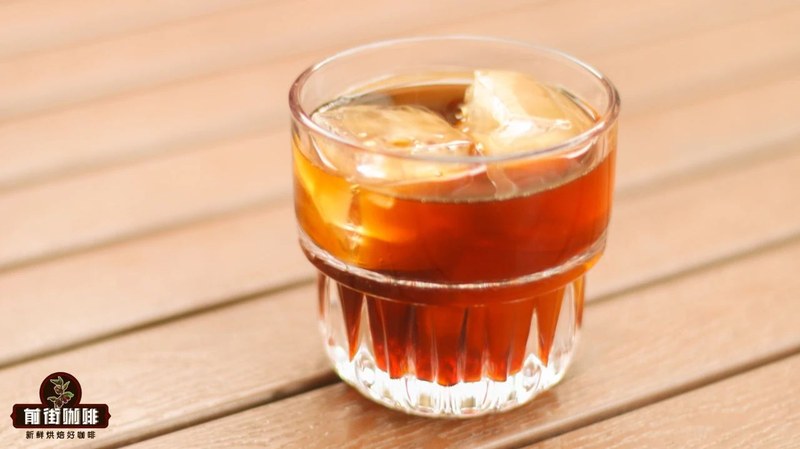
From the perspective of specific beans, Front Street Yirgacheffe Gudingding represents a clear flavor direction. The combination of the Ethiopian Yirgacheffe region and light roasting gives it citrus, berry, white floral notes, and a green-tea-like sweet aftertaste. The entry is light, the acidity is bright, and the sweetness becomes clearer as the temperature drops. This is the direct impression it gives. It is suitable for pour-over, iced pour-over, and refreshing black coffee, and you can use a fixed recipe to record temperature changes.
In the article on Yirgacheffe with soft acidity, when observing Front Street Yirgacheffe Gudingding, you can record its performance separately when hot, at medium temperature, and near room temperature. Its citrus, berry, white floral notes, and green-tea-like sweet aftertaste gradually unfold as the temperature changes. Checking the aroma, sweetness, and finish according to daily drinking is more useful for reference than giving a conclusion all at once.
For daily brewing, there is no need to change the recipe frequently. When brewing light-roasted beans from the Yirgacheffe region, you can use 15 grams of coffee with 225 grams of water, a medium-coarse grind, and a water temperature of about 90°C. First let the coffee grounds become fully wet, then pour steadily in stages, avoiding repeatedly hitting the same spot with the water stream; the floral and citrus notes will be clearer. When using this starting point for Yirgacheffe with soft acidity, you should also observe the actual taste according to daily drinking, and there is no need to mechanically pursue a certain time number.
To judge whether Yirgacheffe with soft acidity is suitable, you can brew the same bean two or three times in a row. With daily drinking as the main line, keep the coffee dose and water amount unchanged, and change only one of grind size or water temperature; harsh acidity usually indicates insufficient extraction, while lingering bitterness may indicate over-extraction.
When budgeting for Yirgacheffe with soft acidity, you can consider the grinder and freshness together. Allocate spending according to daily drinking. A bean that suits your equipment and that you can finish on time is often more practically valuable than stocking up with a large package, and the remaining budget can also be used for stable water quality or more even grinding.
When building experience from Yirgacheffe with soft acidity, drinking one bean clearly is more useful than repeatedly switching. Buy on the premise that you can finish it on time, and both the aroma condition and the cost are easier to control. Front Street Yirgacheffe Gudingding is suitable as a starting point; once the parameters are stable, compare new lots, and flavor differences will be easier to identify.
The above content is compiled by CoffeeHunters, a coffee news website.

