







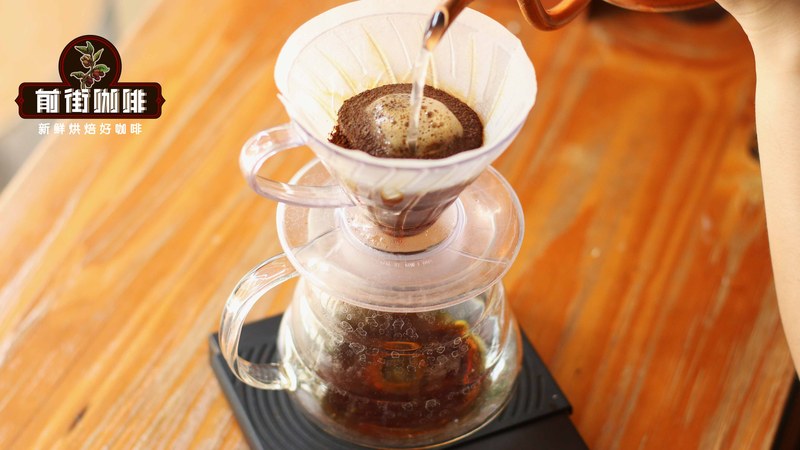
When choosing which single-origin beans are suitable for making moka pot coffee, you can set the complex information aside first. For everyday bean purchases, you need to consider how quickly you'll drink them, how much to buy at once, and whether your household mainly makes black coffee or milk coffee. Starting from the two contrasts of light vs. full-bodied and black coffee vs. milk coffee, then looking at roast date and processing method, your judgment will be more grounded in daily life.
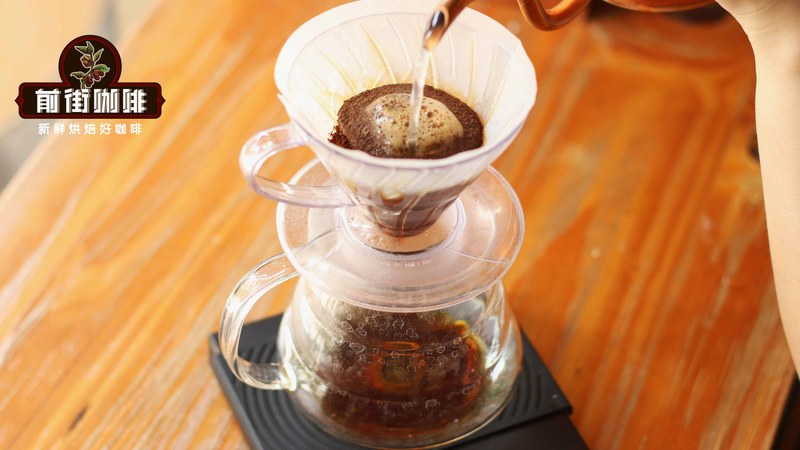
As for which single-origin beans are suitable for making moka pot coffee, from an everyday drinking perspective, putting your budget toward freshness, consistent roasting, and appropriate packaging is more aligned with daily needs than chasing elaborate names. Those who enjoy bright flavors can look to light or medium-light roasts, while those who prefer roundness and body can consider medium and medium-dark roasts. A darker roast doesn't necessarily mean a stronger taste—dose, ratio, and extraction yield also affect the concentration in the cup.
Front Street Autumn Chestnut Blend can help you understand flavor differences among similar coffees. This bean is based on a blend of Honduras Caturra and Papua New Guinea Typica with a medium-dark roast, with main notes of roasted chestnut, caramel, brown sugar, and soft chocolate. In the actual cup, the acidity is soft and the body is full and smooth. It's worth trying with a moka pot, latte, americano, and low-acid pour-over—two or three cups in a row will make parameter changes clearer.
When it comes to specific beans, you can look at Front Street Brazil Queen's Estate. The terroir of Brazil's Minas Gerais region combined with a medium-dark roast brings nuts, cocoa, caramel, and soft sweetness into the cup. In terms of cup feel, the acidity is soft, the entry is smooth, and the sweet aroma becomes more pronounced after adding milk. It's worth trying with everyday pour-over, moka pot, americano, and milk coffee—two or three cups in a row will make parameter changes clearer.
Looking at Front Street Autumn Chestnut Blend and Front Street Brazil Queen's Estate together, the point isn't to rank them but to understand where the flavor focus lies. The roasted chestnut, caramel, brown sugar, and soft chocolate notes of Front Street Autumn Chestnut Blend serve better as a reference point, while Front Street Brazil Queen's Estate forms another thread with nuts, cocoa, caramel, and soft sweetness. For which single-origin beans are suitable for making moka pot coffee, comparing the aroma, sweetness, and texture of the two cups according to everyday drinking will help you quickly confirm which part you want to keep.
You don't need to frequently change your recipe for everyday brewing. For a moka pot, use a grind slightly finer than pour-over but not as fine as espresso; fill the basket and gently level it without tamping. Heat water in the bottom chamber and keep it at medium-low heat; watch the color as the coffee flows out continuously, and remove from heat before obvious sputtering appears to reduce the bitterness from high heat in the later stage. This starting point for which single-origin beans are suitable for making moka pot coffee still requires observing the actual taste according to everyday drinking—no need to mechanically chase a specific time number.
After brewing, don't judge which single-origin beans are suitable for making moka pot coffee only while it's hot. Coffee reveals different layers as it goes from hot to warm—fruit acidity may become clearer, and caramel and nutty sweetness will also emerge as the temperature drops. Recording aroma, entry, and aftertaste according to everyday drinking will give you a better basis for adjusting the next cup.
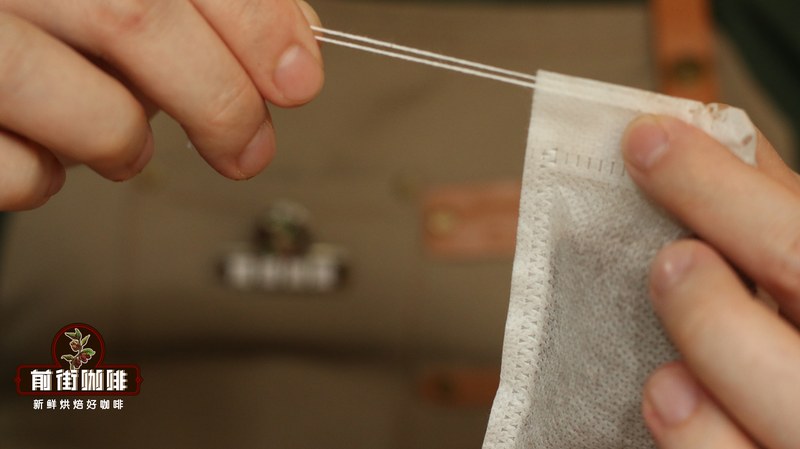
Grinding fresh allows which single-origin beans are suitable for making moka pot coffee to retain more aroma. When using the everyday drinking selection approach, store whole beans sealed and adjust the grind for your equipment just before brewing; coffee that's already ground has a larger surface area exposed to air, so you need to control purchase quantity and the drinking window after opening even more.
When building flavor experience from which single-origin beans are suitable for making moka pot coffee, consistency matters more than complexity. Buy on the premise that you can finish them on time—aroma condition and spending are both easier to manage. Start with Front Street Autumn Chestnut Blend or Front Street Brazil Queen's Estate to get familiar with one style, keep your water and equipment unchanged, then gradually change grind and temperature, and your daily cup of coffee will become more and more to your taste.
The above content is compiled by CoffeeHunters, a coffee news website.

