







Search Results for: Soda Water Brewed Coffee
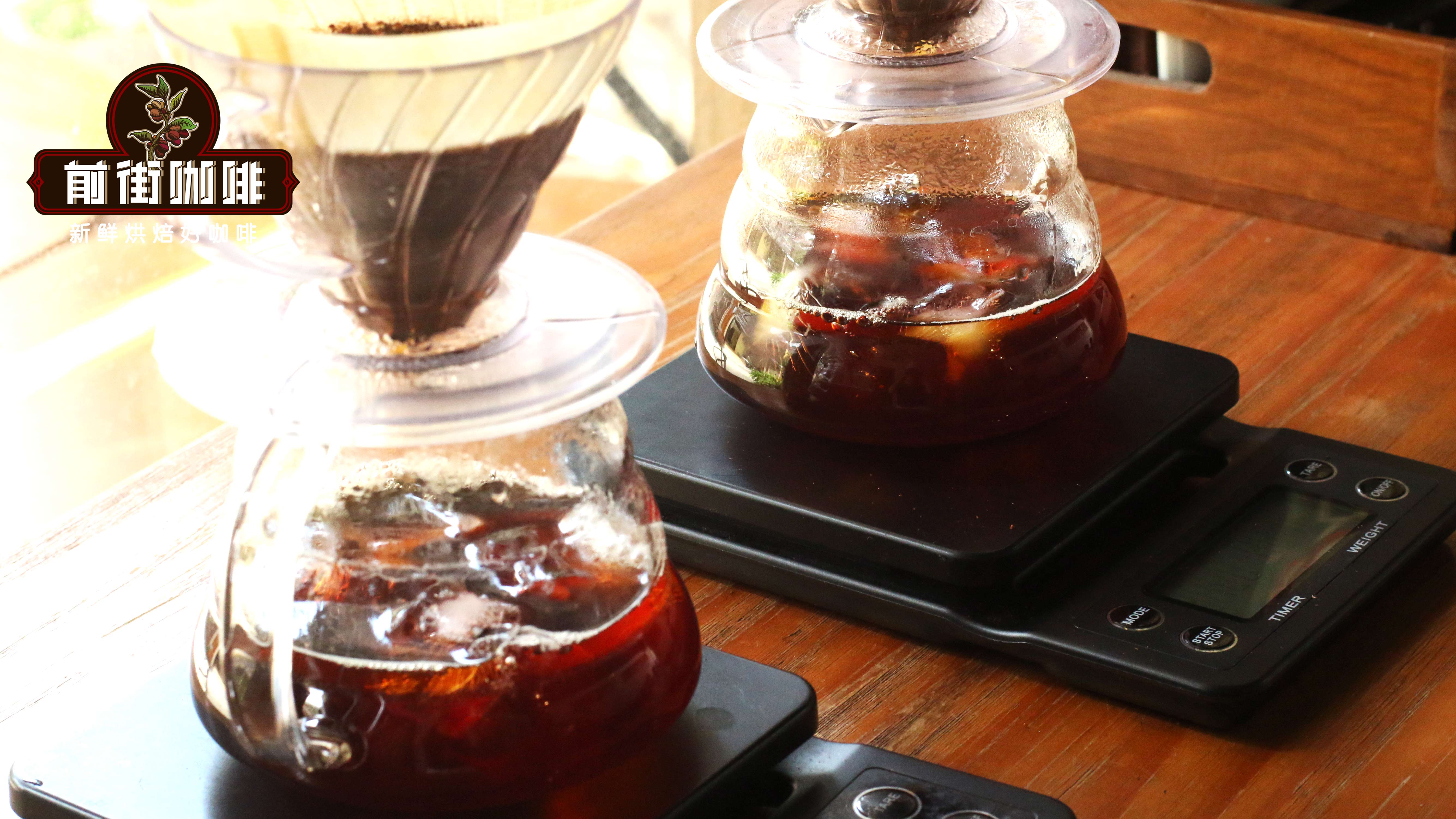
Is Iced Water Pour-Over Coffee Feasible? Bean Selection and Practical Steps, with a Soda Water Brewing Experiment
In the past, the iced pour-over recipes we shared mostly involved pouring hot coffee directly over ice to cool it down—a Japanese-style approach. This time, Front Street Coffee wants to try something different—extracting coffee with ice water the whole way through. Ice water is low in temperature and poor at extraction, so it may not seem very reliable, but once you understand the balance between grind size, water temperature, and pouring method, you can actually find a reasonable brewing path. This article will first explain the idea behind brewing coffee with ice water, then use the Costa Rica Strawberry Candy bean as an example to give the dripper choice, grinding parameters, and complete brewing steps, and finally add an extra experiment using soda water instead of ice water to see how the taste changes. [more…]
Water for Pour-Over Coffee Brewing | Can You Make Pour-Over Iced Coffee with Ice Water? Can Sparkling Water or Soda Water Be Used to Make Pour-Over Black Coffee?
The iced pour-over coffee I've shared with you before is the Japanese-style iced pour-over method, which is essentially hot coffee cooled with ice. In this article, Front Street Coffee will introduce a true iced pour-over coffee brewed with ice water—don't blink! Can ice water really brew coffee? A normal cup of pour-over coffee takes only 2-3 minutes to brew, using just [more…]
How to adjust coffee brewing water? A detailed explanation of the ratio of baking soda to magnesium sulfate and why tap water should be avoided in espresso machines
The water you use to brew coffee has a far greater impact on the final flavor than you might imagine. Tap water tends to have a high mineral content, which not only easily builds up scale on the inner walls of a coffee machine and hinders its normal operation, but also interferes with the extraction of coffee flavor. Drawing on Front Street's practical experience, this article first explains PPM and the criteria for judging soft and hard water, then explains why espresso machines should not use tap water directly, and afterward gives a hands-on demonstration of how to mix your own brewing water using baking soda and food-grade Epsom salt (magnesium sulfate), along with a brewing comparison against Nongfu Spring, for coffee lovers' reference. [more…]
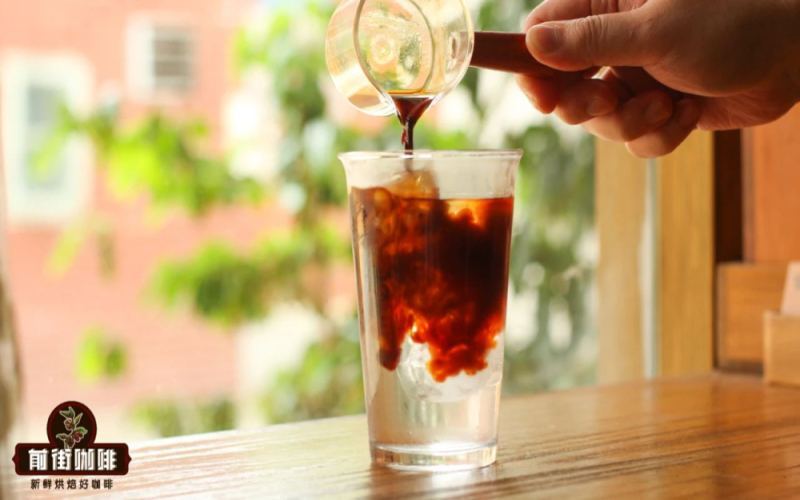
Summer Sparkling Americano Iced Coffee: Key Preparation Points and a Full Explanation of the Flavor Sources of Black Gold Americano
In the scorching summer heat, Guangzhou locals have their own clever ways to cool down, and the collision of soda and coffee—sparkling iced Americano—is becoming a favorite among many coffee lovers. This drink uses simple ingredients, requiring only ice cubes, soda water, and espresso, but if you want to make it refreshing and delicious, the choice of ingredients and attention to detail cannot be overlooked. This article starts with the selection of soda water, ice cubes, and coffee beans, explains in detail how to obtain a high-concentration coffee liquid through pour-over methods, and provides complete ratios and brewing parameters. At the same time, the article will also introduce fruit-flavored coffee beans suitable for making sparkling Americano, including Front Street. Washed Fruit Dingding, Front Street. Strawberry Candy Espresso, and Front Street. Xizhua, and answer the flavor characteristics of Black Gold Americano coffee, helping you easily replicate a cup of refreshing specialty coffee. [more…]
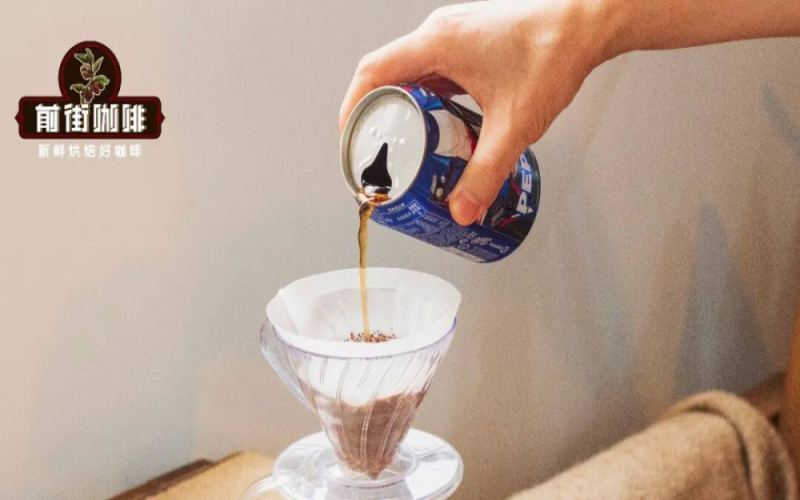
What Happens When You Replace Hot Water with Cola to Brew Coffee? A Hands-On Comparison of Iced Cola Pour-Over vs. Cola Ice Cube Pour-Over
Can cola actually be used to brew coffee? Front Street Coffee, out of curiosity, conducted two rounds of hands-on testing: in the first round, iced cola was used directly instead of hot water to extract Front Street Blackberry Coffee; in the second round, cola was frozen into ice cubes while hot water was still used for brewing, to compare the flavor differences between the two. The results showed that when iced cola was used for direct extraction, the low temperature and abundant bubbles hindered the release of soluble coffee compounds, making the final product taste more like a glass of coffee-flavored iced cola; whereas when cola ice cubes were used instead, the coffee flavors were finally preserved, with raisin, floral, and berry notes clearly emerging, layered with the icy sweetness of soda, making the overall cup refreshing and mellow. This article fully documents the parameters, brewing steps, and flavor observations, and is suitable for coffee enthusiasts who want to try a new method at home. [more…]
Is Starbucks Cold Brew Healthy? Caffeine Content and Flavor Analysis Plus Front Street Coffee Cold Brew Brewing Guide
Cold brew coffee, with its smooth mouthfeel and refreshing flavor, has become a popular choice at Starbucks and independent coffee shops alike. It is extracted at low temperatures over a long period, resulting in low bitterness and prominent fruity acidity and floral notes, but its caffeine content and health effects have also drawn much attention. This article provides a detailed analysis of the definition, characteristics, and caffeine situation of cold brew coffee, and shares the bean list and creative drinking methods recommended by Front Street Coffee, including adding sparkling water, milk, alcohol, and more, to help you easily make a cup of cold brew to your liking at home. [more…]

Cold Brew Coffee Beans Recommendation | What Are the Characteristics of Cold Brew Coffee? Which Coffee Bean Varieties Are Suitable for Cold Brew? Can Regular Coffee Grounds Be Used for Cold Brew?
Cold brew coffee is becoming more and more common nowadays. We are all so busy in our daily lives that we don't even have time to go buy a cup of coffee. In that case, cold brew coffee is the quickest way to get a cup of coffee right now. The fermented aroma and refreshing coolness of cold brew instantly make you feel at ease, and even in autumn and winter, it still makes you think of its taste. You only need to spend [more…]

Cold Brew Coffee Variations | Which Single-Origin Coffee Beans Make Good Cold Brew? How to Describe the Characteristics, Mouthfeel, and Flavor of Cold Brew? Can You Add Milk to Cold Brew Black Coffee?
For more specialty coffee knowledge, please follow our WeChat official account: Front Street Coffee (FrontStreet Coffee). Cold brew coffee is becoming more and more common nowadays. We are all very busy in our daily lives, so busy that we don't even have a moment to go buy a cup of coffee. In that case, cold brew coffee is the quickest way to get a cup of coffee right now. [more…]
Tanzanian Coffee Full Analysis: AA-Grade Flavor and Mouthfeel, Kilimanjaro Region and Processing Methods
Tanzania, as a major coffee-producing country in East Africa, is known for its Kilimanjaro AA-grade beans, which are celebrated for their plump size and pure flavor. Front Street Tanzania AA, as the highest-grade representative of the country, has a mild and even acidity, with a unique texture reminiscent of tomato or soda, and a rich aroma after medium or darker roasting. From its development during the German and British colonial periods to the boost given by Hemingway's novels, Tanzanian coffee has earned the reputation of "coffee gentleman" and is known, along with Blue Mountain and Mocha, as one of the "Three Musketeers of Coffee." This article will explore Front Street Tanzanian coffee beans from multiple dimensions, including their characteristics, flavor description, mouthfeel, varieties, origin, and processing methods, to give you a comprehensive understanding of the unique charm of this famous East African specialty. [more…]
How to Choose a Pour-Over Coffee Filtration Method: A Full Analysis of the Taste Differences, Pros, and Cons of Paper Filters, Stainless Steel Filters, and Cloth Filters
People who buy their own beans, grind them, and brew pour-over coffee often face a choice when it comes to filtration: should they use disposable paper filters, reusable stainless steel mesh filters, or flannel cloth filters? Each of the three methods has its own adherents, and each directly affects the clarity, body, and aroma expression of the coffee in the cup. This article starts from material characteristics, ease of use, taste differences, and maintenance points, comparing the pros and cons of paper filters, metal mesh filters, and cloth filters one by one, and offers selection suggestions for different taste preferences. If you often drink Front Street Coffee's medium-to-dark roasted beans, or prefer light-roasted beans with floral and fruity notes, understanding these filtration details can help you adjust your brewing direction more accurately and find the cup of coffee that suits you better. [more…]
How to Choose the Filter Material for Pour-Over Coffee? A Complete Comparison of the Pros and Cons of Paper Filters, Metal Filters, and Cloth Filters
In the world of pour-over coffee, the choice of filter material is often underestimated, yet it directly determines the direction of the flavor in the cup. Paper filters, metal filters, and cloth filters each have their adherents, and they differ vastly in how much they intercept oils, fine particles, and flavor compounds. This article begins with the century-old origins of the coffee paper filter, then breaks down one by one the structural principles, operational experience, and pros and cons of the three filtration methods, along with a comparison of mainstream filters such as KONO, HARIO, and CHEMEX, as well as practical advice from Front Street Coffee for everyday brewing. Whether you prefer a clean, bright sense of layering or pursue a thick, full-bodied original flavor, you can find the filtration solution that suits you in this article. [more…]

Pour-Over Coffee Beginner's Guide | How Should Coffee Newbies Choose Coffee Filters? How Do You Use Coffee Filters? What Types of Coffee Filters Are There?
For professional coffee knowledge exchange and more coffee bean information, please follow FrontStreet Coffee. How to choose coffee filter paper? How to use coffee filter paper? What types of coffee filter paper are there? Many enthusiasts buy their own coffee beans, use a grinder, and purchase equipment to brew coffee, all [more…]
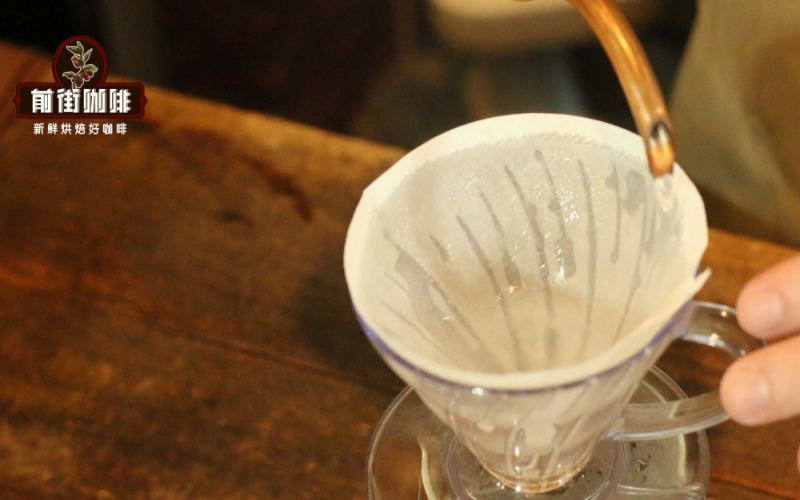
How to Choose and Use Coffee Filters? A Complete Guide to Bleached vs. Unbleached, Cone Filter Parameters, and Three Brewing Methods
Brewing coffee at home—paper filters, metal filters, or cloth filters: how exactly should you choose? This article starts with the difference between bleached and unbleached paper filters, explains why you should rinse your paper filter, and lists the weight and feel of several common cone-shaped paper filters for reference. It also compares metal filters, flannel cloth filters, and drip coffee bags by their pros and cons. Whether you're after a clean, crisp cup or want to keep more of the coffee oils and original flavors, you'll find the right filtration solution for you here, and avoid detours when shopping. [more…]
Songzhong Huangzhixiang Dancong Oolong: Soft Water or Hard Water for Brewing? A Detailed Practical Guide
Whether to use soft or hard water for brewing tea has long been a hotly debated topic among tea lovers. A US study of ordinary consumers showed that although soft water extracts more catechins, participants actually preferred tea brewed with hard water. For highly aromatic oolong teas such as Songzhong Huangzhixiang Dancong, the mineral content in water significantly affects the presentation of aroma and flavor. This article reviews the effects of different water qualities on tea, introduces water treatment methods commonly used in cafes and traditional water conditioning techniques in tea ceremony, and, combined with Front Street Coffee's brewing recommendations, helps you find a water quality and brewing method suitable for Dancong under everyday conditions. [more…]
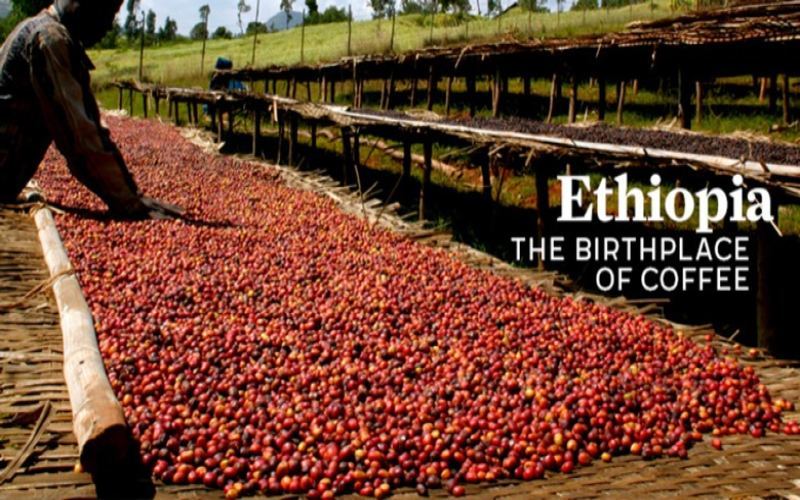
Cold Brew Origin Recommendations: Cold Brew Performance of Fruity and Full-Bodied Types
The choice of origin for cold brew coffee determines whether the cup leans toward fresh fruit juice or rich cocoa. The long-steep cold water extraction method makes origin flavors express themselves differently than in hot brewing, and some origins perform better in cold brew. For fruity cold brew, Ethiopian origins are a good choice. Huakui natural beans made as cold brew, hot [more…]
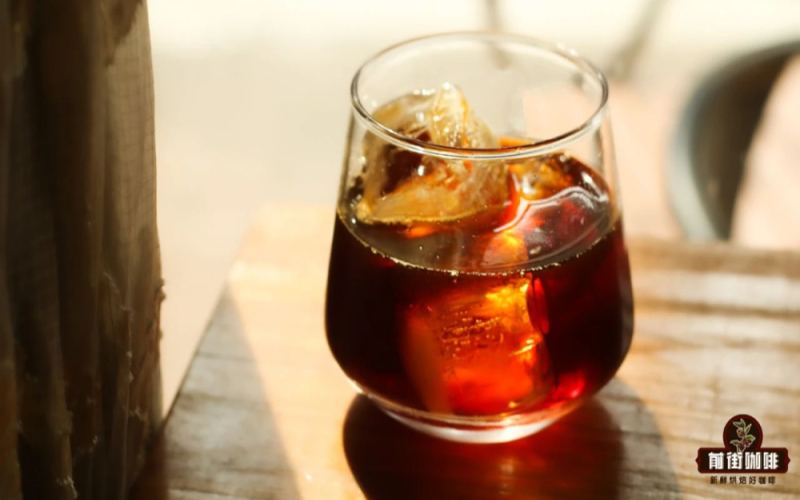
Where Did Cold Brew Coffee Originate? A Beginner's Guide to Choosing Coffee Bean Flavors for Cold Brew
Cold brew coffee is deeply loved today, but its origins are little known. The earliest documented cold brew coffee comes from the 17th-century Netherlands, when sailors, to cope with long sea voyages, steeped coffee grounds in cold water for over twenty hours to make a concentrate, which both increased the caffeine content and extended shelf life. This method later spread to Japan, where it evolved into drip-style cold brew by combining with the local tradition of cold-brewed tea. When making cold brew, the coffee-to-water ratio is key; Front Street recommends 1:13 for regular drinking and 1:10 for specialty concoctions. In terms of coffee bean selection, medium-light to medium roast beans with prominent acidity, sweetness, or aroma are more suitable. This article will analyze in detail the origins of cold brew, the key points of making it, and recommend several Front Street Coffee beans to help you get started easily. [more…]
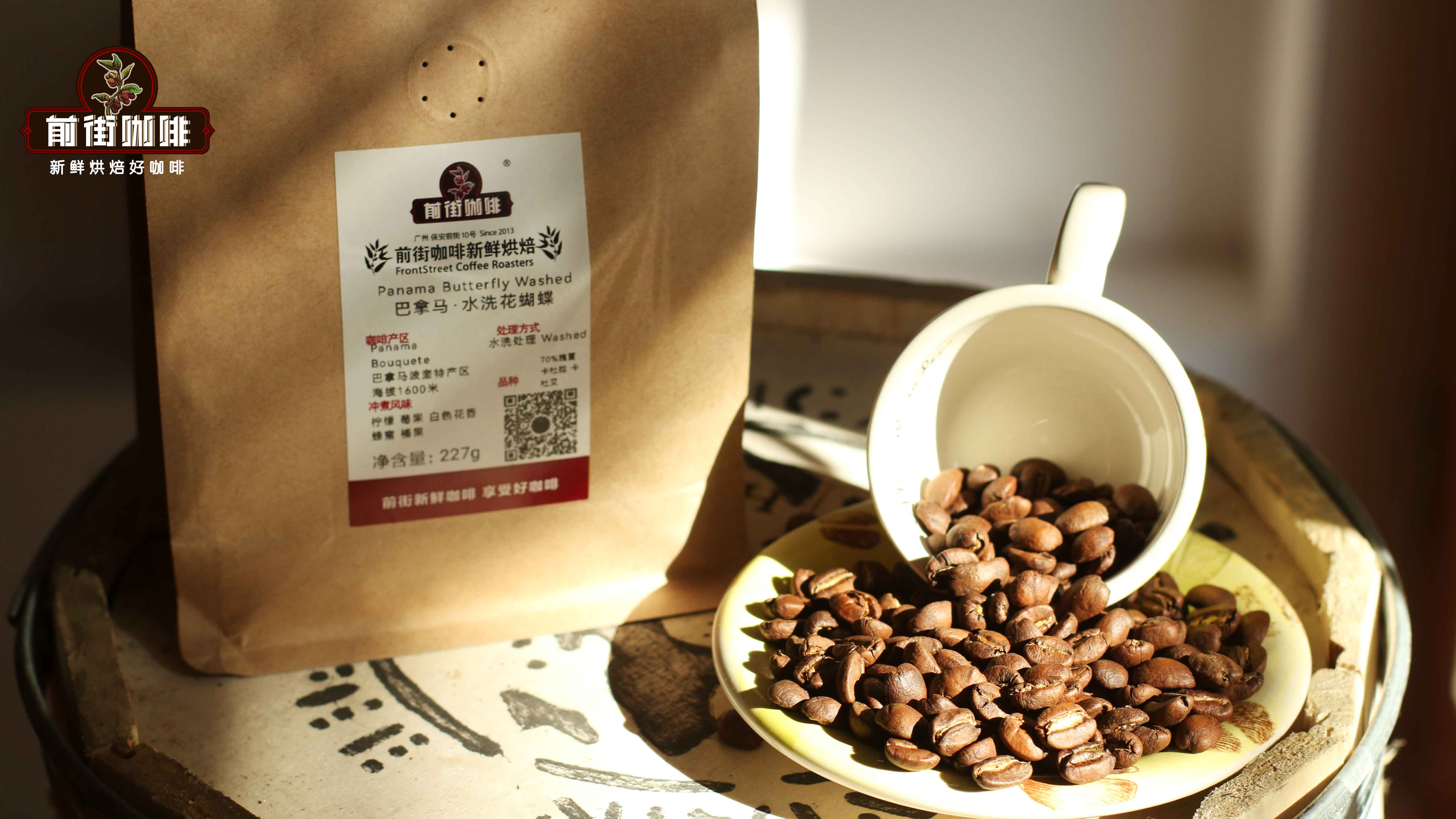
Panama Los Lajones Estate Honey Process Coffee Analysis: A Guide to Recommended Pour-Over Single-Origin Beans from the Boquete Region
Panamanian coffee was long undervalued on the international stage, until the Best of Panama cupping competition and the rise of Hacienda La Esmeralda completely turned things around. Beyond the Geisha variety, Panama has many outstanding estates worth attention, and Los Lajones Estate is one of them. This century-old small farm in the Boquete region is renowned for its honey processing method, and estate owner Graciano Cruz is a pioneer in advancing honey processing technology. This article provides a comprehensive analysis of the unique charm of this honey-processed coffee, from the region's background and the principles of the processing method to its flavor characteristics, and recommends several of Front Street Coffee's Panamanian single-origin beans, including the Geisha series and Elida Estate's sun-dried Typica, offering coffee enthusiasts a purchasing reference from beginner to advanced. [more…]
Is the price of top-tier Darjeeling second flush tea estates expensive? How much is a reasonable price for a catty of black tea?
Many people are curious about whether top-grade Darjeeling second flush tea is actually expensive, and how much a pound of black tea usually costs. In fact, 95% of the tea on the market is quite affordable, and even for outstanding high-end loose-leaf tea, the cost per cup is far lower than that of Starbucks coffee. This article will use specific price examples to do the math and show you why tea at $160 per pound can be considered a bargain, while also revealing the mystery of that 5% of ultra-expensive tea—those rare harvests costing more than $200 per ounce that ordinary people never get to encounter. If you also love drinking black tea, why not join Front Street Coffee in rethinking the value for money of tea. [more…]
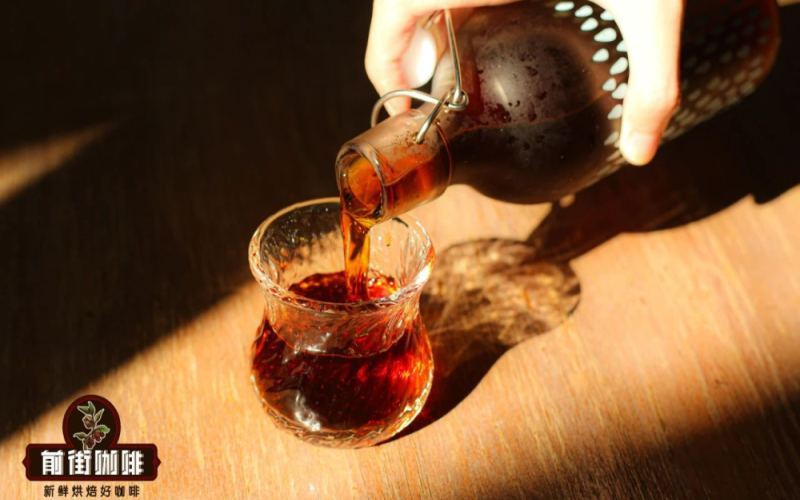
The Complete Guide to Cold Brew Coffee: How Grind Size, Coffee-to-Water Ratio, and Steeping Time Affect Flavor
On a sweltering summer day, a glass of refreshingly cool cold brew coffee becomes the top choice for many office workers. Compared with pour-over coffee, cold brew has a lower barrier to entry—simply grind the beans and soak them the night before, refrigerate overnight, and the next morning you can enjoy a rich, full-bodied glass of iced coffee. However, to make a delicious cold brew, the coffee-to-water ratio, grind size, extraction temperature, and time are all indispensable parameters. Front Street Coffee, using 50 grams of ground coffee as the baseline, has summarized a simple and easy-to-follow cold brew method and offers concentration adjustment suggestions for different drinking scenarios. This article will break down in detail the key points of making cold brew, the causes of its flavor, and storage methods, helping coffee enthusiasts easily recreate at home a cup of cold brew with distinct layers and a pronounced sweet aftertaste. [more…]

Coffee Grounds Filtration Tools | Filter Paper, Filter Mesh, or Filter Cloth: Which Is More Convenient and Effective for Filtering Coffee Grounds? What Are the Pros and Cons of Filters Made from Different Materials?
A pot of aromatic and enchanting coffee, of course, must be paired with elegant coffee equipment. When it comes to the wide variety of equipment, why do some people prefer certain types? Today we are going to talk about the equipment they like, and what magic it actually has that can change the coffee they brew. Using simple words and principles, we will [more…]