







Search Results for: Snow Peak Estate
Colombia Snow Mountain Region Coffee Flavor Analysis: Snow Peak Estate Varieties, Processing Methods, and Brewing Review
Colombia's Sierra Nevada coffee region, with its unique geographical and climatic conditions, produces high-quality coffee with a rich aroma and distinct flavor. Starting from an actual brewing evaluation, this article records the flavor performance and extraction adjustment process of the coffee after roasting at Front Street Coffee, and systematically introduces the terroir characteristics, varieties, and processing methods of the three major regions: Sierra Nevada, Santander, and Huila. Whether you want to understand the origin background of Colombian Sierra Nevada coffee or are interested in the differences between AeroPress and pour-over, this article can provide valuable reference. [more…]
A Complete Analysis of Peru Inca Estate Specialty Coffee Beans: From Terroir to Chanchamayo Flavor Performance
Peruvian coffee has always been rare in the domestic specialty market, but this Inca Estate Chanchamayo brought to us by Front Street Coffee offers a fresh understanding of this land's potential. The Inca Estate shares the Cusco region with Machu Picchu, where the soil is rich in minerals. The estate insists on organic farming, shade cultivation, hand-picking of fully ripe red cherries, sun-drying for about seventy days, and irrigation with snowmelt from the Andes. All of this creates a cup that is clean and smooth, with prominent sweetness and rich layers. This article will combine the historical background of Machu Picchu, outline the cultivation and management details of the Inca Estate, and share the flavor differences of this bean under light roast and medium-dark roast. [more…]
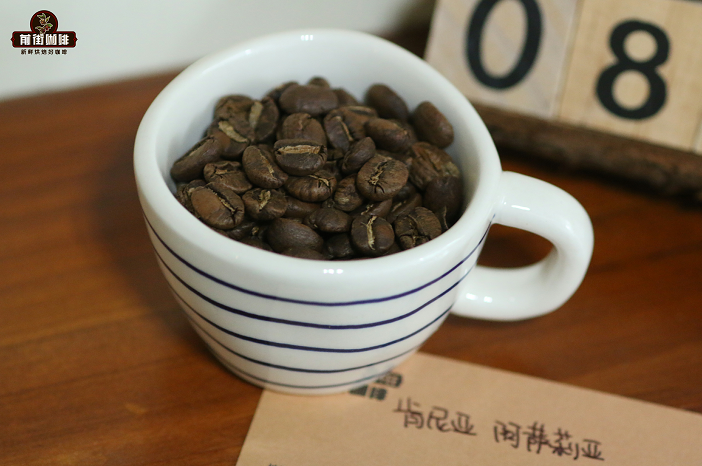
Kenya Coffee Characteristics | What Coffee Varieties Are Grown in Kenya? How to Make Pour-Over Black Coffee with Washed Kenya AA, and How to Describe the Coffee Flavor?
Front Street Coffee: Kenya Asaliya Coffee Beans Region: Kenya, Thika Region, Asali Processing Plant Altitude: 1550-1750m Processing Method: Washed Variety: SL28 & SL34 Flavor: Snow Pear, Smoked Plum, Yellow Sugar [more…]
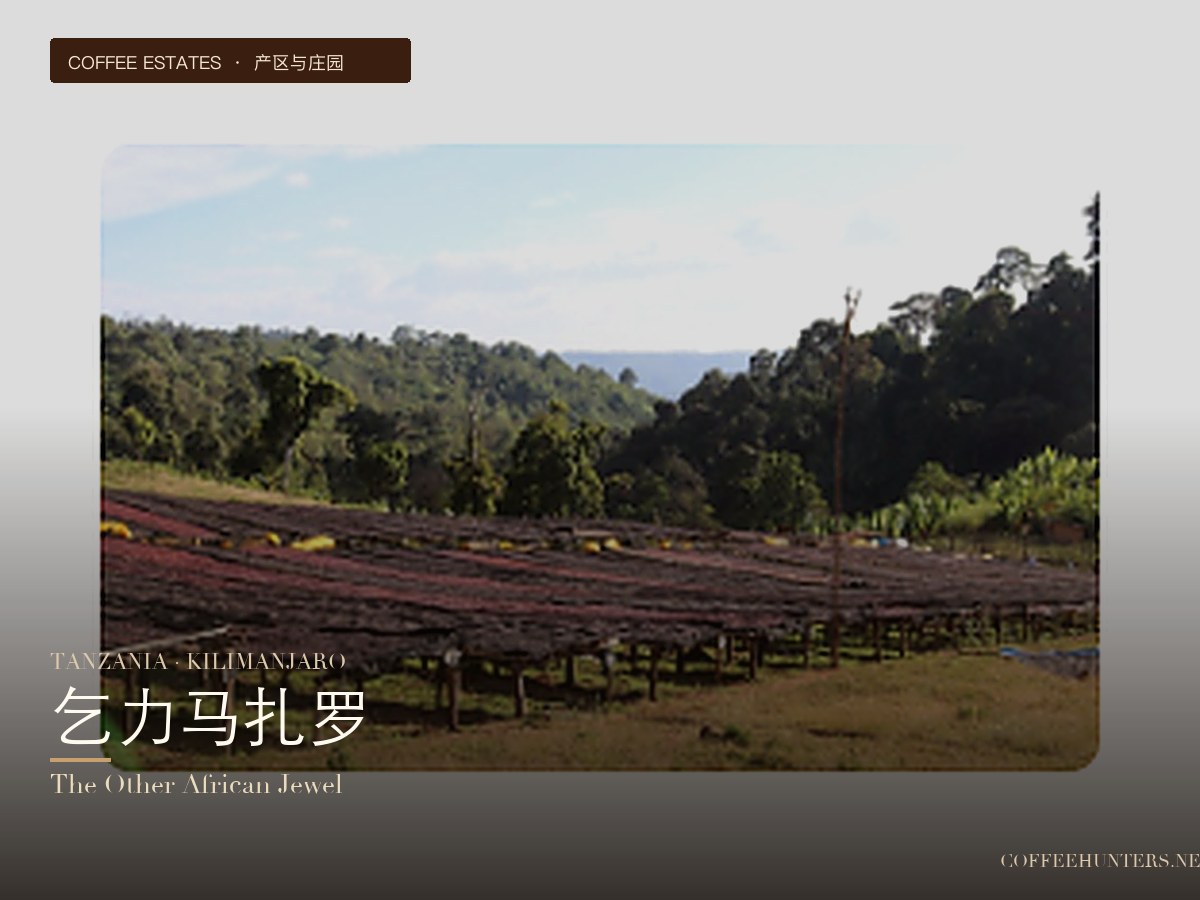
Tanzania: Kilimanjaro and Mount Meru — Another Gem of Africa
Tanzania is another important specialty coffee producer in Africa, with Mount Kilimanjaro and Mount Meru as its core producing regions. This article takes you through the history, geography, and flavor of Tanzanian coffee. [more…]
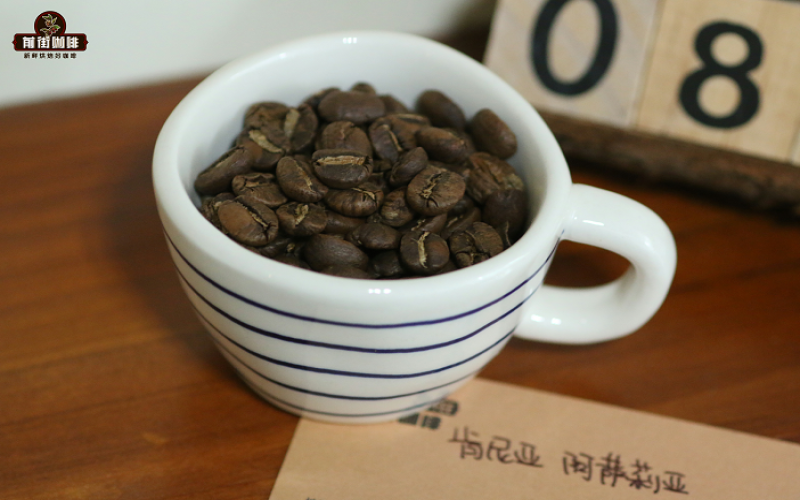
Kenya Asalia Washed Coffee Beans Pour-Over Guide: Flavor Layers and K72 Processing Method Explained
Kenyan coffee is renowned for its vibrant fruit acidity and multi-layered flavors, and the Asalia washed beans launched by Front Street Coffee are a typical representative. This coffee comes from the Asali processing plant in the Thika region, at an altitude of 1,550 to 1,750 meters, with varieties SL28 and SL34, using the Kenyan-style 72-hour fermentation washed method. The flavor presents a complex tonality of snow pear, smoked plum, yellow sugar, plum, and cherry tomato. This article will guide you through the background of the Kenyan region, the origins of the SL varieties, and the K72 processing technique, and share Front Street's roasting curve and two brewing methods—V60 and cake cup—comparing the flavor performance under different drippers to help you fully unleash this coffee's juicy feel and floral finish. [more…]
Flavor Analysis of Kenyan Washed Coffee Beans: Are SASINI and Berman Estate Offerings Worth a Try?
Kenya, as a major producing region for specialty coffee in the world, is known for its washed beans with bright fruit acidity and rich sweetness. Starting from its planting history and geographical and climatic conditions, this article reviews the variety selection and unique processing methods of Kenyan coffee, and discusses the specific flavor performance of SASINI Estate and Berman Estate. At the same time, combined with recommendations from Front Street Coffee, it helps enthusiasts determine whether these two Kenyan washed beans match their personal taste preferences. [more…]
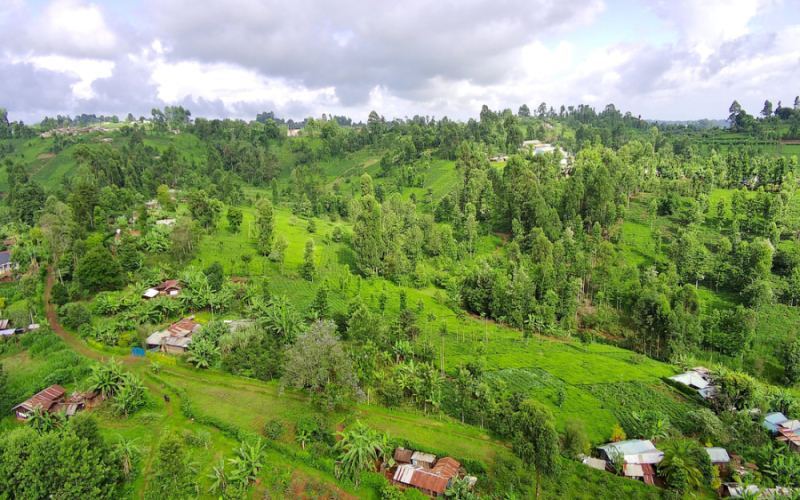
A Detailed Guide to the Kenyan Coffee Bean Grading System and AA-Grade Coffee Tasting and Brewing
In the landscape of African specialty coffee, Kenya has always held a pivotal position. Unlike Ethiopia's bright acidity, Kenyan coffee is renowned for its full-bodied berry juice character, the acidity of smoked plums, and solid sweetness. Many coffee enthusiasts often hear the term "Kenya AA," but what exactly does it represent? How does Kenya's coffee grading system work? This article will start with Kenya's seven major producing regions, trace the origins of the two classic varieties SL28 and SL34, analyze the famous K72 washed processing method, and provide a detailed introduction to the AA grade classification standards. At the same time, Front Street Coffee will share the roasting curve, cupping report, and brewing parameters for this Kenya Thika Asali Honey Processing Station AA TOP, taking you through the complete journey of Kenyan coffee from origin to cup. [more…]
Introduction to the World's Top Ten Coffee-Producing Countries | Which country's coffee is smooth and not bitter? Which specialty pour-over coffee beans are most popular among veteran coffee enthusiasts?
Since the fifteenth century, coffee has served as a common beverage and a pick-me-up tonic. It was not until the rise of the third wave of specialty coffee that roasters began to favor lighter roast profiles, and the distinctive acidity and aroma in coffee won over one group of coffee drinkers after another. Many who have just come to appreciate [more…]
Tanzania Coffee Growing Regions and Flavor Profiles: A Comprehensive Analysis from Kilimanjaro to the Southern Highlands
Although Tanzania is less famous than Ethiopia and Kenya, it ranks among Africa's three major coffee giants thanks to its unique terroir. This article systematically reviews the geographical distribution, historical context, and industry status of Tanzanian coffee, with a focus on the growing environment and coffee flavors of core producing regions such as Kilimanjaro. It also combines Front Street Coffee's Tanzanian Kilimanjaro coffee beans to analyze the soft acidity, citrus, berry, honey, and nut flavors, as well as the balanced tea-like mouthfeel brought by its Typica variety and washed processing, helping coffee lovers gain a comprehensive understanding of the coffee charm of this East African producing country. [more…]
A Roundup of the World's Top Ten Most Famous Coffee-Producing Countries: From Brazil to Jamaica, a Pour-Over Coffee Flavor Ranking
Since the 15th century, coffee has been woven into human life as a stimulating beverage. With the arrival of the third wave of specialty coffee, roasters have increasingly favored lighter roast profiles, and the distinctive fruity acidity in coffee has won over countless palates. Faced with the dazzling array of origins, estates, and processing methods on the bean shelves at Front Street Coffee, newcomers to this world inevitably feel at a loss where to begin. This article will walk through ten highly representative coffee-producing countries one by one—from Brazil's gentle sweetness and Colombia's hard-bean character, to Guatemala's balanced nutty notes and Costa Rica's honey-processed sweetness, then on to Panama Geisha's floral-fruity explosion, Kenya's bright fruity acidity, Ethiopia's origin flavors, Indonesia Mandheling's rich and full-bodied charm, China Yunnan's local exploration, and Jamaica Blue Mountain's legendary status—providing coffee lovers with a clear flavor navigation guide. [more…]
What is the difference between Kenya AA and AB coffee beans? A detailed explanation of the Kenyan coffee grading system and pricing logic
Kenyan coffee is famous for its intense berry notes and solid mouthfeel, but when faced with grading labels like AA and AB, many people are not clear about what they actually represent. From the perspective of Front Street, this article systematically sorts out Kenya's seven major producing regions, the origins and flavor differences of the main varieties SL28 and SL34, analyzes the unique features of Kenya's 72-hour washed processing method (K72), and explains in detail the bean size standards and cup quality differences of grades such as AA, AB, and PB. At the same time, it also includes Front Street's roasting curve, cupping report, and brewing parameters for AA TOP from the Asali processing station in the Thika region, helping coffee lovers fully understand the complete logic of Kenyan coffee from origin to cup. [more…]
Analysis of Coffee Growing Regions in Ecuador: Which Representative Estates Are There in Chimborazo Province?
Along the Andes Mountains in western South America, volcanic ash soils and a mild, humid climate have given rise to many major coffee-producing nations. Although Ecuador's output is less than that of Brazil and Colombia, its unique terroir has helped it gradually emerge onto the scene. The country's specialty coffee is mainly concentrated in the mid-mountain zones of the Andes, forming two major distribution patterns, north and south. Among these, Pichincha Province and Loja Province have long enjoyed high recognition, while Chimborazo Province has also begun to attract attention in recent years. This article will review Ecuador's coffee-growing history and geographical advantages, focus on the characteristics of Chimborazo Province's production areas, and introduce the province's most representative estate, Loma Pata, taking readers through the coffee map of this "Equatorial Country." [more…]

A Comprehensive Analysis of Tanzania's Kilimanjaro Coffee Region: Bourbon Variety, Washed Processing, and Flavor Characteristics
In the northern highlands of Tanzania stands Mount Kilimanjaro, Africa's highest peak. The coffee beans produced here are famous for their soft acidity, full-bodied texture, and distinctive red wine notes, and are hailed as the "coffee gentleman." This Kilimanjaro coffee bean selected by Front Street Coffee is of the Bourbon variety, washed processed, Grade AA, and grown at an altitude of 1,300 to 2,000 meters. After multiple roasting adjustments and cupping evaluations, Front Street Coffee confirmed that its flavor profile features bright citrus and berry fruit acidity, balanced sweetness and acidity, a honey-like sweetness in the mid-palate, and a tea-like finish with a lingering sweet aftertaste. This article will systematically introduce the cultivation history, main varieties, producing regions, grading system, and Front Street Coffee's roasting and brewing parameters for Tanzanian coffee, giving you a comprehensive understanding of this coffee with its unique East African regional character. [more…]

Light, Medium, and Dark Roast Single-Origin Beans | For Beginners Getting into Pour-Over Coffee: Should You Buy Coffee Beans or Ground Coffee? Recommended Single-Origin Coffee Beans for Beginners Making Pour-Over
No matter what roasting style and brewing method you prefer, Front Street Coffee believes it's worthwhile and necessary to refer to some tips for buying coffee. First and foremost, the most important thing is to buy freshly roasted coffee beans, and to choose products that clearly indicate the roast date (not the expiration date or shelf life), and that have brand credibility. [more…]

The Historical Origins of Starbucks Kenya Coffee and a Detailed Guide to Brewing Kenya AA Coffee Beans
For those new to Kenyan coffee, the distinctive acidity reminiscent of cherry tomatoes and prunes is often unforgettable from the very first sip. Starbucks once launched a classic Kenya coffee whose elephant logo on the packaging has long become iconic. From the perspective of Front Street Coffee, this article systematically reviews the growing conditions, variety characteristics, K72 washed processing method, and green bean grading system of Kenyan coffee, and shares in detail the roasting parameters and brewing suggestions for two Kenyan coffee beans available at Front Street—Asalia AA and Sachini Estate PB—taking you through the full charm of Kenyan coffee. [more…]
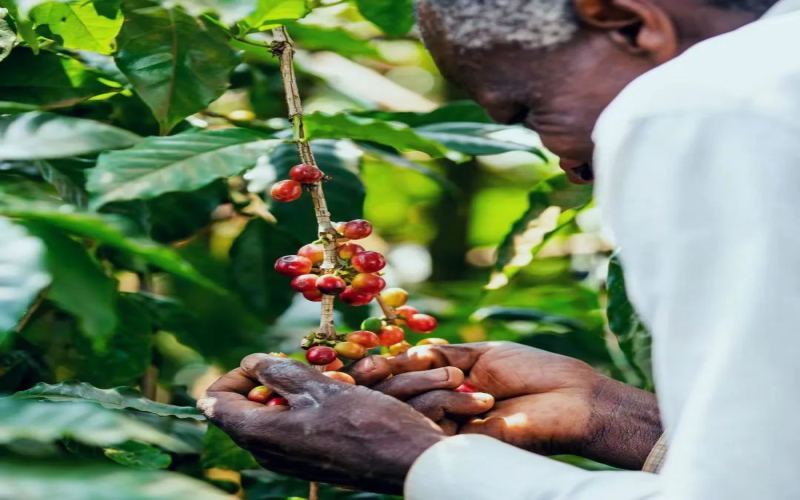
What makes Tanzanian coffee unique? Exploring the washed Typica flavor of the Kilimanjaro region
When it comes to African coffee, Ethiopia and Kenya are usually the first that come to mind, while Tanzania, which is also one of the "African Big Three," remains much more low-profile. This East African country is home to Kilimanjaro, Africa's highest volcano; its volcanic ash soil and high-altitude environment produce coffee beans of excellent quality, and as early as the colonial period it earned the reputation of "coffee gentleman" among Europeans. Today, more than ninety percent of Tanzania's output comes from smallholder farmers, with the Kilimanjaro Cooperative Union playing a key role. This article will walk you through the growing conditions, variety composition, and flavor characteristics of Tanzanian coffee, and introduce a Kilimanjaro washed Typica currently sold by Front Street Coffee. [more…]
A Complete Guide to Kenya's K72 Double Washed Processing Method: The 72-Hour Fermentation Process, SL Varieties, and the Grading System
In the landscape of specialty coffee, Kenyan coffee stands out with its bright, clean acidity and full-bodied flavor, and the K72 washed processing method is precisely its signature craft. This circulating fermentation system, developed on the basis of traditional washing, completes processing through three soaks and washes of 24 hours each, totaling 72 hours, hence the name K72. This article will systematically outline the specific operational steps of K72, analyze the flavor origins of Kenya's high-altitude production regions and varieties such as SL28 and SL34, and introduce Kenya's coffee grading system. At the same time, the roasting curves, brewing parameters, and flavor performance of two Kenyan beans from Front Street Coffee—Asaliya and Sasini Estate PB—will also be shared, providing coffee enthusiasts with a complete reference from origin to cup. [more…]
Overview of African Coffee-Producing Countries: Flavor Profiles and Top Picks of Specialty Beans from Ethiopia to Tanzania
Africa is the continent of coffee's origin and the most distinctive flavor coordinate in the world of specialty coffee. From the floral and citrus notes of Ethiopia and the berry and dark plum notes of Kenya, to the washed Bourbon of Burundi and Rwanda and the cocoa sweetness of Tanzania's Kilimanjaro, this land has won over countless coffee lovers with its vibrant fruit acidity and lively aromas. Front Street Coffee will guide you through a systematic overview of the regional characteristics, cultivation models, processing methods, and signature beans of Africa's major coffee-producing countries, so you can gain a deeper understanding of the unique charm of African beans and the key points of tasting them. [more…]
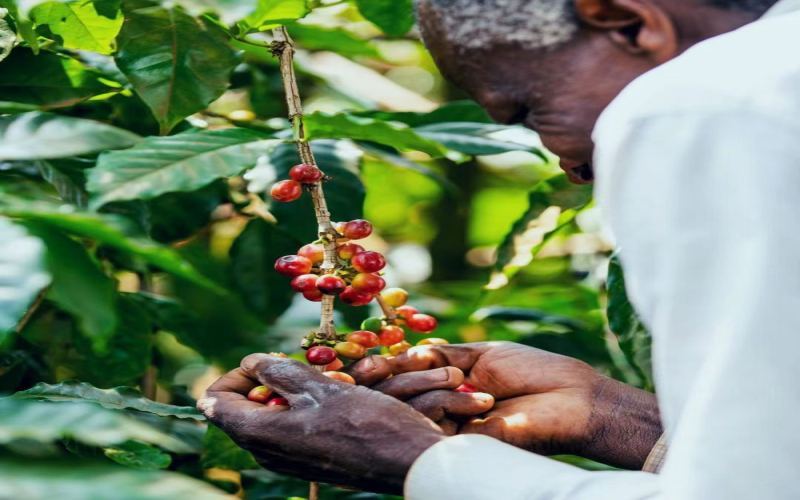
An Analysis of the Flavor Characteristics and Traditional Washed Processing Methods of Tanzanian Coffee Growing Regions
Tanzania is located in East Africa, adjacent to Kenya. Although Kenya is more famous in the specialty coffee circle, Tanzanian coffee has won the favor of many enthusiasts with its soft acidity, light sweet aroma, and gentle mouthfeel. This article will guide you through the history of coffee cultivation in Tanzania, the terroir characteristics of the Kilimanjaro region, the main washed processing methods, and the brewing parameters recommended by Front Street Coffee. From the introduction of seeds from Réunion Island to the current annual production of about 60,000 tons of green beans, the Tanzanian coffee industry has undergone a transformation from estate dominance to smallholder cooperative organizations. The fertile soil and diverse ecology of the Kilimanjaro volcanic region provide an excellent growing environment for the Typica variety, and after washed processing, it presents rich layers of citrus, berries, honey, and tea-like notes. [more…]
A Complete Guide to African Coffee Origins: Flavors and Signature Beans from Ethiopia, Kenya, and Beyond
Africa, as the continent where coffee originated, has given rise to coffee-producing regions with distinctly striking styles, among which Ethiopia and Kenya stand out in particular. This article systematically reviews the regional characteristics, variety systems, and processing methods of Africa's major coffee-producing countries—Ethiopia, Burundi, Kenya, Rwanda, and Tanzania—and introduces one by one the representative beans from each country currently sold by Front Street Coffee, covering popular lots such as Yirgacheffe, Sidamo, Gesha Village, and Kenya Little Tomato. Whether you prefer bright fruity acidity or rich fermented aromas, you can find your ideal choice on this African coffee map. [more…]