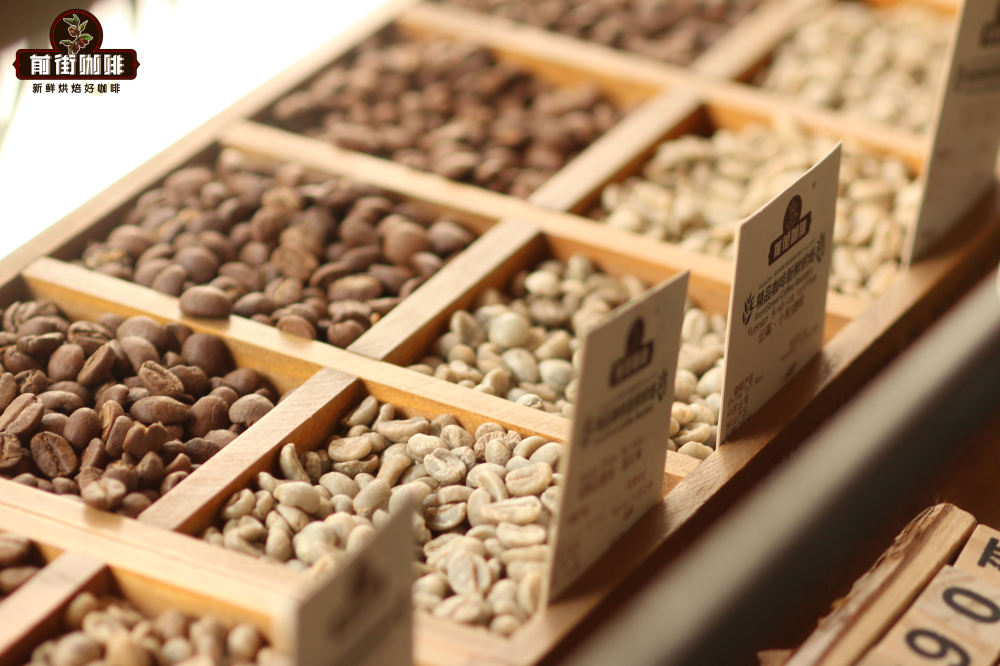
Since the fifteenth century, coffee, as a common beverage, has served as a stimulant to refresh the mind. Until the rise of the third wave of specialty coffee, roasters tended to favor lighter roasts, and the unique acidity and aroma in coffee have captivated batch after batch of coffee drinkers. Many newcomers who have just discovered the beauty of coffee stand in front of the bean shelves at FrontStreet Coffee, facing over fifty types of coffee beans from different regions, different estates, different processing methods, and different varieties, feeling bewildered. Next, Front Street will introduce ten relatively famous producing regions.
[Brazil]
Recommended: Front Street Brazil Red Bourbon Coffee Beans
Brazil is the world's largest coffee exporter, supplying about 60% of the world's coffee. Brazilian coffee is known for its motherly gentleness—neither too acidic nor too bitter, with pronounced sweetness and rich aroma, making it the most friendly coffee bean for pour-over beginners.
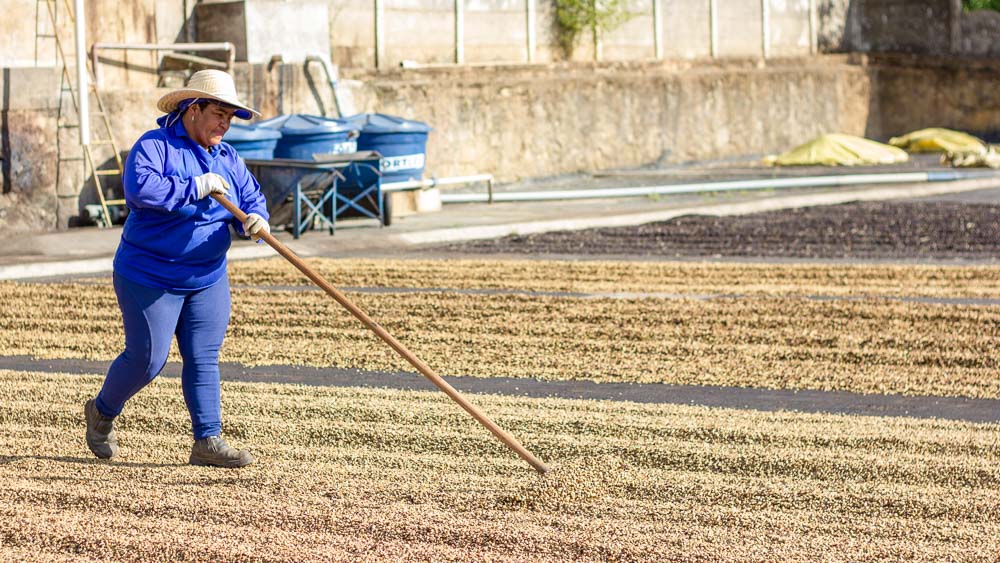
On the bean shelves of FrontStreet Coffee, there are two types of coffee beans from Brazil. One is Front Street Brazil Cerrado Coffee, a common local Red Bourbon variety from Minas Gerais; the other is Front Street Brazil Queen's Estate, from Mogiana, São Paulo, belonging to the rare Yellow Bourbon variety.
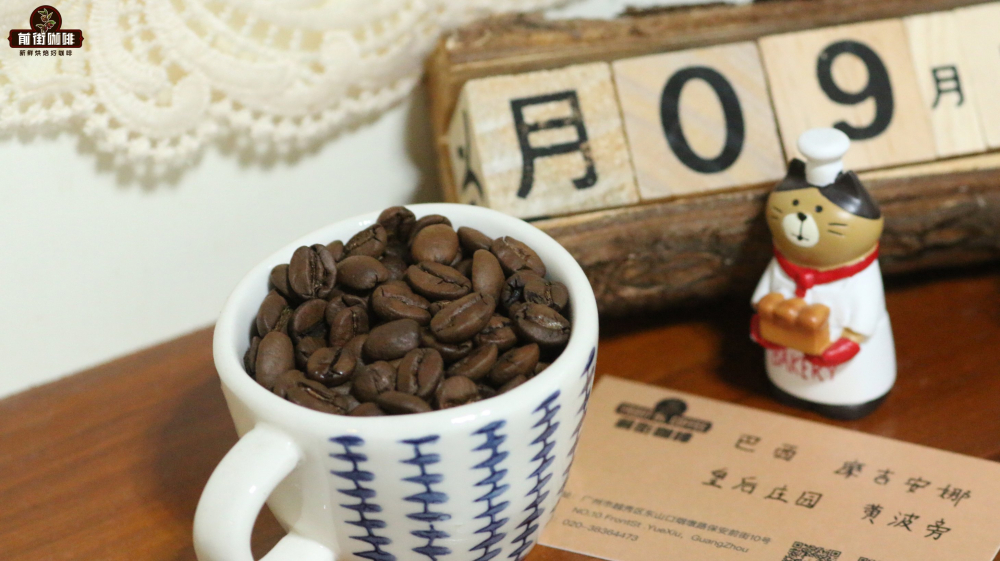
Among them, the Yellow Bourbon grown at Queen's Estate in the Mogiana region has a thicker mucilage layer in the fruit than Red Bourbon, meaning it is richer in fructose substances. Using a refined small-scale natural processing method, whole ripe fruits are kept intact and evenly sun-dried, allowing more sugars and aromatic substances to slowly penetrate into the green coffee beans. Ultimately, Front Street Brazil Natural Yellow Bourbon not only has the classic peanut and cream flavors of Brazilian coffee but also possesses stronger sweetness and a more solid mouthfeel.
[Colombia]
Recommended: Front Street Colombia Huila Coffee Beans
Unlike its neighbor Brazil, which relies on large volume, Colombia relies on its good mountains and water, producing coffee beans with a "hard bean" style that contrasts sharply with Brazil's "soft bean" style. This difference can be compared through FrontStreet Coffee's daily drink series.
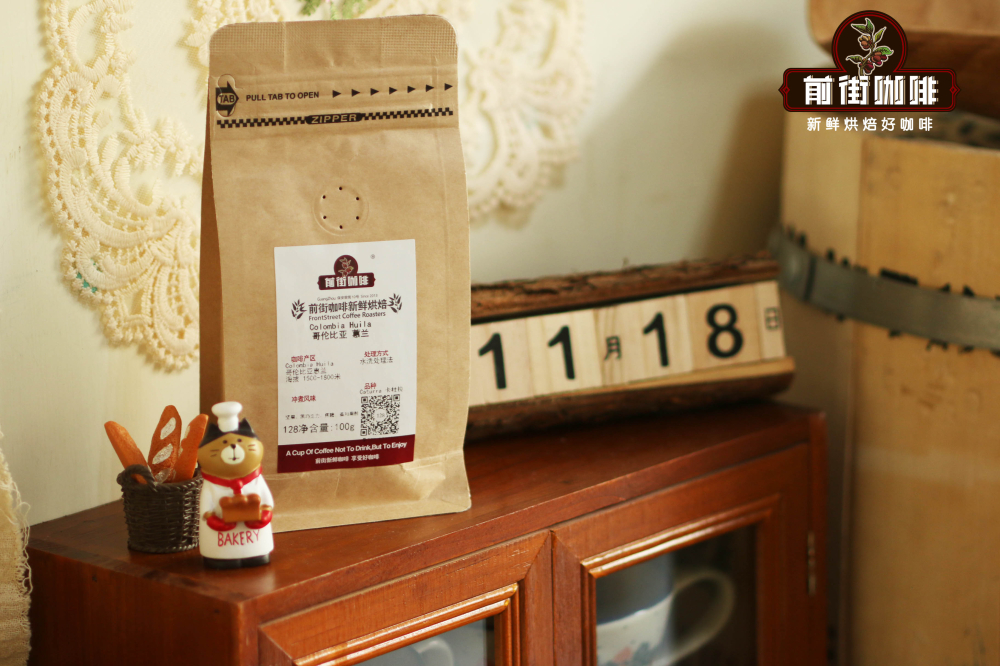
Front Street Huila Coffee Beans possess the basic characteristics of Colombian coffee: a smooth mouthfeel, rich dark chocolate flavor, a hint of fruity acidity, and a caramel finish. This is the initial impression many coffee connoisseurs have of Colombia.
[Guatemala]
As a representative of Central America, Guatemalan coffee typically has rich nutty tones, caramel and toffee-like sweetness, bright and pleasant acidity, a rounded mouthfeel, and overall balance.
On the bean shelves of FrontStreet Coffee, there is a coffee bean called Flor de Café, produced at La Minita Estate in the Antigua region. The estate has fertile volcanic soil, and the coffee trees are planted on slopes at an altitude of 1,200 meters with taller shade trees, where the large temperature difference between day and night allows the fruits to mature more slowly.
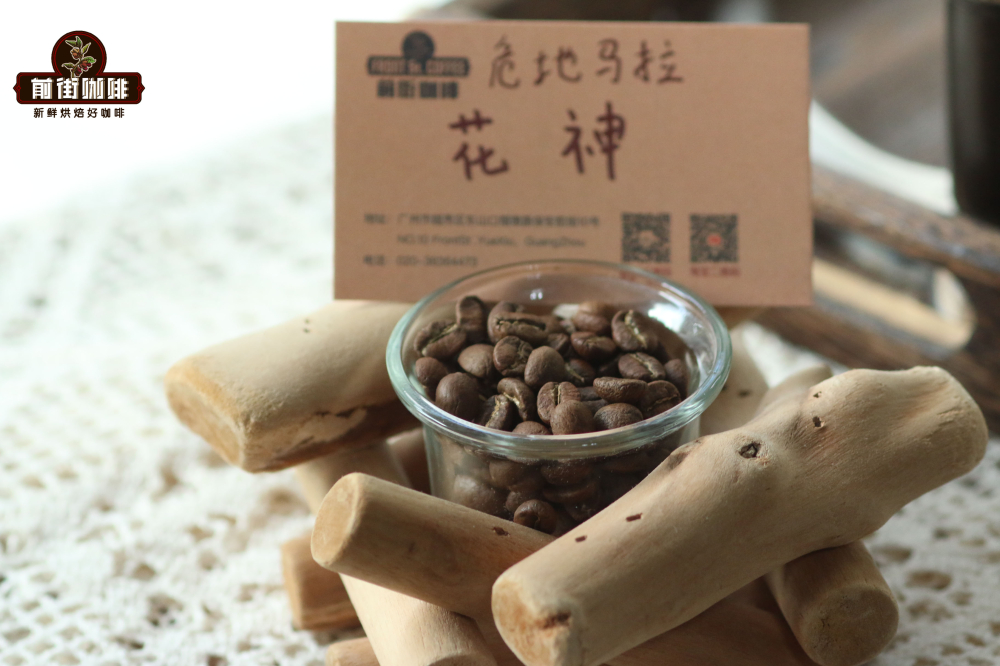
Ultimately, Front Street's Flor de Café beans have a soft acidity of berries and citrus, along with a touch of elegant white floral fragrance.
[Costa Rica]
Recommended: Front Street Mozart Coffee Beans
Costa Rican coffee has always been known for being "sweet as honey," which is closely related to the locally popular coffee processing methods. In 2006, a coffee estate won the national specialty coffee competition with its honey-processed beans. Later, due to a major earthquake and water shortage in the country, honey processing rose rapidly, becoming the fourth major processing method after natural, washed, and semi-washed.
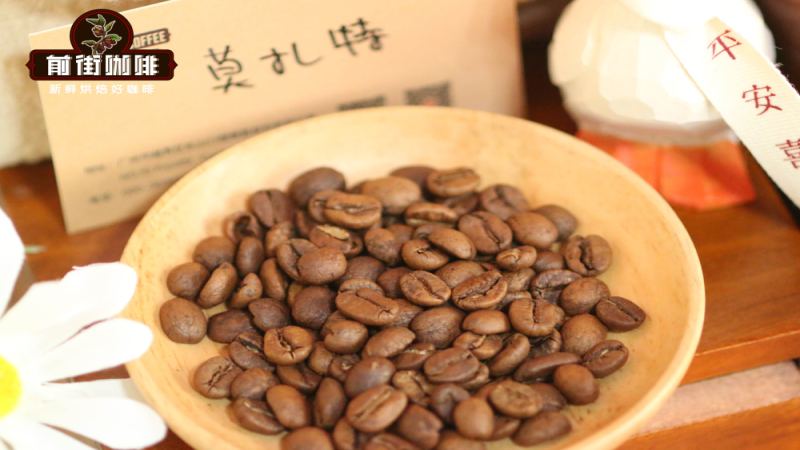
On the bean shelves of FrontStreet Coffee, Front Street Mozart Coffee Beans have become a high-quality product repurchased by many fans due to the more intense and wild flavors brought by the raisin honey processing method. This raisin honey process, which combines natural and honey processing, first sun-dries the coffee fruit until shriveled, then removes the skin while retaining semi-dry mucilage for drying, undergoing a two-stage fermentation process.
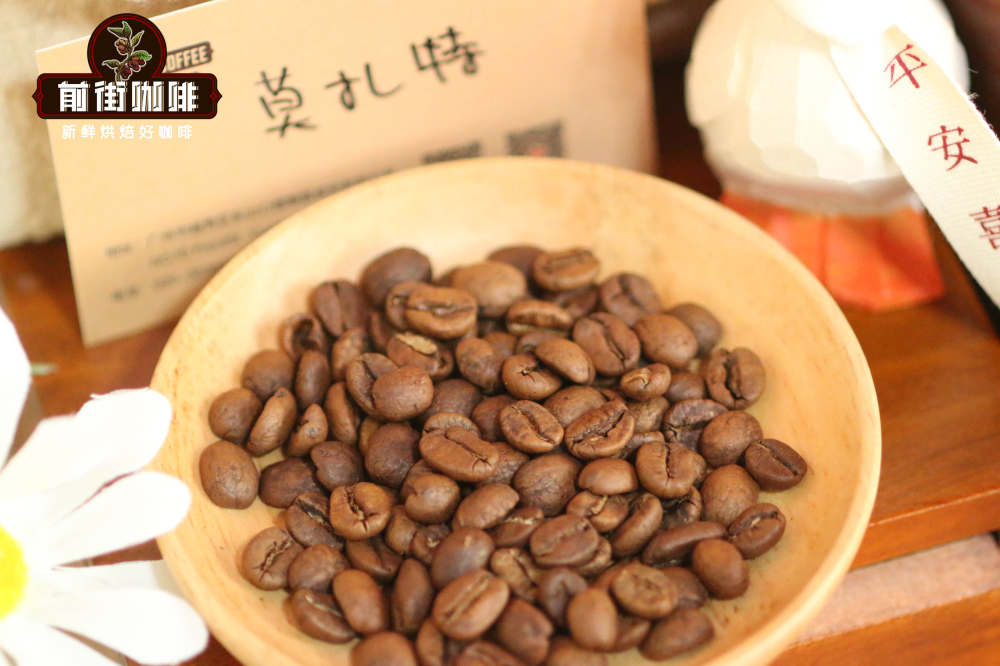
Through cupping comparisons between ordinary honey processing and raisin honey processing, FrontStreet Coffee found that Mozart has a more complex and intense aroma, a white wine-like mouthfeel, and a more balanced sweet and sour taste.
[Panama]
Recommended: Front Street Panama Hacienda La Esmeralda
Panamanian coffee is a representative of nuclear-level fruit bombs, and its Panama Geisha coffee is famous for its scarce production and superior quality. Panama Geisha coffee, with its citrus acidity, floral aroma, honey sweetness, and thick juicy mouthfeel, has captured batch after batch of coffee lovers, while its price has ranked at the top among many specialty coffee beans for nearly twenty years.
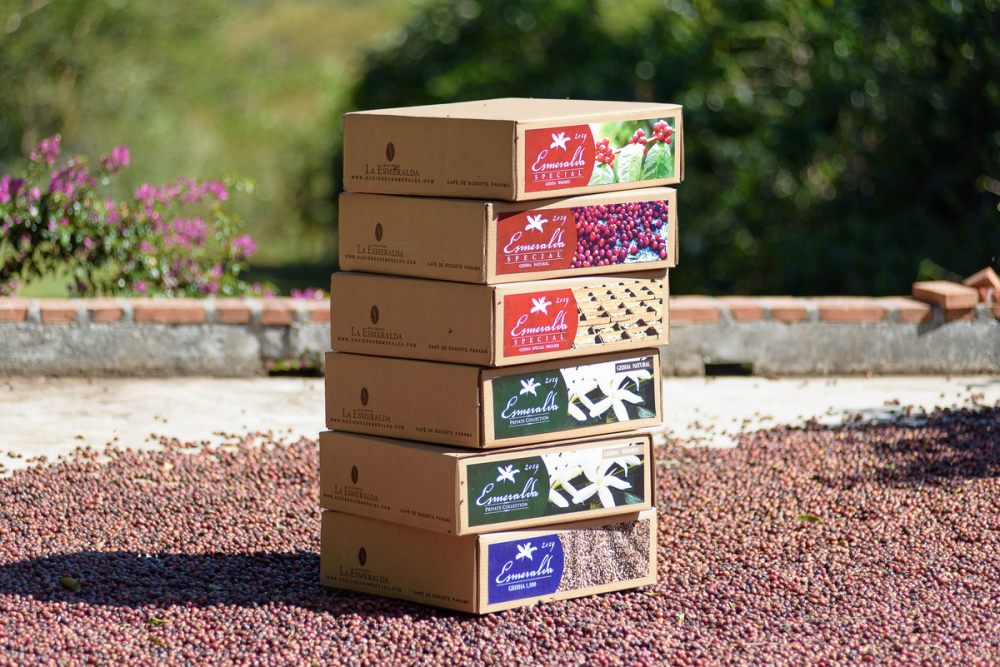
FrontStreet Coffee pays great attention to Panama's annual BOP competition and also acquires Geisha coffee beans from different estates each year for comparison. Hacienda La Esmeralda, as a classic Panama Geisha coffee estate, is a regular on FrontStreet Coffee's blackboard.
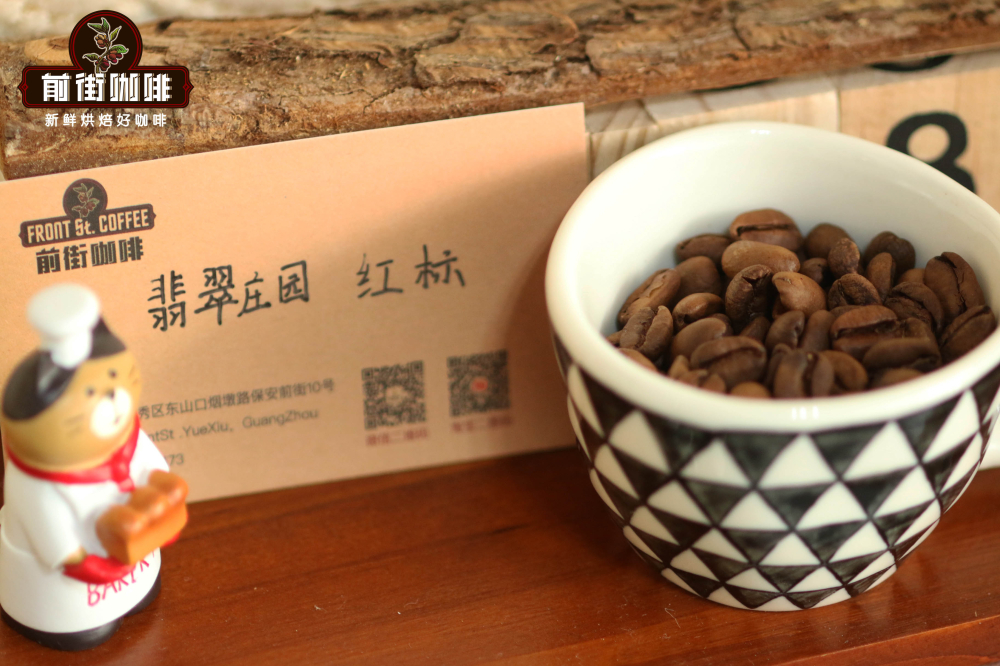
In order to recreate the taste of the 2004 BOP champion, Front Street Hacienda La Esmeralda Red Label Geisha comes from the famous Jaramillo farm, specifically the Mario plot, and uses natural processing. With the support of natural processing, Front Street Red Label Geisha has a more intense aroma and stronger sweet and sour taste, while exhibiting elegant floral, citrus, mango, peach, raspberry, and other complex floral and fruity aromas.
[Kenya]
Recommended: Front Street Kenya Little Tomato Coffee Beans
Kenya is located in East Africa, with the equator crossing central Kenya and the Great Rift Valley running north to south. Kenya has many highland terrains, with an average altitude of 1,500 meters. Mount Kenya, the second highest peak in Africa, has an altitude of 5,199 meters, with snow covering its summit year-round. Kenya is in a tropical producing region with two rainy seasons each year, and harvest seasons from October to December and June to August. Kenyan coffee growing areas are mainly distributed in volcanic lands at altitudes of 1,600 to 2,100 meters. Due to the suitable altitude, the time required for coffee cherries to mature is extended, allowing aromatic components in the beans to be fully absorbed, resulting in pronounced fruity acidity and harder beans.
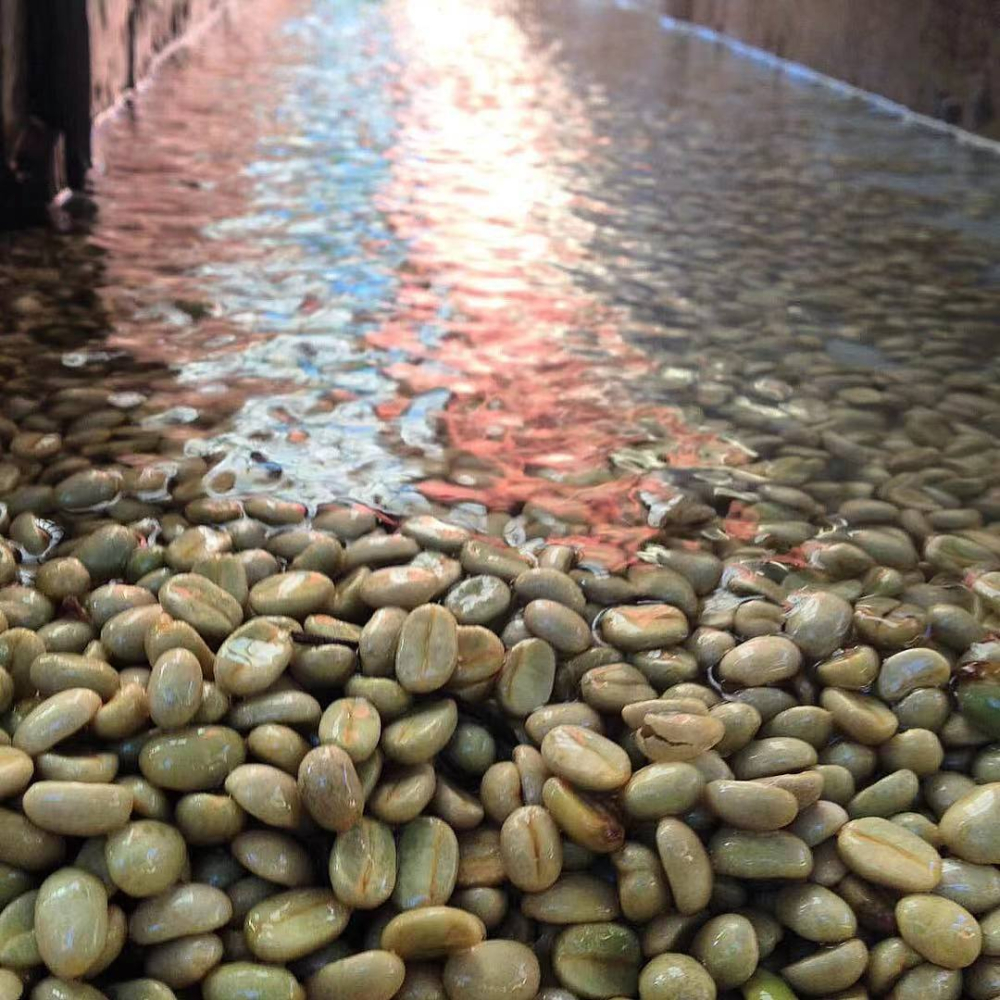
Central and South American beans rarely ferment in washing tanks for more than 36 hours, but Kenyan washed coffee takes up to 72 hours. After 30-48 hours of fermentation, the parchment coffee is removed from the tank, by which time the mucilage on the bean surface has been completely removed, but it still needs 24 hours of soaking in clean water. After cupping multiple beans, Front Street found that this extra fermentation procedure gives Kenyan coffee a flavor,mouthfeelthat is cleaner and more refreshing, while also having a solid body and bright fruity acidity.
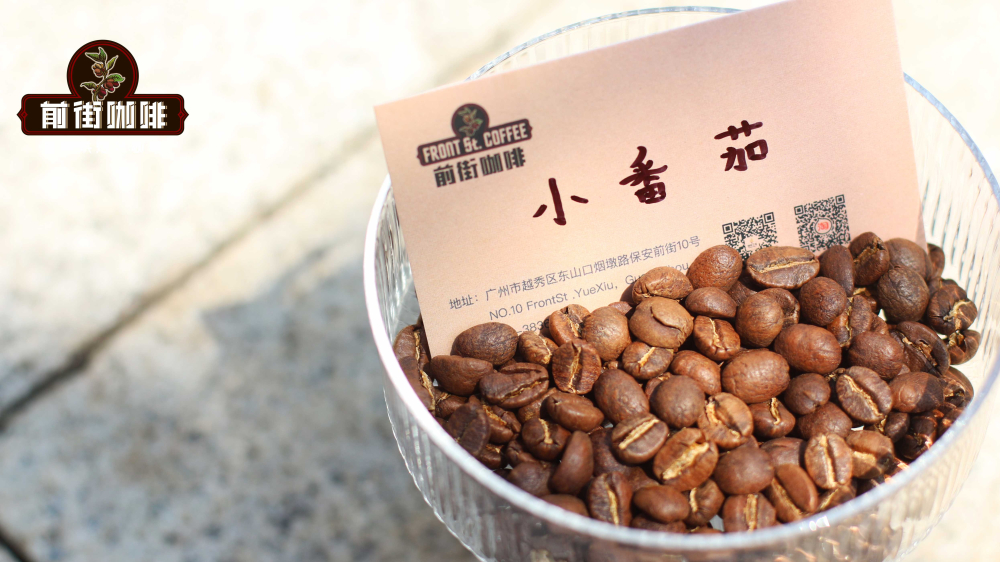
To taste the unique aroma of Kenyan coffee, Front Street Little Tomato Coffee Beans are recommended. They use the locally prevalent 72-hour washed process, belong to the SL28 and SL34 varieties that naturally carry floral and fruity flavors, and after medium-light roasting present full flavors of smoked plum, cherry tomato, snow pear, yellow sugar, and plum.
[Ethiopia]
Recommended: Front Street Flower Kui Coffee Beans
Ethiopia is the birthplace of Arabica coffee beans. Front Street's cupping comparisons of coffees from different regions of Ethiopia found that even with different regions, different varieties, and different processing methods, Ethiopian coffee's bright citrus and berry acidity, and its sweet-and-sour juice-like character, are always present.
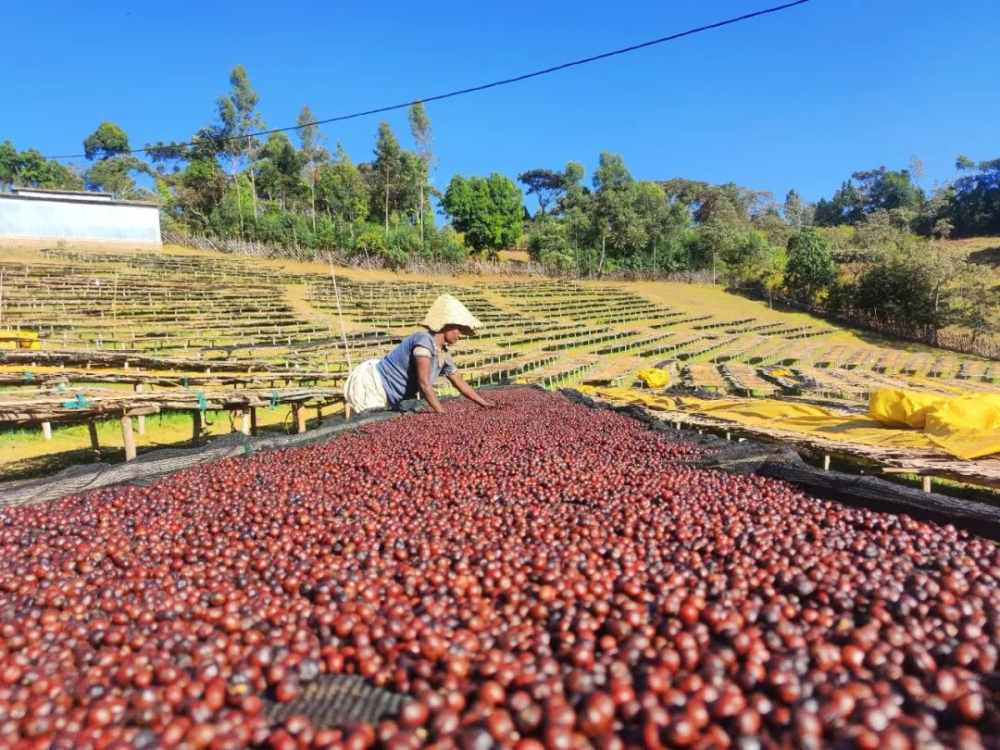
Coffee connoisseurs often say "washed Yirgacheffe, natural Sidamo." On the basis of citrus and berries, Yirgacheffe and Sidamo can be said to be two completely different styles. Washed Yirgacheffe is known for its elegant floral aroma and delicate, refreshing flavor; natural Sidamo coffee carries its wild berry and cream flavor to the extreme.
Front Street Flower Kui Coffee Beans are something coffee connoisseurs inquire about every new harvest season.Flower Kui Coffeeonce won the championship in the natural group of the TOH Ethiopia competition in 2017 with its rich strawberry and cream flavor. In domestic coffee brewing competitions, the story of a contestant usingFlower Kui Coffeebeans to win second place on a competition field full of Geisha has also been widely circulated.
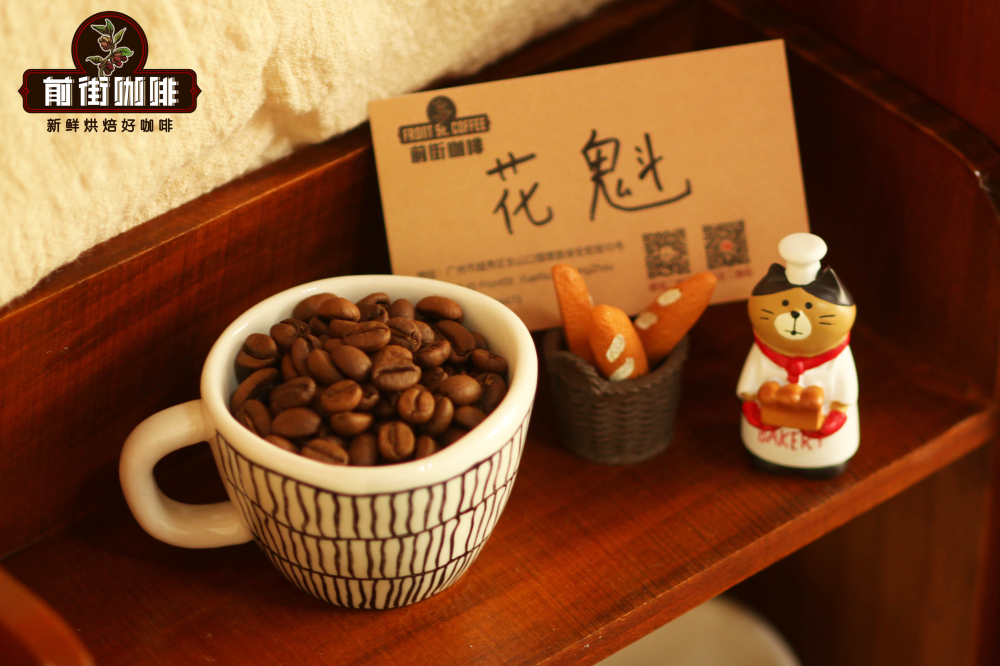
The new-season Front Street Flower Kui Coffee Beans still use traditional natural processing, and the light roast brings out flavors of strawberry, grapefruit, citrus, cream, and orange blossom. Whether made as pour-over coffee, cold brew coffee, or moka pot coffee, it presents a soft and fragrant aroma.
[Indonesia]
Recommended: Front Street PWN Golden Mandheling Coffee Beans
Front Street Mandheling coffee has a fascinating charm. It is not as fruity and sweet as Ethiopian coffee, nor as floral and fruity as Geisha, but its unique flavor has captured the hearts of many coffee drinkers. Front Street Indonesian Mandheling coffee is incredibly aromatic and mellow, once considered the coffee with the highest body in the world, with a rich, intense taste, a slight syrupy note, and excellent acidity.
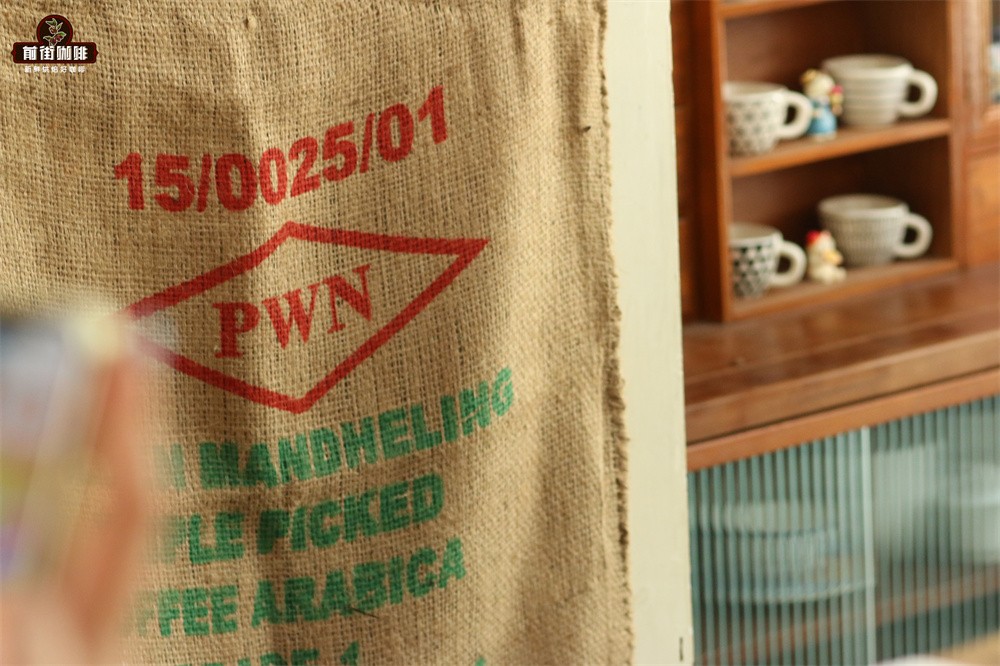
As the cream of the crop, Front Street Golden Mandheling Coffee is the first choice for every lover of full-bodied, rich coffee. Under PWN Company's extremely strict production standards, Mandheling not only ensures bean consistency but also minimizes the defect rate, making the coffee cleaner and more aromatic. Therefore, Front Street PWN Golden Mandheling has become synonymous with high-quality Mandheling. Every sack of Front Street Golden Mandheling green beans is printed with the PWN label and comes with a certificate, which are the best proof of high-quality Golden Mandheling.
[Yunnan, China]
Recommended: Front Street Yunnan Small-Bean Typica Coffee Beans
Yunnan is one of China's most important specialty coffee producing regions. In this mountainous forest with surreal karst landscapes, both animal and plant species are among the most diverse in China. In the unique karst landscape, Yunnan small-bean coffee has been cultivated, aromatic but not harsh, rich but not bitter.
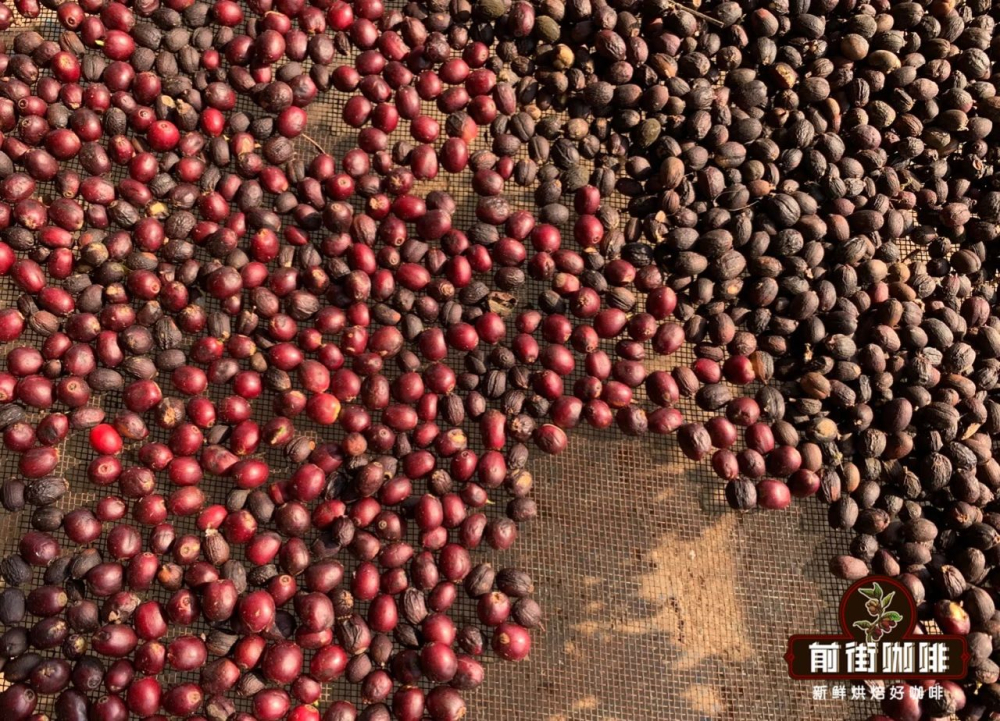
In order to learn the path of specialty coffee from "seed" to "cup," Front Street Coffee established Front Street Coffee Estate in Lincang, Yunnan. After learning that specialty coffee is "70% about variety, 30% about environment," they did not follow the trend of planting Catimor with Robusta genes, but instead started from scratch growing the most original Arabica variety—Typica.

After years of cultivation, the joy of harvest finally arrived. All the red fruits of Front Street Yunnan Small-Bean Typica Coffee were used for natural processing and medium roasting to enhance the coffee aroma. Ultimately, Front Street Yunnan Small-Bean Typica Coffee has a soft berry acidity, distinct nutty tones, brown sugar sweetness, and a black tea finish on the palate.
[Jamaica]
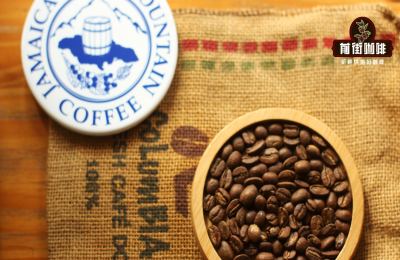
Recommended: Front Street Jamaica Blue Mountain No.1 Coffee Beans
As one of the top coffees, Blue Mountain coffee makes both senior office clerks and cops chasing thieves in Hong Kong dramas light up at the mention of it. Blue Mountain coffee is so famous that even coffee novices know its name before tasting it.
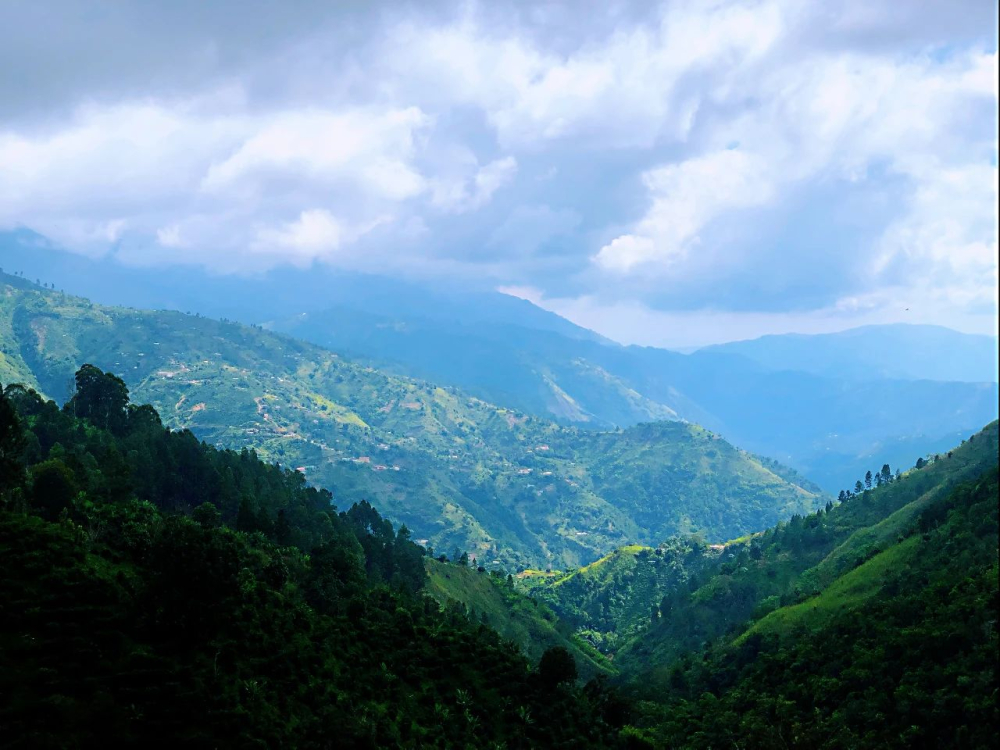
Front Street Blue Mountain Coffee Beans are grown in Jamaica's Blue Mountains. Sunlight shines directly on the azure Caribbean Sea, and the blue light reflects over the Blue Mountain range, hence the name "Blue Mountain." Front Street Blue Mountain No.1 Coffee Beans come from Clifton Farm, the only farm in the Blue Mountain region with Rainforest Alliance certification. The surrounding dense forests and diverse wildlife prove the superiority of its growing environment.
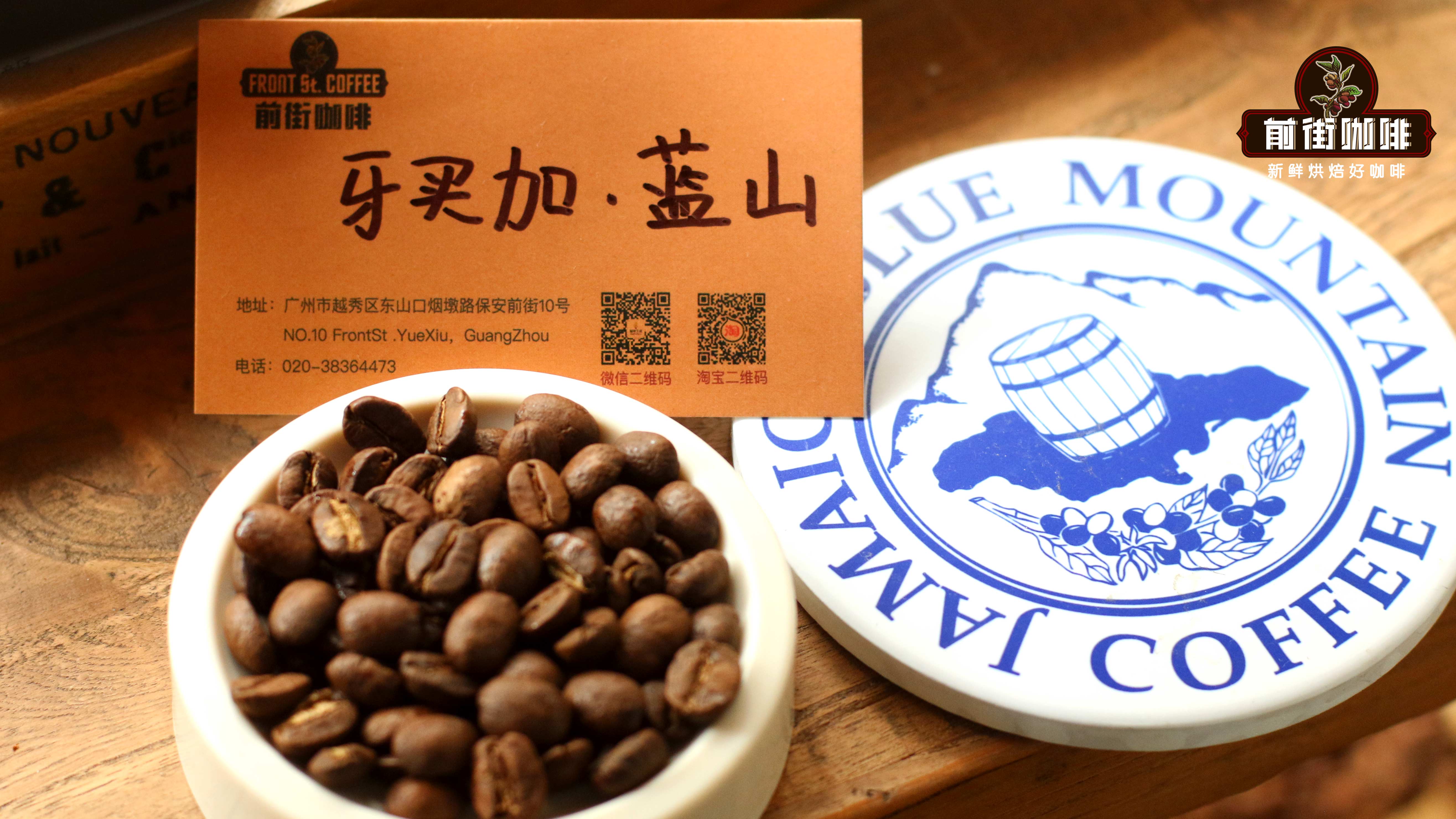
FrontStreet Coffee has cupped many Blue Mountain coffees and found that Clifton Farm's Blue Mountain coffee has a fragrant, intense flavor and a rich, mellow mouthfeel, making it one of the outstanding representatives of the region.
The above content is compiled by CoffeeHunters, a coffee news website.