







Search Results for: Smoky flavor
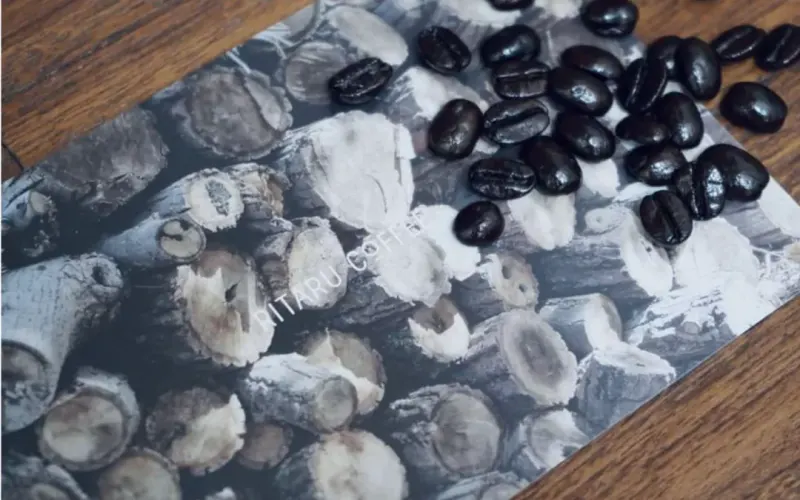
Smoking Coffee Beans with Wood Fire: A New Exploration from an Old Schoolhouse in Hokkaido to Smoky Flavors in the Cup
Smoky flavors in coffee are often seen as a defect, but properly roasted dark roast beans, Guatemala origins, and coffee smoked with specific woods can deliver a pleasant smoky experience. Hokkaido University in Japan, in collaboration with Sapporo's Ritaru coffee, used century-old trees felled during the demolition of old school buildings to smoke coffee beans, giving the coffee a unique woody aroma. Roasters must repeatedly experiment and make adjustments based on tree species, moisture content, thickness, and other factors, and often choose Guatemala or Tanzania beans to harmonize the flavors. This article will take you through the story and professional details behind this innovative process. [more…]
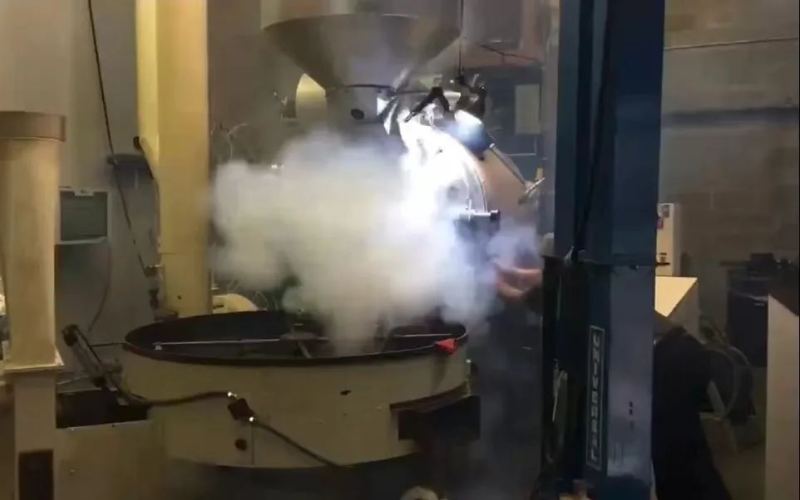
Where Does the Smoky Flavor in Guatemalan Coffee Come From? Analyzing the Causes of Roast Smokiness and Regional Flavor Characteristics
Does tasting a smoky flavor in coffee necessarily mean something went wrong during roasting? In fact, the sources of smoky flavors can be entirely different. One comes from improper smoke exhaust during roasting, where silver skin and smoke flow back and infuse the beans, creating a harsh, irritating defect flavor; the other is a unique signature bestowed by the terroir of the Guatemala region, expressed as a delicate, tobacco-like aroma rather than a defect. This article will start from the principles of roasting to distinguish the essential differences between the two types of smoky flavors, and introduce two Guatemalan beans currently sold by Front Street Coffee—Huehuetenango and Antigua Flower God. The former has lively acidity with citrus and nutty notes, while the latter has prominent sweetness with a faint, elusive smokiness. Whether you want to troubleshoot roasting issues or explore the charm of Guatemalan terroir, you can find answers here. [more…]
Where Does the Smoky Flavor in Coffee Beans Come From? A Complete Analysis of Dark Roasting and Sweetness Changes
Many people believe that the darker the coffee beans are roasted, the stronger the sweetness will be—this is actually a common misconception. During the roasting process, the development of sweetness, the involvement of caramelization, and the emergence of smoky notes are all closely tied to temperature and time. This article will start from the various roasting stages, from green beans to roasted beans, and carefully trace the rise and fall of sweetness intensity, while explaining exactly how smoky flavors remain in the coffee beans. It will also share how to reduce the impact of smoky notes on flavor through smoke exhaust, helping coffee lovers gain a more comprehensive understanding of the science behind roasting, and recommend related products from Front Street Coffee. [more…]

Lele Tea's Lu Xun collaboration "Smoky Oolong" criticized by CCTV.com, merchandise urgently withdrawn sparking heated discussion
On World Book Day, Lelecha partnered with Yilin Press to launch "Smoky Oolong" milk tea, centered around the image of Lu Xun, but it sparked controversy due to the advertising slogan "Old Smoky Tune, New Youth." CCTV.com published an article criticizing the collaboration for turning a literary master into entertainment and for inappropriate wording. Subsequently, Lelecha urgently removed the related merchandise and promotional posts. Behind the incident, the boundary issues of tea beverage brands collaborating with historical figures have once again drawn attention. Front Street Coffee takes you through the whole story. [more…]

Analyzing the Causes of Smoky Flavors in Coffee: Differences Between Dark and Light Roasts and a Detailed Explanation of Charcoal-Roasted Coffee
In coffee tasting, how exactly is the emergence of smoky aroma related to the degree of roasting? This article will focus on the physical changes of coffee beans during roasting to explain the formation principle of smoky flavor, while systematically comparing the differences between dark-roasted and light-roasted coffee, and explaining the characteristics of charcoal-roasted coffee. The article also mentions relevant product information from Front Street Coffee to help enthusiasts more clearly understand the influence of roasting on flavor direction. [more…]
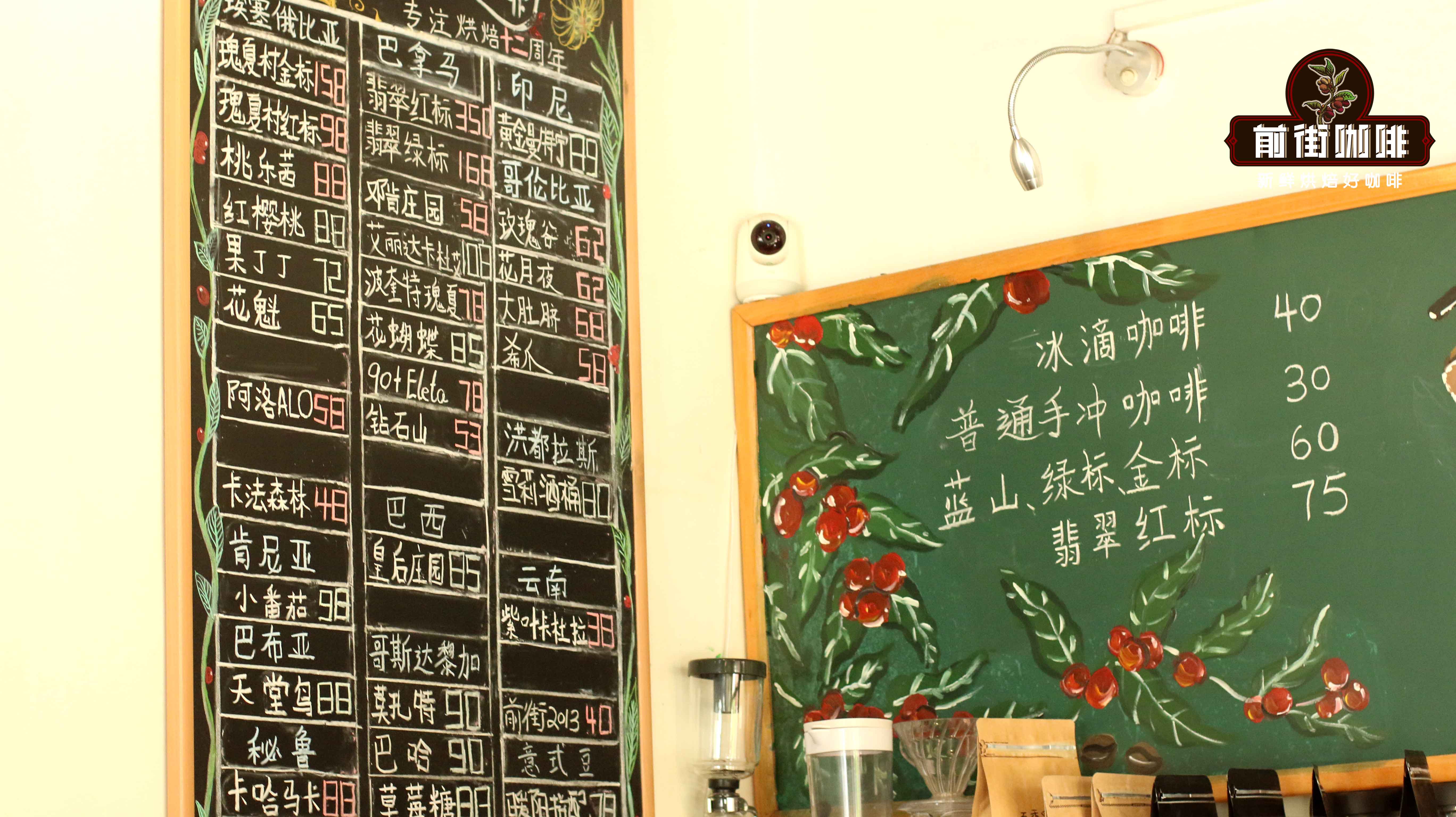
Guatemalan Coffee Flavor Analysis: Smoky Notes and Pour-Over Techniques in Antigua and Huehuetenango Regions
Guatemalan coffee is renowned worldwide for its distinctive smoky flavor and balanced acidity, with the two major regions of Antigua and Huehuetenango standing out in particular. This article provides an in-depth analysis of the geographical environment, climatic characteristics, and growing conditions of Guatemalan coffee, detailing the fertile volcanic soil of the Antigua region and the high-altitude advantages of the Huehuetenango highlands, while also systematically explaining the complete process of the washed processing method. At the same time, Front Street Coffee will share the brewing parameters and flavor performance of Huehuetenango coffee, taking you to appreciate the perfect blend of citrus and berry acidity with a black chocolate and smoky finish. [more…]
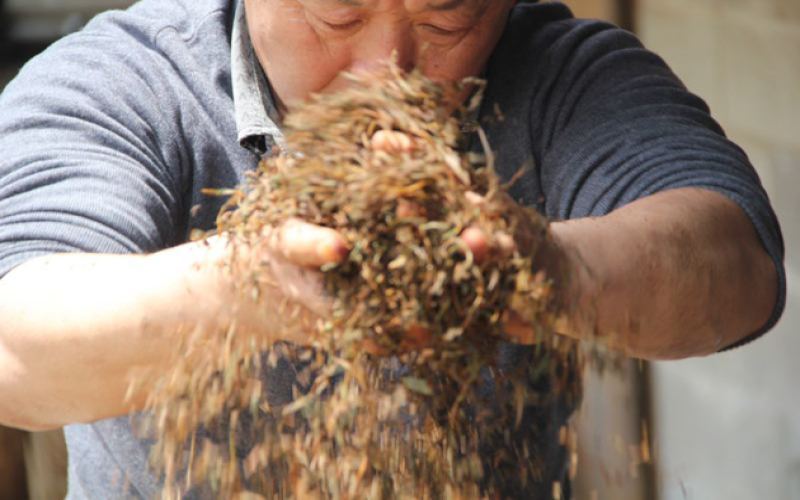
Why Does Lapsang Souchong Have a Sweet Fruity Aroma? A Full Analysis of the Three Major Flavor Types and Traditional Characteristics
Lapsang Souchong is often described as a black tea with a captivating sweet fruity aroma, but many enthusiasts find upon actually tasting it that the smoky flavor is intense, falling far short of expectations. In fact, the production of Lapsang Souchong in Tongmu Pass has now diverged into three styles: those with both smoky and fruity notes, those with coexisting smoky and woody notes, and those that are completely smoke-free with a rich fruity aroma. Traditional Lapsang Souchong, due to the spring cold in Tongmu Pass, has been dried over pine wood since ancient times, invariably carrying some smokiness, whereas the native Qi Zhong (rare variety) naturally boasts a prominent fruity aroma. This article will clarify the origins of the sweet fruity aroma, outline the three major types, and introduce the Lapsang Souchong Qi Zhong recommended by Front Street Coffee—smoke-free, full of fruity aroma, and with a long-lasting aftertaste. [more…]
Guatemala Antigua Coffee Flavor Analysis: Smoky Acidity Nurtured by Volcanic Soil and Mayan Coffee Culture
Guatemala Antigua coffee, with its balanced and refreshing fruit acidity, rich spice aroma, and uniquely distinctive smoky flavor, is regarded as one of the finest and most distinctive coffees in the world. This flavor comes from the fertile volcanic soil and a desolate history—Antigua was once the capital during the Spanish colonial period, but lost its prosperity in an instant due to a volcanic eruption. After returning to simplicity, it was the hardworking Indigenous people who managed the coffee cultivation. They not only discovered the rich, alluring, and unique aroma of Antigua coffee, but also brought it to the world. This article will analyze the flavor characteristics of Antigua coffee beans from three dimensions: terroir, history, and Maya culture, and introduce the SOE espresso taste performance of Front Street Coffee. [more…]
An In-Depth Analysis of the Guatemala Antigua Coffee Region: Volcanic Soil, Bourbon Variety, and a Distinctive Smoky Flavor
The Antigua region of Guatemala is renowned worldwide for its exceptional quality and layered flavors, where chocolatey sweetness intertwines with elegant acidity, and the distinctive smoky note in the finish is endlessly memorable. This land boasts over 300 microclimates and fertile volcanic soil, providing uniquely favorable conditions for coffee cultivation. Antigua primarily grows the Bourbon variety, and the high altitude with large temperature swings between day and night allows the coffee cherries to accumulate more sugars, extending the maturation period and making the flavor increasingly complex and rich. This article will guide you into the terroir secrets of the Antigua region, from volcanic ash soil to the flavors in the cup, exploring the mysteries of this fine brew. [more…]
Guatemalan Antigua Coffee: A Unique Smoky Flavor Rooted in Volcanic Soil and Mayan Heritage
Guatemalan Antigua coffee is renowned worldwide for its balanced fruity acidity, rich spicy aroma, and signature smoky flavor. Behind this cup of coffee lies a tapestry woven from the ancient heritage of Mayan civilization, the rise and fall of Spanish colonial history, and the unique terroir bestowed by volcanic soil. From the diligent cultivation of the indigenous people to the admiration of today's international coffee connoisseurs, Antigua coffee carries a story spanning hundreds of years. This article will guide you through an in-depth understanding of Antigua coffee's flavor characteristics, historical origins, and its unique position in the global coffee landscape. [more…]
Guatemala Antigua Coffee Flavor Analysis and Pour-Over Tasting: From Volcanic Soil to Noble Smoky Notes
Guatemalan coffee has always been renowned for its rich elegance, and the Antigua region is the crown jewel among them. Surrounded by three active volcanoes, its volcanic soil is rich in nitrogen, creating the distinctive smoky and charcoal-roasted flavors of Antigua coffee. This article will take you deep into the taste characteristics of Antigua coffee—from its rich, smooth chocolate sweetness to its captivating tobacco aroma, and on to its stunning performance when paired with chocolate. We will also trace the history of how coffee was introduced to Guatemala, analyze the flavor differences among its eight major producing regions, and recommend Front Street Coffee's classic Antigua bean. Whether you are a pour-over enthusiast or an espresso player, this article will help you gain a comprehensive understanding of this noble bean known as "cigarette coffee." [more…]
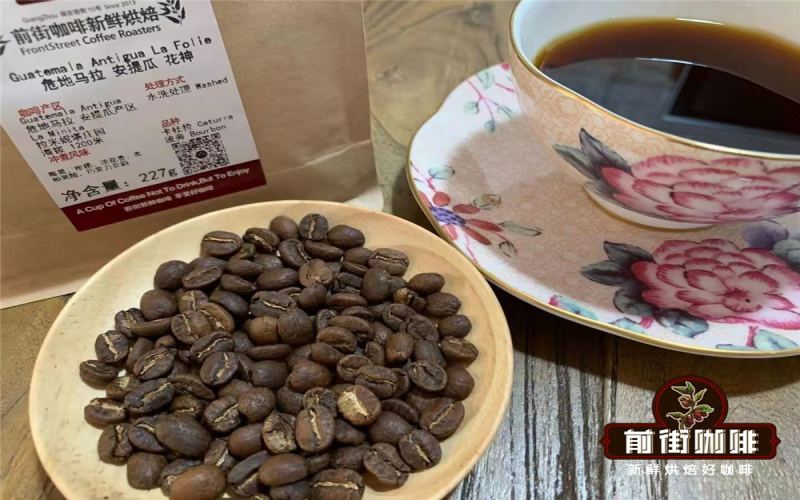
Flavor Analysis of Guatemala Antigua La Flor del Café: Where Does the Smoky Note Come From and Key Brewing Points
The Flor coffee beans from Guatemala's Antigua region are often discussed as to whether they carry a smoky flavor, but this flavor actually stems from the combined effects of the local volcanic soil and high-altitude microclimate. This article will outline the growing environment of the Antigua region, the cultivation and processing methods at La Minita Estate, the varietal composition and washed processing of Flor coffee beans, and provide Front Street Coffee's roasting approach and pour-over parameter recommendations, including coffee-to-water ratio, water temperature, grind size, and three-stage pouring rhythm. It will also explain the flavor profile of Flor coffee beans, such as berry acidity, citrus, and slight chocolate notes, as well as Front Street's recommendations on fresh roasting and resting period, helping coffee enthusiasts gain a more complete understanding of this bean's characteristics and brewing direction. [more…]
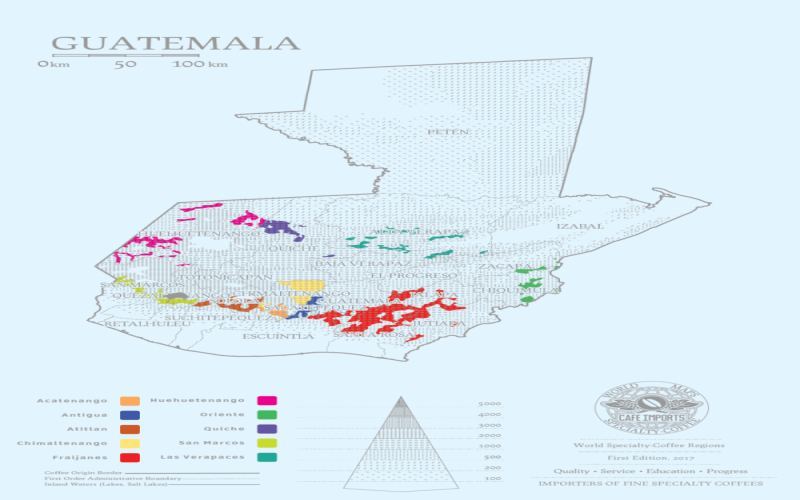
A Detailed Guide to the Flavor Characteristics, Prices, Varieties, and Processing Methods of Coffee Beans from Guatemala's Huehuetenango Region
Guatemala is a highly recognizable origin in the coffee world, and its coffee often carries a cigar-like smoky note, a flavor that is quite rare in other producing countries. This article focuses on Guatemala's most renowned region, Huehuetenango, outlining its geographical environment, growing altitude, varietal composition, and processing methods, and explaining the controversy over the source of the smoky flavor. It also introduces the coffee beans from this region selected for Front Street Coffee's everyday drinking series, priced at only 25 yuan/100 grams, along with the cup profile and pour-over parameter recommendations, making it suitable for enthusiasts who want to gain a deeper understanding of Guatemalan coffee. [more…]
Guatemalan Antigua Coffee: Smoky Flavors and Mayan Heritage Born of Volcanic Soil
Antigua coffee is world-renowned for its balanced fruity acidity, rich spicy notes, and signature smoky flavor, behind which lies the diligent cultivation of Mayan descendants and the generous gift of volcanic soil. This article will take you into Antigua, Guatemala, providing a comprehensive interpretation of this noble bean variety known as "cigarette coffee," from the historical context of Mayan culture to the terroir conditions of coffee cultivation, from the flavor characteristics of classic Antigua coffee to its acclaim among global coffee connoisseurs. At the same time, Front Street Coffee will also recommend Antigua products worth savoring, allowing you to experience the desolate history and mysterious aroma in that cup. [more…]

A Complete Guide to Guatemalan Coffee Flavors: Smoky, Charred Notes and the Eight Major Regions Explained
Although Guatemala is not mentioned as often as Brazil or Colombia, it has secured a place in the specialty coffee landscape with its rich, smooth body and distinctive charcoal-smoke aroma. Antigua coffee is even nicknamed "cigarette coffee." This article will guide you through Guatemala's geography and climate, its coffee-growing history, and an in-depth analysis of the terroir characteristics of its three representative regions—Antigua, Huehuetenango, and Nuevo Oriente. It will also introduce the specific details and brewing parameters of Front Street Coffee's two Guatemalan beans, La Flor and Huehuetenango, and finally provide a complete flavor description to help you fully appreciate the unique charm of this Central American coffee-producing country. [more…]
Guatemalan Coffee Beans Pour-Over Parameters Explained: Causes of High-Altitude Acidity and Smoky Flavor, and a Brewing Guide
Guatemalan coffee beans attract many pour-over enthusiasts with their distinctive smoky aroma and bright fruit acidity. But many people brewing at home either struggle to reproduce their signature flavor or find the acidity too pronounced. Are Guatemalan coffee beans actually acidic? What factors shape their sweet-tart balance and smoky character? From the perspective of Front Street Coffee, this article breaks down the flavor formation of Guatemalan beans across three dimensions—regional terrain, coffee varieties, and processing methods—and shares the pour-over parameters and brewing techniques for two beans, Front Street Antigua Flower God and Front Street Huehuetenango, helping readers understand the acidity profile of high-altitude beans and master the key details for consistent extraction. [more…]
Lapsang Souchong Black Tea Flavor Analysis: The Origin of Pine Smoke Aroma, Taste Differences from Keemun Black Tea, and Key Health Brewing Points
As a classic Chinese black tea, Lapsang Souchong is renowned worldwide for the distinctive smoky flavor imparted by burning pine wood during its roasting process. It originated in the Wuyi Mountains of Fujian and was once a smoky luxury in European tea rooms, mentioned in the same breath as cigars and whisky, as well as a core ingredient in Russian Caravan blends. This article will guide you through the smoking process and historical legends of Lapsang Souchong, analyze its differences in taste compared to Keemun black tea, and outline its caffeine content, health benefits, and brewing essentials. Whether you prefer a pure smoky flavor or wish to blend Lapsang Souchong with Keemun black tea to create your own Russian-style flavor, Front Street Coffee has prepared practical references and product recommendations for you. [more…]
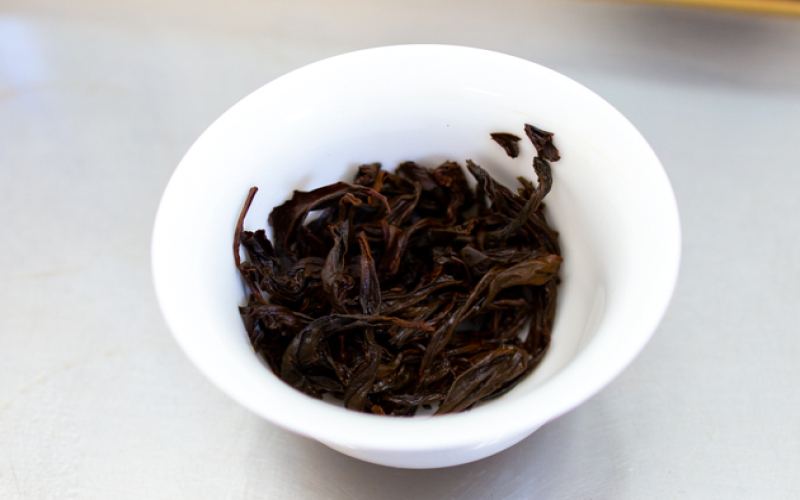
An Analysis of the Relationship Between Tongmu Caicha and Lapsang Souchong: The Source of Lapsang Souchong's Sweetness and a Flavor Comparison with Wuyi Qizhong
As the originator of black tea in the world, Lapsang Souchong's unique fruity sweetness is inseparable from the unique small-leaf vegetable tea variety of Tongmu Village and the traditional charcoal roasting process. This article will start from the maturation mechanism of the charcoal roasting process, compare the flavor differences between Tianxiang Xiaochi, Wuyi Qizhong, and Tongmu Xiaocai Tea, and answer common questions such as whether Tongmu Xiaocai Tea belongs to Lapsang Souchong and whether it is normal for Lapsang Souchong to taste sweet. At the same time, the article will also introduce the traditional smoky-scented special-grade Lapsang Souchong recommended by the Front Street Coffee brand, as well as the peach-mango aroma characteristics of Qizhong black tea produced in the naturally cultivated tea garden at an altitude of 1,200 meters in Tongmu Pass, providing coffee and tea beverage enthusiasts with a detailed black tea flavor reference. [more…]
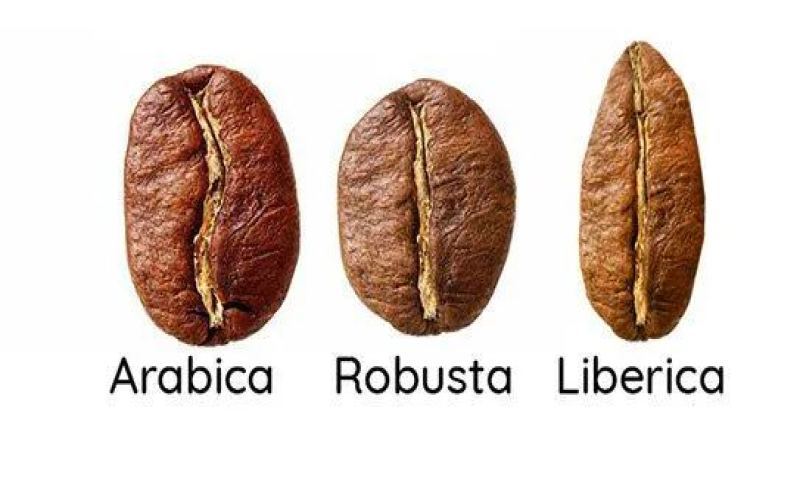
Full Analysis of Liberica Coffee Beans: Why the Large-Bean Species Among the Three Major Coffee Varieties Is Rarely Cultivated
Liberica coffee is one of the three major commercial coffee species, standing alongside Arabica and Robusta, yet it accounts for only 2% of global consumption. This coffee tree is tall with large cherries, and its flavor is dominated by woody and smoky notes, with the lowest caffeine content among the three. It originated in Liberia, Africa, and was only cultivated artificially in the 19th century; due to the difficulty of harvesting, it has never been widely promoted. After the coffee rust outbreak in 1890, the Philippines took the lead in large-scale cultivation of Liberica, and today the Philippines remains the world's largest producer. This article will give you a comprehensive understanding of Liberica's flavor characteristics, cultivation history, and producing regions, along with product recommendations from Front Street Coffee. [more…]
Guatemalan Antigua Coffee Flavor Analysis: The Smoky Legend and Quality Exploration Nurtured by Volcanic Soil
Guatemalan Antigua coffee is known as "cigarette coffee" and is a representative of the Bourbon variety with bright acidity and mellow aroma. This article will take you deep into the historical stories of the Antigua production region, its volcanic geographic advantages, the origins of Maya culture and coffee, and its unique taste—rich, silky, with tobacco and charcoal-roasted flavors. From the production environment to flavor characteristics, from historical changes to its position in the international market, this is a comprehensive analysis of this specialty coffee hailed as the "most perfect coffee bean," suitable for every enthusiast who loves exploring coffee flavors. [more…]