








Although Guatemala is not mentioned as often as Brazil or Colombia, it holds its own in the specialty coffee landscape with its rich, smooth body and distinctive charcoal-roasted, smoky aroma. Antigua coffee has even earned the nickname "cigarette coffee." This article will guide you through Guatemala's geography and climate, its coffee-growing history, and offer an in-depth analysis of the terroir characteristics of three representative regions—Antigua, Huehuetenango, and New Oriente. It will also introduce the specific details and brewing parameters of two beans from Front Street Coffee—Guatemala La Flor and Huehuetenango—and finally provide a complete flavor description to help you fully appreciate the unique charm of this Central American coffee-producing country.
For more specialty coffee knowledge, please follow our WeChat official account: FrontStreet Coffee
When it comes to American coffee, most people first think of Brazil and Colombia, the two South American producers; and when it comes to Central America, Panama often steals all the attention. However, Guatemalan coffee also possesses a distinct regional character, which is why Front Street's everyday beans series once included it (that particular offering has since been discontinued).
Anyone who has tried Guatemalan coffee knows that the beans from this country are renowned for their rich, full-bodied, and smooth texture, with a mellow quality that carries a hint of charcoal roast—as if the sweetness of chocolate intertwines with a smoky note. It is precisely this unique charcoal aroma that earned Antigua coffee the nickname "cigarette coffee."
Basic Overview of Guatemala as a Producing Country Guatemala is located in the southern part of the North American continent, in the northwest corner of Central America. To its west and north lies Mexico, while to its southeast it borders Honduras and El Salvador. Two-thirds of the country's land area consists of mountains and highlands, with the western and southern regions belonging to a volcanic belt that is home to over thirty volcanoes.
In terms of climate, Guatemala lies entirely within the tropics. The northern and eastern coastal areas have a tropical rainforest climate, while the southern highlands have a subtropical climate, with a clear distinction between wet and dry seasons—the wet season runs from May to October, and the dry season from November to April of the following year. The central highlands, the country's cultural heartland, sit at elevations between 1,300 and 1,800 meters, with mild temperatures year-round ranging from 18 to 28 degrees Celsius.
As for precipitation, the northeast receives 2,000 to 3,000 millimeters annually, while the south gets 500 to 1,000 millimeters. Guatemala's overall elevation is relatively high, with coffee-growing zones distributed above 1,500 meters and between 14 and 16 degrees north latitude—conditions highly favorable for producing Strictly Hard Beans.
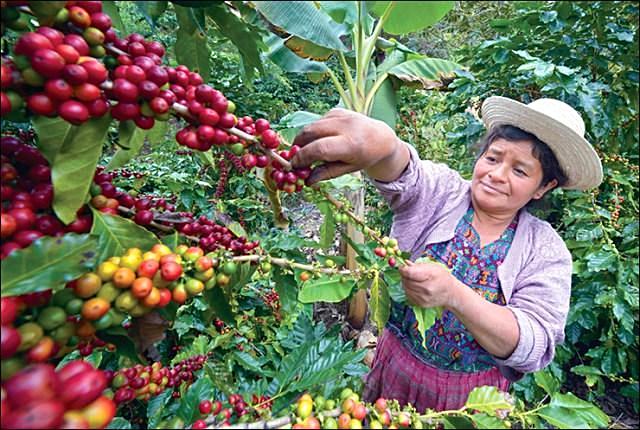
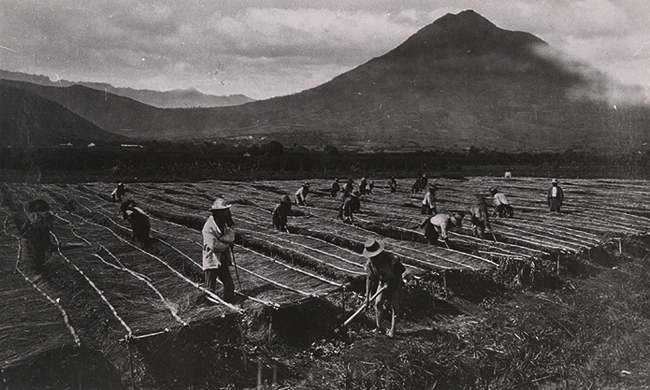
Guatemala's Coffee-Growing History Records of coffee consumption in Guatemala date back to 1747, but actual coffee cultivation began in 1750, when the Jesuit priest introduced coffee trees to the country. In 1845, coffee rose to become an important cash crop in Guatemala. By 1880, coffee accounted for 90% of the country's total export value. To further expand production, those in power at the time turned their attention to indigenous lands, forcing native peoples to sell their land and relocate to more barren areas. To this day, approximately 60,000 family farms are engaged in coffee operations in Guatemala. Coffee plantations are mainly distributed in the Sierra Madre mountain range near the Pacific coast—a range that runs the length of the country, extending north to connect with the Rocky Mountains and south to meet the Andes.
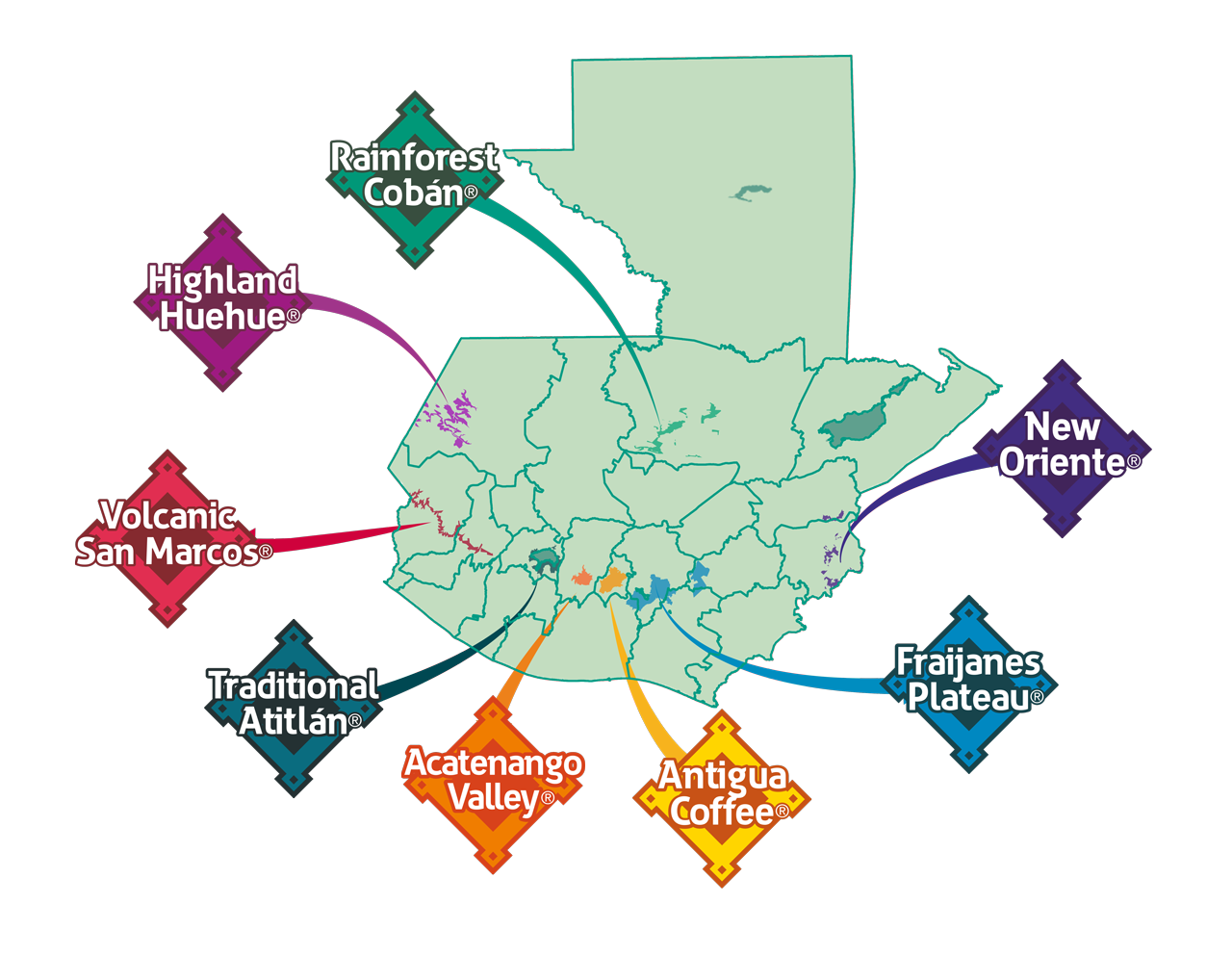
Guatemala's Coffee-Growing Regions The Guatemalan Coffee Association established the Guatemalan coffee bean brand with the slogan "A Rainbow of Choices," designating eight different coffee-producing regions: Antigua Classic, Huehuetenango, Rainforest Coban, Traditional Atitlan, Fraijanes Plateau, Volcanic San Marcos, Acatenango, and New Oriente.
Below, FrontStreet Coffee highlights three of the more well-known regions:
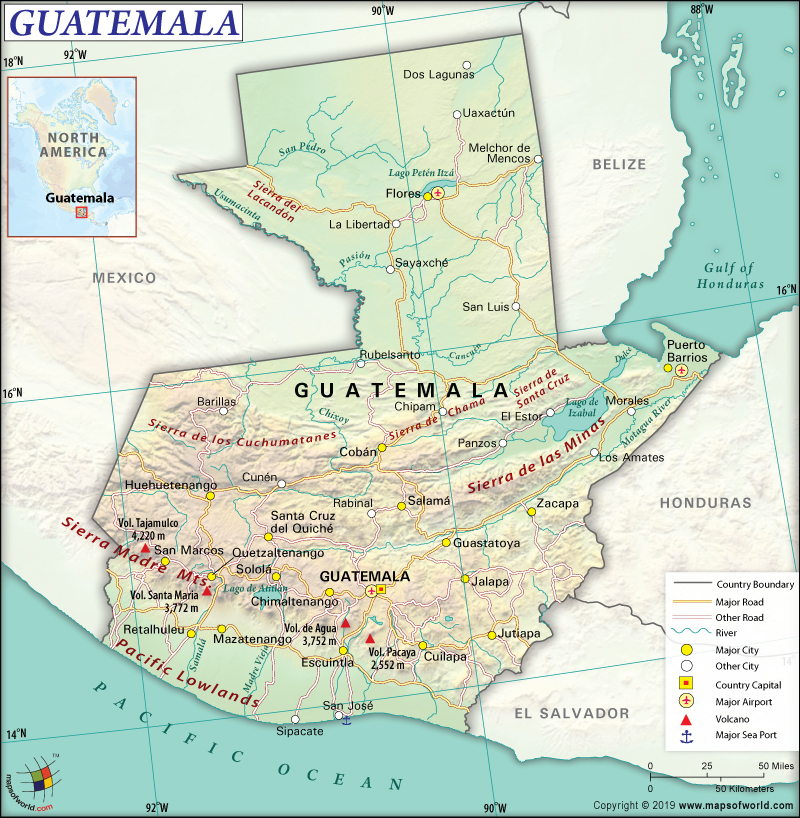
【Antigua Region】 The Antigua region is surrounded by three volcanoes—Agua, Fuego, and Acatenango—forming a valley topography. Among them, Fuego is an active volcano that erupts intermittently, bringing abundant minerals to the soil of the Antigua region. The region retains large areas of primary forest, and combined with fertile volcanic soil, coffee trees are able to obtain ample nutrients. Antigua enjoys mild weather year-round with stable humidity and very few extreme weather fluctuations, and coffee is grown at elevations above 1,500 meters. The coffee produced here has won more awards than any other in Guatemala and is the country's most prestigious producing region.
FrontStreet Coffee once sourced a La Flor coffee bean from Guatemala's Antigua region, which comes from this very area. It is worth noting that this bean comes from La Minita company. Thanks to the microclimate and elevation advantages formed by the estate's own geographical environment, La Minita suppresses pest populations at the source, so no insecticides are needed during cultivation, and the small number of pests poses no real threat to the coffee trees.
The estate conducts soil testing twice a year, based on which fertilization plans are determined, exercising particular caution when using yield-enhancing products and fertilizing about three times a year. This scientific approach to cultivation management has produced the exceptional flavor of Front Street's Guatemala La Flor coffee bean; combined with La Minita's strict control over the entire process from cultivation to packaging, the quality of this Front Street Guatemala La Flor coffee bean is solidly guaranteed.
Front Street Guatemala Antigua La Flor Region: Guatemala Antigua Estate: La Minita Estate Elevation: 1,200 meters Variety: Caturra, Bourbon Processing Method: Washed
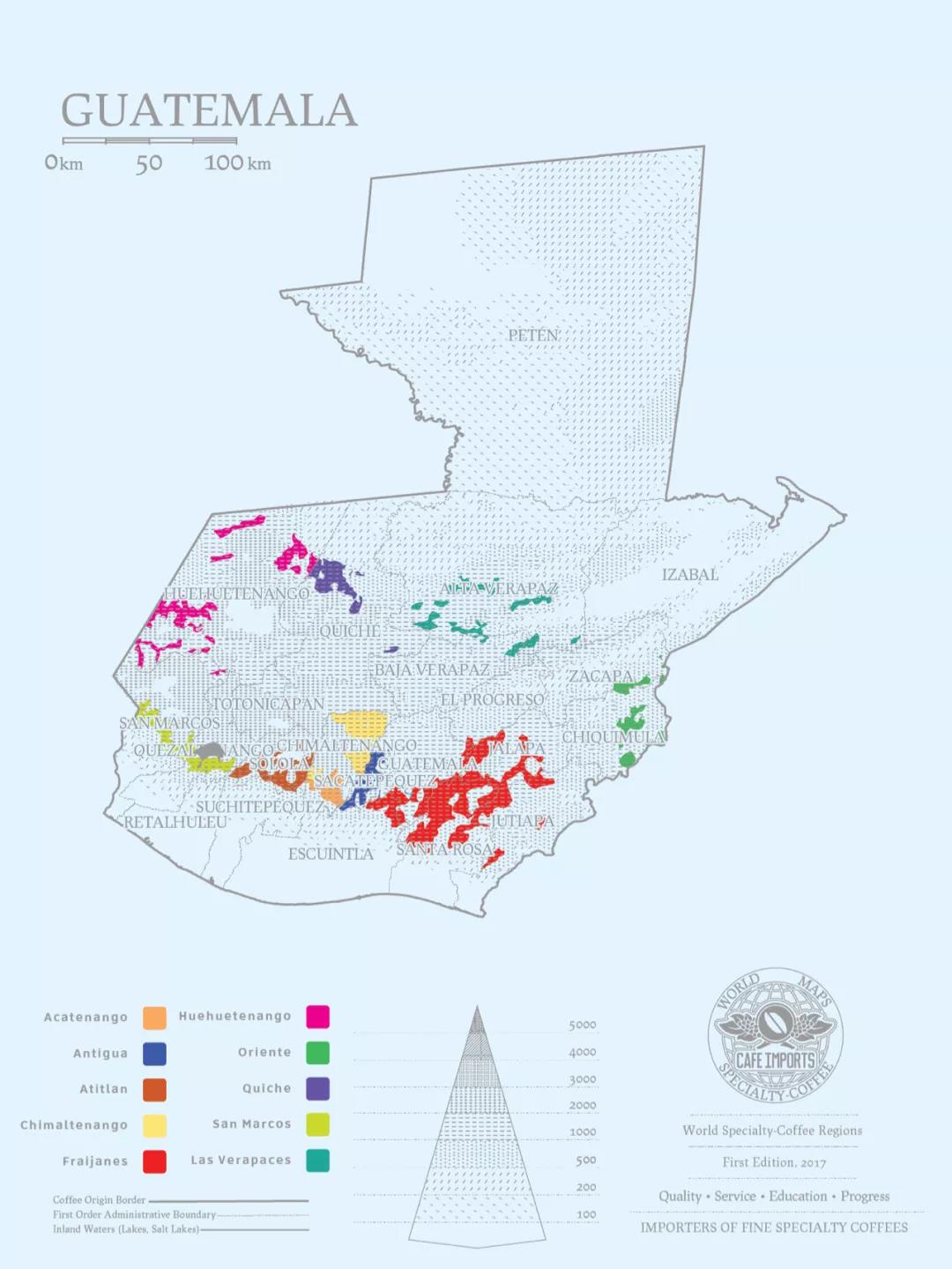
【Huehuetenango Region】 The Huehuetenango region has a dry climate and high elevation. The dry, hot winds from Mexico's Isthmus of Tehuantepec protect the region's coffee from frost. At the same time, the warm, moist air from the Caribbean brought by the central mountain range creates misty, highly variable climate conditions here, and together with fertile volcanic soil, this provides an ideal environment for coffee growth.
Front Street's everyday beans series once included a coffee bean from Guatemala's Huehuetenango region.
Front Street Guatemala Huehuetenango Region: Guatemala Huehuetenango Elevation: 1,500m-2,000m Variety: Bourbon, Caturra, Catuai Processing Method: Washed
【New Oriente Region】 In ancient times, the New Oriente area was once a volcanic region, and its soil consists of metamorphic rock rich in minerals. Before coffee cultivation began, New Oriente was once the poorest area in Guatemala. Since the 1950s, mountain farmers have relied on this naturally fertile land to develop coffee cultivation, gradually revitalizing the region, and today it has become a rising star in Guatemala's coffee industry.
Coffee from the New Oriente region has a balanced taste, full body, and chocolatey flavor notes.
Brewing Method Taking FrontStreet Coffee's Guatemala Antigua La Flor as an example, a staged extraction is used: first bloom with 30 grams of water for 30 seconds, then pour in a slow circular motion until reaching 125 grams for a stage break, and when the water level drops and is about to expose the coffee bed, continue pouring until reaching 225 grams and stop. When the water level drops again and is about to expose the coffee bed, remove the dripper. Total extraction time (starting from the beginning of the bloom) is 2 minutes 00 seconds.
Flavor Description The citrus acidity is quite prominent, presenting a juicy acidity, with rich floral notes and pleasant sweetness, medium body, and a slight caramel and smoky note in the finish. Overall it is clean, gentle, and smooth in texture, with a balanced flavor and lively, ever-changing layers.
The above content is compiled by CoffeeHunters, a coffee news website.


