







How Japanese Dark Roast Coffee Picks Up Wood Smoke
Hokkaido University partnered with a Sapporo coffee shop to smoke coffee beans over wood from century-old trees felled during the demolition of aging campus school buildings. The result is a japanese dark roast coffee with a distinct woody aroma, made without cutting down any trees specifically for roasting.
Smoke in coffee is usually a defect, caused when roasting smoke cannot escape or beans are not cooled promptly and reabsorb burnt notes. Deliberate smoking works differently: coffee bean roasters experiment with tree species, moisture content, and wood thickness, and often pair the smoke with Guatemalan or Tanzanian beans whose natural character can hold up to it.
Smoky flavors in coffee are often seen as a defect, but properly roasted dark roast beans, Guatemalan origins, and coffee smoked with specific woods can deliver a pleasant smoky experience. Hokkaido University in Japan has partnered with Ritaru coffee in Sapporo to smoke coffee beans using century-old trees felled during the demolition of old school buildings, giving the coffee a unique woody aroma. Roasters must repeatedly experiment based on tree species, moisture content, thickness, and more, and often choose Guatemalan or Tanzanian beans to harmonize the flavors. This article will take you through the story and professional details behind this innovative process.
Many coffee enthusiasts might assume that if a smoky flavor appears in coffee, it indicates a defect in the cup. However, not all smoky flavors signal a quality problem.
For example, the smokiness produced by certain dark-roasted coffee beans under proper roasting, the smoky notes naturally present in Guatemalan coffee beans, and—as we will introduce next—the smoky flavor imparted by roasting coffee beans with specific woods, all fall into the category of normal or even delightful.
Smoky flavors typically regarded as defects often arise when smoke produced during roasting fails to escape properly, or when the beans are not cooled promptly after coming out of the roaster, causing burnt-smelling smoke to be reabsorbed by the beans. As a result, after grinding and brewing, a pungent smokiness emerges, such as unpleasant smoky notes or throat-catching smoky irritation. These negative smoky sensations mostly stem from the thick smoke released by the coffee beans themselves during roasting.
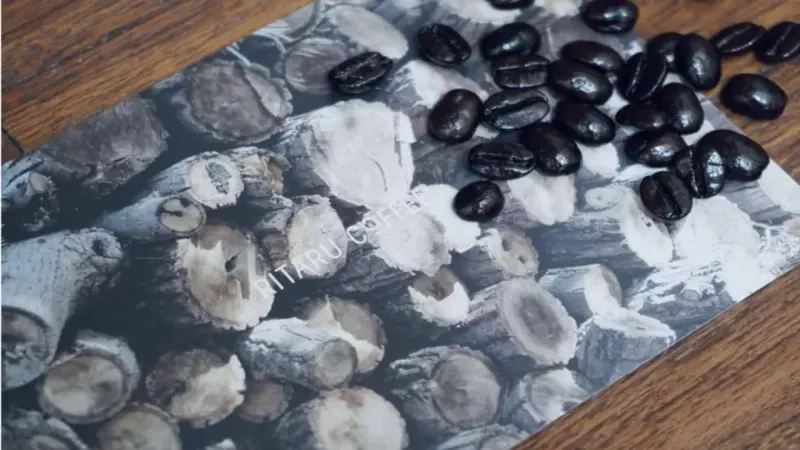
Recently, Hokkaido University in Japan teamed up with a coffee shop in Sapporo to launch a "smoked coffee." By burning woods of different qualities, they allow the coffee beans to absorb distinctive smoky aromas.
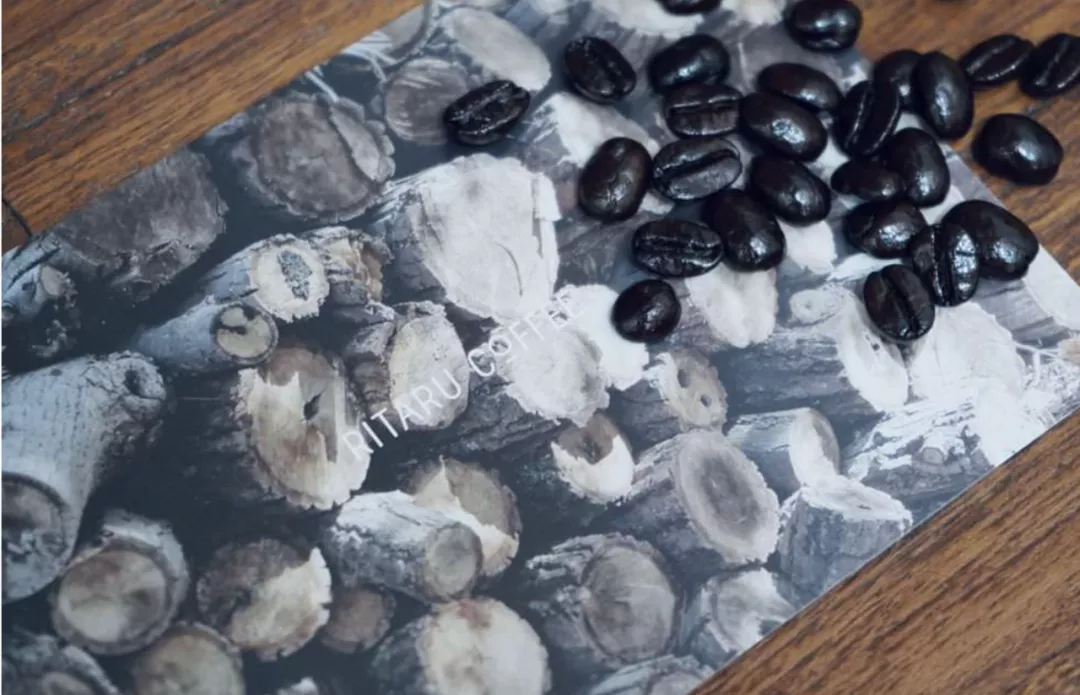
The Japanese, who have always valued environmental conservation, would naturally not cut down trees specifically for roasting coffee. The wood used to "smoke" the coffee beans came from trees that had to be felled when Hokkaido University demolished its aging old school buildings. Most of these trees were quite old, some even over a hundred years.
The university felt it would be a shame to simply discard them, but many of the tree species were not suitable for making crafts or furniture. So they contacted the Sapporo café Ritaru coffee, hoping to dry the wood and use it for coffee bean roasting. The unique smoky scent released when the wood burns is absorbed by the coffee beans, ultimately giving them a distinctive flavor, and through coffee as a medium, people can preserve the unique essence of the trees in their memories.
The roaster responsible for developing the "smoked coffee" revealed that they selected various woods including black locust, ginkgo, and oak. After burning, the smell of the smoke varies depending on the tree species, wood moisture content, thickness, temperature, and the season when it was felled.
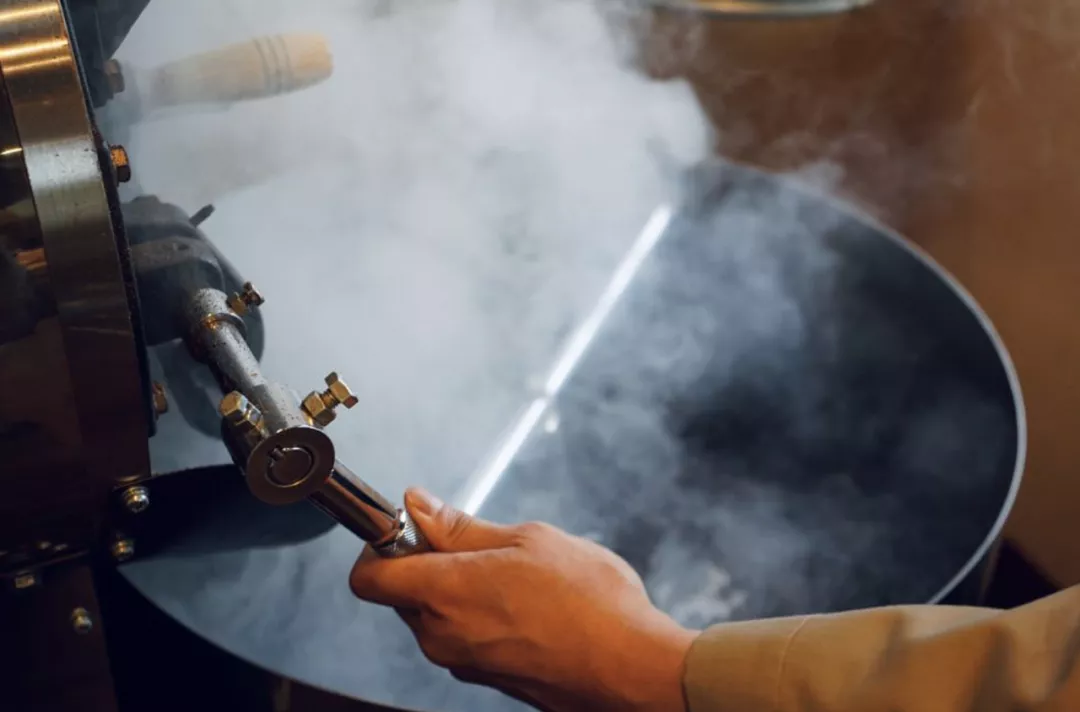
During roasting, close attention must be paid to the smoke produced by the wood. If the wood is too moist, or if too much wood is added during roasting, it will cause excessive smoke or altered odors, ultimately giving the coffee an unpleasant smoky pungency. The roaster admits that each batch of wood performs differently, so continuous trial and error is needed until the wood emits a mild aroma before officially smoking the coffee beans. The roaster used for smoking the coffee beans is also specially customized.
The coffee beans used for smoking mostly come from Guatemala or Tanzania. Beans from these two origins already carry unique smoky flavors, so after smoking they are less likely to feel "jarring." Sometimes, based on the special aroma released by the wood, coffee beans from other origins are chosen for smoking.
The roaster hopes that through their understanding of coffee beans, the beans can complement the aroma of the wood. After all, the wood used for each batch of smoked coffee is precious and irreplaceable.
Image source: Internet, Asahi Shimbun
For professional coffee knowledge exchange and more coffee bean information, please follow Coffee Workshop (WeChat public account: cafe_style)
For more specialty coffee beans, please add the personal WeChat of Front Street Coffee (FrontStreet Coffee), WeChat ID: kaixinguoguo0925
The above content is compiled by CoffeeHunters, a coffee news website.


