








What is charcoal coffee and how does roast level create smoke?
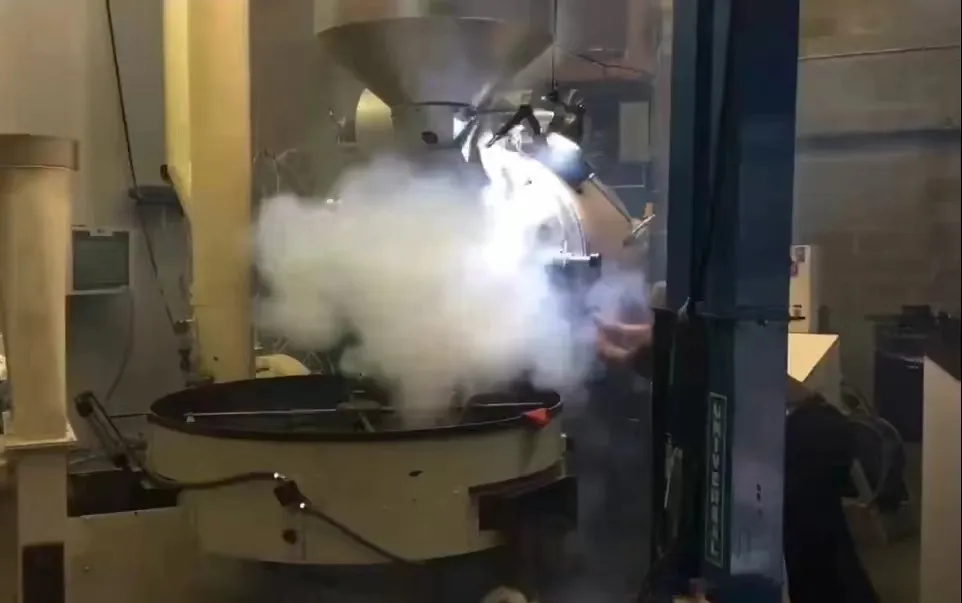
Smoky notes in coffee come from the roast, not from the green bean itself. Green coffee beans hold a good amount of moisture, and as roaster temperature rises, that moisture turns to steam. The dense coffee bean structure traps the steam at first, pressure builds inside, and the bean finally bursts open at the point called first crack, releasing smoke.
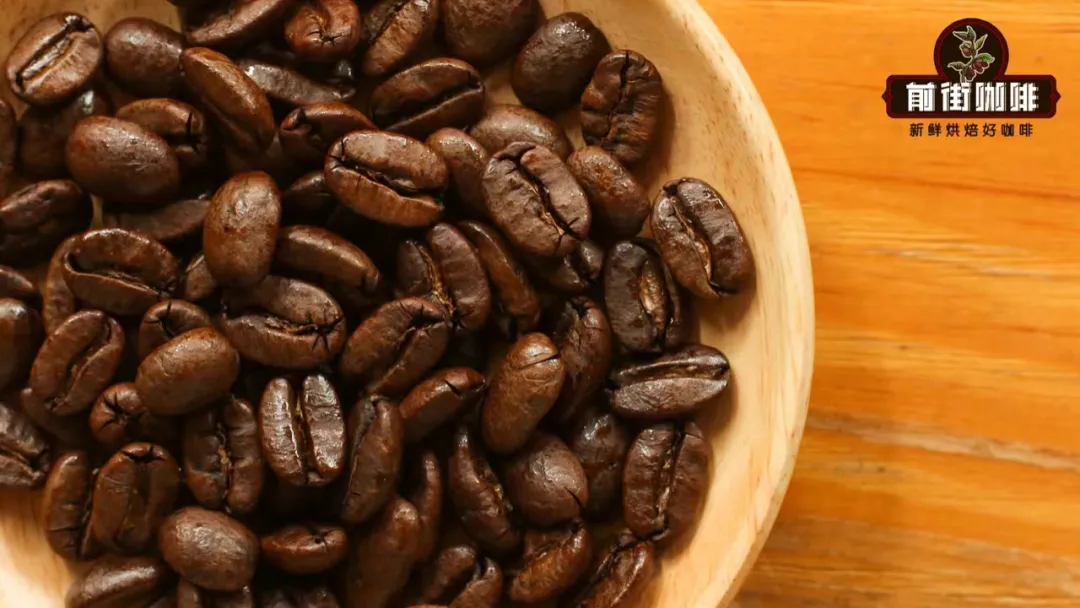
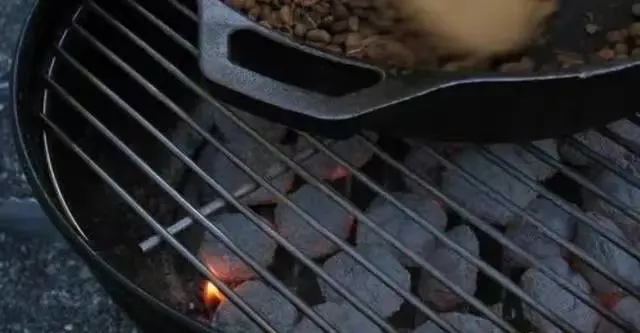
Roasters can end the roast at any moment after first crack begins, so a light roast stops early, while a dark roast continues past that point and takes on more smoke. This is the difference behind charcoal coffee, which sits at the far dark end of that scale and carries heavy, ashy smoke rather than the mild smokiness of a lighter profile.
In coffee tasting, how exactly is the presence of smoky notes related to the degree of roasting? This article will focus on the physical changes that coffee beans undergo during roasting to explain the principles behind the formation of smoky flavors, while systematically comparing the differences between dark-roasted and light-roasted coffee and explaining the characteristics of charcoal-roasted coffee. The article also mentions related product information from Front Street Coffee to help enthusiasts more clearly understand how roasting influences flavor direction.
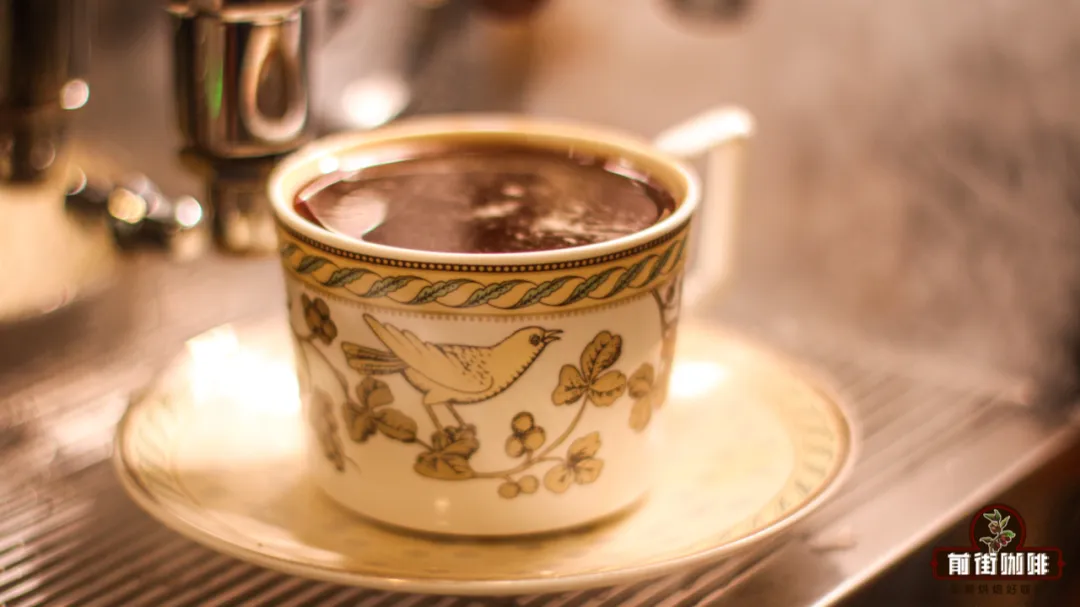
I. Beans Getting "Smoked"
Many enthusiasts first associate smoky flavors with the roasting stage, and this judgment is indeed reasonable. Green coffee beans themselves store a considerable amount of moisture, and as the roaster temperature gradually rises, this moisture turns into steam. At first, the bean's dense structure acts like a barrier, making it difficult for the steam to escape outward, so it can only continue to accumulate inside. As roasting progresses further, the bean body can no longer withstand the increasing pressure of the water vapor, and it bursts open, the silver skin peels off in large amounts, and smoke is released outward as a result. This key point is usually called the "first crack." The arrival of the first crack indicates that the coffee beans are basically fully roasted, so from any point after the first crack begins, one may choose to end the roast and pour the beans out.
The above content is compiled by CoffeeHunters, a coffee news website.


