







Search Results for: Skill Requirements
From Crema to Extraction Time: A Professional Barista Teaches You How to Judge the Quality of Espresso
Many people spend tens of yuan on an espresso at a café, yet may not be clear whether what they're drinking is specialty coffee or "dishwater." Espresso is the base of all Italian-style coffee, and its quality directly determines the success or failure of a cappuccino or latte. This article will systematically explain the hard requirements, key points for identifying, and tasting methods of a perfect Espresso, including key indicators such as freshness, grinding, tamping, extraction time, and crema thickness, while also addressing common misconceptions about caffeine content. At the end, product recommendation information for the "Front Street Coffee" brand is retained, making it suitable for every enthusiast who wants to truly understand coffee. [more…]

Latte Art Beginner Tutorial: Detailed Guide to Milk Foam Requirements, Pouring Techniques, and Step-by-Step Instructions for the White Heart Pattern
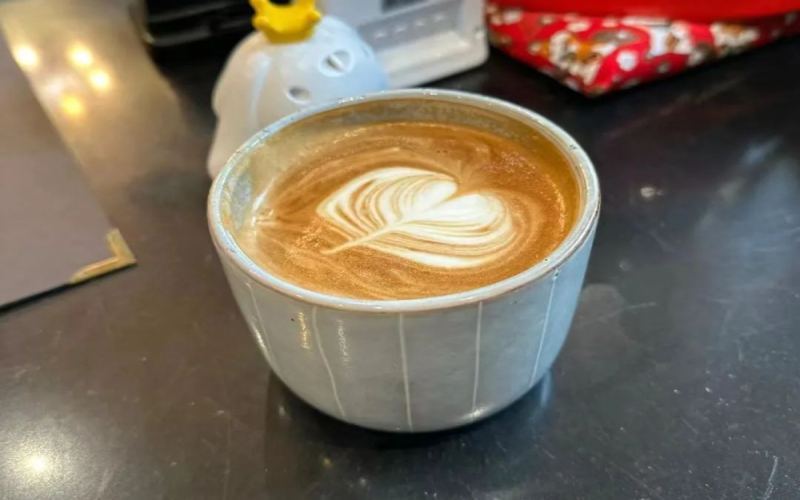
Latte art is one of the techniques that many coffee enthusiasts are most eager to master after stepping into the world of espresso. Common patterns include the solid white heart, multi-layered heart, swan, tulip, and rosetta, among which the solid white heart is regarded as the most basic yet most skill-testing design. Based on the latte art teaching experience of Front Street Coffee, this article systematically explains the two major prerequisites for making a solid white heart—a qualified espresso and milk foam suitable for pouring—and breaks down in detail the key steps such as the amount of milk used for incorporation, the pouring point for forming the pattern, and the injection technique. It also introduces how espresso beans such as Front Street Classic Blend perform in latte art practice, helping beginners stably produce espresso with golden crema at home and laying a solid foundation for subsequent latte art. [more…]
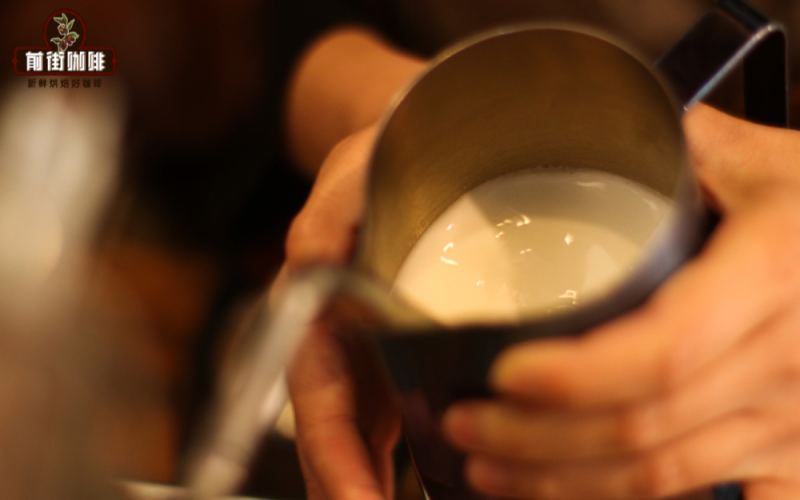
An Analysis of the Differences in Milk Foam Between Lattes, Cappuccinos, and Flat Whites: Judging the Thickness of Steamed Milk and Latte Art Details
To make a proper hot milk coffee, steaming milk is an unavoidable basic skill. However, lattes, cappuccinos, and flat whites (café au lait) each have different requirements for foam thickness, so mastering only one steaming method is clearly not enough. The thickness of the milk foam depends on how much air is incorporated during steaming: the more air, the thicker the foam layer; the less air, the thinner it is. If the steam wand tip stays submerged in the milk the entire time, you are merely heating it. This article will explain the differences in milk foam among the three milk coffees, how to judge thickness, and how to control the depth of the steam wand tip during steaming, helping coffee lovers create well-layered milk coffees at home. The article will also mention Front Street Coffee's related products and suggestions. [more…]

How Is a Piccolo Coffee Different from a Latte? A Detailed Explanation of Why It Costs More and the Espresso-to-Milk Ratio
Piccolo Latte is often called a "small latte," but it is not simply a latte shrunk down in cup size. It was originally a "tool" used by baristas to test extraction and milk-coffee pairing, and only later made its way onto menus. The traditional method usually uses a glass of about 90ml, a single shot of espresso of about 20g/30ml, and about 60ml of steamed milk foam; compared with a 180–250ml latte, the Piccolo is smaller and places greater demands on milk texturing and latte art integration. It more easily highlights the flavor of the coffee beans, and you can also taste the fresh sweetness of the milk. As for why it is more expensive, it is related both to the espresso base, dialing-in costs, and consistency of output, and to the skill threshold of independent coffee shops. This article will clarify the differences between the Piccolo and the latte from the perspectives of origin, preparation, ratios, and pricing logic, while retaining the relevant information about Front Street Coffee. [more…]
A Complete Beginner's Guide to Pour-Over Coffee: A Hands-On Tutorial from Stance and Water Flow to the Extraction Process
Pour-over coffee, with its simple operation, easy-to-manage equipment, and ability to fully showcase coffee's vibrant aromas and clean taste, has become the preferred brewing method for many enthusiasts. However, behind the seemingly simple act of pouring water lie strict requirements for details such as water temperature, extraction time, water flow rate, and blooming rhythm. This article systematically outlines the fundamental operating standards of pour-over coffee—from stance adjustment, kettle-holding techniques, and the three-part water flow practice to the complete brewing process—helping beginners build a solid foundation and gradually achieve stable, gentle extraction. [more…]

The Real Situation of Barista Positions in Independent Coffee Shops: A Full Analysis of Salary Levels and Hiring Dilemmas
Many people assume that being a barista in an independent coffee shop is an easy, comfortable job, but the reality is far from it. Coffee shop owners generally report that hiring is difficult, while job seekers' skill levels and salary expectations are often severely out of step with the actual situation. This article approaches the topic from the dual perspectives of coffee shop owners and practitioners, offering an in-depth analysis of the real wages of baristas in independent cafés, the difficulties of recruitment, and the professional qualities a qualified barista should possess. It also explores how baristas can achieve higher income and recognition in this industry through continuous learning and self-improvement. [more…]
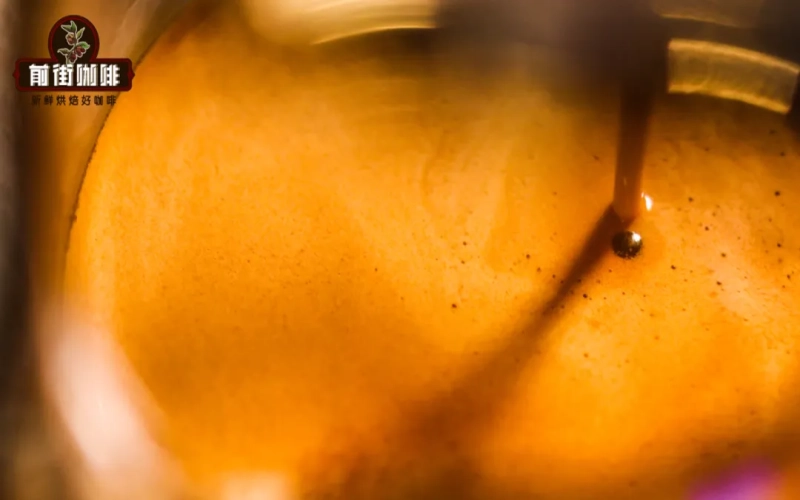
Espresso Tasting Guide: A Complete Analysis from Crema to the Correct Way to Drink It
Espresso has long been hailed as the "soul of coffee," winning over countless coffee lovers with its rich, intense flavor, while also serving as an important standard for judging coffee quality and barista skill. A good cup of espresso—from the extraction parameters to the golden crema on its surface, and on to every step of smelling the aroma, observing the color, and tasting—hides details worth exploring. Front Street Coffee will guide you through a comprehensive understanding of the key points of making espresso, the principles behind the formation of crema, and how to appreciate a shot of espresso through the three steps of smelling, observing, and drinking, so that you can truly grasp the rich charm contained in this tiny cup of coffee. [more…]
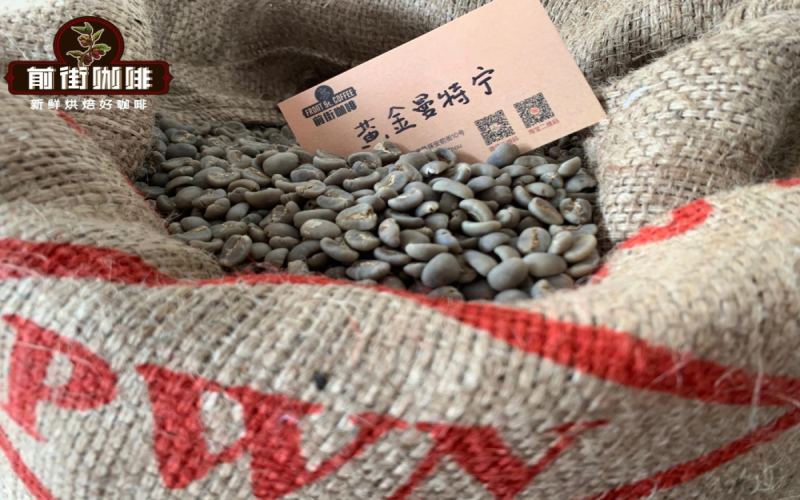
Brewing Parameters for Dark Roast Coffee Beans | What are the requirements for the coffee-to-water ratio, grind size, water temperature, and extraction time when making pour-over coffee with Indonesian PWN Golden Mandheling coffee beans?
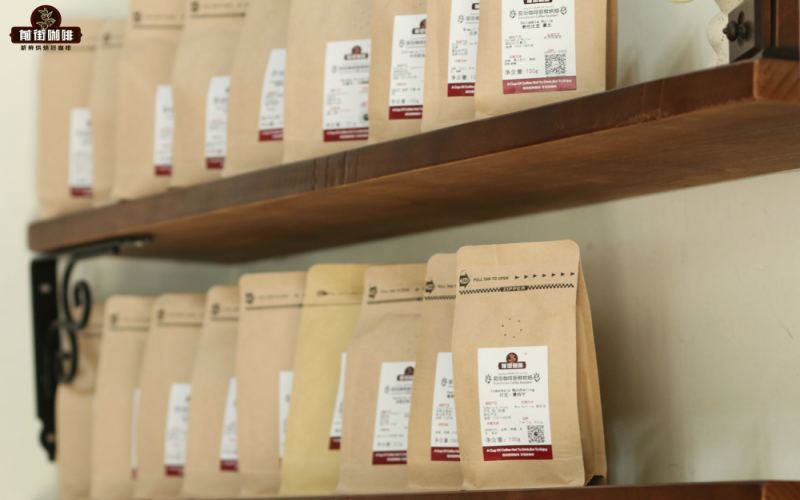
When it comes to Indonesian Mandheling, the most famous and popular is undoubtedly the Golden Mandheling coffee beans produced by the Indonesian PWN company. Many people come to try Golden Mandheling coffee and decide to buy the beans to brew at home, but they can never replicate the taste they had in the coffee shop. Why is that? [more…]
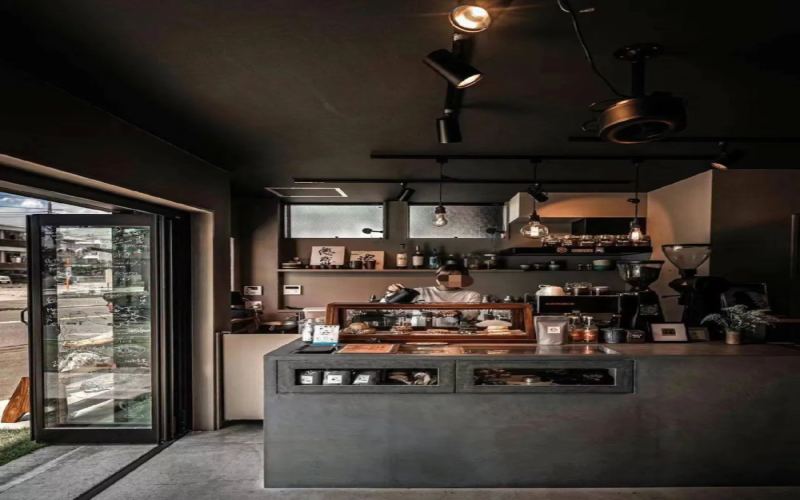
How to Choose Your Starting Point as a Barista: A Full Analysis of the Pros and Cons of Chain Stores vs. Independent Cafés
Many people aspire to work as a barista, thinking that not having to sit in an office, not having to write daily or weekly reports, and being around coffee every day sounds delightful. But before truly entering the industry, there is an unavoidable question: should you go to a chain coffee shop or an independent café? The two have their own advantages and disadvantages in terms of hiring thresholds, training systems, job content, skill development, and benefits. Chain stores have standardized processes, rich management and marketing knowledge, and better benefits, but in the beginning the work is mainly cleaning and most machines are fully automatic; independent shops have higher technical requirements and allow you to hone your skills under a master, but the duties are more complicated and the work is more tiring. Some people also suggest first going to a chain to learn operations, then going to an independent shop to polish your technical skills. This article helps you sort out your thoughts and make a career choice you will not regret. [more…]
Barista job requirements are getting more and more absurd: from latte art to playing the violin, and you also need to know traditional Chinese medicine?
It's campus recruitment season once again, and the coffee industry's popularity has many graduates dreaming of joining—chasing poetry and distant lands while also securing their daily bread. However, when job seekers see recent barista recruitment ads, reality hits them hard. Some employers list a long string of responsibilities including production, cleaning, cashiering, and store operations, making one wonder if they're hiring a barista or an all-around store manager. Even more absurd, some cafés require baristas to know photography and photo editing, manage social media accounts, and even play a violin concerto in their spare time, or possess knowledge of traditional Chinese medicine to develop herbal Americanos. Coffee workers mock themselves: the ultimate barista is a hexagonal warrior who can do everything except make coffee. This article takes you through these astonishing recruitment requirements and the real daily work of baristas. [more…]
Coffee Combo Full Analysis: The Pairing Logic of One Bean, Multiple Drinks, Suitable Bean Types, and Latte and Espresso Requirements
In recent years, coffee combos have become increasingly common in the specialty coffee scene, but many people find in practice that the combinations made with their own beans either turn out bitter as an americano or bland as a latte, making it hard to achieve an ideal balance. What kind of coffee beans are actually suitable for making a combo? What considerations go into the espresso used for a latte? From the perspective of Front Street, this article systematically sorts out the concept of the combo, the approach to bean selection, and key points for serving, helping coffee enthusiasts understand this "one bean, multiple drinks" pairing logic, so that the same bean can show its proper layers of flavor in both black coffee and milk coffee. [more…]
An Analysis of the Current State of the Barista Profession: A Complete Guide to Barista Salaries and Career Growth Paths in Shanghai
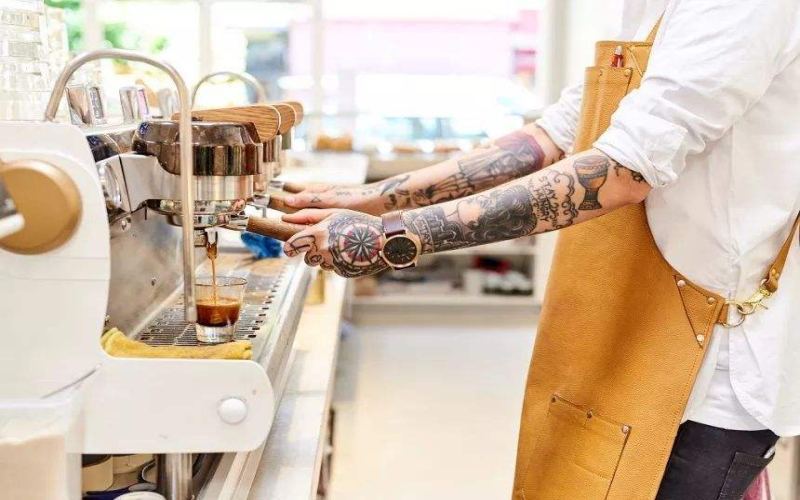
Baristas often appear somewhat cool and mysterious in the public eye, attracting many young people to enter the profession. However, behind this glamorous impression, what are the real career requirements and income situations? This article breaks down the barista's growth path from three dimensions—attitude, knowledge, and skill—and focuses on Shanghai, a highly competitive market, to outline the salary ranges and advancement opportunities for coffee novices. The article also mentions product information from the Front Street brand, providing reference for readers interested in entering the industry. [more…]

A Complete Guide to Water Control Techniques in Pour-Over Coffee: Systematic Training from Flow Rate and Pouring Height to Circular Pouring Technique
The flavor profile of pour-over coffee depends to a large extent on the stability of the pouring. Many enthusiasts plan their brewing parameters in advance, but once they start, the water flow becomes difficult to control, and the final result is left to chance. Drawing on Front Street's practical experience, this article systematically lays out training methods for the fundamental skill of water control, including how to choose and hold a pour-over kettle, the key points for controlling a vertical stream, reference ranges for flow rate and pouring height, and the correct path for circular pouring along with common mistakes. Through progressive practice, it helps you improve your feel for starting and stopping the pour during actual brewing, making extraction more even and the flavor closer to the ideal. [more…]
Characteristics of Naturally Processed Yirgacheffe SOE | What Are the Requirements for Making SOE Single-Origin Espresso? Recommended Berry-Forward SOE Coffee Beans for Beginners
Many friends, after tasting a certain pour-over single-origin coffee bean with rich floral and fruity aromas, like it so much that they ask Front Street: Is it suitable for making espresso? At this point, Front Street begins to analyze the characteristics of SOE ~ What is SOE? Traditionally, coffee shops choose medium-dark roasted blend coffee beans to use [more…]

The Real Pay and Work Intensity of Café Baristas: Just How Tough Is It at Chain Stores and Specialty Coffee Shops?
Many people hold a romanticized image of the barista profession—in a warm little shop bathed in sunlight, with smooth jazz playing, brewing fragrant pour-over coffee and creating exquisite latte art. However, the real life of a barista is far less cozy. Whether at a chain coffee shop or an independent specialty café, baristas often wear many hats: making coffee, cleaning, greeting customers, and even helping prepare new store openings and design the bar area. Wages are generally low, while the work intensity is considerable. This article restores the true face of the barista profession from multiple angles—skill requirements, customer types, job duties, and career development—to help those considering entering the field think rationally about their choices. [more…]
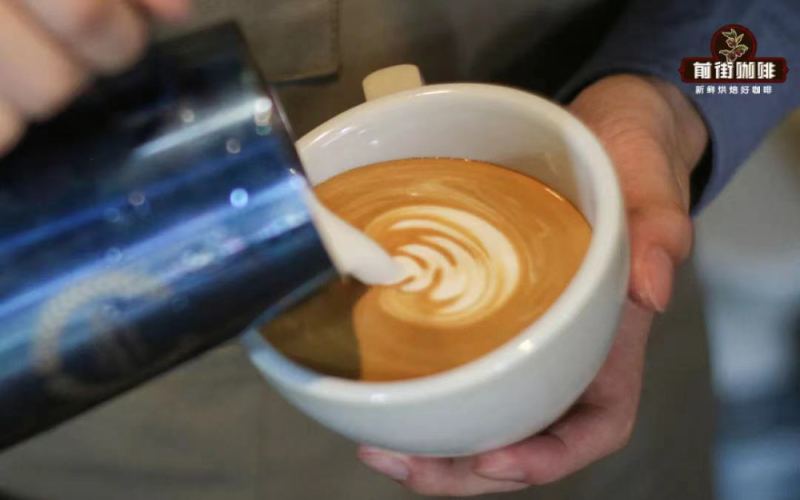
Featured Espresso Blend Recommendations | What Espresso Blend Is Best for Milk Coffee? What Are the Requirements for Espresso Beans in Flat White and Latte?
For more specialty coffee knowledge, please follow our WeChat public account: Front Street Coffee (FrontStreet Coffee). Many people fall into the coffee rabbit hole because of beautiful latte art. After all, whenever you successfully recreate an exquisite pattern, the sense of accomplishment is unmatched. So, do you know [more…]
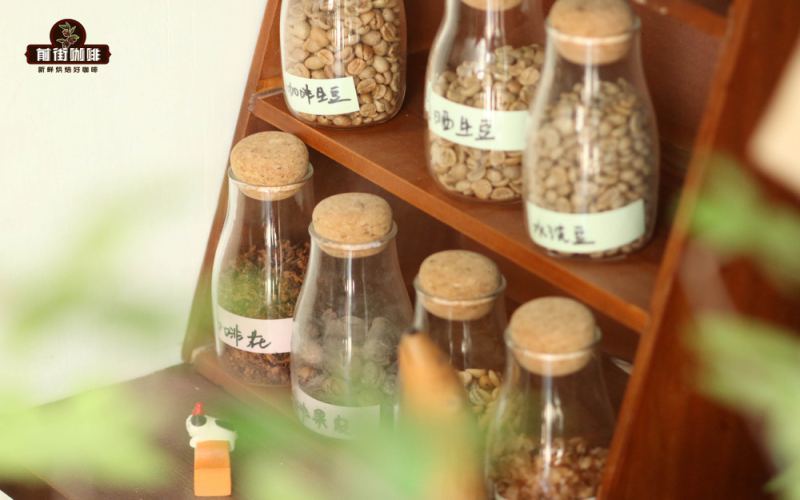
Espresso Tasting Guide: The Correct Way to Drink It and the Art of Flavor Balance
Espresso polarizes opinion: those who love it are addicted, while those who fear it stay away. Coffee novices are often drawn in by its wallet-friendly price, yet find themselves at a loss when faced with that small cup of intense, bitter liquid. Front Street Coffee is often asked: what exactly are you drinking in this cup of coffee? Behind the seemingly simple operation lie rigorous principles and the skill of the barista. This article covers the history and evolution of espresso, the control of extraction parameters, the flavor code of Front Street's Warm Sun blend, and the correct use of ice water and a small spoon, offering a comprehensive analysis of how to appreciate this espresso-based coffee and guiding you to savor its balanced, mellow charm. [more…]
Espresso Tasting Guide: The Causes of Crema and How to Properly Drink Espresso
Espresso has long been hailed as the "soul of coffee," yet its intense flavor often intimidates first-time tasters—though once they acquire a taste for it, they discover its unique charm. This small cup of coffee is not merely a beverage but also a touchstone for assessing coffee quality and a barista's skill. Starting from Front Street Coffee's specialty blend, this article analyzes Espresso's extraction parameters and the formation principles behind that golden layer of Crema on the surface, and shares a practical three-step method for appreciating espresso through aroma, appearance, and taste. Whether you are a novice just getting into Italian-style coffee or an enthusiast looking to refine your tasting skills, you will find clear guidance here. [more…]
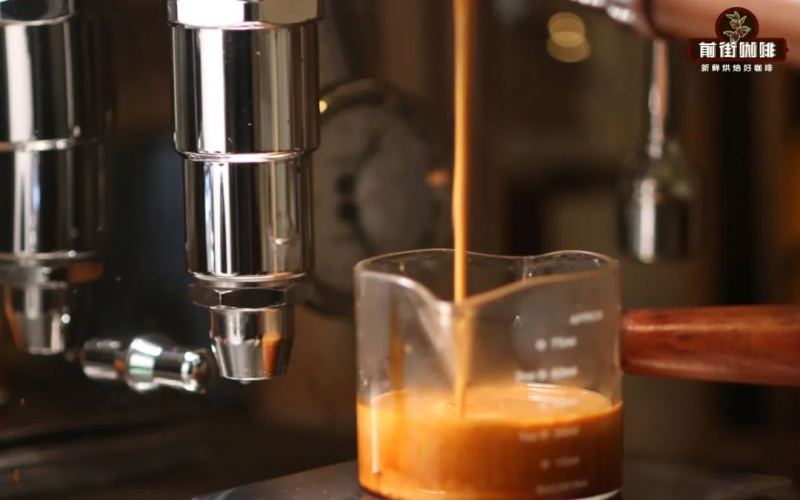
Espresso Grind Size|How Fine Should Espresso Coffee Grind Be and How to Adjust It
Espresso is the foundation of Italian-style coffee. The wide variety of milk coffees we see on café menus are mostly based on espresso. In addition, although many people like espresso with milk added, there is still a group of enthusiasts who love espresso. No matter from which angle you consider it, making [more…]
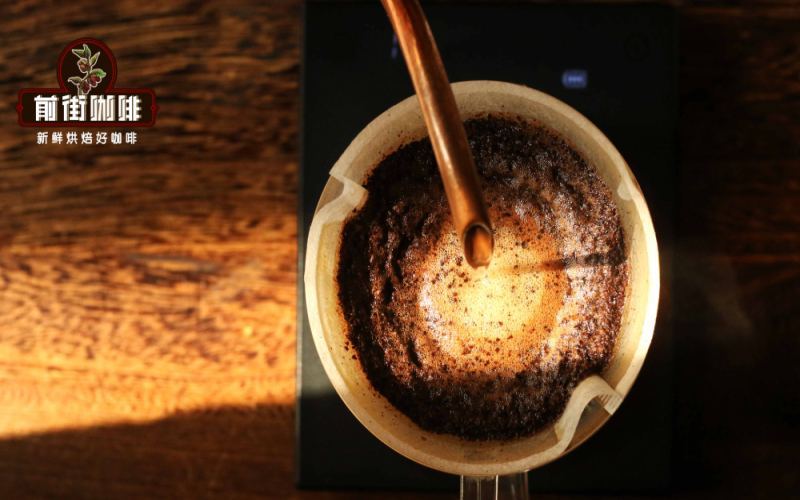
A Beginner's Guide to Pour-Over Coffee: From English Terminology to the Seven Elements and the Three-Pour Technique Explained
The correct English term for hand-brewed coffee is "Pour over coffee," not the literal translation "Hand coffee." This brewing method, which extracts coffee liquid under one atmosphere of pressure using a dripper and filter paper with a steady pouring technique, has strict requirements for grind size, water temperature, pouring technique, and timing, making it a real test of the brewer's skill and expertise. This article, drawing on the hands-on experience of Front Street Coffee, systematically outlines the basic concepts of pour over coffee, the seven key factors that determine flavor, and breaks down in detail a three-stage pouring process suitable for beginners, helping coffee lovers consistently brew a cup of full-aroma good coffee at home. [more…]