







Search Results for: Single-Origin and Blends
Roast Level Determines How to Choose Single-Origin, Pour-Over, and Blends
From light roast to dark roast, coffee beans change not only in color, but also in aroma, sweetness, acidity and mouthfeel weight. Single-origin emphasizes the personality of a certain origin or batch, while a blend combines the characteristics of different beans; pour-over is an extraction method, and is not the same as a fixed type of bean. Keep these concepts separate, and then, from [more…]
The Regional Foundation of Commercial Espresso Blends: Brazil, Colombia, and the Trade-offs of Single-Origin SOE
When choosing espresso beans for a coffee shop, the origin structure is the key factor determining the flavor direction. Commercial espresso beans fall into two main routes: one is the blend base, and the other is single-origin SOE; each has its own positioning and suitable scenarios. Blended beans are the mainstream choice for commercial espresso. The core idea of blending is to use beans from different origins to complement each other, with Brazil providing [more…]
Moka Pot: Blend or Single-Origin? Let's Settle It Once and for All
When you go to a coffee shop to buy beans, the staff will always ask: "Do you want a blend or a single origin?" Beginners are often stumped by this question: Aren't they all just coffee beans? What's the difference? When it comes to a moka pot, the difference is actually quite significant. Blend beans and single-origin beans follow two different design approaches. Blending is about making up for one's shortcomings by combining beans from different regions according to [more…]

SOE Coffee Beans | What Do SOE Coffee Beans Mean? How Is SOE Single-Origin Espresso Made?
For more specialty coffee knowledge, please follow our WeChat official account: FrontStreet Coffee "Passing by a coffee shop, I noticed below the espresso menu it said [Switch to SOE for 3 yuan extra]." So what exactly is this SOE, and will it taste better if you switch to it! In this article, the barista [more…]

Espresso Beans | Blends vs. SOE Single-Origin for Espresso? Recommended Specialty Coffee Beans with Rich Crema for Home Espresso Machines
What are blended beans? They are made by mixing coffee beans from different countries or regions, and they generally appear in espresso. The counterpart to blending is single-origin coffee, also called SOE, which has a clear style when drunk, mostly dominated by fruity acidity. Italian-style blends, on the other hand, because they combine coffee from multiple places, [more…]
Home Espresso Beans | Why Are Espresso Beans Mostly Blends? Recommended High-Quality, Cost-Effective Blends Suitable for Espresso Extraction
When it comes to espresso beans, many people may first think of blended beans. Front Street Coffee believes that this is not entirely wrong, but not entirely right either. Because nowadays espresso beans are not only made from blends, but also from single-origin coffee beans, known as SOE. For coffee beginners who want to make a delicious cup of coffee [more…]
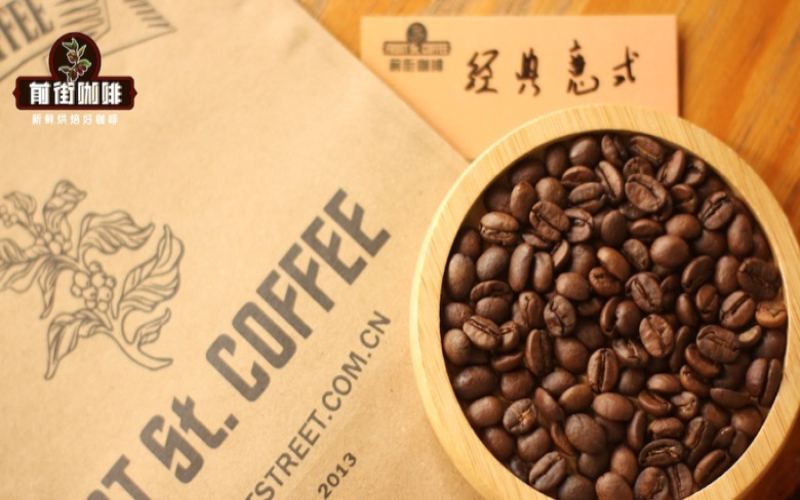
Blended Beans or SOE: Which Tastes Better? The Distinct Appeal of Single-Origin and Blends
Aroma, sweetness, body, mouthfeel, and finish—these dimensions, together with acidity and bitterness, make up the complete cup profile. When choosing beans, first decide whether you want floral and fruity notes, nutty and cocoa notes, or a balanced approach, then match the corresponding origin, processing method, and roast level. Within the framework of espresso, dose, grind size, yield, and time are mutually [more…]
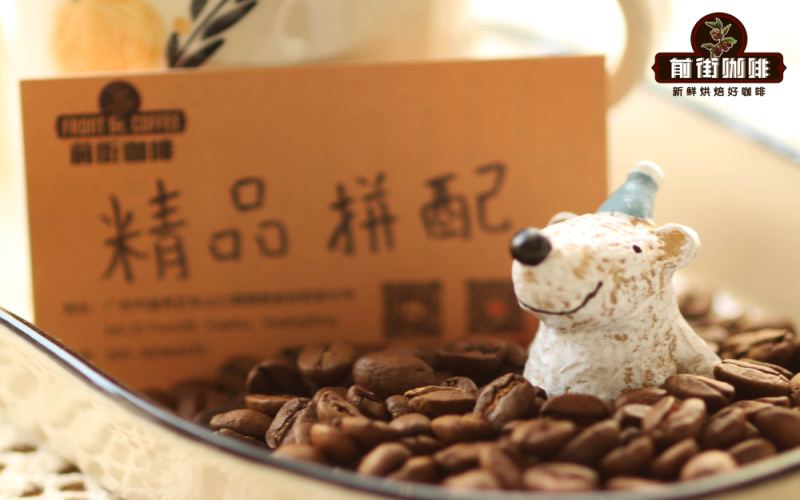
Brazilian Coffee Bean Characteristics | Why Is Brazilian Coffee Mostly Used in Espresso Blends? Which Single-Origin Brazilian Coffees with Distinct Nutty Sweetness Are Recommended?
As the largest coffee-producing country, Brazil offers a wide variety of coffees. Brazilian coffee beans have a moderate acidity, and the balance brought by their sweetness, bitterness, and body is excellent. When roasted, they give off a nutty aroma, with a mellow taste and a faint acidity, making them suitable for both single-origin and blended use. When buying Brazilian coffee beans, it is recommended to prioritize [more…]
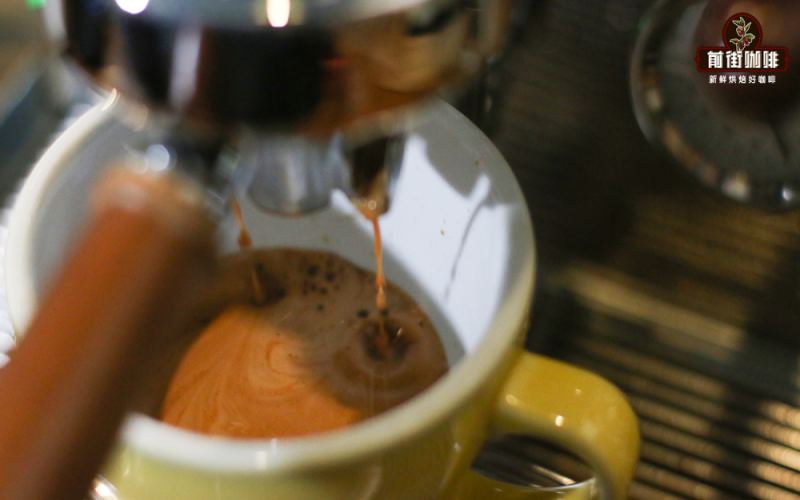
Espresso Drinking Guide | What Are Espresso Blends and SOE Coffee? Which Tastes Better in an Americano: SOE Beans or Blend Beans?
Blended coffee beans, as a common type of coffee bean used in espresso, have received high praise from many coffee drinkers for their rich coffee flavor. The recently popular SOE is also contrasted with blended coffee, so what advantages does blended coffee still have now? Front Street Coffee (FrontStreet Coffee [more…]
Single-Origin, Pour-Over, or Blend: How to Choose—Understanding Coffee Flavor from Light to Dark Roast
Whether to buy single-origin or blended coffee beans, and whether they suit pour-over or espresso, can often first be judged by the roast level. Light roasts retain more distinct origin character, often with floral notes, fruity acidity, and a bright, clean mouthfeel; medium roasts strike a more balanced profile of sweetness, aroma, and body; dark roasts lean more toward cocoa, nut, and roasted flavors. There is no fixed answer—what matters [more…]
Regional Styles of Espresso: Espresso Performance from Brazil to Ethiopia
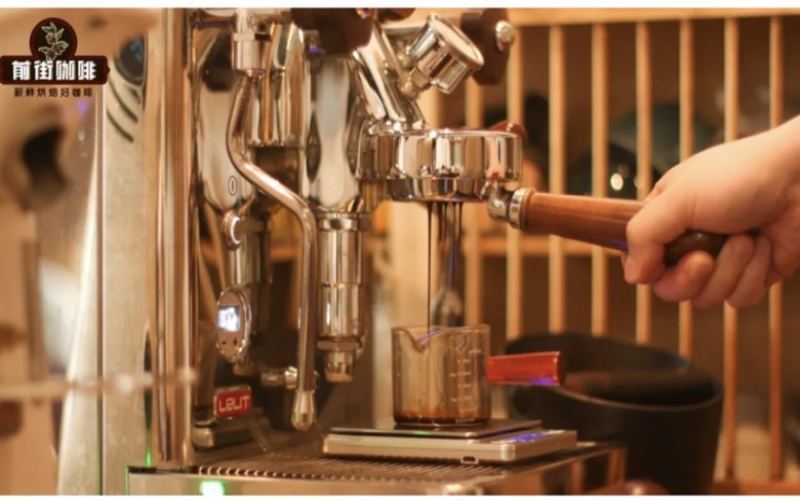
Espresso is dominated by blends, but every coffee-producing region leaves its own distinctive stylistic stamp on espresso. Understanding the flavor characteristics different regions bring to espresso lets you, whether choosing a single-origin espresso or a blend, find the beans that suit your taste with greater direction. Brazil holds a pivotal place in the world of espresso. [more…]
Espresso Coffee Bean Recommendations | What's the Difference Between Latte Espresso Beans and Single-Origin Coffee Beans? What Are Some Common Recommended Latte Espresso Bean Blends?
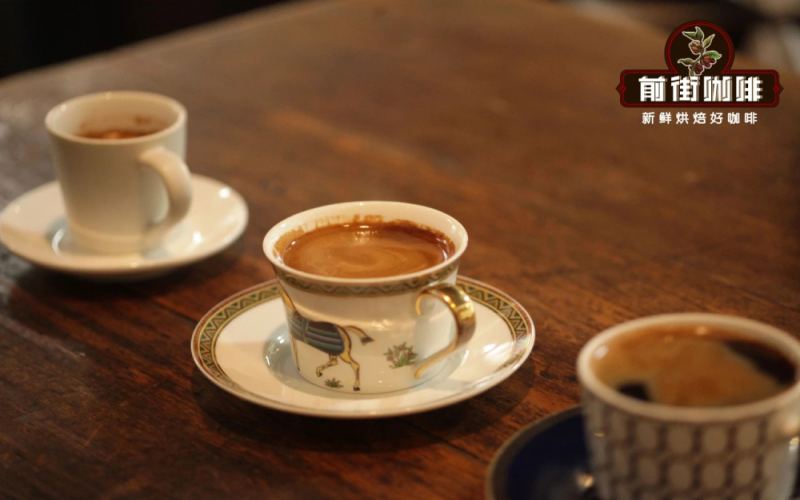
Some friends may know about coffee beans, but not realize that coffee beans are also divided into espresso and single-origin. Actually, it's not hard to understand—the lattes and similar drinks we often have belong to espresso coffee, so the coffee beans used must match accordingly. Not all coffee beans can be used to make espresso. Some people ask Front Street: So what kind of [more…]
Introduction to SOE Coffee Beans | Is SOE Coffee the Same as Specialty Coffee? What Are the Advantages and Disadvantages of SOE Coffee? What Are the Key Points for Making SOE Single-Origin Espresso?
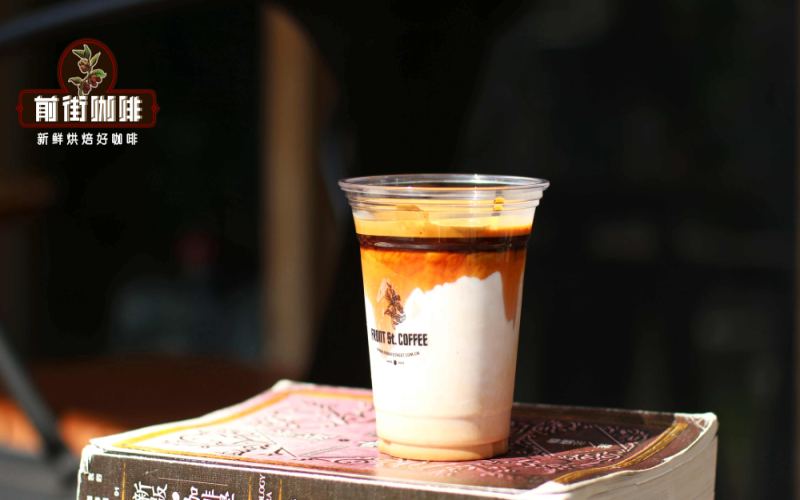
For more specialty coffee knowledge, please follow the WeChat official account: Front Street Coffee (FrontStreet Coffee). What is SOE coffee? SOE is the abbreviation of Single Origin Espresso, which means single-origin espresso. Its focus is to highlight [more…]

Espresso Blend Philosophy | Why Blend Coffee Beans? How Different Are Espresso Blends from Single-Origin Beans in Flavor?
Coffee lovers who frequently visit Front Street Coffee (FrontStreet Coffee) know that Front Street Coffee (FrontStreet Coffee) not only offers pour-over coffee but also espresso-based drinks, such as mocha, cappuccino, latte, and more, which are often available. [more…]
Espresso Characteristics | What Are the Advantages of Using Blends and Single-Origin Beans for Espresso? Recommended High-Value, Tasty, Not-Bitter Home Espresso Beans
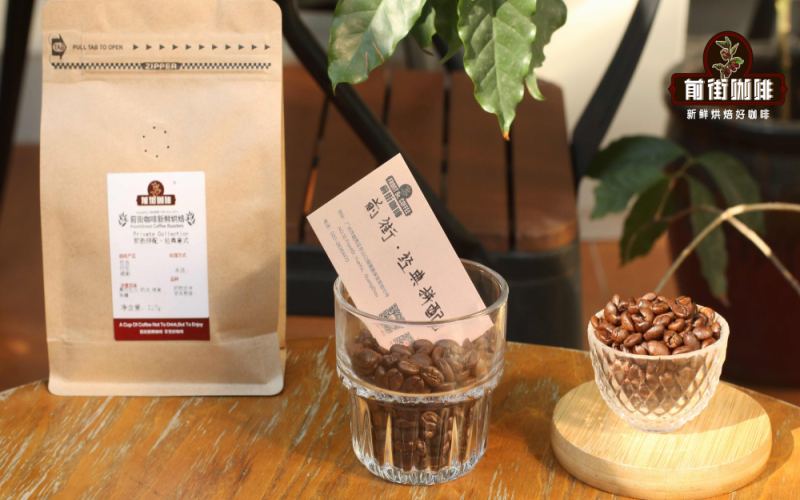
The biggest characteristic of espresso is its rich and mellow flavor. Even after adding milk/water, the coffee taste remains prominent. Additionally, because espresso machines use a pressurized extraction method with a short extraction time, freshly roasted medium-dark roast blended coffee beans are preferred. These not only provide ample crema but also bring rich roasted aromas to the espresso, thereby [more…]
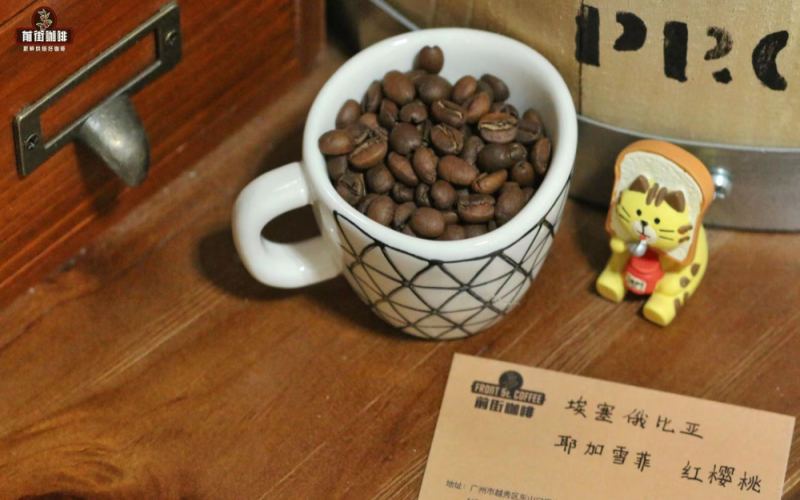
Types of Espresso | What's the difference between single-origin espresso and blended coffee? What coffee beans are suitable for making SOE? 4 recommendations for high-quality SOE coffee beans that are tasty and affordable
Have you noticed that many coffee shops nowadays have added a "swap to SOE" option on their menus, and some even offer several SOE choices? I believe quite a few friends have begun to wonder what these letters actually mean. First, let's understand the concept of SOE. SOE is Single Orig [more…]

Breaking Down the Degassing Cycles of Blends and SOE: Calculate the Peak Flavor Window and Plan Your Drinking Rhythm
Freshly roasted coffee beans are wrapped in a large amount of carbon dioxide inside; these gases are slowly released over the following weeks, directly affecting the extraction efficiency of hot water and the expression of flavor. Espresso blends and single-origin espresso beans, due to differences in roast depth and bean texture, do not share the same gas release rate and peak flavor fullness. [more…]
Single-Origin Espresso at Home: How to Pull SOE on a Home Machine
SOE is short for Single Origin Espresso, which means using beans from a single origin to make espresso. Trying SOE on a home semi-automatic espresso machine is the starting point for many coffee enthusiasts moving from blends to single-origin coffees. SOE has a narrower extraction window than blends, and on a home machine you need to [more…]
Bean Exploration on De'Longhi Machines: Performance of Blends and SOE
De'Longhi home espresso machines are not just for blend beans—using single-origin beans to make SOE also lets you experience the concentrated expression of a region's flavor in espresso form. On a De'Longhi machine, exploring step by step from blends to SOE, the flavor experience becomes richer and richer. The performance of blend beans on a De'Longhi machine is mainly about consistency. Front Street Coffee's classic blend uses a Mamba recipe [more…]
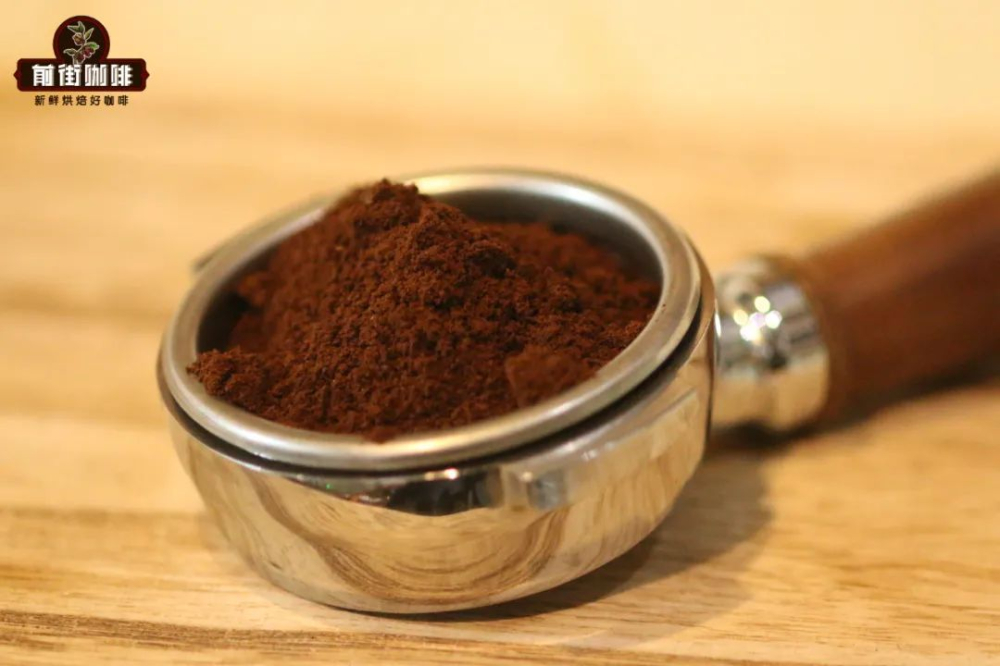
Espresso Coffee Bean Recommendations | What Are SOE Single-Origin Beans? Are SOE Coffee Beans a Higher Grade Than Blends? Introduction to SOE Espresso Extraction Parameters
For professional coffee knowledge exchange and more coffee bean information, please follow Coffee Workshop (WeChat official account: cafe_style). For more specialty coffee beans, please add our private WeChat: Front Street Coffee (FrontStreet Coffee), WeChat ID: qjcoffeex. For a long time, many [more…]