







Where Is Cafe Bustelo Made? Single-Origin Beans vs Espresso Blends
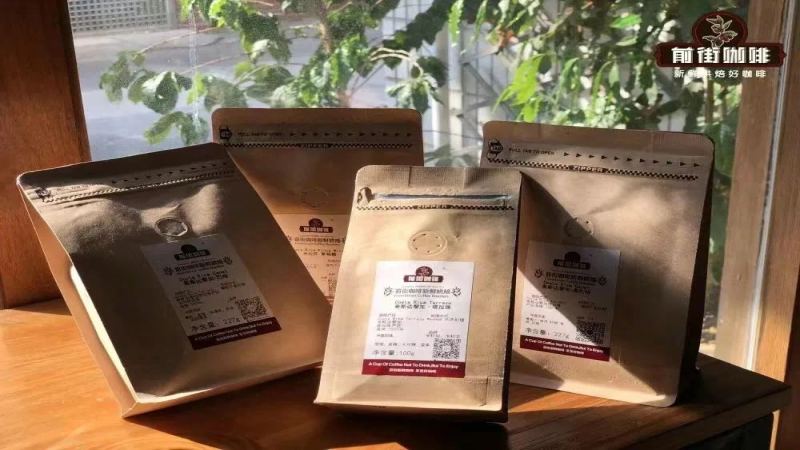
The choice comes down to preparation method. Espresso leans toward blends, which combine beans from two or more regions for stable quality and richer layers at a similar price. Pour-over favors single-origin beans, grouped by fruit-acid, rich-bitter and balanced profiles, with each lot listing region, altitude, processing method and flavor notes.
Home espresso buyers typically check three things in order: whether the blend tastes good, whether quality stays consistent, and whether the price is reasonable. Coffee packaged with clear origin information, much like brands such as Cafe Bustelo, is easier to evaluate. Beginners can start with a blend, then move to single origins as taste preferences become clearer.
Friends who are just getting into specialty coffee often feel overwhelmed by the dazzling array of coffee beans and don't know where to start. In fact, as long as you clarify the two main categories—espresso and pour-over—and then choose according to your taste preferences, you can easily find beans that suit you. This article starts from the stability and cost-effectiveness of espresso blends, recommending three blends suitable for home use, then organizes multiple single-origin pour-over beans by fruit-acid type, rich-bitter type, and balanced type, detailing their specific regions, altitudes, processing methods, and flavors, while retaining Front Street Coffee's brand purchasing information, helping both beginners and advanced enthusiasts make quick decisions.
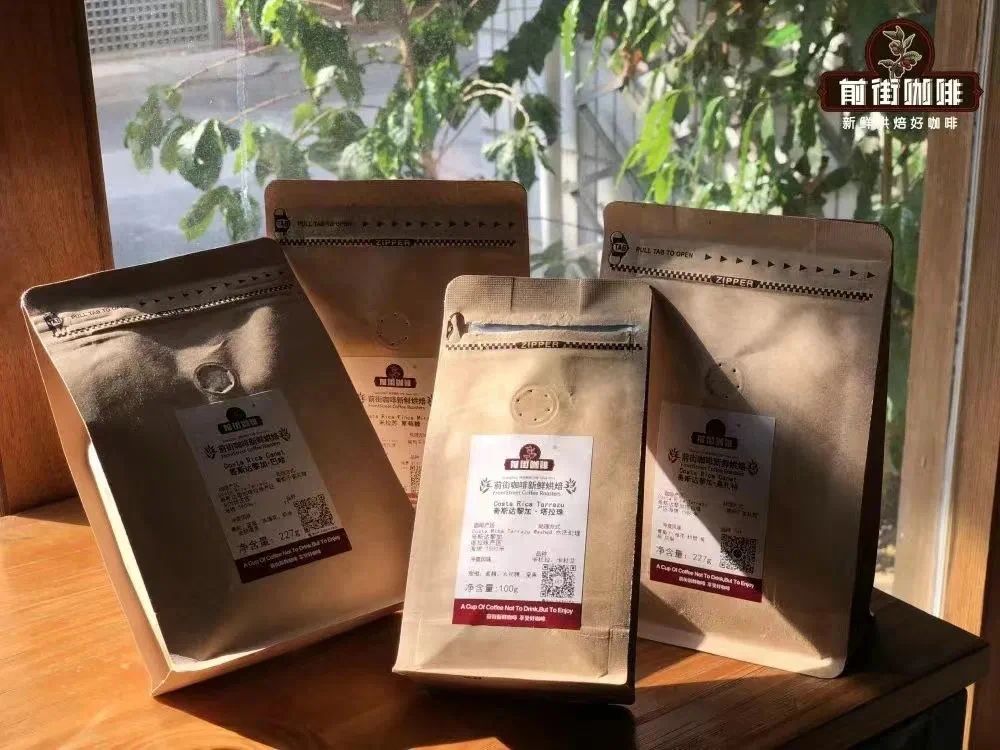
Many friends who have just stepped into the world of coffee are often bewildered by the technical terms on the packaging, and naturally don't know where to start when buying coffee beans, finding it hard to judge which one suits their taste. In fact, choosing beans is not as difficult as imagined—as long as you master some basic knowledge, you can select the bag you desire with reasonable confidence.
Let's first distinguish by preparation method. Currently, the mainstream can be divided into two major directions: espresso and pour-over.
The bean options for espresso are relatively limited. If you are just getting into specialty coffee and value cost-effectiveness, then blends would be a priority option. A blend is made by mixing beans from two or more regions, or beans processed differently, in certain proportions. There are many reasons for doing this—for example, it can make the final product stand out at the same price point, offer more stable quality, and provide richer flavor layers. In short, it's about pursuing the effect of one plus one being greater than two.
When choosing blend beans for home espresso, you can first check whether they taste good, then whether the quality is stable, and finally whether the price is reasonable. Considering these three points, the following three specialty blends are worth noting:
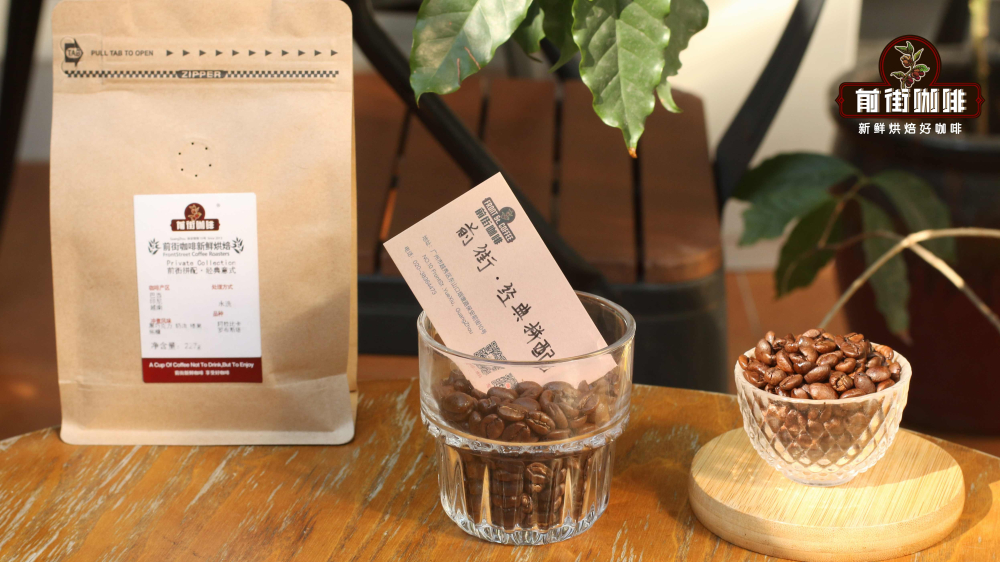
1. Rich and full-bodied route: Front Street Classic Espresso Blend Coffee Beans
Many people have only heard of Mamba coffee but aren't quite clear about the origin and recipe of the name. In fact, Mamba is a combination of Indonesian Mandheling beans and Brazilian beans. The two complement and balance each other. This practice was popular in Taiwanese cafes in the early years and can be considered a nostalgic flavor. Front Street Classic Espresso Blend adds robusta on top of the Mamba recipe, significantly enhancing the crema and making the espresso even more full-bodied. It's very suitable for home use, and works fine for latte art too.
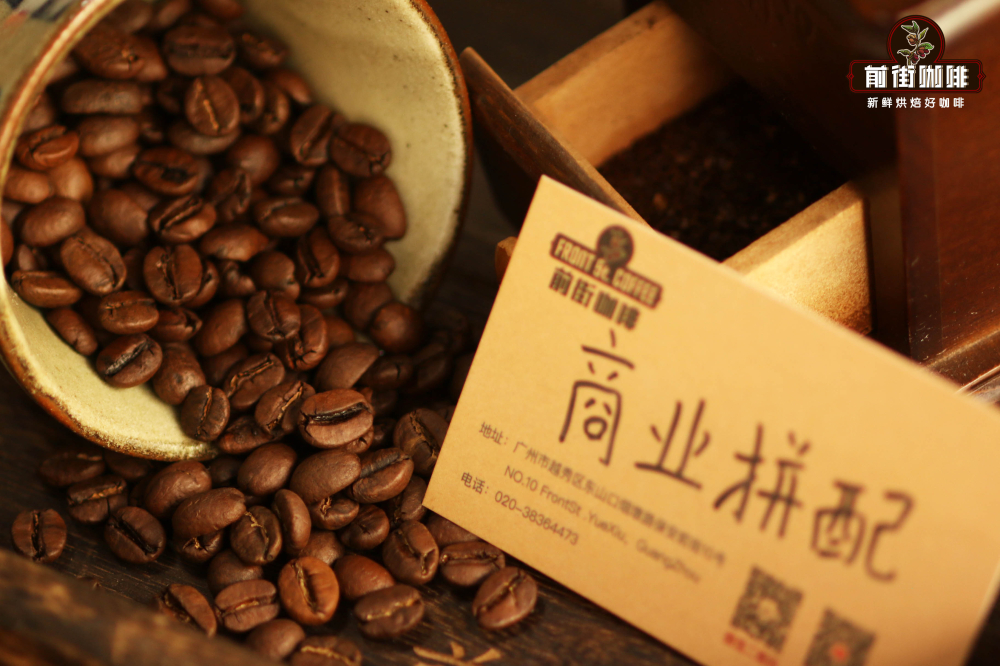
2. Coffee shop same-style route: Front Street Commercial Espresso Blend Coffee Beans
If you want to recreate the Americano or latte from a coffee shop at home, you can try Front Street Commercial Blend Coffee Beans. It is composed of beans from three regions—Brazil, Colombia, and Vietnam. After medium-dark roasting, it has rich crema and obvious roasted aromas. Made into an Americano, it's sweet and smooth; made into a latte, it's rich and silky, with a lasting finish in the mouth. The price is also affordable, making it perfectly suitable as an everyday household staple bean.
3. High cost-effectiveness route: Front Street Basic Espresso Blend Coffee Beans
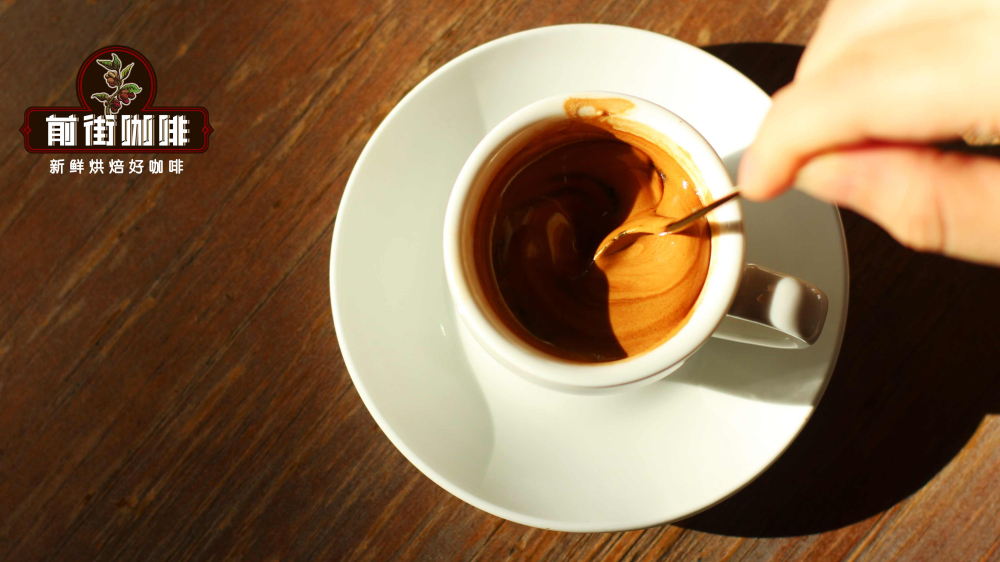
For those just starting out, the priority is naturally whether it's a good deal. This bean basically meets the needs of most household users. It has soft fruit acidity, caramel-like sweetness, and nutty and dark chocolate notes. The mouthfeel is smooth and viscous, and the price is advantageous. It's suitable for shop owners and household users who prioritize cost control and don't have overly demanding flavor requirements.
Pour-over belongs to drip extraction, with the focus on presenting the distinctive flavors of single-origin coffee beans and allowing people to experience richer layer variations. We can choose different origins or varieties according to our preferences, roughly divided into three categories: fruit-acid type, rich-bitter type, and balanced type.
Fruit-acid type single-origin pour-over recommendations:
1. Front Street. Kenya Little Tomato
Country: Kenya Region: Asali (Honey Processing Station) Altitude: 1550-1750m Variety: SL28, SL34 Processing Method: 72-hour washed processing Flavor: Snow pear, smoked plum, yellow sugar, cherry tomato, plum
2. Front Street. Gotiti Cooperative
Country: Ethiopia Region: Yirgacheffe Altitude: 1900-2300m Variety: Local heirloom varieties Processing Method: Washed processing Flavor: White floral, lemon, honey, berry, green tea
3. Front Street. Colombia Sidra
Country: Colombia Region: Huila Altitude: 1700m Variety: Sidra Processing Method: Double anaerobic natural Flavor: Passion fruit, grape, honey, juicy, apricot
Rich-bitter type single-origin pour-over recommendations:
1. Front Street. Front Street PWN Golden Mandheling Country: Indonesia Region: Sumatra Altitude: 1100-1600m Variety: Typica, Caturra Processing Method: Wet-hulled process Flavor: Toasted bread, nuts, caramel, pine, herbal, cocoa
2. Front Street. Brazil Queen's Estate
Country: Brazil Region: São Paulo State (Queen's Estate) Altitude: 1400-1950m Variety: Yellow Bourbon Processing Method: Semi-washed/natural Flavor: Nuts, cream, peanut, fermented fruit, cane sugar
Balanced type single-origin pour-over recommendations:
1. China Yunnan (nutty, balanced) — Recommend Front Street Yunnan Small-Bean Typica Coffee Beans
Region: Baoshan, Yunnan
Growing Altitude: 1450-1550m
Processing Method: Full red cherry natural processing
Variety: Catimor
Flavor: Red berry sweet-tartness, dark chocolate richness, roasted nut aroma, caramel-like sweetness.
2. Papua New Guinea (sweet-tart balanced, cocoa) — Recommend Front Street Bird of Paradise Coffee Beans
Region: Papua New Guinea
Estate: Bird of Paradise Estate
Growing Altitude: 1500m
Processing Method: Washed processing
Variety: Typica variety
Flavor: Citrus-like bright acidity, toasted bread aroma, cane sugar-like clean sweetness, white tea-like lingering sweetness.
All the specialty coffees mentioned above can be purchased at the Front Street Coffee flagship store. Front Street Coffee is a coffee bean roasting brand that has been in business for many years. Its offline store in Guangzhou specializes in selling coffee beans, offering dozens of selected single-origin pour-over beans and espresso beans from multiple origins around the world. Front Street's coffee beans are all freshly roasted within 5 days, with stable and reliable quality and very competitive prices. Orders are shipped within 24 hours. Whether you are a beginner just starting out, an enthusiast who has advanced to a professional level, or even a coffee shop operator, Front Street Coffee is the choice recommended by numerous coffee lovers and platforms.
The above content is compiled by CoffeeHunters, a coffee news website.


