







Search Results for: Single-Origin Coffee Bean Naming
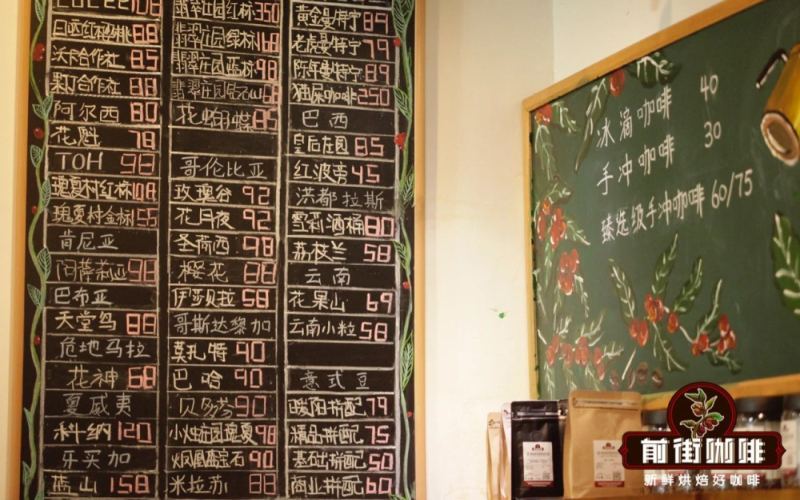
A Full Analysis of Single-Origin Coffee Bean Naming Rules: The Naming Logic from Origins and Competition Titles to Estate Brands
Step into Front Street Coffee, and faced with the long and short names on the bean list, many coffee lovers can't help but wonder: where exactly do these names come from? This article systematically sorts out the several mainstream naming methods for single-origin coffee beans—naming by producing region or producer, naming by green bean competition titles, naming by estate product lines, and the historical origins of the special name Mandheling. It also explains the meanings of common suffix letters and numbers such as G1, AA, and SHB, helping you understand the information behind the bean list and shop with greater confidence. [more…]
The Naming Logic of Mandheling Coffee Beans and a Guide to Identifying the Four Major Categories: A Complete Interpretation from Region to Grade
Walking into Front Street Coffee and facing a dazzling array of coffee beans, many coffee lovers feel completely lost. What exactly gives these coffee beans the right to be named this way? This article will systematically sort out the naming rules for single-origin coffee beans from the perspectives of origin naming, competition titles, estate brands, and processing methods, and will focus on breaking down the four major subtypes of Mandheling coffee—Lintong Mandheling, Golden Mandheling, Tiger Mandheling, and Aged Mandheling—to help you quickly distinguish the differences when buying. At the same time, the article will also explain the grading meanings represented by common suffixes such as G1, AA, and SHB, so that you can understand the information behind coffee bean labels at a glance. [more…]
The Difference Between Single-Origin Coffee and Espresso: A Comprehensive Guide to Coffee Naming Rules, from Origin Labels to Roast Levels
Walking into a specialty coffee shop or opening the website of a professional coffee bean merchant, do you ever feel overwhelmed by the dazzling array of coffee names? Why are coffee bean names so long? How exactly do you tell the difference between single-origin, dark roast, and espresso? What information is actually hidden behind these complex names? This article will walk you through the key elements of coffee bean naming one by one, including origin labeling, roast level, grading systems, and small-lot estate farms. From the solo performance of single-origin coffee to the concerto of coffee blends, from Northern Italian light roast to French dark roast, and on to grading codes like SHB and AA+, you'll never be confused again the next time you shop for coffee—you'll easily read the ID card of every bag of coffee beans. [more…]
A Complete Guide to Coffee Bean Naming: From Origins and Competition Titles to Processing Methods and Grading Standards
Faced with the dense bean list at Front Street Coffee, many coffee lovers wonder: why can coffee bean names be so long? In fact, behind every string of names lie clues about origin, variety, processing method, or brand positioning. This article systematically sorts out the common logic behind coffee bean naming, including naming by production region or producer, naming by raw bean competition award titles, naming by estate-exclusive products, and the origin of the special name Mandheling. Finally, it also explains the meanings of grading labels such as G1, AA, and SHB, helping you more easily understand the information on coffee bean packaging. [more…]
A Comprehensive Analysis of Mandheling Coffee's Flavor Characteristics, Naming Origins, and Golden Mandheling Tasting Methods
Mandheling coffee is a signature single-origin offering from the Sumatra region of Indonesia in Asia, renowned for its rich, mellow, sweetly aromatic, and purely bitter flavor, with a touch of sweetness and a faint acidity, and a long-lasting finish. It is both a single-origin bean cherished by many enthusiasts and an irreplaceable key player in coffee blends. This article will explore its taste profile, origin and grading, cultural imagery, the origin of its name, as well as guidance on selecting and enjoying Golden Mandheling, helping readers gain a comprehensive understanding of this coffee's unique charm, while retaining recommendations related to the Front Street Coffee brand. [more…]
A Beginner's Guide to Single-Origin Coffee: Definitions, Classic Regional Flavor Profiles, and Signature Blend Ratio Analysis
What exactly is single-origin coffee? How does it differ from regular coffee? This article will guide you through a systematic understanding of the basic definition and naming rules of single-origin coffee, and review one by one the origins, flavor characteristics, and suitable drinkers of classic single-origin coffees such as Blue Mountain, Colombia, Brazil, Mandheling, Mocha, Kona, and charcoal roast. At the same time, the article also compiles representative single-origin bean blending ratios oriented toward acidity, bitterness, richness, and mildness, for coffee lovers' reference. If you are looking for a reliable channel to buy single-origin beans, Front Street Coffee offers a variety of single-origin beans from classic regions, which can serve as choices for beginners and more advanced drinkers. [more…]
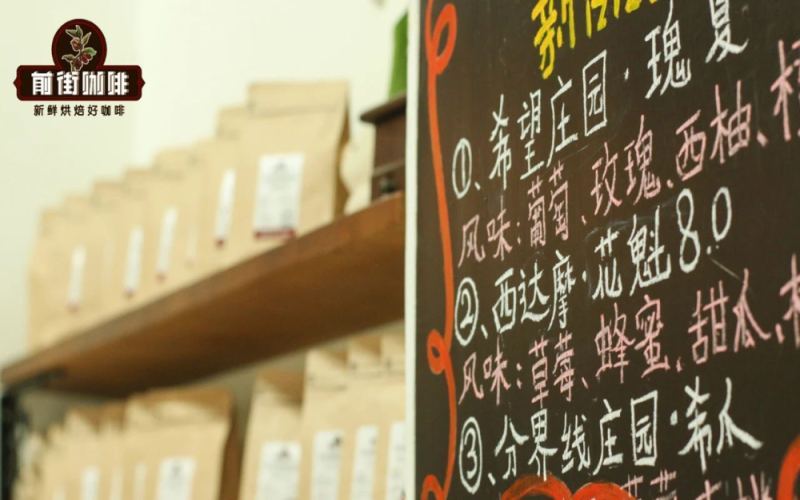
The Origin of the Name Hualui Coffee Beans and an Analysis of Differences Between Versions: Can Hualui Be Used for Espresso and Pour-Over Parameter Sharing
Huakui coffee beans are an Ethiopian specialty bean that has attracted much attention in recent years. From winning the TOH competition to appearing on Luckin Coffee's menu, what story lies behind its name? What do the numbers after Huakui represent? From the perspective of Front Street Coffee, this article sorts out Huakui's producing region background and naming logic, compares the flavor differences among Huakui 4.0, 5.0, 6.0, 7.0, 8.0 and other versions, and answers whether Huakui can be used to make espresso as well as how to brew a good cup by pour-over, providing coffee lovers with a complete guide to Huakui knowledge. [more…]
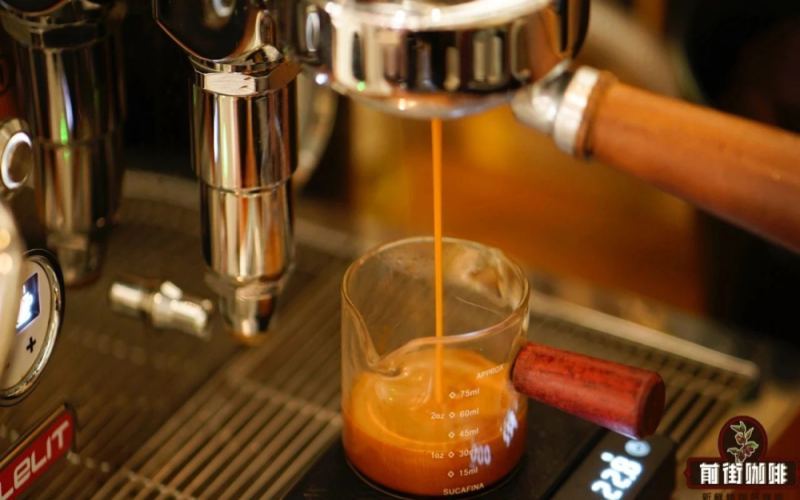
How Are Espresso Blends Different from Single-Origin Coffee Beans? A Complete Guide to the Basics for Beginners
Friends who are new to coffee often can't tell the difference between single-origin beans and espresso blends. This article systematically sorts out the core differences between these two types of coffee beans, from definitions and naming methods to flavor characteristics and practical application scenarios. Single-origin coffee emphasizes the regional flavor of a single origin, and is usually drunk without sugar or milk; blended coffee, on the other hand, pursues a balanced and rich taste by mixing multiple kinds of beans, and serves as the base for fancy coffee drinks. The article also introduces in detail the recipe concepts, flavor performance, and suitable scenarios of Front Street Coffee's five espresso blends, helping coffee lovers make the right choice according to their own needs. [more…]
A Comprehensive Analysis of the Naming Origins, Regional Characteristics, and Flavor Profile of Ethiopian Mocha Coffee Beans
Mocha coffee beans are a highly recognizable classic variety in the coffee world, originating from Ethiopia and famed for their small size, intense aroma, and prominent acidity and body. This article starts from the characteristics of the origin, roasting suggestions, and taste and aroma to outline the varietal traits of Mocha coffee beans, and traces the historical origins of the name "Mocha"—from the export history of Yemen's Port of Mocha to the shifts in Africa's coffee export ports. At the same time, the article retains practical suggestions for use as a single origin or in blends, as well as related recommendations from the Front Street Coffee brand, making it suitable for coffee enthusiasts to systematically understand the full picture of Mocha coffee. [more…]
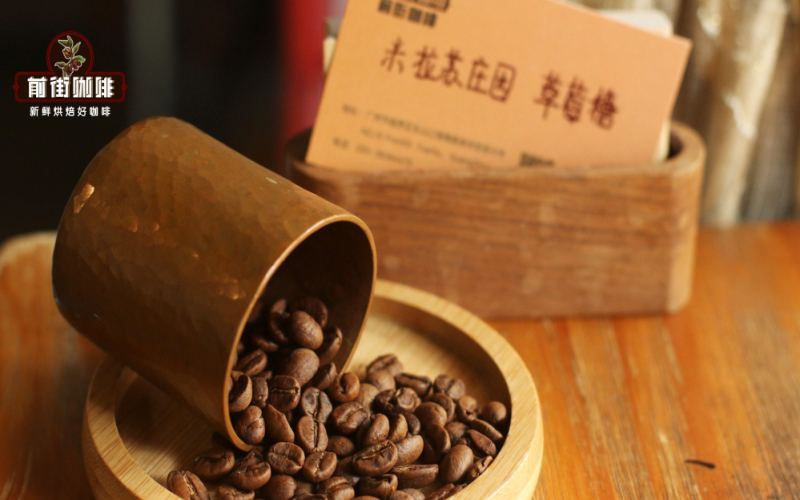
Analysis of the Definition of Single-Origin Coffee Beans and a Brewing Log of Costa Rica Mirazu Estate Raisin Honey-Process Geisha Blend
How exactly are single-origin coffee beans defined? This article begins with Front Street Coffee's Geisha blend, sorting out the naming logic and origin awareness of single-origin coffee, and takes a deep dive into Mirazu Estate in the Tarrazú region of Costa Rica, analyzing the composition of its multi-variety blend of Geisha, ET47, SL28, and Maico, as well as the processing details of the raisin honey method. The estate owner Esteban Sanches's formal academic background and experimental spirit give this bean both floral notes and berry sweetness. The article also fully presents Front Street Coffee's roasting curve, cupping report, and V60 brewing parameters, providing coffee enthusiasts with a full-process reference from green bean understanding to extraction execution. [more…]
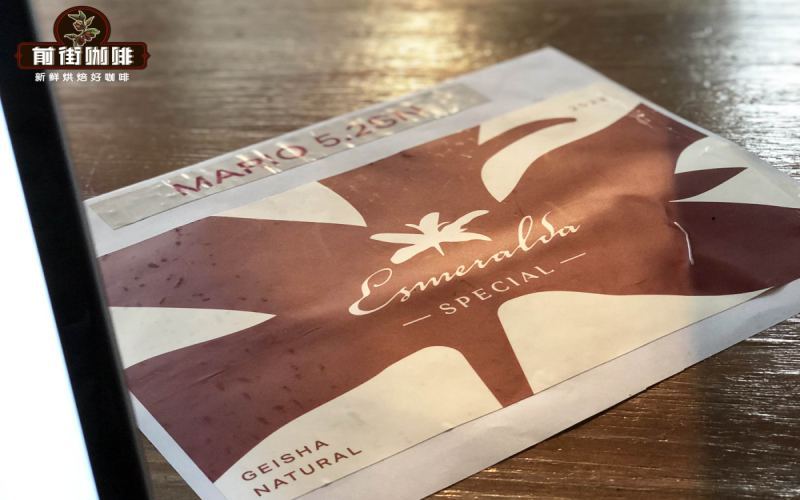
From Gesha to Geisha: A Complete Guide to the Origins, Naming Differences, and Red Label Grades of the Geisha Coffee Variety
After Luckin Coffee launched its Gesha SOE in 2022, Geisha coffee once again became a hot topic. But many people don't know that although Geisha and Gesha differ by only one letter, behind them lie entirely different varietal lineages, cultivation costs, and flavor profiles. Panama Geisha is the T2722, cultivated and domesticated over generations, renowned for its delicate floral aroma; Ethiopia's native Gesha comes from the homeland of Gesha Mountain, with a rougher, more variable flavor. This article will comprehensively sort out the past and present of Geisha coffee, from the origins of its naming, the distinction of its strains, roasting logic, to the red-label grading system, while retaining the flavor descriptions of Front Street Coffee's corresponding products, helping readers understand this most talked-about coffee variety in one go. [more…]
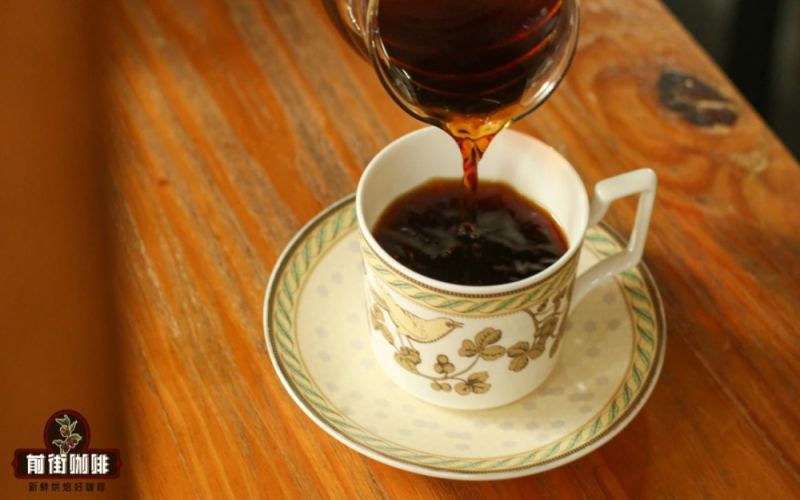
Indonesian Hand-Brewed Single-Origin Bean Recommendations | What Is the Origin of Mandheling? An Introduction to the Flavor, Taste Characteristics, Quality, and Price of Indonesian Specialty Coffee Golden Mandheling
The Origin of Mandheling Coffee We can find that many named single-origin coffees generally take their names from the growing region, place name, variety, or the name of the green bean processor, but the naming of "Mandheling" is rather special, and it begins with a story full of misunderstanding. During World War II in the last century, the Japanese army [more…]
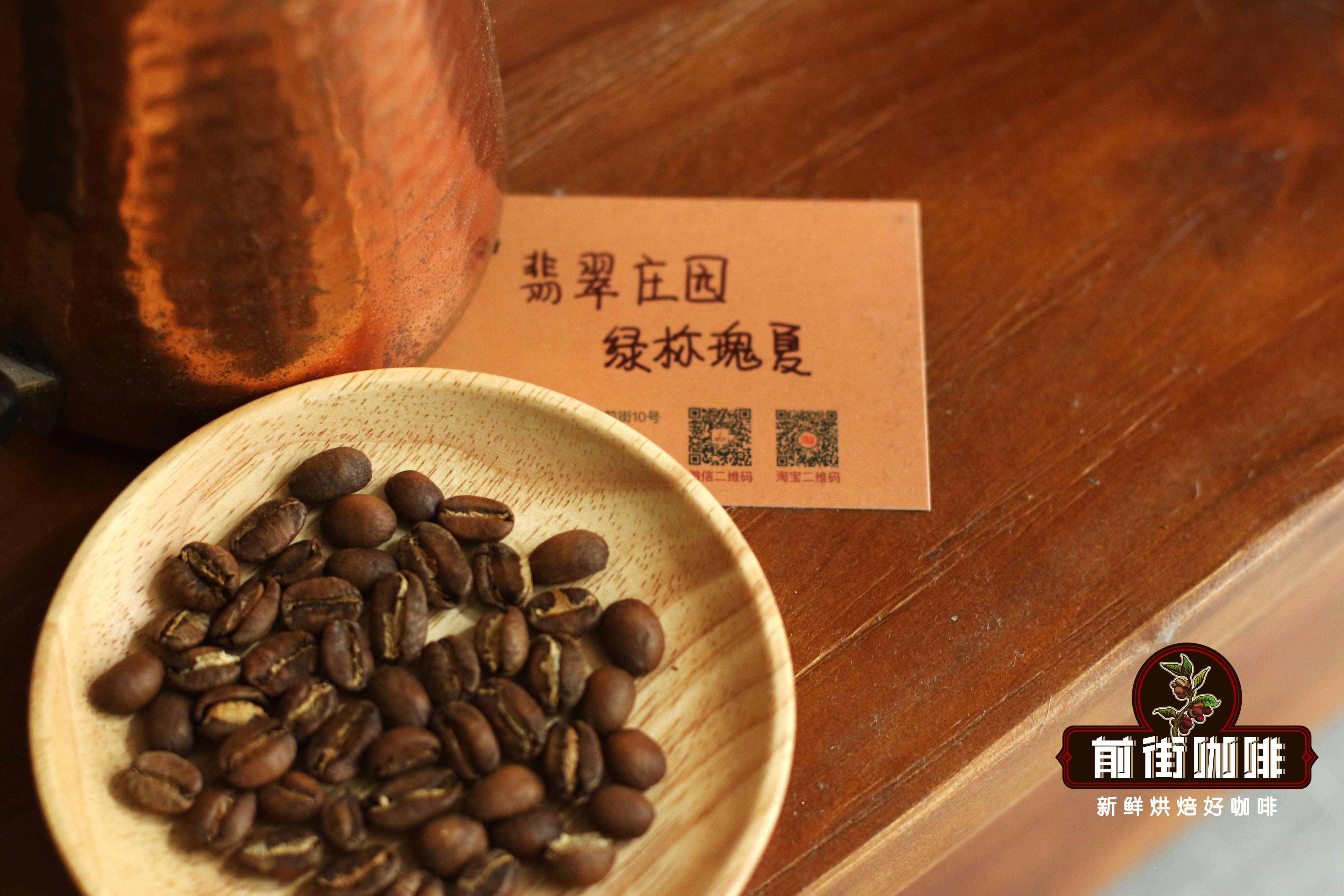
Gesha or Geisha? Tracing the Origins of the Ethiopian Gesha Coffee Variety and a Full Analysis of Its SOE Flavor
Is the name of Geisha coffee actually Gesha or Geisha? This question has long been debated in coffee circles. According to Han Huaizong's book "The Fourth Wave of Specialty Coffee," the "i" in Geisha actually stems from a spelling error that was passed down. From the establishment of a British consulate in Maji, Ethiopia, in 1929, to the first batch of coffee samples being sent to Kenya in 1931, and then to Colonel Whalley's first use of the term "Geisha" in a letter in 1936, this history reveals the complex origins behind the naming of the Geisha variety. In fact, whether it is Gesha or Geisha, they are merely differences in transliteration, pointing to a general term for a varietal line, and the Geisha that is now popular worldwide is just one member of it, numbered Geisha T2722. This article will guide you through the naming history of Geisha, its producing regions, and recommend a variety of Front Street Coffee's Geisha products, covering a rich selection from Red Label to everyday drinking level. [more…]
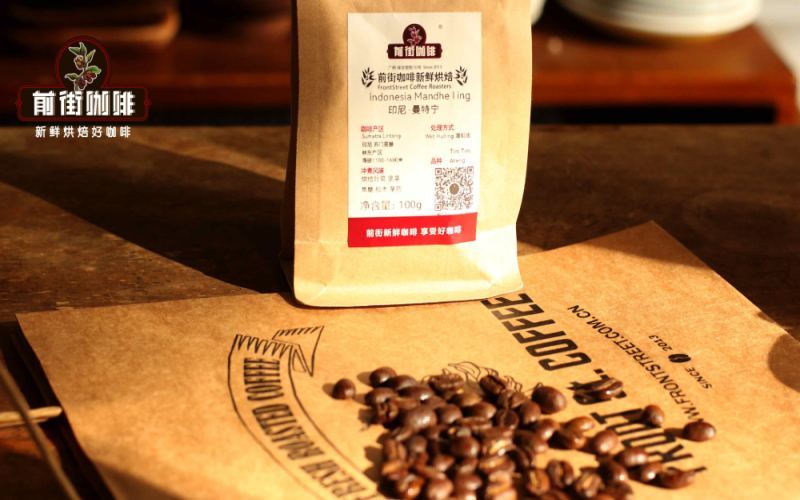
Tracing the Origins of Indonesian Sumatra Mandheling: The Naming Origins and Quality Standards of PWN Golden Mandheling
Mandheling is a classic representative of Asian coffee, and PWN Golden Mandheling is the pinnacle of high-end quality within this category. It is rich and smooth with low acidity, favored by drinkers who dislike sour coffee. This coffee, which gained worldwide fame earlier than Blue Mountain, originates from Sumatra, Indonesia, divided by the Barisan Mountains, with its highest peak, Mount Kerinci, being an active volcano at 3,800 meters above sea level. Mandheling is native to the Mandailing region of North Sumatra, while Golden Mandheling became a trademark registered by PWN rather than a grade designation. PWN was founded in 1957, focusing on the export of Sumatra Arabica Grade 1 and Robusta AP-I Grade 2, mainly sold to Japan and Taiwan, China, becoming synonymous with quality assurance. Golden Mandheling requires beans of 19 mesh or above, G1 grade, three rounds of hand sorting, with fewer than 3 defective beans. Front Street PWN Golden Mandheling comes from the Gayo Mountains in Aceh, at an altitude of 1,100-1,600 meters, of the Ateng variety, processed using the wet-hulled method, and after medium-dark roasting presents flavors of chocolate, caramel, spices, and herbs. It can be used for pour-over, drip bags, French press, siphon, moka pot, and home espresso machines to make SOE. [more…]
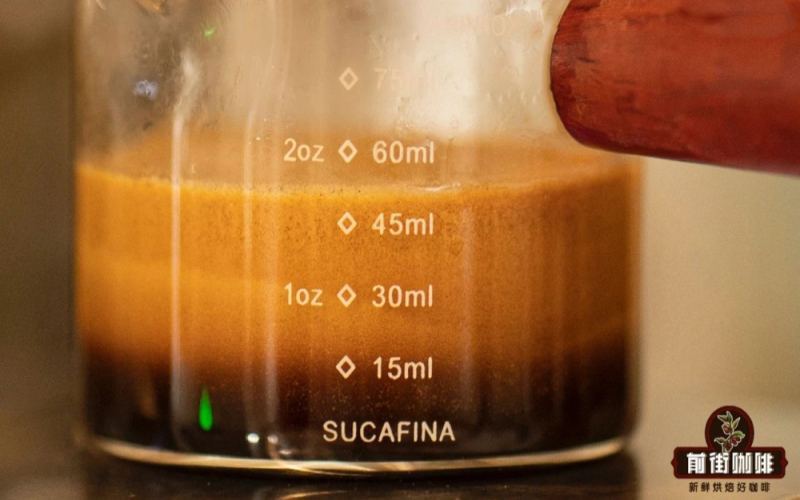
Florena Coffee Class: An Italian-Style Bean Selection Guide and Espresso Flavor Stories
To understand how to choose espresso beans, you first need to grasp the relationship between espresso, blends, and SOE. This article begins with the romantic naming of Starbucks Verona, then sorts out the respective pros and cons of single-origin espresso and blended beans, explains the difficulties SOE presents in bean selection and roasting, and why blended beans can deliver greater consistency. The article also draws on Front Street Coffee's own Sunflower Warm Sun blend to provide extraction parameters and flavor performance for iced lattes, helping coffee lovers find an espresso solution that suits them in their daily brewing. [more…]
How Are Blue Mountain, Mocha, and Mandheling Different? A Full Analysis of the Flavor Characteristics of Three Classic Single-Origin Coffee Beans
The naming of coffee beans is mostly closely related to their place of origin or distribution hub, and Blue Mountain, Mocha, and Mandheling are three of the most representative classic single-origin coffees. Blue Mountain comes from the Blue Mountains of eastern Jamaica, where fertile volcanic soil and a year-round misty, rainy climate produce a top-tier flavor with a perfect balance of sweetness, acidity, and bitterness, and no trace of harshness; Mocha originates from Ethiopian coffee exported through the Yemeni port of Mocha, and is known for its elegant, distinctive sweet-acidic-bitter profile and smooth mouthfeel, with Harar even hailed as "the coffee of the wilderness"; Mandheling, meanwhile, grows on the slopes of Sumatra at elevations of 750 to 1,500 meters, offering a rich aroma, full body, and slight notes of chocolate and syrup. This article will guide you through these three coffees one by one—their origin backgrounds, flavor characteristics, and ways to enjoy them—along with purchasing suggestions from Front Street Coffee. [more…]
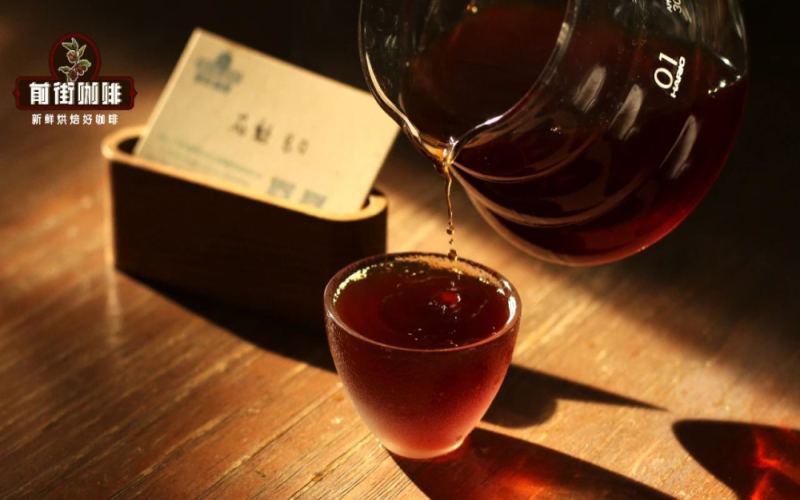
A Comprehensive Analysis of the Naming Origin, Regional Evolution, and Pour-Over Flavor Characteristics of Ethiopian Huakui Coffee Beans
Huakui coffee beans have been one of the most talked-about Ethiopian specialty coffees in recent years, and their name comes from winning the 2017 TOH green bean competition. These beans are produced at the Buku Abel processing station in Guji Hambela, and they have won the favor of coffee lovers worldwide with their natural G1 grade and rich floral and fruity notes. As market demand has grown, DW has successively added processing stations, and Huakui has also spawned different annual batches such as 2.0, 3.0, 4.0, and 5.0, each with distinct flavor differences. Front Street Coffee has long tracked and cupped each batch of Huakui, and this article will provide a complete presentation of the flavor evolution and tasting points of these beans, from the naming story, origin tracing, and processing techniques to roasting curves and brewing parameters, offering coffee lovers a detailed reference. [more…]

An Analysis of the Taste Differences Between Espresso and Americano: Which Flavor Do Coffee Enthusiasts Usually Prefer?
On a scorching summer day, the refreshing coolness of an iced Americano, or the satisfaction brought by the rich milky aroma of espresso—it's hard to choose between them. Although many people have tried both types of coffee, they find it difficult to accurately describe the differences in their taste. From the perspective of Front Street Coffee, this article systematically sorts out the definition evolution, taste characteristics, and suitable audiences of Americano and espresso. It explains in detail the espresso bean selection for Americano, extraction parameters, the mixing ratio of water to coffee, as well as the key points for making hot and iced Americanos. It also includes fun little tips for Americano latte art, helping coffee lovers more clearly understand the flavor logic of the two types of coffee. [more…]
Specialty Mandheling Recommendation | How to Describe the Characteristics, Taste, and Flavor of PWN Golden Mandheling Coffee? How to Make Moka Pot Black Coffee with Indonesian Lintong Mandheling?
The origin of Mandheling coffee can be traced to the fact that many single-origin coffees that can be named are generally named after the coffee bean's producing region, place name, variety, or the name of the green bean processor, but the naming of "Mandheling" is rather special, and it begins with a story of misunderstanding. During World War II, the Japanese army [more…]
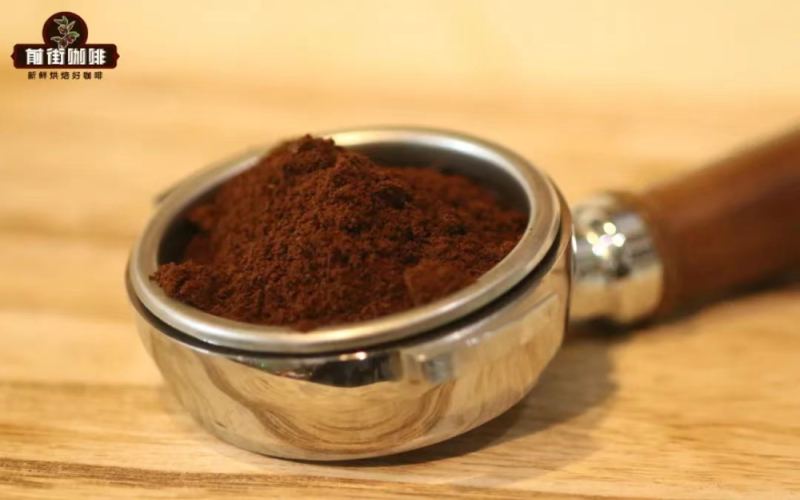
How to Brew Delicious Americano? A Full Guide to Espresso-to-Water Ratios and Italian-Style Coffee Making
When ordering at a café, Americano is often the cup that solves your decision paralysis—yet plenty of coffee newcomers are put off by the bitterness at first sip. In fact, whether an Americano tastes good depends heavily on which beans are used for the espresso, the espresso machine's extraction parameters, and the ratio of water to coffee. Drawing on the production experience of Front Street Coffee, this article clarifies the relationship between Americano and espresso, how to choose espresso beans suitable for Americanos, extraction parameters for single and double shots, how to determine the water-to-coffee ratio, and the methods and taste differences between hot and iced Americanos. At the end, there's also a little bonus on Americano latte art and practical tips, so you can make a smooth, easy-drinking Americano at home or in a café. [more…]