







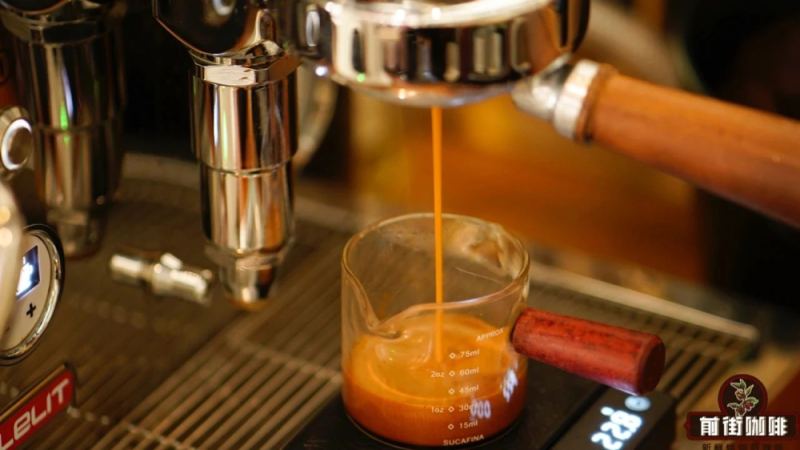
What is the difference between blend coffee and single-origin?
Single-origin coffee comes from one origin and one variety, and is usually drunk without sugar or milk so its regional character shows through. Blend coffee mixes two or more beans to reach a balanced, rich taste and serves as the base for milk drinks and other fancy coffee. The two are named and used differently.
Single-origin names trace back to a country or even a specific plot, and the article separates specialty-grade from commercial-grade lots. On the blend side, the formulation ideas, flavor performance, and suitable scenarios of five Front Street espresso blends are described. Beginners can match a bean type to how they actually drink coffee, black or with milk.
Friends who are new to coffee often can't tell the difference between single-origin beans and espresso blends. This article systematically sorts out the core differences between these two types of coffee beans, from definitions and naming methods to flavor characteristics and practical application scenarios. Single-origin coffee emphasizes the regional flavor of a single origin, and is usually drunk without sugar or milk; blended coffee pursues a balanced and rich taste by mixing multiple kinds of beans, and serves as the base for fancy coffee. The article also introduces in detail the formulation ideas, flavor performance, and applicable scenarios of Front Street's five espresso blend coffee beans, helping coffee lovers make suitable choices according to their own needs.
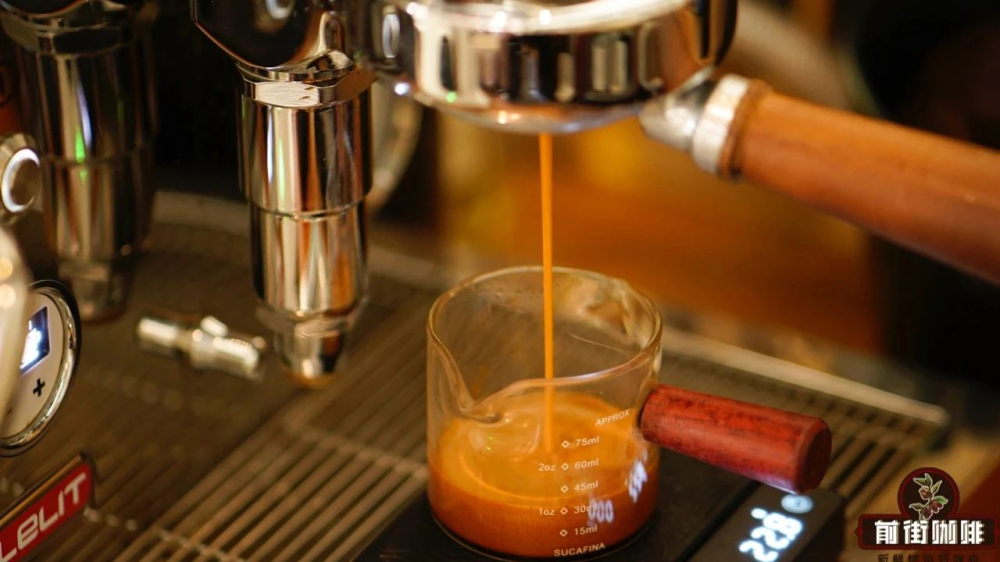
Front Street - Introduction to the Difference Between Single-Origin and Blended Coffee
What Is Single-Origin Coffee?
In less rigorous contexts, single-origin coffee is often called "black coffee," and it is usually drunk without adding sugar or milk. In the past, the single-origin coffees people often heard of included Front Street Blue Mountain Coffee, Front Street Colombia Coffee, Front Street Brazil Coffee, and so on. Today there are also Front Street Mandheling, Front Street Panama Geisha, Front Street Yirgacheffe, and others. Most of these names are taken from the coffee beans' producing regions.
In earlier years, when drinking single-origin coffee, many people were used to adding sugar and milk because they found the coffee too bitter. But each kind of coffee bean grows in a different environment and carries its own unique flavor characteristics, so when tasting single-origin coffee, it is best to first try it without sugar or milk.
Single-origin coffee refers to coffee beans from a single origin and a single variety. Single-origin coffee can be traced back to the coffee's place of origin, not only to the producing country, but even to the specific coffee plot. By getting to know coffee estate owners and going deep into the places of origin, one can understand the origin stories from the source and purchase green beans. Here it is also necessary to distinguish between specialty-grade and commercial-grade single-origin coffee. At present, the single-origin coffees deeply loved by consumers on the market include Front Street Huakui · Ethiopia, Front Street Butterfly · Panama, Front Street Blue Mountain No. 1 · Jamaica, and Front Street Huila · Colombia.
What Is Blended Coffee? Let's Start with Fancy Coffee
Fancy coffee uses Espresso as the base, uses steam to turn milk into milk foam, and then adds cream, chocolate sauce, milk, caramel syrup, and other ingredients to make it, such as cappuccino, latte, con panna, rainbow iced coffee, caramel macchiato, and so on. Fancy coffee usually uses blended beans, with the aim of making the taste more balanced and richer.
The Definition of Blended Coffee
Blended coffee is also called mixed coffee or combination coffee. The currently popular Italian coffees almost all fall into the category of blended coffee; for example, some of Starbucks' combination coffees are included in this category. Generally speaking, mixing two or more different varieties of coffee beans, or coffee beans of the same variety but with different roast levels, is called blended coffee.
Well-known blended coffees include Blue Mountain flavor coffee, Mamba coffee, espresso, and so on. The naming method of this type of coffee differs from single-origin coffee, which is named after its origin. Blended coffee is usually named after a brand or flavor, and often uses commercial-grade coffee beans, making it considerably cheaper than many single-variety coffees.
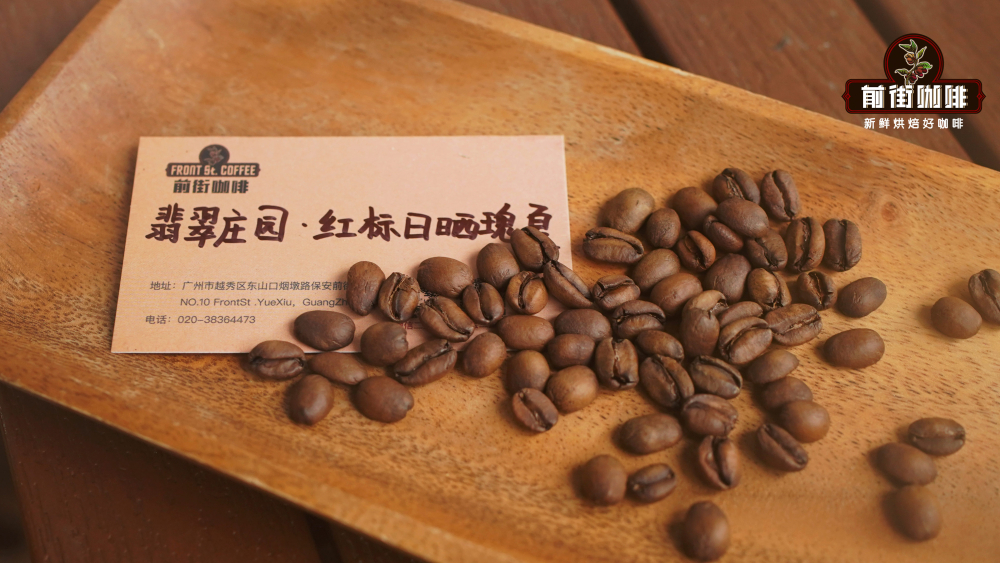
Front Street currently has a total of 5 espresso blend coffee beans in different styles. In order for every customer to taste the most complete coffee flavor, all coffee beans sold by Front Street are shipped within 5 days after roasting is completed.
"Front Street Specialty Blend Coffee Beans" are suitable for homes, offices, and specialty community coffee shops. Made from a combination of washed Colombian coffee beans and semi-washed Brazilian coffee beans, they present flavors of nuts, dark chocolate, and caramel while bringing a pleasant bittersweet sensation. Paired with milk to make a latte, it is smooth on the palate, the latte art shape is stable, and the roasted aroma is rich. When making a Dirty, it not only shows a beautiful layered effect, but also leaves dark brown "tiger stripes" on the coffee surface.
"Front Street Commercial Blend Coffee Beans" are suitable for all types of coffee shops. They use washed Colombian coffee beans, semi-washed Brazilian coffee beans, and a small amount of Robusta coffee beans, showing flavors of nuts, cocoa, and caramel. Compared with other espresso coffees, Front Street Commercial Blend uses the classic combination of Brazil and Colombia, and then adds a small amount of Robusta, adding more possibilities to the original flavor layers. The coffee shows complex nutty aromas such as toasted bread, almonds, and walnuts, with good crema fluidity and a low-acid, mellow taste. Combined with its price advantage, it is a highly cost-effective choice for opening a shop.
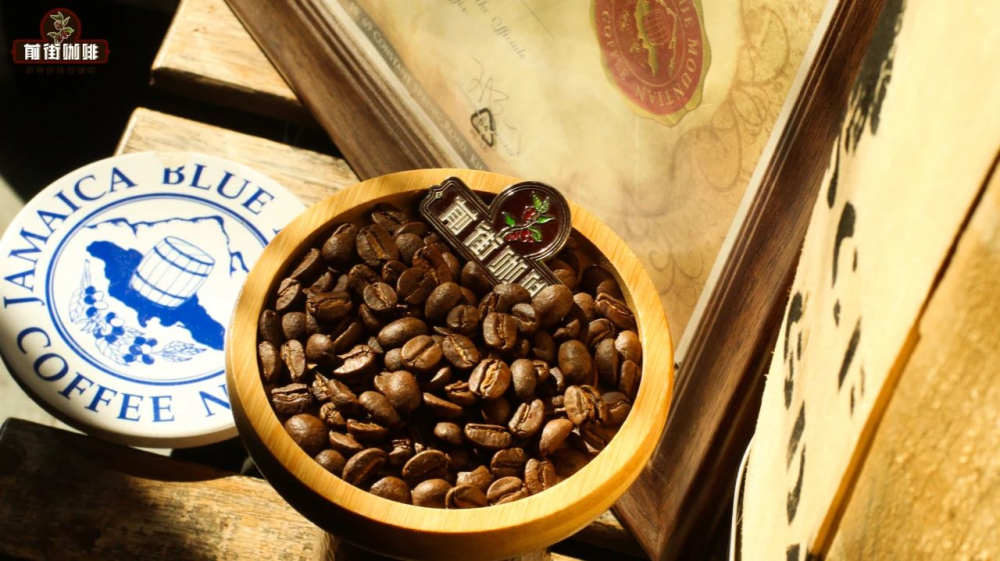
"Front Street Dark Cocoa Blend Coffee Beans, Recommended by Many Baristas" are suitable for all types of coffee shops, bakeries, beverage shops, and home coffee machines. Made from a combination of washed Yunnan small-bean coffee beans and semi-washed Brazilian coffee beans, they blend nutty notes with ripe plum acidity, and after being ground into powder they give off the aroma of creamy chocolate and cocoa cookies. The taste is balanced, and the crema has a golden glossy surface, making it very suitable for opening a shop or for home use.
"Best-Selling Espresso Coffee Bean Recommendation - Front Street Classic Blend Coffee Beans" are suitable for beginners, for learning latte art, and for specialty coffee shops pursuing a high-end positioning. Friends who want to practice latte art at home can choose Front Street Classic Blend. This is a medium-dark roast espresso recipe composed of three origins, and its design inspiration comes from the early popular "Mamba," namely Mandheling plus Brazil. In order to increase aroma and crema, Front Street Classic Blend also adds a small amount of Robusta, thereby enhancing flavor intensity and allowing beginners to easily make espresso with golden crema at home.
The above content is compiled by CoffeeHunters, a coffee news website.


