







The Origins ofMandheling Coffee
We can see that many recognizable single-origin coffee names are generally taken from the coffee bean's producing region, place name, variety, or the name of the green bean processor. However, the naming of "Mandheling" is rather special, and it all starts with a story of misunderstanding.
During World War II in the last century, the Japanese army invaded Sumatra in Indonesia, and many Japanese soldiers could be seen locally. One day, a Japanese soldier went to a local eatery to drink coffee and found it mellow and aromatic. He asked the shopkeeper for the name of the coffee, but the shopkeeper mistakenly thought he was asking where he came from, so he answered "Mandailing people." After the war, that Japanese soldier recalled that the coffee he had drunk in Indonesia was called "Mandheling," and he asked someone to ship a batch of coffee beans from Sumatra to Japan, where they unexpectedly became very popular.Mandheling CoffeeThis name was spread from then on.
What Are the Characteristics of Mandheling Coffee?
I believe friends who have come to the Front Street store to drinkMandheling coffeeall know that Mandheling coffee is roasted darker and has unique spice and herbal notes, with a strong and bitter taste. Some customers find it hard to accept, while others love it dearly. Below, Front Street will discuss what createsMandheling coffee'ssuch distinctive characteristics.
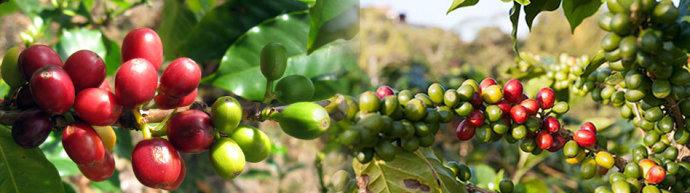
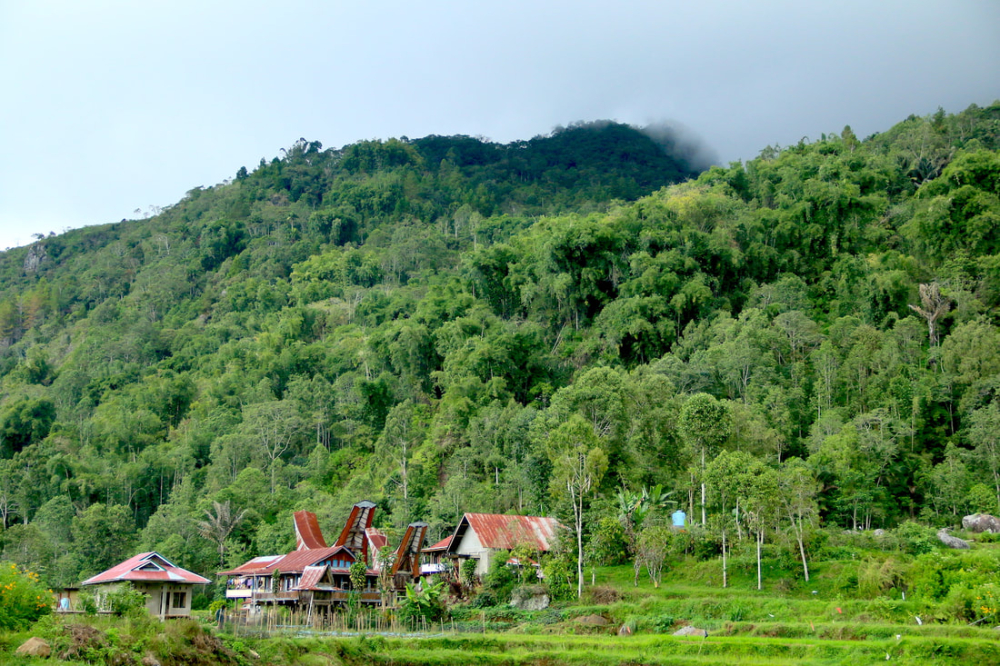
What we call Mandheling coffee refers to Arabica coffee beans produced in the mountainous area around Lake Toba on Sumatra Island. Sumatra is the largest island in Indonesia and has a tropical rainforest climate, hot and humid all year round, with coffee trees generally planted in the forests and mountains. Among them, the coffee produced in the Gayo Mountains of the Aceh producing region can be said to be the highest quality in the entire Sumatra region, and most are ancient tree varieties. Front Street'sPWN Golden Mandheling coffee beansare selected from the Gayo Mountains of Aceh.
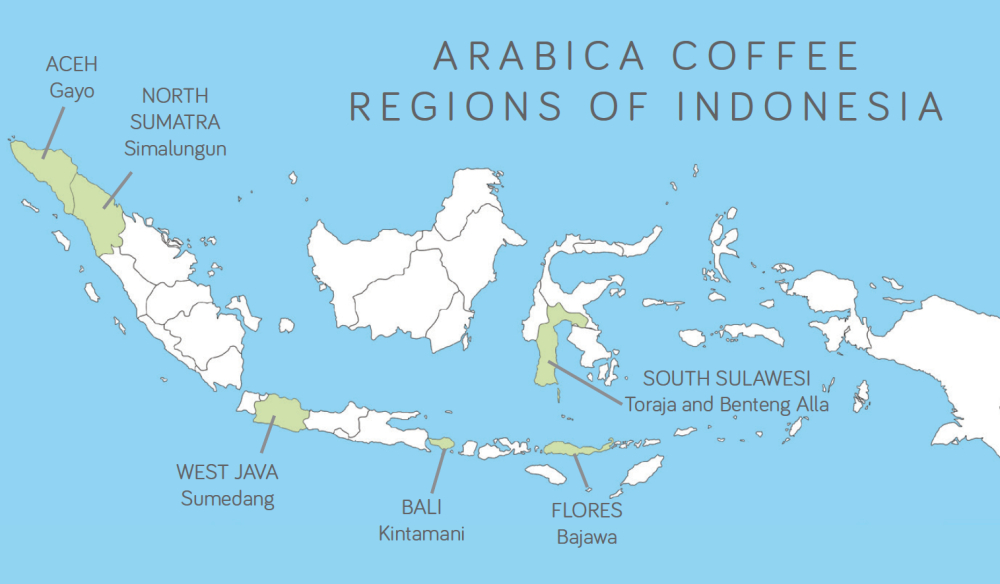
Sumatra has fertile volcanic soil, which many well-known coffee producing regions also have. The soil contains a large amount of minerals, which helps coffee cherries generate more nutrients and aroma. Local farmers plant coffee trees at medium altitudes, generally between 600-1200m. The low-altitude planting environment, combined with the tropical rainforest climate characteristics, means coffee cherries need less time to mature and it is difficult to form rich acidity. Therefore, the coffee flavor here is more of an herbal and spice character.
In northern Sumatra, near Lake Toba, there is a mountainous area called the Lintong region. The Mandheling coffee beans produced here are larger in size and harder in texture. Because there are many defects, roasters need to undergo strict selection during processing. Since Lintong Mandheling green beans are not selected, uneven sizes are often seen, and the taste is relatively intense.
PWN Golden Mandheling Coffee Beans
Indonesia grades green beans according to the number of defects and bean size. The highest grade is G1, which means fewer than 3 defective beans in a 300g sample, and the green bean size is above 18 mesh.
From the Mandheling story mentioned above, it is clear that Japanese people have a special fondness for Mandheling coffee and hope to drink high-quality batches. When cooperating with Indonesian green bean merchants, they established a strict screening system. The processed green coffee beans need to go through density and color sorting and four rounds of manual selection to ensure the color, shape, and size of Mandheling coffee beans are uniform. This kind of Mandheling tastes cleaner and more transparent, and the body and sweetness are also more pronounced.
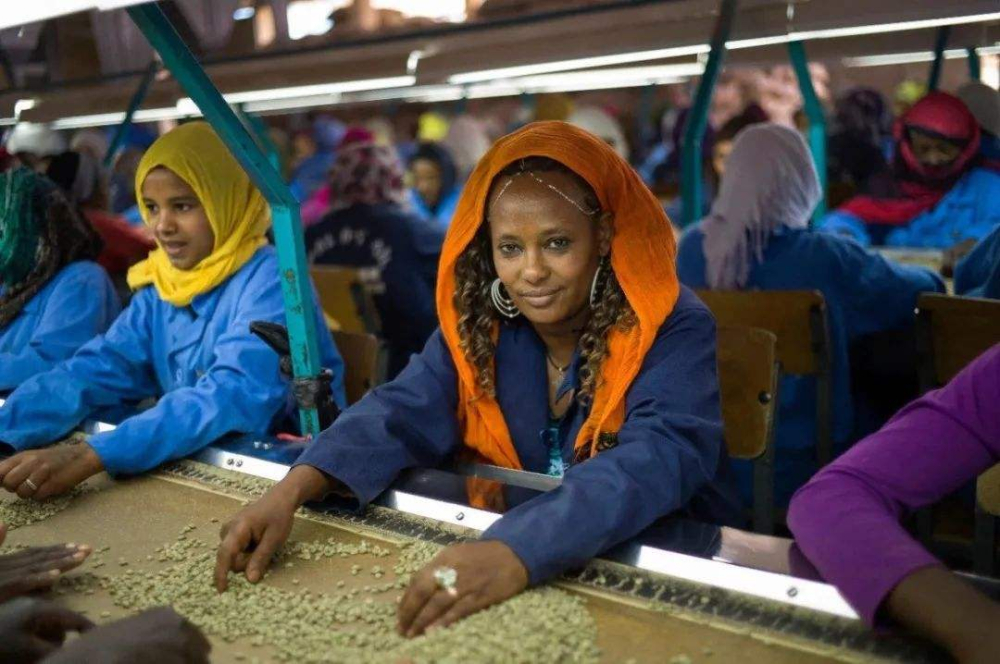
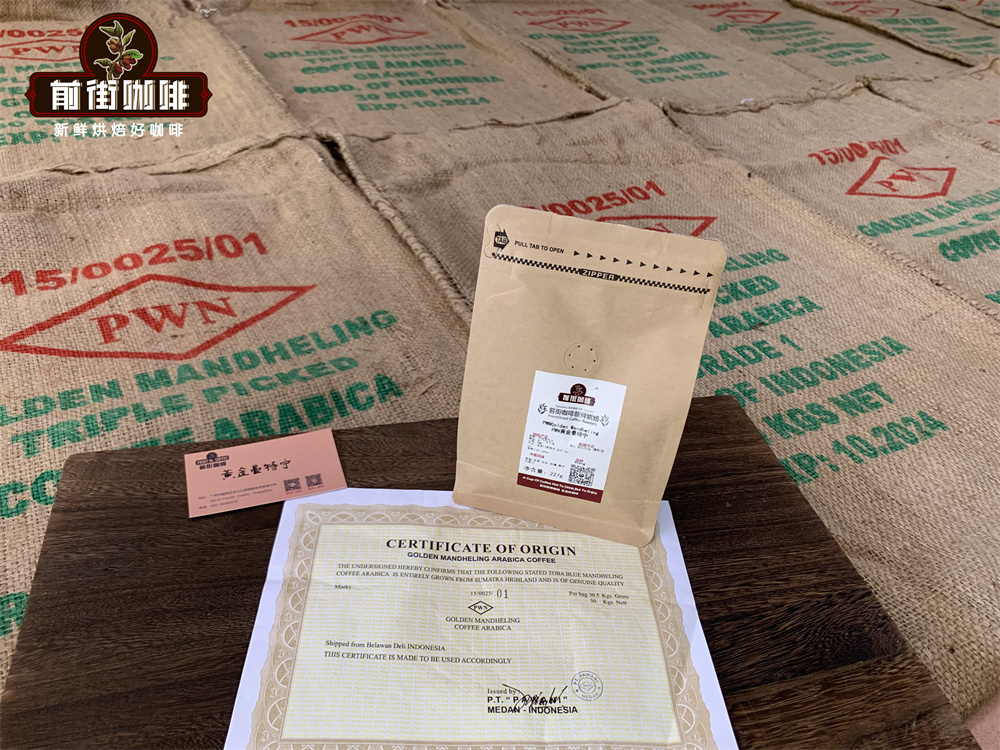
Indonesia's PWN company saw this business opportunity early and was the first to register the "Golden Mandheling" trademark. In other words, only the Golden Mandheling produced by PWN is truly "Golden Mandheling." PWN also attaches great importance to the quality of Mandheling coffee and has contracted almost all of the fine local Mandheling coffee batches in Sumatra. The Mandheling coffee it purchases is based on Indonesia's highest green bean grade,G1, and thenundergoes strict manual selection. In the end, the specialty Golden Mandheling produced is not much. It is easy for counterfeit "Golden Mandheling" coffee to appear on the market. The Golden Mandheling green beans Front Street obtains come withthe certification certificate provided by PWN company, and the PWN Golden Mandheling green bean jute bags have a clear PWN company logo.
What Variety Is Mandheling Coffee?
Because of the localized naming used by Indonesians, the coffee varieties we often see for Mandheling seem unfamiliar, but in fact they have just been given different names.
Tim Tim
During the leaf rust crisis of 1877, Indonesia's coffee industry was also severely hit. The Indonesian government began introducing various disease-resistant varieties from various places, including Robusta, Tim, Catimor, and the Indian variety Jember.
The natural hybrid of the Arabica variety Typica and Robusta on Timor Island is actually Timor. It inherited Robusta's high yield and disease resistance and began to be widely planted in the 1950s. After being introduced to Indonesia, it was called Timor Timur, also known as Tim Tim.

AtengSeries
In addition to Tim Tim, there is another common local variety in Sumatra called Ateng, which is what we often call Catimor. It was discovered in Aceh Tengah in central Aceh and named after the place. Ateng is a hybrid descendant of the Arabica Bourbon variant Caturra and Tim, with several subtypes. It carries 1/4 Robusta blood and has extremely high disease resistance, and is widely planted in Sumatra and other small Indonesian islands. Front Street's Golden Mandheling coffee is the Ateng variety.
Wet-Hulled Mandheling Coffee
When it comes to Mandheling's low acidity and mellow taste, one cannot ignore the region's most distinctive wet-hulling method.
Sumatra's weather is changeable, with frequent typhoons. It does not have the conditions for sun-drying like African countries, and local growers did not plan to invest too much cost in green coffee processing, so washed processing is also difficult to maintain. Wanting high efficiency and low cost, locals invented the wet-hulling method according to local conditions.
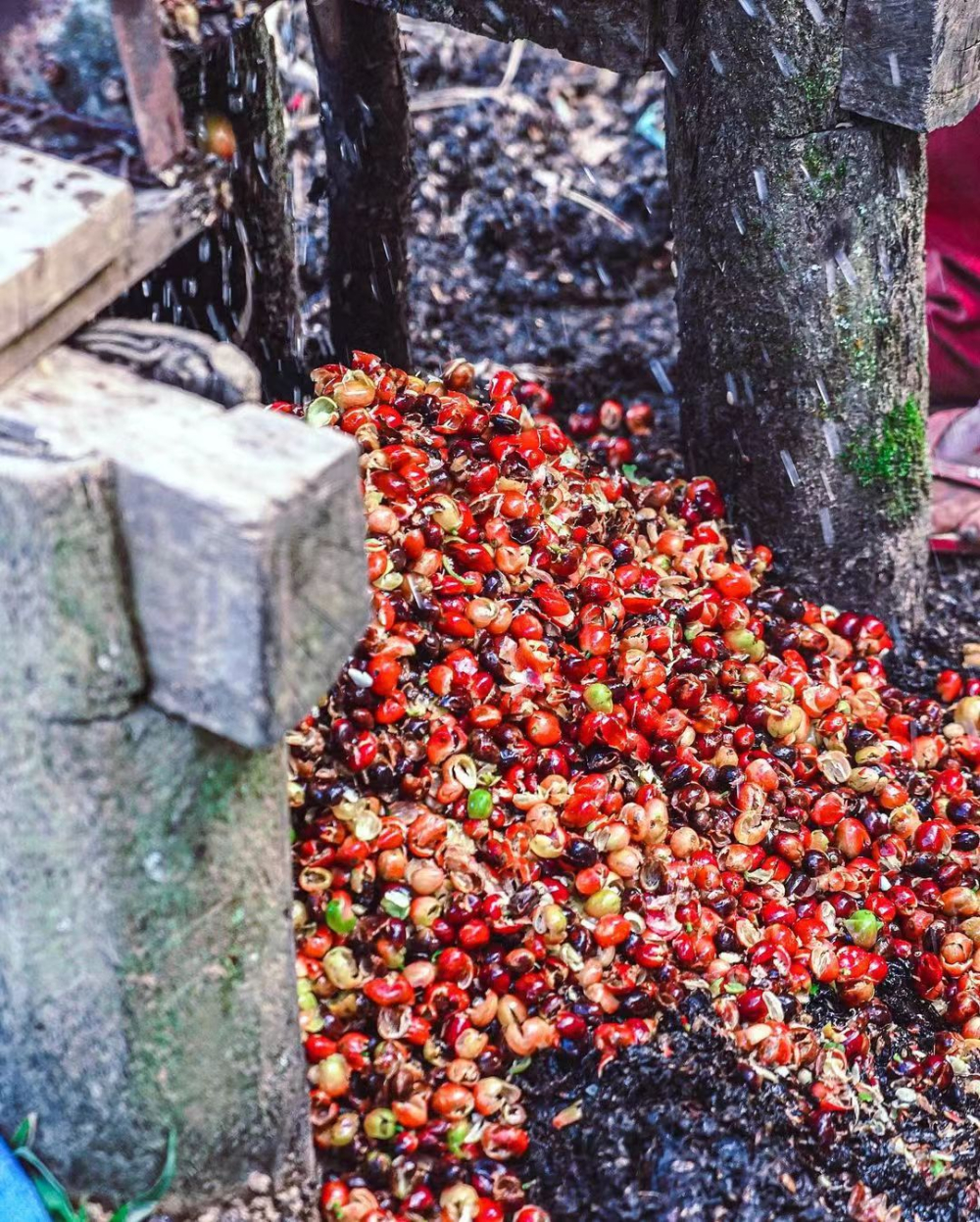
The harvested coffee cherries are peeled and pulped by machine, then put into a pool to ferment for three hours. The parchment-covered green beans are dried in the sun for 2-3 days until the moisture content reaches 20-24%, and then the parchment is removed. At this time, the coffee beans are still relatively soft and are pressed into slightly deformed shapes, so we see that Mandheling green beans have a goat-hoof shape. Finally, they are dried indoors at constant temperature and humidity, and once the moisture content is only 12-13%, they can be bagged and sent to the warehouse.
Wet-hulling takes much less drying time than sun-drying and washing methods, and the cost invested is also lower than washed processing. Wet-hullingin the coffee bean processing has a very short fermentation process and a relatively long drying time, so it has a low-acidity taste.
How to Drink Mandheling Coffee
Currently, Front Street's two best-selling Mandheling coffees are one Lintong Mandheling everyday drinking beans and one specialty PWN Golden Mandheling coffee beans.
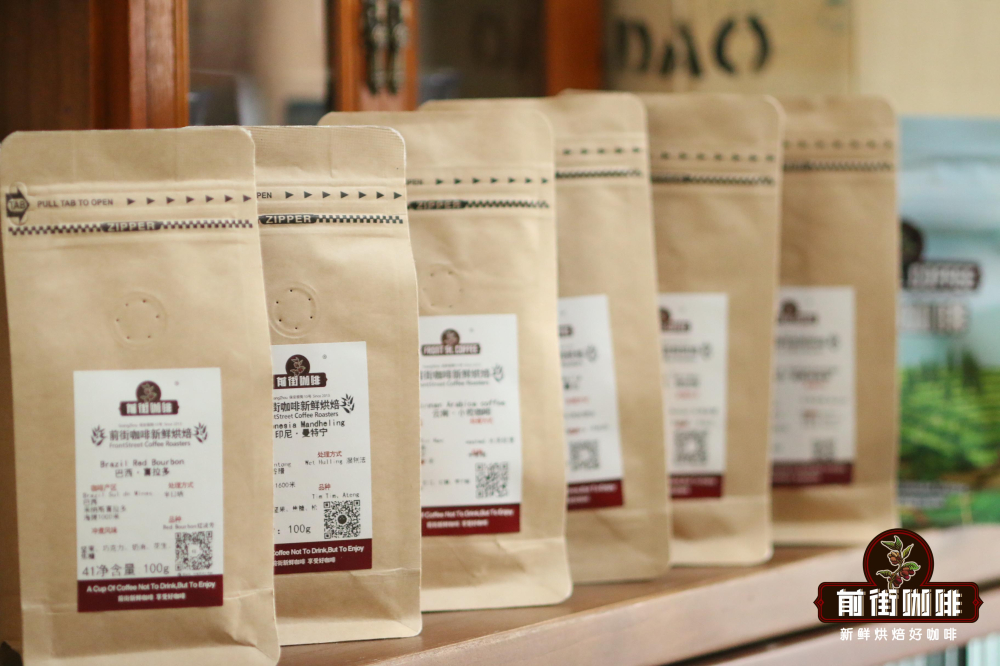
If you are a coffee beginner and want to understand various classic coffee producing regions from the basics, Front Street believes you can start with our everyday drinking bean series. Front Street has selected the coffee from major producing regions that best represents the original flavor and listed them in 100g small packages. Front Street hopes coffee lovers can taste the basic flavor of each coffee producing region at a high cost-performance ratio. One of the 7 everyday drinking beans, Lintong Mandheling coffee beans, is the face of Indonesian coffee. Its unique wet-hulling method brings a mellow, intense spice flavor.
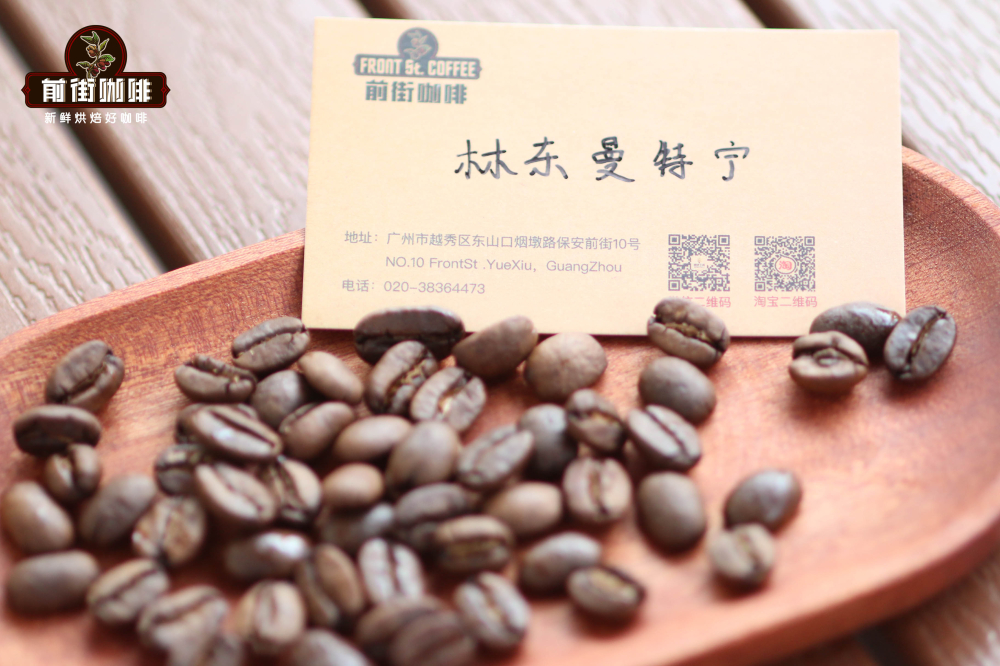
FrontStreet Coffee: Indonesia Lintong Mandheling Coffee Beans
Producing Region: Sumatra, Indonesia
Grade: G1
Altitude: 1100m——1600m
Variety: Ateng TimTim
Processing Method: Wet-hulled
Flavor: Nuts, spices, chocolate, caramel
And if you pursue Mandheling's purer herbal spice flavor and hope to drink a clean and rich Mandheling taste, Front Street believes PWN Golden Mandheling is the most suitable.
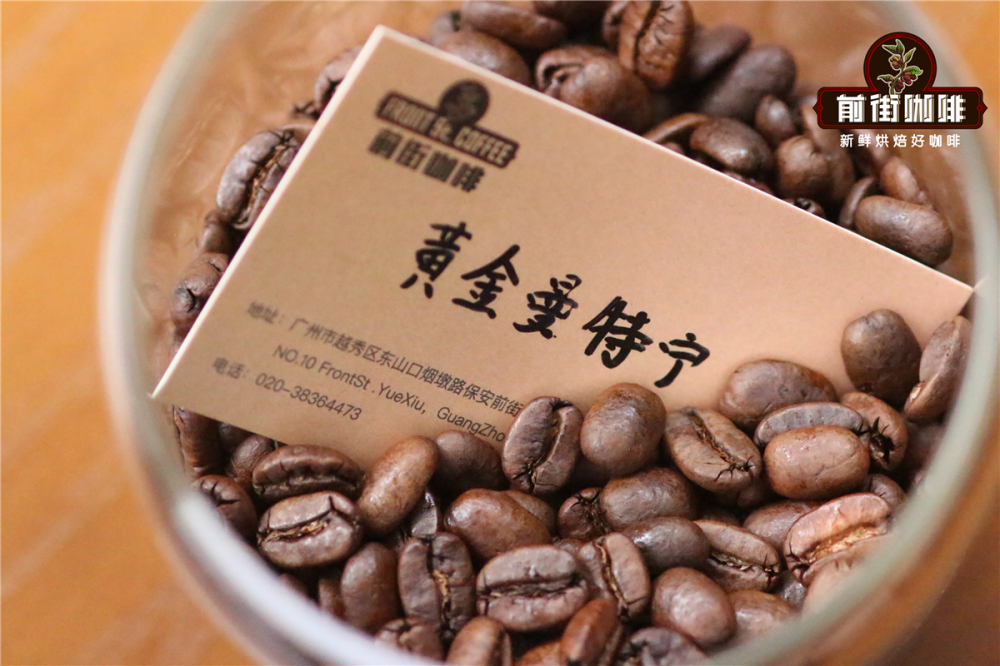
FrontStreet Coffee: PWN Golden Mandheling Coffee Beans
Producing Region: Sumatra, Indonesia
Grade: G1, triple hand-sorted
Altitude: 1100m——1600m
Variety: Ateng
Processing Method: Wet-hulled
Flavor: Nuts, spices, herbs, caramel
Mandheling coffee's flavor has a nutty, chocolate, and spice profile. Front Street's roaster chose a dark roast to present this coffee's deep taste, and in terms of extraction, FrontStreet Coffee's baristas have multiple ways to brew it. Among them, the moka pot isrich, solid, mellow, and convenient, and is deeply favored by many home coffee lovers. Below, Front Street will use the store's regularly stockedPWN Golden Mandheling coffee beans to demonstrate how to make a delicious moka pot coffee..
FrontStreet Coffee Moka Pot Usage Suggestions:
1. First, grind 20g of coffee beans into powder.

2. Separate the upper and lower chambers of the moka pot, pour water into the lower chamber, and make sure the water level does not exceed the lower chamber's pressure release valve.
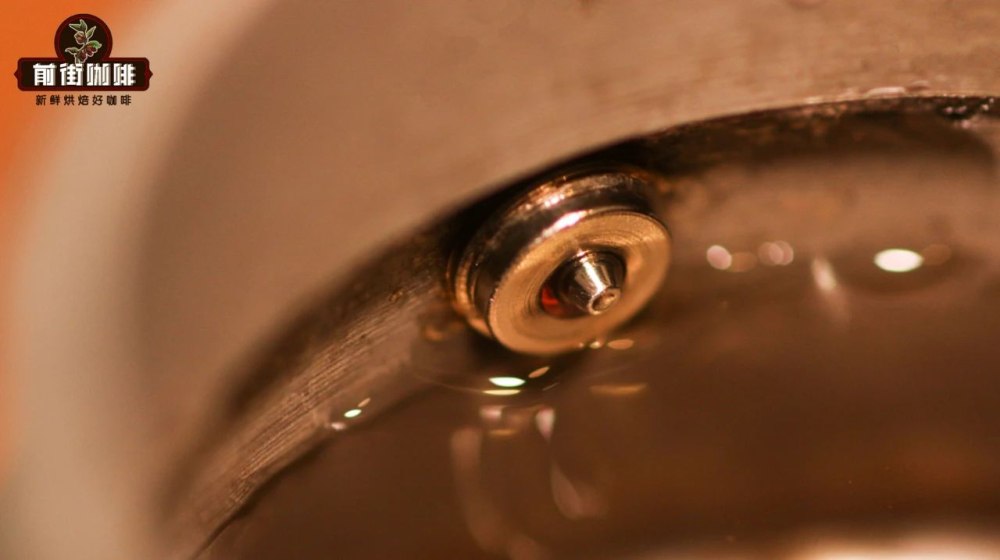
3. Put coffee grounds into the metal filter basket, and use a measuring spoon to lightly tap and compact the coffee grounds a little (gently, do not press hard).
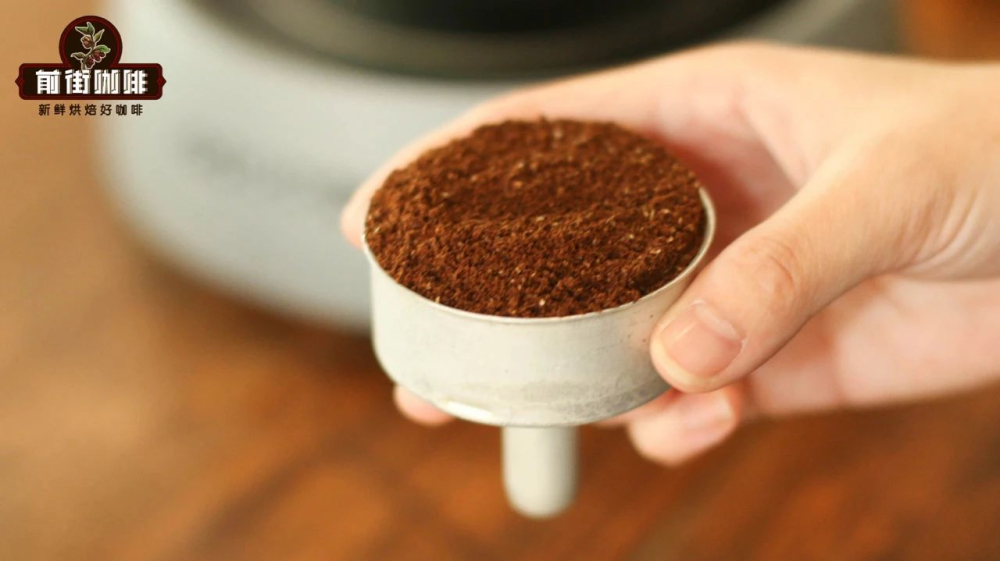
4. Attach the filter basket to the lower chamber, then screw the upper chamber on tightly. (Be sure to tighten it and confirm that the upper and lower chambers are securely connected.)
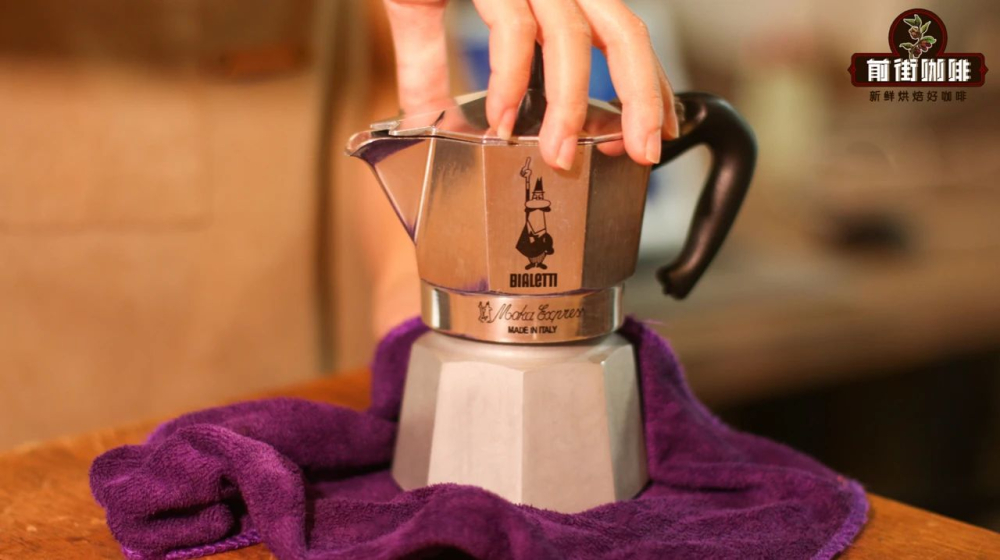
5. With the lid open, heat over direct fire, controlling the flame so it does not extend beyond the bottom of the pot. (Because it may boil over, before you have mastered the technique, it is recommended to do this with the lid open. If the gaps in the gas stove grate are too large and the moka pot cannot sit stably on top, please add a mesh and then heat over direct fire.)
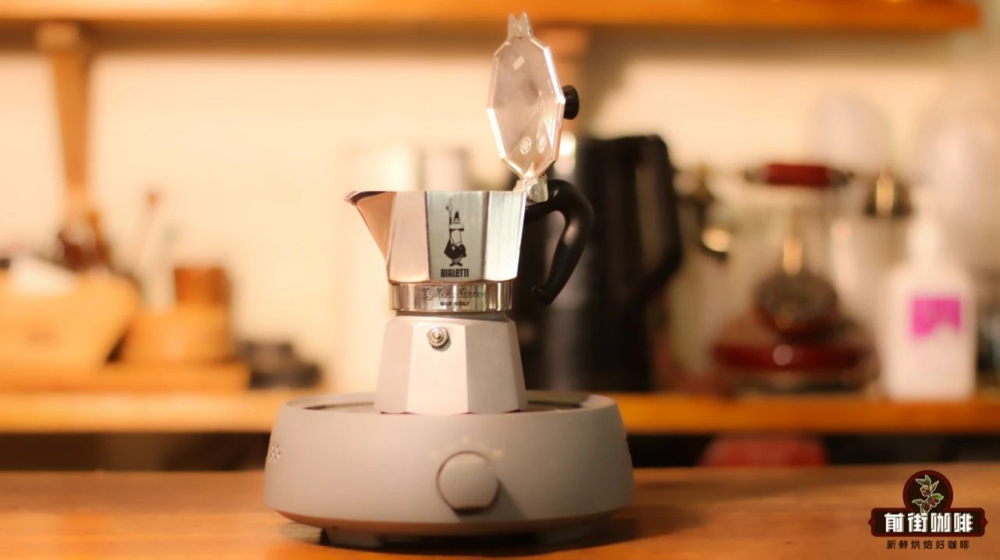
6. Once the hot water boils and coffee extraction begins, turn off the heat. After extraction is complete, to avoid over-steeping, pour the coffee into a cup as soon as possible.
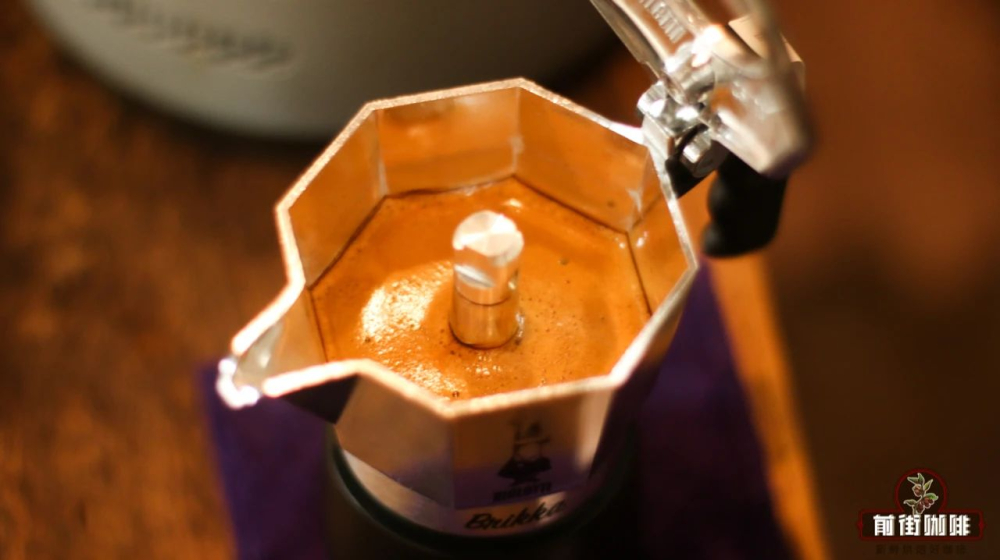
7. Finally, you can blend a delicious cup of moka pot coffee. If you usually like a refreshing taste, you can add 150ml of warm water and stir before drinking; if you like the sweetness of milk, Front Street suggests adding 150ml of fresh milk and enjoying it together. The taste is very mellow.
The above content is compiled by CoffeeHunters, a coffee news website.


