







What Is the Huakui Coffee Bean and How Is It Processed?
Huakui is a specialty Ethiopian coffee from the Hambela sub-region of the Guji zone in Sidamo. The name is a market label rather than a variety, and the numbers that follow it, from 4.0 through 8.0, mark successive lots or selections rather than different species. Guji lots have performed well in competitions, which helped the name spread.
Guji was separated from Sidamo by the Ethiopia Commodity Exchange around 2010, and the area now produces many high-scoring coffees. A lightly roasted Huakui works well as a pour-over, where floral and stone-fruit notes come through, and it can also be pulled as espresso with adjusted grind and dose. Processing method and roast level shape the final cup.
Huakui coffee beans are a specialty Ethiopian bean that has attracted much attention in recent years. From winning the TOH competition to appearing on Luckin's menu, what story lies behind its name? What do the numbers after Huakui represent? From the perspective of Front Street Coffee, this article sorts out Huakui's producing region background and naming logic, compares the flavor differences among Huakui 4.0, 5.0, 6.0, 7.0, 8.0 versions, and answers whether Huakui can be used to make espresso and how to brew it as pour-over to achieve good flavor, providing coffee lovers with a complete guide to Huakui knowledge.
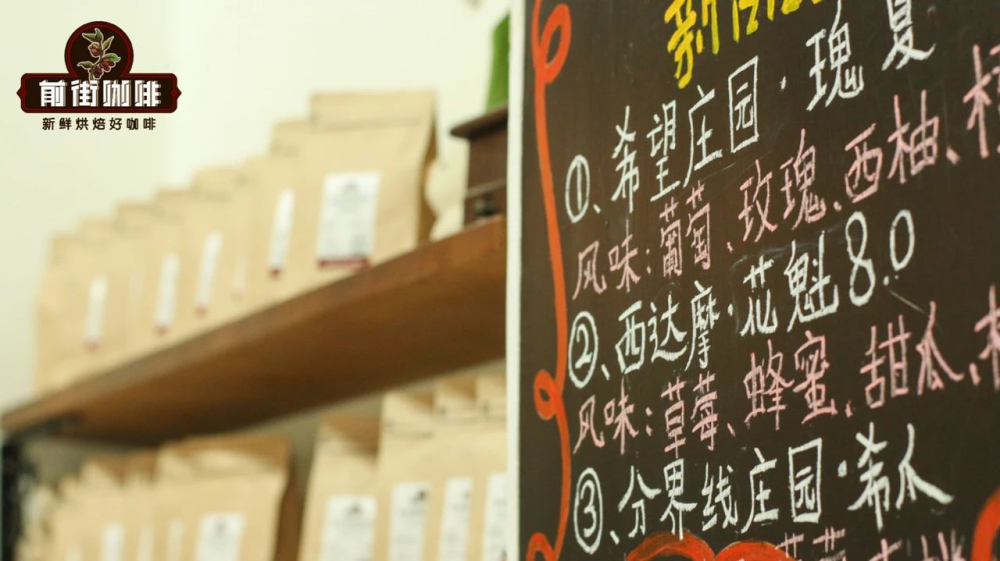
Walking into a cafe, some especially beautifully named coffees often appear on the menu, and the blackboard in Front Street Coffee covered with nearly fifty single-origin beans is no exception. Names such as "Bird of Paradise," "Geisha," and "Huaguoshan" are full of imagery just by being spoken aloud. Among them, one bean has even appeared on Luckin's menu, and that is "Huakui coffee beans." The name "Huakui" sounds quite imposing. Where does it actually come from, and why is it called Huakui? Now let Front Street talk about this bean.
Huakui coffee beans are produced in the Hambela sub-region of the Guji zone in Sidamo, Ethiopia. Friends who are new to specialty coffee have mostly heard of the two producing regions Yirgacheffe and Sidamo. Sidamo can be said to be a place rich in treasures. Yirgacheffe originally belonged to Sidamo, and only later was it separated into an independent producing region because its clean mouthfeel and elegant floral aroma differed from Sidamo's main profile.
In recent years, the Guji zone under Sidamo has also frequently appeared in the top ten lists of national and continental competitions, and more and more champion beans come from Guji. The 2020 TOH Ethiopia washed group champion also came from the Guji zone, and the familiar Huakui coffee beans also come from here. The Ethiopian government is also working to build more specialty coffee producing regions with unique terroir like Yirgacheffe. Since 2010, the Ethiopia Commodity Exchange (ECX) has separated Guji from Sidamo, and the Guji producing region has also become one of the key projects of the Ethiopian authorities.
The origin of the name Huakui coffee beans
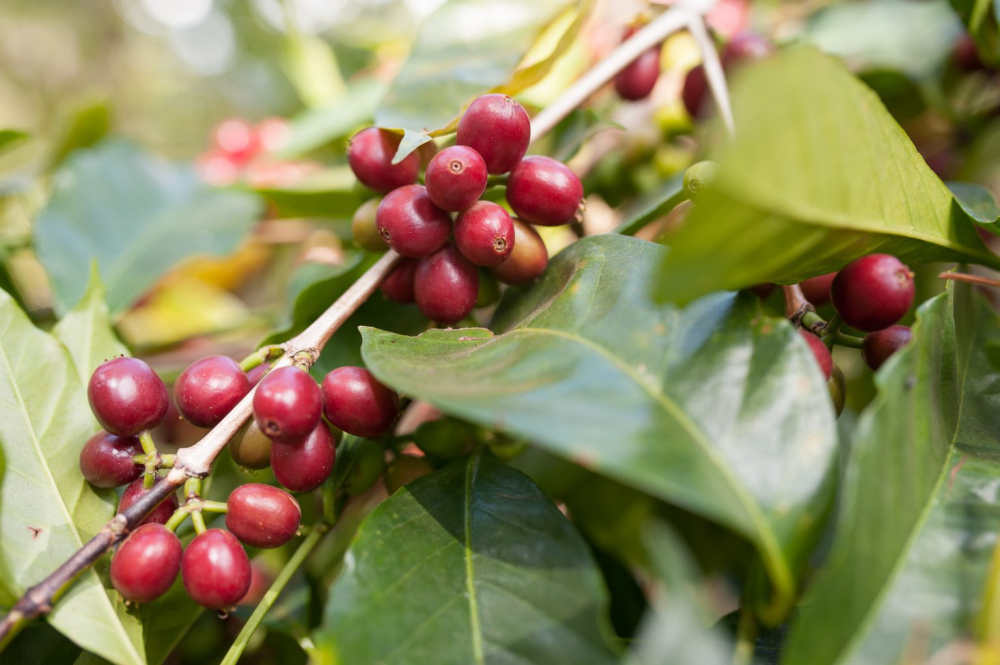
Under the Guji producing region there are also many famous sub-regions, such as Uraga and Shakiso, all of which rank among the top in either COE or TOH competitions, and their strength should not be underestimated. Huakui coffee beans come from the Hambela sub-region and are a natural-process bean. In 2017, the Ethiopian green bean company DW sent naturally processed coffee beans processed at the Buku Abel processing station in the Hambela sub-region to that year's TOH competition. With a rich strawberry-cream flavor, they won the favor of many international judges and took first place in the natural group of that year's TOH Ethiopia competition.
In the year this bean won the championship, Beijing green bean merchant Hongshun introduced the same lot of TOH natural champion beans to the mainland China market. People familiar with coffee bean naming methods know that early coffee beans were mostly named by "processing method + origin/processing station." This bean's strawberry-cream flavor was so unique and intense that it also captivated the green bean merchant, who hoped that with only slight improvements in green bean post-processing techniques, it could surpass Geisha and become the next "king of coffee." Therefore, great expectations were placed on it, and it was named "Huakui," meaning chief of all flowers.
In the same year, in the China regional competition of the World Brewers Cup, many competitors preferred to use the Geisha variety, but competitor Li Jianfei achieved second place with Huakui coffee beans. Precisely because Li Jianfei used Huakui to defeat many competitors using Geisha, Huakui coffee's fame rose greatly.
The naming method of Huakui coffee
Friends who have followed Huakui coffee should have seen numbers following the name, so what is the difference between Huakui 4.0 and Huakui 5.0? First, in terms of flavor, coffee is like red wine: even if produced in the same place, the flavor varies slightly due to factors such as the climate of each year. In terms of naming, Huakui coffee is named in the form "Huakui X.0." As the years accumulate, X also increases by 1. 2019 was Huakui 3.0, 2020 was Huakui 4.0, 2021 was Huakui 5.0... 2023 was Huakui 7.0, and last year's was Huakui 8.0.
Front Street, like many seasoned coffee lovers, very much looks forward to witnessing the splendor of Huakui 6.0. You know, haste makes waste. Even though Ethiopia's coffee harvest season is already near its end, after the coffee cherries are picked they still need nearly a month of processing, and then several months of traveling across the ocean before reaching the ports of consuming countries. Huakui 6.0 is expected to arrive at port in April, and Front Street has pre-ordered the lot at the first opportunity. Friends can keep an eye on Front Street's news, and Front Street will certainly live up to expectations and bring Huakui 6.0 to everyone on time.
The differences among Huakui coffee beans
Front Street mentioned above that coffee, as a crop, is affected by factors such as that year's climate, which influence the direction of its flavor, and coffee beans from each harvest season have subtle differences.
Front Street Coffee found in the beans from the 2018 and 2019 harvests that the flavor was very close to the original Huakui, but the body and aftertaste were not as good as the original 2017 Huakui. Unexpectedly, however, we can sometimes still identify green beans exactly the same as the original Huakui lot from these two lots. In the 2017 Huakui coffee beans there were some particularly small-sized varieties, which were the main source of Huakui's aroma, so we also call the old Huakui variety small-bean Huakui. Later, DW's Buku Abel processing station also processed these small beans separately and launched the brand "Small-Bean Huakui."
Compared with Huakui 4.0 from 2020, the Huakui 5.0 coffee beans from the 2021 harvest season have larger beans and a more uniform screen size. Front Street Coffee's baristas brewed last year's and the new harvest season's Huakui coffee beans at the same time. We found that both have a base tone reminiscent of strawberry berry-type flavors, cream, and the fermented sweetness of ripe fruit, but the 2020 Huakui 4.0 has a heavier berry taste and a more solid body, while Huakui 5.0 tends toward clearer flavors, higher cleanliness, higher soft citrus acidity, along with slight tropical fruit flavors reminiscent of mango, honey, and a medium oolong tea-like bittersweet finish.
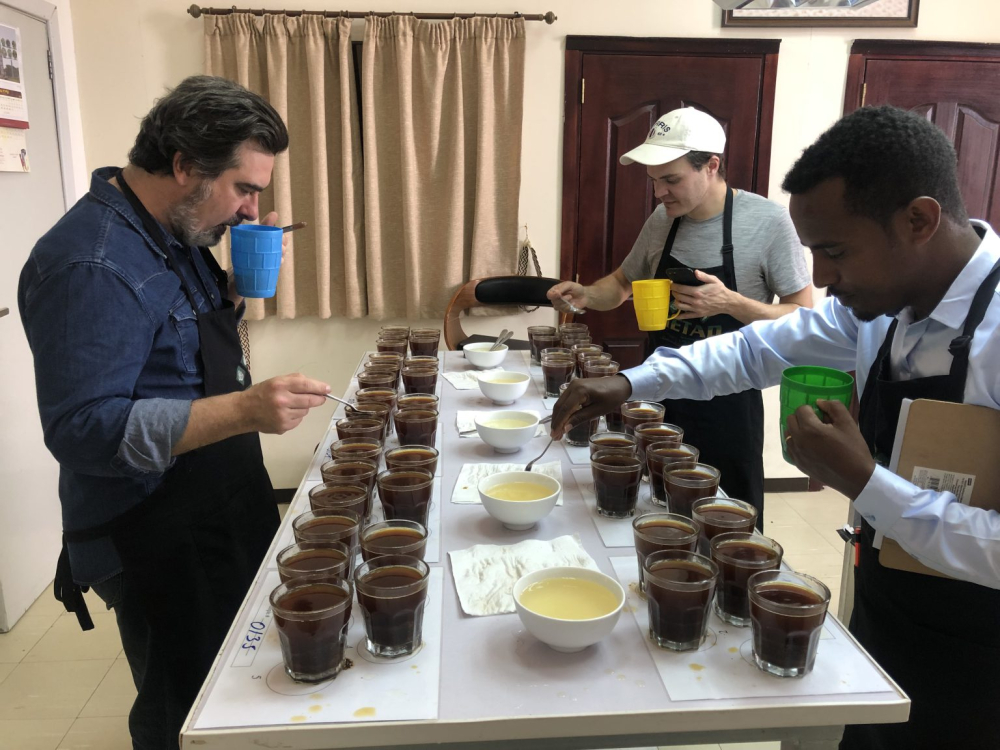
Now, Huakui 6.0 has not yet arrived at port, and on Front Street's blackboard of nearly fifty single-origin coffees, the single-origin beans labeled as Huakui are actually two types: Small-Bean Huakui and Huakui 5.0. After cupping and comparing the two Huakui coffee beans, Front Street found that Small-Bean Huakui leans more toward the berry-cream flavor of the 2017 TOH natural champion; Huakui 5.0 leans more toward the citrus, berry tone, and tea-like flavor of the Guji producing region; Huakui 7.0 shows citrus and berry aromas, and after sipping reveals citrus-like acidity, as well as passion fruit and black tea notes; while the latest Huakui 8.0 has more tropical fruit charm, not only with a clear juicy quality, but also a very round mouthfeel.
Can Huakui coffee beans be used to make espresso?
Luckin Coffee put "Huakui" on its menu, was criticized by someone named Li for wasting it, and also successfully brought the specialty coffee bean "Huakui" into the spotlight. This also raises a question everyone is curious about: can single-origin coffee beans like Huakui coffee beans be used to make espresso? They really can. This use of single-origin coffee beans to make espresso is generally called SOE, short for Single Origin Espresso, also known as single-origin espresso.
The principle of making espresso is to use about 9 bar of pressure to push nearly boiling hot water through a flour-like puck of coffee grounds, thereby extracting a rich, viscous coffee liquid. This extraction principle amplifies the flavors in coffee beans. Some well-known Ethiopian citrus notes, Kenyan cherry tomato notes, and Indonesian Mandheling herbal notes, if the extraction parameters are not adjusted well, will become sharply sour or bitter tastes that make people frown because of this extraction method. Coffee beans usually used for pour-over coffee are more prone to this because their roast level is not as dark as espresso blend beans. Cafes generally use two or more coffee beans blended together as the formula beans for espresso, thereby making the overall cup more balanced and easier for people to accept.
So, can Huakui coffee beans be used to make espresso? The answer is yes. Front Street's roaster launched two different roast profiles last year: one is a light-medium roast for cold brew and pour-over, and the other is a medium roast suitable for espresso machines and moka pots. For example, if someone likes something simple and convenient and chooses cold brew, or pursues a sense of ritual and extracts by pour-over, then they can choose the light-medium roast; if you prefer golden crema, or hope to pour delicate latte art on a latte, Front Street recommends the SOE roast profile.
How to brew Huakui coffee beans so they taste good
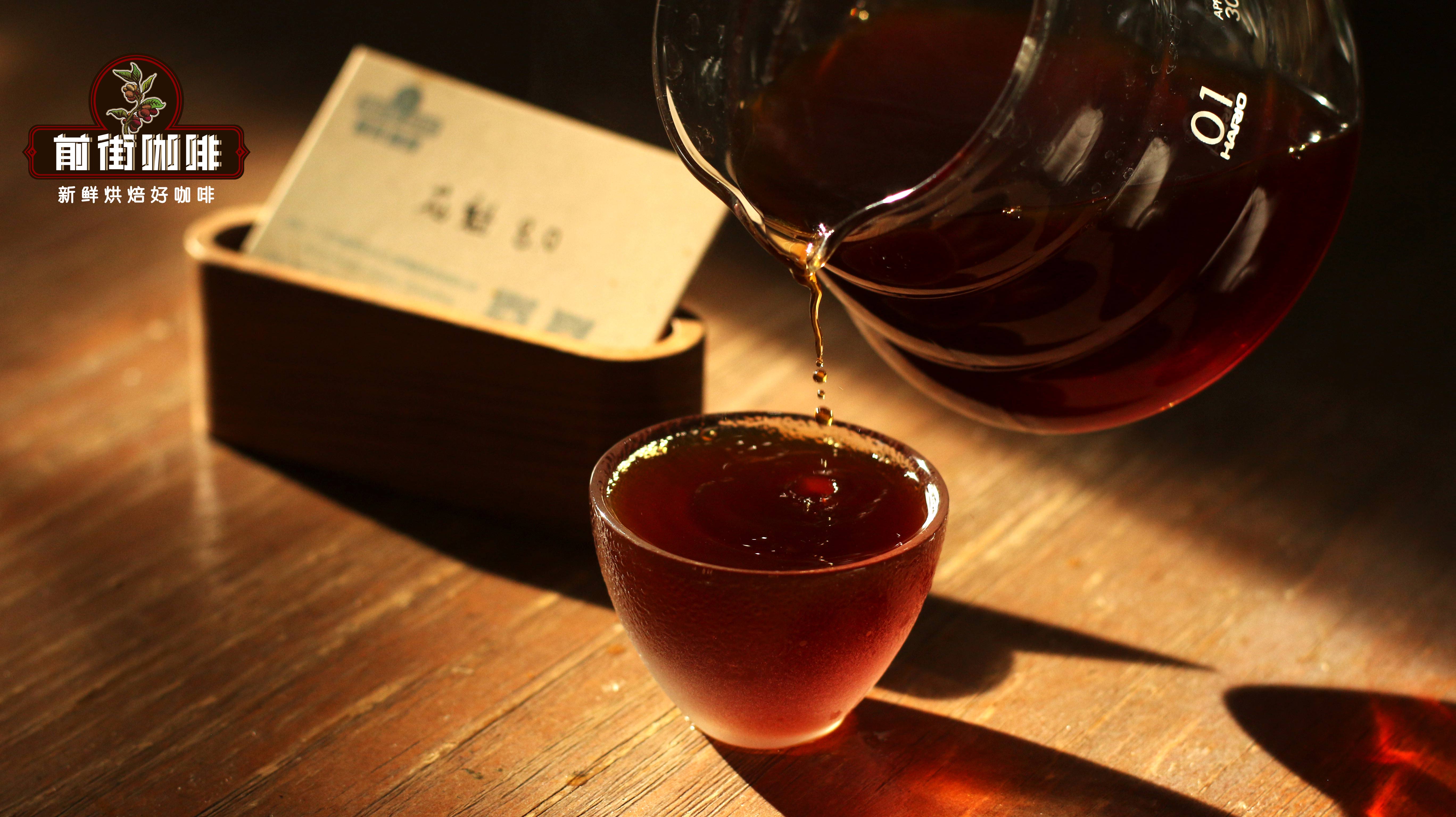
Since you want to taste the most original flavor of Huakui coffee, pour-over coffee is a good choice. Front Street's Huakui coffee is relatively lightly roasted, so a finer grind and higher water temperature are used during brewing. Friends may ask: how do you determine the grind size? When determining the grind size, Front Street uses the Chinese standard No. 20 sieve for sieving. According to roast level, it is divided into: dark roast with a passing rate of 70%; medium roast with a passing rate of 75%; light roast with a passing rate of 80%.
Some friends do not have equipment at home for grinding coffee beans, so when buying coffee beans they also note that they want them ground. Front Street of course also provides this service. It should be noted that after coffee beans are ground into powder, the degassing activity becomes more intense, and flavor compounds dissipate more quickly, so Front Street recommends buying whole beans and grinding fresh right before brewing for better flavor.
Dripper: Hario V60
Water temperature: 91 degrees Celsius
Coffee dose: 15 grams
Coffee-to-water ratio: 1:15
Grind size: 80% passing rate with the Chinese standard No. 20 sieve
First pour 30 grams of hot water to bloom for 30 seconds, then pour from the center point in a thin stream and slowly circle to 125 grams for the first stage, then pour to 225 grams in the third stage. The total extraction time is about 2 minutes.
The 30-second bloom is to allow carbon dioxide gas in the coffee grounds to escape, thereby allowing the later brewing stages to extract flavor more stably. After friends place an order, Front Street will send coffee beans roasted within 5 days to them. When they arrive, they will have just passed the 4-to-7-day resting period. This is brewing and blooming. As the bloom proceeds, friends can see the domed bloom "hamburger," which is also a sign that the coffee beans were freshly roasted.
For professional coffee knowledge exchange and more coffee bean information, please follow Coffee Workshop (WeChat public account cafe_style)
For more specialty coffee beans, please add the private WeChat of Front Street Coffee, WeChat ID: kaixinguoguo0925
The above content is compiled by CoffeeHunters, a coffee news website.


