







Search Results for: Single Estate
Ethiopia Hambela Estate Single-Layer Sun-Dried Slow Fermentation Method: How the SLD Process Creates High-Quality Natural Beans
Ethiopia, as the birthplace of coffee, has seen a continuous emergence of high-quality lots in emerging producing regions such as Guji in recent years. This article focuses on the single-layer sun-dried slow-drying Lot 121 produced by a single farm in St. Lion Village of Front Street Hambela Estate, offering an in-depth analysis of this rare processing method known as SLD—where only a single layer of coffee cherries is spread on raised beds, the drying period is strictly controlled at around 18 days, and the fruit is allowed to fully ferment through the most perfect convection environment, thereby imparting fuller sweetness and body to the coffee beans. The article also examines why Ethiopia's smallholder-dominated production system makes single-farm traceability difficult to achieve, how Hambela Estate owner Aman adheres to quality at extremely high cost, and compares the subtle flavor differences between the Guji region and Yirgacheffe. [more…]
A Detailed Guide to Single-Origin Coffee Classification: A Comprehensive Analysis of Flavor Characteristics Across Major Producing Regions from Africa to the Americas and Differences in Coffee Shop Flavors
Have you ever walked into a specialty coffee shop, faced the dazzling array of single-origin coffees on the menu, and felt at a loss where to begin? Single-origin coffee refers to coffee made from beans sourced from a single origin, and it can be traced back to a specific region or even estate. This article will systematically sort through the representative single-origin coffees from major producing regions such as Africa, Central and South America, and Asia, introduce Front Street Coffee's rigorous process from roasting curve testing to cupping selection, and present the flavor descriptions of coffee beans from each region one by one, helping you find the cup that best suits your taste. [more…]
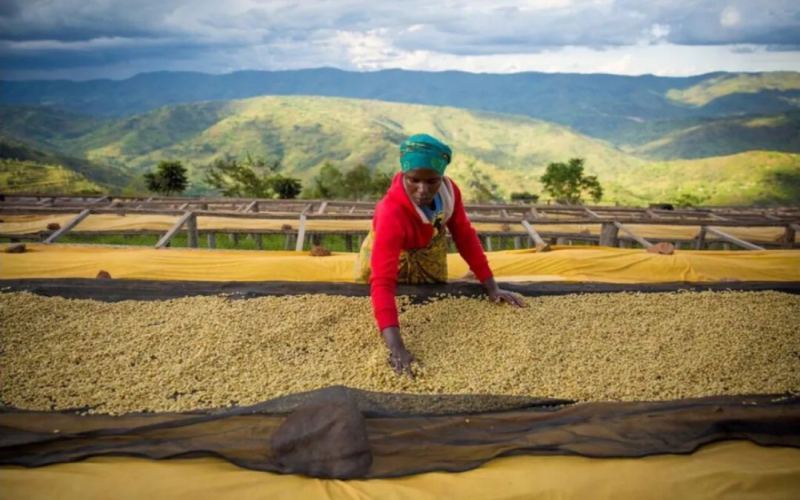
Ethiopia Granada Estate Geisha Coffee: Regional Characteristics and Flavor Analysis Under Single-Variety Cultivation
Located on the East African plateau, Ethiopia, with its unique geographical conditions and diverse cultivation systems, gives rise to coffees of widely varying styles. This article focuses on the Grana Estate in the Yirgacheffe region—a rare farm that cultivates only a single Geisha variety—exploring its greenhouse seedling cultivation, intelligent management, and selective harvesting of ripe red cherries, and presenting the citrus acidity, ginger flower aroma, and delicate sweetness of this Front Street Grana Estate Geisha, giving you insight into the unique charm of estate-level Geisha from Ethiopia. [more…]

Exploring Single-Origin Beans in the Moka Pot: How Estate Beans Perform in the Pot
Making single-origin beans in a moka pot is a direction many enthusiasts love to explore once they have advanced. Usually, a moka pot is used with blended beans for a reliable, tasty cup, but swap in an estate single-origin bean, and the moka pot can also bring out surprising regional flavors—opening up a whole new way to use the same piece of equipment. When estate single-origin beans are brewed in a moka pot, the flavor presentation has its own [more…]
Analysis of the Definition of Single-Origin Coffee Beans and a Brewing Log of Costa Rica Mirazu Estate Raisin Honey-Process Geisha Blend
How exactly are single-origin coffee beans defined? This article begins with Front Street Coffee's Geisha blend, sorting out the naming logic and origin awareness of single-origin coffee, and takes a deep dive into Mirazu Estate in the Tarrazú region of Costa Rica, analyzing the composition of its multi-variety blend of Geisha, ET47, SL28, and Maico, as well as the processing details of the raisin honey method. The estate owner Esteban Sanches's formal academic background and experimental spirit give this bean both floral notes and berry sweetness. The article also fully presents Front Street Coffee's roasting curve, cupping report, and V60 brewing parameters, providing coffee enthusiasts with a full-process reference from green bean understanding to extraction execution. [more…]

Exploring Single-Origin Beans in a Moka Pot: Estate Beans' Performance in the Pot
The moka pot isn't only for blend beans—using single-origin estate beans for moka pot extraction lets you experience another side of regional flavors in espresso form. Flavors that are soft and bright in pour-over become more concentrated and thicker under the moka pot's pressure extraction, making them even more recognizable. Central and South American estate beans perform smoothly in the moka pot [more…]
What's the Difference Between Pure Tea and Blended Tea? Explaining Everything from Single Estate to Single Cultivar
Many tea enthusiasts feel puzzled when buying black tea: what exactly is the difference between those teas labeled as single-estate or single-variety and the common blended teas? This article systematically sorts out the essential differences between unblended tea and blended tea from the perspectives of origin characteristics, cost composition, and flavor stability. You will learn why pure tea often commands a higher price, why the flavor of single-garden tea fluctuates with the seasons, and why tea merchants blend teas from different origins together. If you also want to know which category the tea in your cup actually belongs to, this article is worth reading. [more…]

Gesha Village Estate Gesha Bean Grading Explained: Differences Between Auction, Gold, Red, Green, and Chaka Lots
Ethiopia's Gesha Village is the only estate that cultivates Geisha on a large scale exclusively, and its product line, modeled after Hacienda La Esmeralda, is divided into five grades: Auction, Gold, Red, Green, and Chaka. This article will analyze each grade one by one in terms of its definition, share of production, cupping performance, and flavor characteristics, and will also include Front Street Coffee's actual cupping records and brewing parameters for each grade, helping coffee lovers gain a comprehensive understanding of Gesha Village's grading system and how to choose. [more…]
From 40% to 70% Geisha in Butterfly, Does It Really Count as a Blend? An Analysis of the Definition of Single-Origin Coffee
Front Street Coffee currently sells two Geisha blends—Panama Butterfly and Costa Rica Mirazu Strawberry Candy. Although their names contain the word "blend," they are essentially single-origin coffees. This article traces Geisha's journey from the forests of Ethiopia to its rise to fame in Panama, analyzes the varietal composition and terroir conditions behind Butterfly's 70% Geisha ratio, and compares the blending logic of multiple varieties at Mirazu Estate. It also explains the differences between washed and raisin honey processing, and includes Front Street's roasting curve and brewing parameters, helping readers understand why Geisha blend beans still qualify as single-origin. [more…]
Gesha Village Estate Gesha Bean Grading: A Detailed Explanation of Auction, Gold, Red, Green, and Chaka Lots
Ethiopia's Gesha Village is one of the few estates dedicated to growing Gesha on a large scale, and its product line is divided into five grades: Auction, Gold, Red, Green, and Chaka. This article provides a detailed analysis of the flavor characteristics, production proportions, and cupping performance of each grade, and also includes Front Street Coffee's roasting and brewing parameters for each batch of Gesha, helping coffee enthusiasts gain a comprehensive understanding of Gesha Village's grading system and purchasing direction. [more…]

What's the difference between commercial coffee beans and specialty coffee beans? From grading standards to taste evaluation, explained clearly in one go
People who drink coffee regularly may have heard terms like industrial coffee, commercial coffee, and specialty coffee, but by what standards are they actually classified, and how do they differ in taste and use? This article starts with the varietal composition of coffee beans, sorts out the definitions and main uses of the three categories, and further introduces evaluation methods for specialty coffee such as growing altitude, screen size, and defect bean ratio, as well as the higher standards represented by estate coffee. The article also discusses how consumers can determine which tier the coffee they drink falls into, and recommends several commercial and single-origin beans from Front Street Coffee with outstanding value for money, suitable for enthusiasts who want a systematic understanding of coffee grading. [more…]
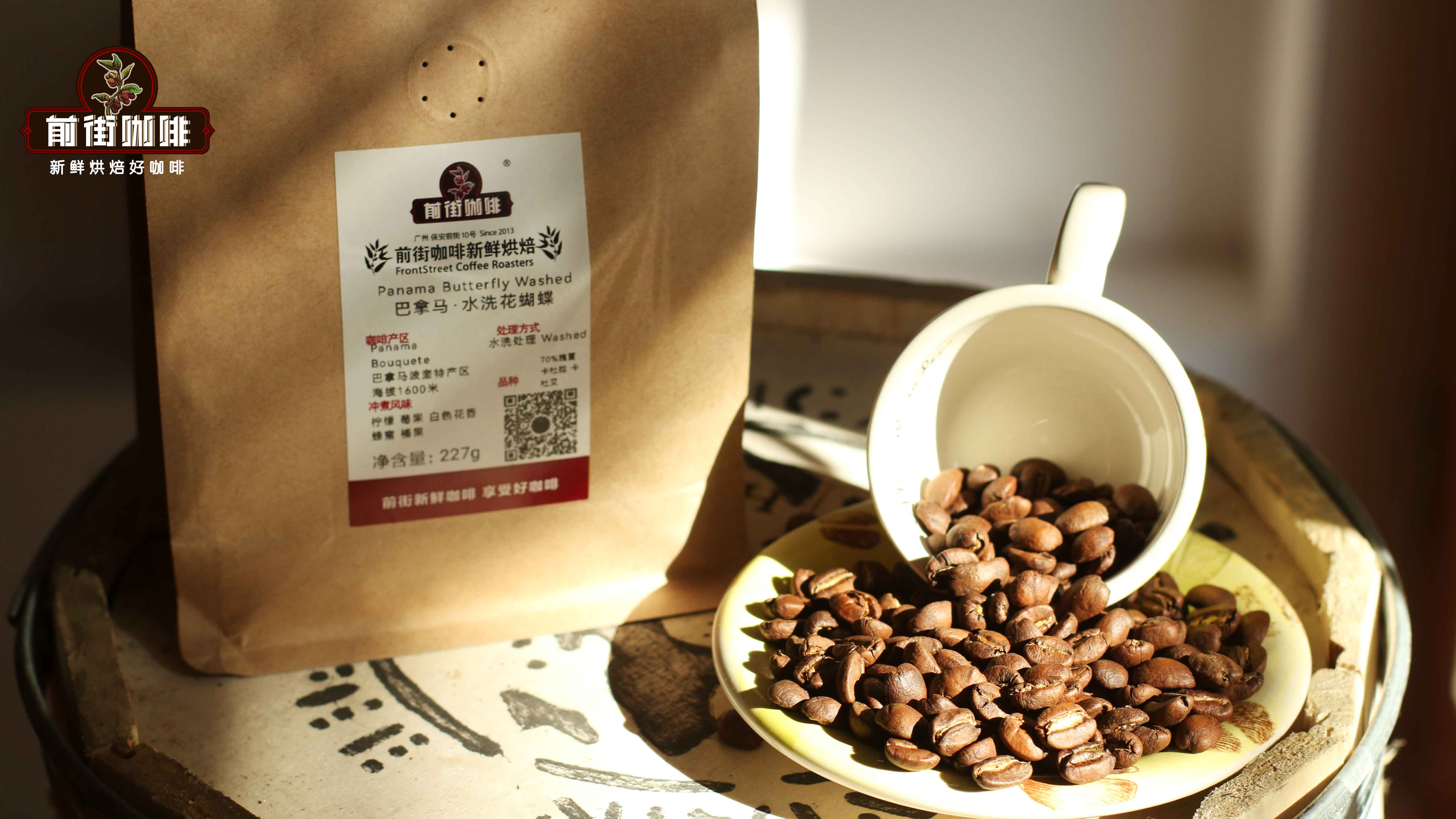
Panama Los Lajones Estate Honey Process Coffee Analysis: A Guide to Recommended Pour-Over Single-Origin Beans from the Boquete Region
Panamanian coffee was long undervalued on the international stage, until the Best of Panama cupping competition and the rise of Hacienda La Esmeralda completely turned things around. Beyond the Geisha variety, Panama has many outstanding estates worth attention, and Los Lajones Estate is one of them. This century-old small farm in the Boquete region is renowned for its honey processing method, and estate owner Graciano Cruz is a pioneer in advancing honey processing technology. This article provides a comprehensive analysis of the unique charm of this honey-processed coffee, from the region's background and the principles of the processing method to its flavor characteristics, and recommends several of Front Street Coffee's Panamanian single-origin beans, including the Geisha series and Elida Estate's sun-dried Typica, offering coffee enthusiasts a purchasing reference from beginner to advanced. [more…]
What is the difference between single-origin coffee beans and blended coffee beans? Which single-origin coffee beans are suitable for a moka pot?
What exactly is the difference between single-origin coffee beans and blended coffee beans? Simply put, single-origin beans come from a single origin or estate and carry a distinctive regional flavor; while traditional espresso mostly uses dark-roasted blended beans, pursuing richness and intensity. When single-origin beans are used for espresso extraction, they are called SOE. Moka pots and espresso machines both use high-temperature, high-pressure extraction, making bean selection especially critical. This article will sort out the core differences between single-origin and blended beans, and recommend three Front Street medium-to-dark roasted single-origin beans suitable for a moka pot, covering Brazil Queen's Estate, PWN Golden Mandheling, and Colombia Strawberry Claw, helping you easily make a cup of moka pot coffee with aromatic crema at home. [more…]
Colombia Geisha Blend Hanami Coffee Beans Review: Flavor and Mouthfeel Analysis of Huila Region
Front Street Colombia Geisha Blend · Hanami Coffee Beans come from the Mont Blanc Estate in the Huila region, at an altitude of 1,900 meters. They are a blend of three varieties—Geisha, Caturra, and Catuai—and are processed using the washed method. This coffee displays aromas of lemon, orange peel, and orange blossom; on the palate it has a lemony black tea-like sweet-tartness, accompanied by the sweet fragrances of peach, strawberry, pomelo, bergamot, and honey. The floral notes are prominent, and the mouthfeel is smooth and delicate. Although it is called a blend, it still falls within the category of single-origin coffee beans—because single-origin emphasizes the same region or estate, not a single variety. Below, we will take you through the unique charm of this coffee from two perspectives: the terroir of the region and the background of the estate. [more…]
Which estate does Saint Lion coffee bean come from? A full analysis of the flavor of the Hambela Benti Nenqua micro-lot special processing method
Sacred Lion coffee beans have attracted considerable attention from coffee enthusiasts in recent years. Which estate do these beans actually come from? And what makes them so special? The answer points to Ethiopia's Hambela estate, specifically lot 121 produced by the single farm Benti Nenqua. The estate belongs to METAD, and after Aman Adinew, who once held a key position at a Fortune 500 company, took over the family business, he introduced corporate management and SCAA quality standards, equipping it with a farm, processing plant, and coffee laboratory. Green bean traders named it "Sacred Lion" and specifically noted the SLD single-layer slow drying process to distinguish it from other natural Ethiopian beans. The cupping profile presents tropical fruit, citrus, stone fruit, strawberry jam, and a blueberry finish. This article will provide a complete introduction to this micro-lot's origin background, processing method, and flavor characteristics, while retaining relevant recommendations for the Front Street Coffee brand. [more…]
Front Street Brazil Oberon Estate Natural Beans: A Recommended Pulped Natural Single-Origin from the 1,500m Minas Plateau
Brazil, as the world's largest coffee-producing country, has long been known for its commercial beans, but the rise of coffee competitions after 2000 brought specialty estates in the Cerrado Mineiro region to prominence. Front Street Coffee's Brazil Oberon Estate natural bean comes from the Cerrado Mineiro at an altitude of 1,500 meters, processed using the natural sun-dried method, with green beans sized 17-18 screen, yellowish-brown in color, and a yellow center line. This bean reveals peanut-nut aromas and tropical fruit sweetness at a light roast, and can be roasted even lighter to present a rare fruity fermented wine aroma; at a dark roast, it brings honey milk-candy sweetness and dark chocolate aromas, with a creamy, mellow mouthfeel. Whether served as a single origin or used as a blend base, it is a stable, fragrant Brazilian natural bean with ample sweetness. [more…]
Ethiopia Guji Ana Sora Farm Natural Sidamo G1: Single Estate Lot 3 Flavor and Origin Interpretation
Located in the Guji region of Ethiopia, the Anasora Farm is a rare single-estate coffee production site in the country, covering about 250 hectares at an altitude of 1,900 to 2,350 meters. This Lot3 batch is processed using the African raised-bed single-layer slow sun-drying method, presenting a complex aroma of strawberry cookie, mixed berries, citrus, and florals, accompanied by maple-syrup-like sweetness and a solid, rich mouthfeel. The delicate blueberry aroma from high fermentation, the sweet, full-bodied coffee, and the typical Sidamo depth at medium temperatures give this bean a long finish and lingering sweetness. Front Street Coffee recommends it to enthusiasts who love sun-dried Ethiopian coffee. This article will outline the estate's background, trends in the Guji region, and relevant Oromo context to help readers fully understand the origins and story of this bean. [more…]
Costa Rica Fuego Phoenix Estate Blue Sapphire SOE Espresso Preparation Log: Extraction and Milk Coffee Performance of a Light-Medium Roasted Single-Origin Espresso Bean
This article is the first in a series of SOE espresso experiments launched by Front Street Coffee, using Costa Rican Fuego Phoenix Estate Sapphire coffee beans to make espresso. These beans come from the Central Valley, at an altitude of 1600 meters, sun-dried, with varieties Caturra and Catuai. The article documents in detail the extraction parameters and flavor performance, and extends to pairing tests with milk coffee. Since the beans' roast level was originally more suited to pour-over, when used for SOE, the resting period needs to be extended and the extraction time lengthened to 35 seconds, in order to fully release the fermented aromas and avoid under-extraction. If you are interested in single-origin espresso, you may wish to refer to the parameters in this article to explore more possibilities with these beans. [more…]
A Detailed Guide to Hacienda La Esmeralda's Gold Label: Brewing, Flavor, and Taste Characteristics of Gold Label and Red Label Geisha Coffee Beans
Geisha coffee beans have taken the world by storm with their refined and elegant floral aromas and fruity acidity. Panama's Hacienda La Esmeralda and Ethiopia's Gesha Village Estate represent the benchmarks of Geisha in Central America and Africa respectively. Gesha Village Estate enforces strict internal grading, with Auction, Gold, Red, Green, and Chaka lots each having their own characteristics. Among them, the Gold lot is named "Rarities," accounting for only 10% of annual production, using the Geisha 1931 variety, with flavor complexity and intensity both of the highest caliber. The Red lot offers outstanding value for money, the Green lot provides single-plot traceability information, and the Chaka lot blends all three varieties from the entire estate. Front Street Coffee recommends that customers trying Geisha for the first time start with Esmeralda Red or Green, while Gesha Village Red is the choice for high value for money. This article will provide a detailed analysis of each grade's classification standards, variety origins, and brewing flavor performance. [more…]

Can Geisha blend beans be classified as single-origin coffee? An analysis of Front Street Butterfly and Mila Su Strawberry Candy Geisha blends
Geisha coffee has long been renowned for its floral and citrus notes, but when it comes to the many Geisha products on the market labeled as "blends," do they still count as single-origin coffee? This article takes two representative Geisha blends from Front Street Coffee—the Panama Boquete Butterfly and the Costa Rica Mirazu Estate Strawberry Candy Geisha Blend—as examples, examining everything from the history of Geisha's spread, the origin and variety composition of these two beans, the washed and raisin honey processing methods, the roasting curve design, to the actual brewing parameters and flavor performance. After reading, you will understand why the concepts of "Geisha blend" and "single-origin coffee" are not actually in conflict, and you will master the complete brewing approach for these two beans. [more…]