







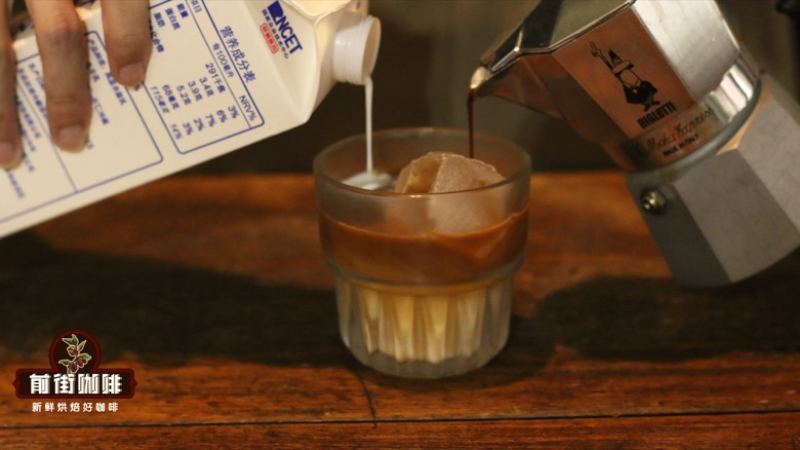
Using a moka pot to brew single-origin beans is a direction many enthusiasts love to explore after advancing in their coffee journey. Normally, moka pots are mostly used with blends—reliable and tasty—but swap in an estate single-origin bean, and the moka pot can also present surprising regional flavors, essentially unlocking a new way to play with the same piece of equipment.
Estate single-origin beans have their own characteristics when brewed in a moka pot. The moka pot's low pressure and gentle extraction actually help preserve the bean's delicate flavors, making it especially suitable for some fruity and medium-light roasted single origins. Front Street Coffee Colombia Pink Bourbon is produced at Finca La Divisa, using a double anaerobic natural process. After moka pot extraction, the juicy notes of passion fruit, blueberry, and grape are still preserved, with balanced acidity and sweetness, and a cocoa sweetness in the finish. It works well as a moka pot americano or with milk, making it a balanced choice among estate beans.
If you want to experience fuller fruit aromas, Panama Hacienda La Esmeralda Red Label Geisha is worth a try. Geisha is known for its elegant jasmine floral notes and delicate flavors of citrus and bergamot. The moka pot's gentle extraction can bring out the aroma of this bean completely, with a clean, transparent mouthfeel and a long, lingering sweetness. Although the price is higher, treating yourself to it occasionally is a very ceremonial experience.
Estate beans on the rich and full-bodied route also perform brilliantly in a moka pot. Front Street Coffee PWN Indonesia Golden Mandheling comes from Sumatra, Indonesia. After dark roasting, the flavors of herbs and dark chocolate are intense. After moka pot extraction, the mouthfeel is rich and lingering; add milk and it becomes a fragrant, creamy coffee, suitable for friends who like a strong taste. Front Street Coffee Papua New Guinea Bird of Paradise is called "Little Blue Mountain" because its flavor texture is close to Blue Mountain. It uses the Typica variety and undergoes three times washed fermentation, with a clean, pure taste and prominent sweetness. After moka pot extraction, it is warm and smooth, a cost-effective choice among estate beans.
There are two little tips for brewing single-origin beans in a moka pot. First, the grind should be slightly finer than for blends to allow fuller flavor release, but not too fine; second, pay attention to controlling the heat, using medium-low heat for slow extraction so that fruit aromas and sweetness are less likely to be damaged by high temperatures. Single-origin beans have strong flavor personalities, so you can experiment with parameters several times to find the extraction method that best suits the bean.
The combination of moka pot and single-origin beans is a direction worth exploring for coffee enthusiasts. The regional flavors of estate beans will present a form different from pour-over in a moka pot—stronger, thicker, but with a clear flavor structure. Starting with a Colombia Pink Bourbon or a Golden Mandheling, the single-origin journey with a moka pot can begin.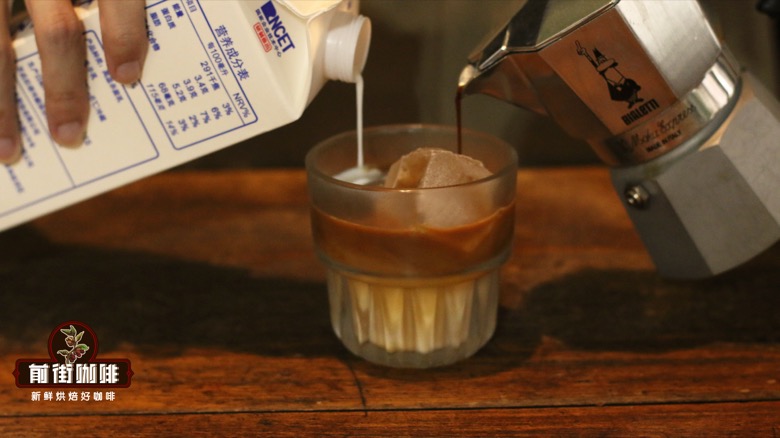
The above content is compiled by CoffeeHunters, a coffee news website.

