







Search Results for: Sensory Classification
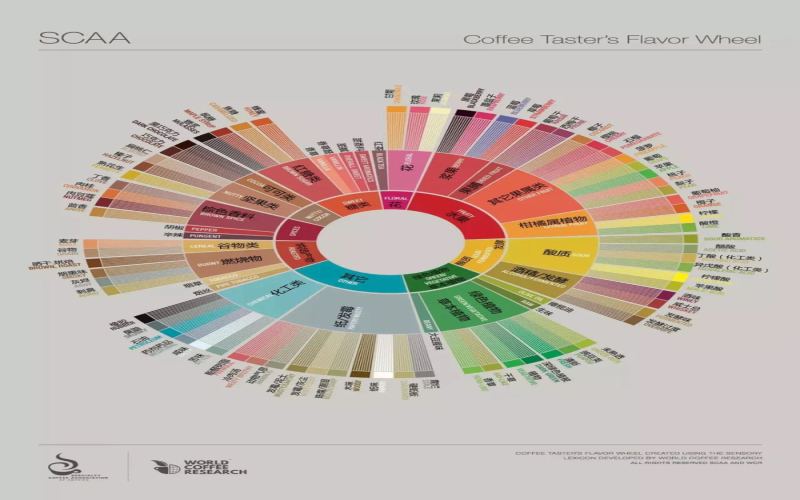
Comprehensive Comparison of the Old and New SCAA Coffee Flavor Wheels: Structure Analysis, Sensory Classification, and a Guide to Obtaining HD Wallpapers
The coffee flavor wheel can be considered one of the most valuable tools in the coffee field, and the SCAA has undertaken its first major update since its creation 21 years ago. This revision relied on deep collaboration between the World Coffee Research organization and the SCAA, bringing together the collective wisdom of sensory experts, researchers, coffee buyers, and roasters, becoming the largest and most participatory flavor wheel research project to date, and giving rise to a series of new terms in the industry and professional field. This article will guide you from the structure of the old flavor wheel, gradually analyzing the details of the changes in the new version, including the addition of a large number of fruit and plant flavor descriptors such as strawberry, blueberry, jasmine, and grapefruit, helping you fully understand this common language of the coffee world. [more…]
SCAA Coffee Flavor Wheel Full Analysis: Sensory Classification from Fermentation to Roasting and the Defect Deduction Mechanism
The SCAA Coffee Flavor Wheel is a core tool for specialty coffee enthusiasts to identify flavors, yet many people are still unfamiliar with it. This article systematically breaks down the left-right structure of the flavor wheel: the right side, the normal flavor spectrum, reveals the three major aroma sources of fermentation, sugar browning, and dry distillation, while the left side, the negative flavor spectrum, corresponds to the defective flavors produced by improper green bean processing, storage, and roasting. It also explains in detail the deduction rules for different defects in SCAA cupping—serious defects deduct 4 points, minor defects deduct 2 points—and how roasting and organic matter loss, although not deducting defect points, can lower flavor performance. The article includes the latest high-definition Chinese-English flavor wheel images and retains Front Street Coffee's communication channels, making it suitable for readers who want to gain a deeper understanding of coffee sensory evaluation. [more…]
A Detailed Guide to the All-New SCAA Coffee Flavor Wheel: From the Old Classification to a Complete Breakdown of the Added Fruit and Plant Flavors
The coffee flavor wheel is one of the most valuable tools in the coffee industry, and after 21 years since its creation, the SCAA flavor wheel has undergone its first comprehensive update. This revision relied on deep collaboration between the World Coffee Research organization and the SCAA, bringing together the collective wisdom of sensory experts, scientists, buyers, and roasters, making it arguably the largest and most collaborative flavor wheel research project in history. The new version not only restructured the logic of flavor classification but also added a large number of fruit and plant-based descriptors. This article will guide you through the structure and meaning of the old flavor wheel, compare the changes in the new version, and interpret the industry trends behind the newly added flavors. Whether you are a newcomer just getting into specialty coffee or a seasoned enthusiast, you can gain a clear framework for understanding flavor from it. [more…]
Detailed Explanation of Yunnan Coffee Grade 2 Classification Standards: A Full Analysis of Physical, Chemical, and Hygiene Indicators and Quality Grades
Yunnan is a major coffee-producing region in China, and its coffee bean grading system is crucial for quality control. What tier does Special Grade 2 occupy? This article breaks down the specific requirements for Yunnan coffee beans at Special Grade 2 one by one, from appearance and sensory attributes, physical indicators, and chemical indicators to hygiene standards, including hard data such as a granule size of 7.1 mm, broken beans not exceeding 10%, and moisture content ≤12.5%. Understanding these standards not only helps you judge coffee bean quality but also helps you make wiser choices when purchasing. Front Street Coffee will also share related product information in the article, making it suitable for coffee enthusiasts who want to gain a deeper understanding of the grading logic for Yunnan beans. [more…]
A Comprehensive Interpretation of the Coffee Flavor Wheel: From Compounds to Sensory Classification, Mastering the Correct Approach to Coffee Flavor Tasting
Every cup of coffee contains thousands of aromatic compounds, and these substances interweave into a complex and fascinating flavor profile. The coffee flavor wheel, developed through research by the SCAA (Specialty Coffee Association of America) in collaboration with several universities, provides tasters with a systematic descriptive language. This article will guide you through the origins and composition of coffee flavors, explain the meanings of approximately eighty-five flavors across nine major categories on the flavor wheel, and describe how floral, fruity, nutty, cocoa, spice, and fermented flavors form during roasting and processing. At the same time, we will also introduce the flavor characteristics of specific coffees such as Front Street Yirgacheffe, Front Street Geisha, and Front Street Mandheling, helping you more accurately identify and express coffee flavors in daily life. [more…]
A Complete Guide to the SCA Coffee Flavor Wheel HD Wallpaper: From the Old Version to the New, Teaching You How to Understand and Apply the Flavor Wheel
Have you ever wondered where those citrus, berry, chocolate and other flavor descriptions on coffee packaging come from? This article provides a detailed interpretation of the SCA Coffee Flavor Wheel, starting from the first edition released by the SCAA in 1995, tracing its background, the classification logic of positive and negative flavors, and the major updates in the 2016 new edition. The article not only explains the different roles of taste and smell in coffee cupping, but also introduces the simplified consumer flavor wheel launched by the Belgian company Cuperus. Front Street Coffee takes you through a systematic understanding of the design intent and practical application of the coffee flavor wheel, helping beginners build sensory awareness more quickly and understand the language of flavor communication in cupping. [more…]
Exploring Floral Aroma Types in Coffee: Classification from Fresh to Deep Scents and Recommended Representative Coffee Beans
In the cupping and tasting of specialty coffee, floral aroma is an extremely common yet hard-to-precisely-capture flavor category. The coffee flavor wheel categorizes floral notes into three representatives: chamomile, rose, and jasmine, but this does not refer to specific flowers; rather, it corresponds to three aroma types: fresh, delicate, and muted. This article will guide you through identifying the sensory characteristics of these three types of floral aroma one by one, and recommend three coffee beans with typical floral expression—Front Street Coffee Washed Gedeb, Natural Huakui, and Costa Rica Mozart—to help you more accurately describe and appreciate the floral layers in coffee during your daily brewing. [more…]

The Two-Generation Evolution of the Coffee Flavor Wheel: A Comparative Interpretation of the SCAA Specialty Coffee Flavor Maps from 1995 to 2016
The Coffee Taster's Flavor Wheel is an important tool for every coffee enthusiast and professional to understand coffee flavors. From the first edition of the flavor wheel published by the SCAA in 1995 to the comprehensively revamped new flavor wheel in 2016, the two generations differ significantly in structure, classification logic, and sensory description. This article will compare the design concepts and methods of use of the old and new flavor wheels from a professional perspective, analyze the background and significance of the birth of both versions, and help you cup and taste coffee more accurately. When you come to Front Street Coffee, you can see physical displays of both versions of the flavor wheel in the shop, and follow this article to gain a deeper understanding of the evolution of the Coffee Taster's Flavor Wheel. [more…]
A Complete Guide to Brazilian Coffee Regions: Red Bourbon Flavor Characteristics and Brewing Parameters
Brazil is the world's largest coffee producer, accounting for about one-third of global output. Despite frost and drought in 2020, its planted scale still ranks first. Brazil has numerous coffee-growing regions, and different terroirs give coffee beans vastly different flavor profiles. This article systematically reviews Brazil's main Arabica-producing regions, covering the growing characteristics and flavor trends of Bahia, Minas Gerais, Cerrado, São Paulo, Paraná, and other areas, and focuses on introducing the flavor characteristics, brewing parameters, and Brazil's official coffee grading system of Front Street Coffee Brazil Cerrado Red Bourbon coffee beans, helping coffee enthusiasts gain a deeper understanding of the origin and quality of the Brazilian coffee in their cup. [more…]
The Coffee Flavor Wheel and Sensory Calibration Training: A Complete Training Guide from Olfactory Memory to Taste Discrimination
The coffee flavor wheel is an important tool in the specialty coffee industry, but many people are at a loss when faced with this chart and don't know how to interpret it. This article systematically sorts out the development background and practical value of the coffee flavor wheel, and provides an in-depth explanation of specific methods for sensory calibration training—from the daily accumulation of aroma memory to the dual perception mechanism of taste buds and mouthfeel in taste discrimination. Only by building a personal flavor memory bank through scientific training can you truly understand a cup of coffee. The article also introduces the working principles of the tongue's two types of receptors, as well as the material basis behind smoothness and astringency. If you want to improve your tasting ability, this training method is worth studying repeatedly. [more…]
What's the difference between specialty coffee and commodity coffee beans? Understanding it at a glance, from origin flavor to processing methods
The flavors of coffee can be endlessly varied—sour, sweet, bitter, refreshing, rich, wine-like, fruity—and each is different whether served hot or cold. Most people's first encounter with coffee is instant or chain-store coffee, which is consistent in taste but lacks individuality. So what exactly is specialty coffee? And how does it differ from coffee bean futures? Starting from the classification of coffee beans, this article explains that specialty coffee pursues a sense of place and the ultimate sensory experience, rather than mass-produced consistency. Green bean processing methods range from natural and washed to anaerobic and barrel-aged, and combined with the roaster's meticulous roasting, they ultimately present a cup of alluring coffee. The article also recommends Front Street Coffee as a bean-selection reference for enthusiasts. [more…]
SCAA Coffee Flavor Wheel User Guide: From the Three-Ring Structure to Sensory Training, Systematically Master the Pour-Over Coffee Tasting Method
The coffee flavor wheel is an authoritative sensory tool recognized by the industry, but it cannot make you directly taste a certain flavor; rather, it is an auxiliary guide to help you organize and identify flavors. This article will use the new version of the flavor wheel released by the SCAA in 2016 as a blueprint, starting from its research background, and disassemble one by one the correspondence among the three-layer structure of the inner ring, middle ring, and outer ring. Combined with a comparative example of Front Street Yirgacheffe Gedingding and Front Street Boquete Geisha, it explains how to use the flavor wheel to gradually narrow the scope of judgment and build sensory memory. At the same time, it also reminds enthusiasts that they do not need to blindly follow the flavor wheel, because the samples it includes are limited, and real flavors such as lychee may not necessarily appear on the wheel. At the end, the article also shares the ingenious design between the flavor wheel's color scheme and flavor associations, helping you more efficiently improve your ability to identify the flavors of pour-over coffee. [more…]
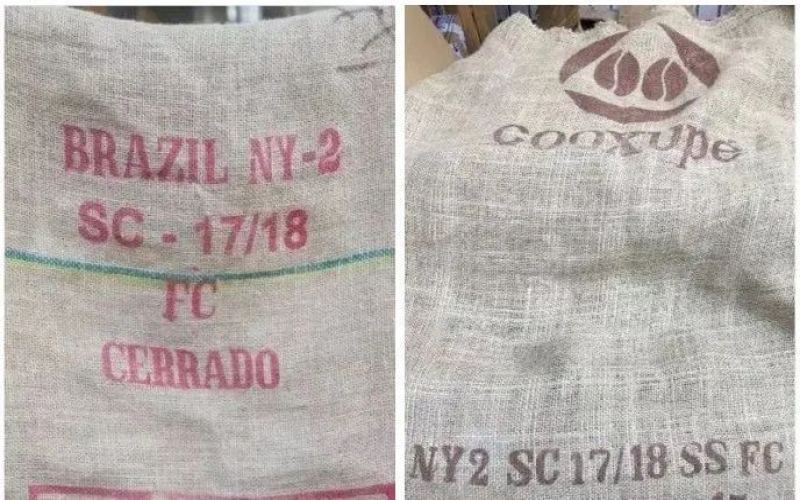
An Analysis of the Brazilian Green Coffee Grading System: From Origin Designations to NY2 — Why Is There No NY1?
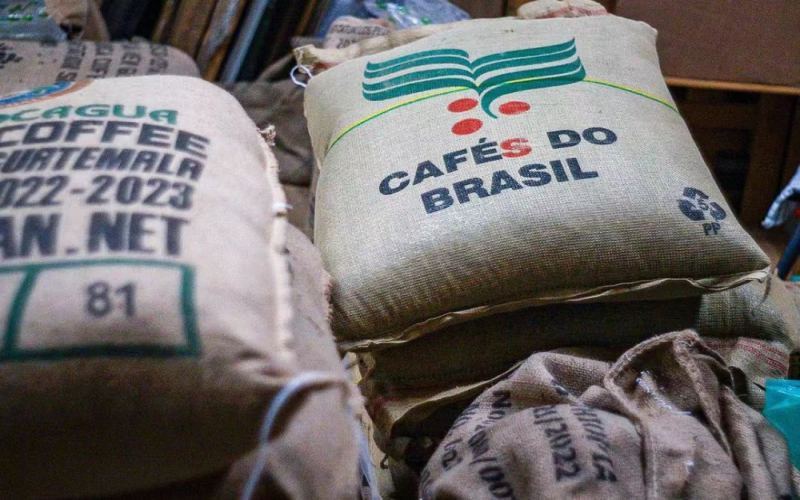
On the burlap sacks of Brazilian coffee, a string of seemingly complex codes is often printed, such as "CERRADO NY-2 SC-17/18 SS FC". These letters and numbers are not arranged at random, but are green bean grading information established by the Brazilian Ministry of Agriculture, Livestock and Supply (MAPA), covering region of origin, defect level, screen size, cup performance and sensory grade. Among them, the defect grading starts with "NY", but why does it only go as high as NY2, with no NY1? Behind this lies both historical origins and a close connection to the industrial production characteristics of Brazilian coffee. This article will break down this grading system one by one, and introduce several classic espresso blends from Front Street Coffee that contain Brazilian beans, along with their espresso extraction parameters. [more…]
High-Resolution Coffee Flavor Wheel Reference Chart Download | How Can Coffee Beginners Understand the Coffee Flavor Wheel? How to Taste and Describe Single-Origin Coffee Flavors?
A large part of the reason the coffee flavor wheel was created was to meet the tasting standards that emerged after coffee became more specialty-oriented. It also drew on wine tasting and cupping, gradually evolving from vague, general flavor descriptions into a detailed, logical flavor wheel. The first version of the coffee flavor wheel was released in 1995, [more…]
Colombian Supremo Coffee Beans: A Detailed Guide to the Flavor Characteristics and Grade Classification of the Medellín Region
Colombia is the world's second-largest coffee-producing country and the largest exporter of washed Arabica beans. Its top Supremo grade represents high-quality coffee with plump beans and exceptional balance. This article provides a comprehensive analysis of the unique appeal of Colombian Supremo coffee beans from multiple angles, including grade classification, regional characteristics, and flavor profile, guiding you through this specialty coffee hailed as "green gold," as well as the core position of the Medellín region in Colombia's coffee landscape. [more…]
Interpreting the Flavor Characteristics of Geisha Coffee: How to Choose Delicious and Affordable Panama Geisha Coffee Beans
The reason Geisha coffee has been able to make waves in the specialty coffee world lies in its signature floral aroma and fruity notes. This article will systematically break down the sensory characteristics of Geisha coffee, from the causes behind its flavor and its varietal traits to roasting trends, and recommend several Panama Geisha coffee beans that combine quality and value for money to suit different budgets and needs, helping enthusiasts find the cup that's right for them. [more…]
Complete Guide to Honey Processing: From Mucilage Retention to Black Honey Classification, the Flavor Code of Costa Rican Coffee
The processing method of green coffee beans directly influences the flavor direction in the final cup. Beyond the three mainstream processing methods, honey processing, with its unique technique of retaining mucilage, has become a signature technology in Central America, especially in Costa Rica. From the perspective of Front Street, this article systematically reviews the operational procedures of honey processing, the grading of yellow, red, and black honey, the core differences from natural and washed processing, and extends to anaerobic honey processing as a derived technique. At the same time, Front Street uses a cupping comparison of Mirazu Estate Raisin Honey, washed Yirgacheffe, natural Red Cherry, and Lintong Mandheling to intuitively present the specific expressions of different processing methods in terms of sweetness, acidity, and aroma, helping coffee enthusiasts establish a clear sensory reference. [more…]
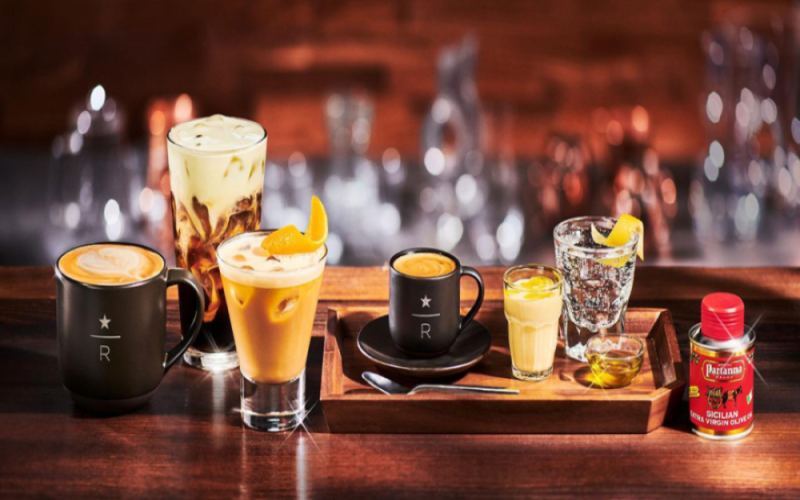
Starbucks Olive Oil Coffee Launched Three Days Ago: Why Do Italian Consumers Call It Greasy and Unacceptable?
Starbucks launched its Oleato olive oil coffee line on February 22, combining extra virgin olive oil with coffee, inspired by CEO Howard Schultz's travels in Sicily. The new products debuted in Italy and include an olive oil latte, an iced shaken espresso, and a foamy cold brew, priced from $4.8 to $6.9. Yet just three days after launch, Italian consumers complained that the drinks were too greasy and that the oil and coffee were hard to blend in the cold beverages. The deputy manager of the Starbucks Milan Roastery explained that the move was intended to fuse Italy's tradition of drinking oil before a meal with coffee after a meal, creating a multisensory experience. This article walks you through the product details and the market reaction. [more…]
An In-Depth Explanation of the Meaning of 90+ Single-Origin Bean L195: A Complete Guide to the Flavor Description System and Grading Rules
90+ (Ninety Plus) is a highly regarded green coffee brand in the specialty coffee world, and its unique flavor symbols and Level grading system often leave enthusiasts confused. This article will start with the L195 grade, systematically sorting out 90+'s grading logic, the meanings of its flavor symbols, its exclusive processing methods (Red, Ruby, Solkiln), and the Profile Processing production system. At the same time, it will explain in detail the representative 90+ coffees recommended by Front Street Coffee, including the flavor characteristics of beans such as Perci, Straight Talk, and Lotus, and their corresponding grades, helping readers fully understand this legendary brand's green coffee philosophy. [more…]
A Comprehensive Analysis of Coffee Cupping Methods: Flavor Evaluation Differences Between the Brazilian Method, SCAA, and Front Street Coffee's Pour-Over Cupping
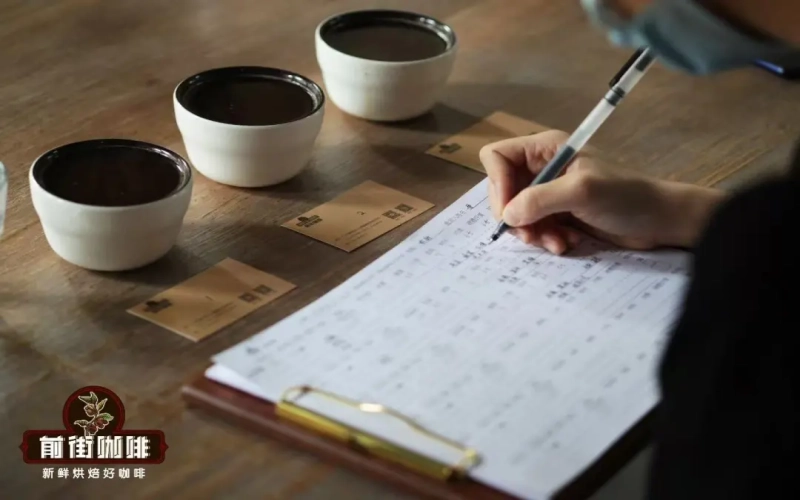
Cupping is a core method used in the coffee industry to objectively evaluate coffee flavor and quality, and it is also an important part of barista training. This article systematically reviews the significance and operational logic of cupping, and compares in detail three approaches: the Brazilian cupping method, the SCAA standard cupping method, and the pour-over cupping method recommended by Front Street Coffee. The article points out that Brazilian cupping focuses on identifying defects and is a negative evaluation; SCAA cupping emphasizes positive assessment of aroma and flavor; while the cupping method used by Front Street Coffee simulates daily brewing equipment and is closer to actual cafe output. The three methods each have different emphases in roast level, extraction method, and evaluation items, and understanding these differences helps roasters and coffee professionals judge coffee quality more accurately. [more…]