







Search Results for: Sealed Bean Resting
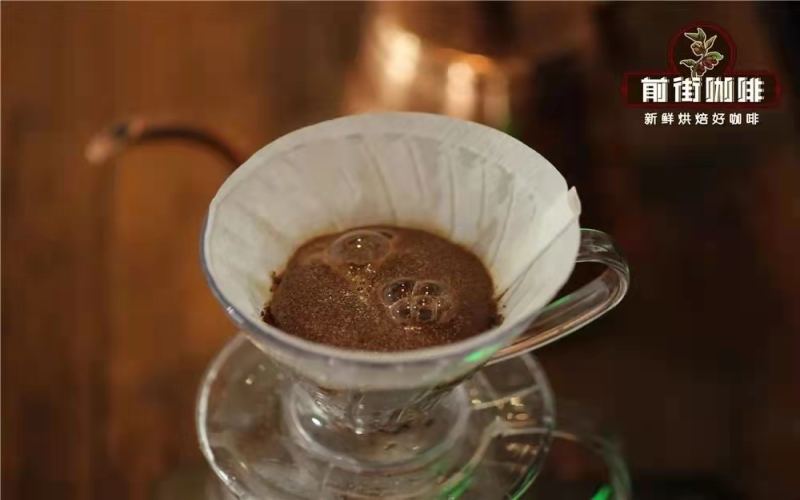
How Many Days Do Coffee Beans Need to Rest? Is Sealed Resting for Pour-Over Beans Feasible? One Article Explains Degassing and the Flavor Peak
Should freshly roasted coffee beans be brewed right away? How many days should you actually wait for resting? This article starts with the principles of coffee bean degassing, explaining why freshly roasted beans need to rest and how the resting period is affected by roasting method, roast level, and roasting style. It also offers practical ways for ordinary consumers to judge the resting period, helping you find the flavor peak of each bean. Drawing on Front Street Coffee's semi-direct fire roasting experience, the article explains reference resting days for medium-light and medium-dark roasts, and addresses whether fully sealed resting is feasible. [more…]
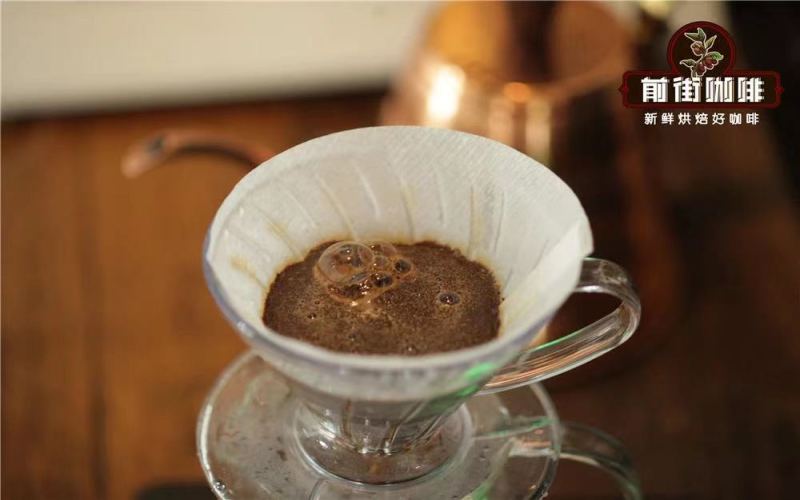
A Complete Guide to Coffee Bean Resting and Blooming: Why Rest, How Long, and How to Store Without Losing Flavor
Don't rush to brew freshly roasted coffee beans. Resting and awakening the beans is essentially a process that allows the beans to release carbon dioxide. Excess carbon dioxide disrupts extraction stability and also affects the extraction of flavor compounds. Drawing on the practices of FrontStreet Coffee, this article explains the essence of bean resting and awakening, the recommended resting times for different roast levels, and key storage points after receiving the beans. All beans sold by FrontStreet Coffee are shipped within 5 days of completing roasting. Medium-light roasts are recommended to rest for 3-4 days, medium roasts for 4-5 days, and medium-dark roasts for 6-7 days; once rested, they can be stored in the original packaging or in a light-proof sealed container. The optimal flavor window for freshly roasted beans is within 30 days after the resting period ends. [more…]
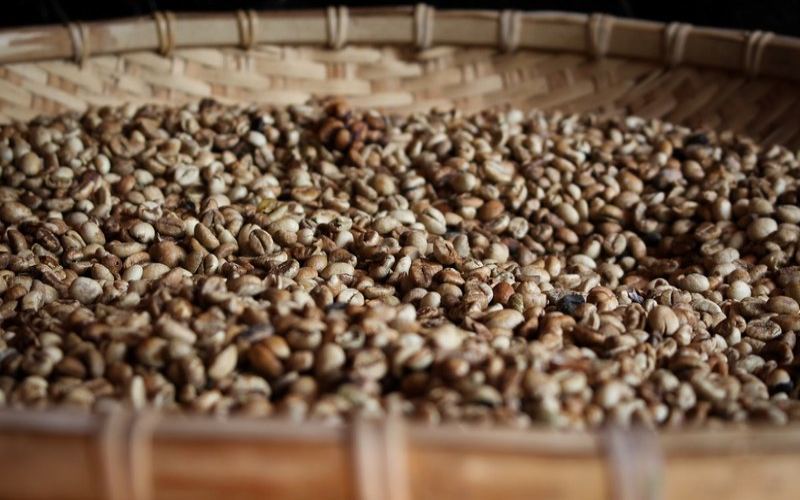
How Many Days After Roasting Do Coffee Beans Taste Best? From Resting Cycles to Sealed Storage—The Rhythm of Peak Flavor
Freshly roasted coffee beans enter a degassing phase in the early stage, during which the carbon dioxide trapped inside is slowly released over time. If brewed immediately at this point, the water flow tends to be blocked by the bubbles, preventing the flavor compounds from dissolving out evenly. Letting the beans rest in a bag with a degassing valve for a period of time allows the internal pressure to stabilize. This process [more…]
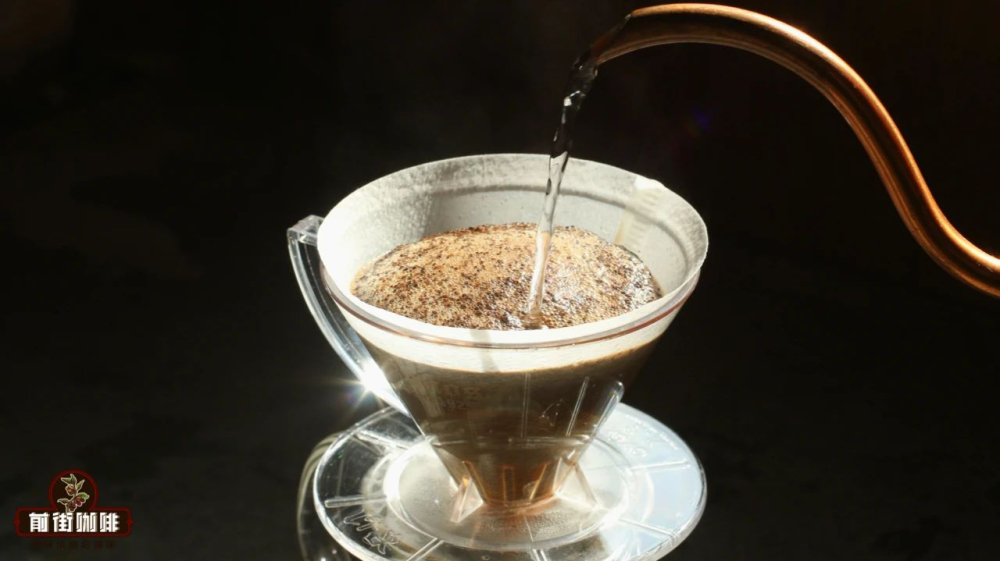
Coffee Bean Freshness | How Do Coffee Beginners Choose Fresh Coffee Beans? How Long Can Coffee Beans Be Stored After Opening? Which Is Better: A Sealed Coffee Bean Storage Canister or Storing Coffee Beans in the Refrigerator?
Many friends assume that freshly ground coffee means fresh coffee, but that's not actually the case. In reality, to truly enjoy the aroma of coffee, it's not just about grinding fresh—the roast time of the coffee beans also matters to some extent. Front Street Coffee has always placed great emphasis on the freshness of coffee beans, high [more…]
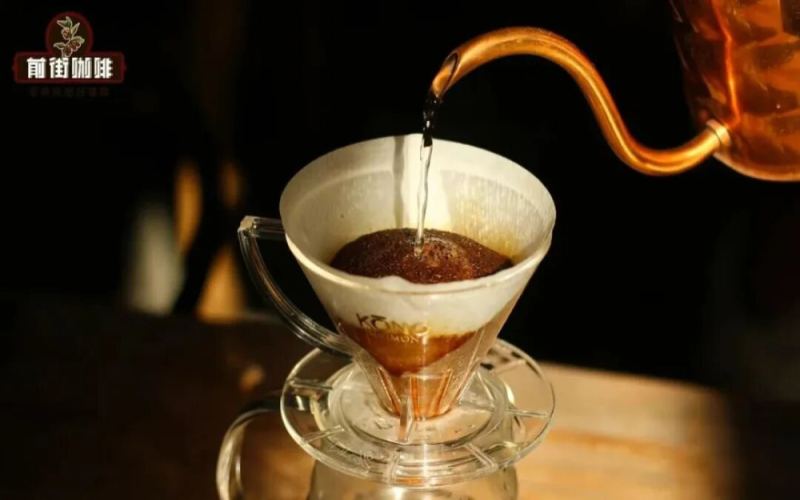
What exactly is the difference between resting beans and awakening beans? Do freshly roasted coffee beans need to be sealed and left to sit?
For coffee enthusiasts chasing flavor, freshly roasted beans are often seen as the top choice, but "too fresh" can also cause extraction problems. Beans straight out of the roaster are full of carbon dioxide inside; if brewed immediately, this gas interferes and makes it hard for flavors to be released evenly. For this reason, some people let the beans rest—known as "resting"—while others try "awakening the beans" or "awakening the grounds" to speed up degassing. In this article, Front Street Coffee sorts out the differences between these concepts, the scenarios they suit, and the key points for handling them, while also reminding everyone: degassing and aroma loss often happen at the same time, and being too aggressive may end up doing more harm than good. If you happen to have a batch of just-roasted beans on hand, it's worth understanding things clearly before deciding how to handle them. [more…]
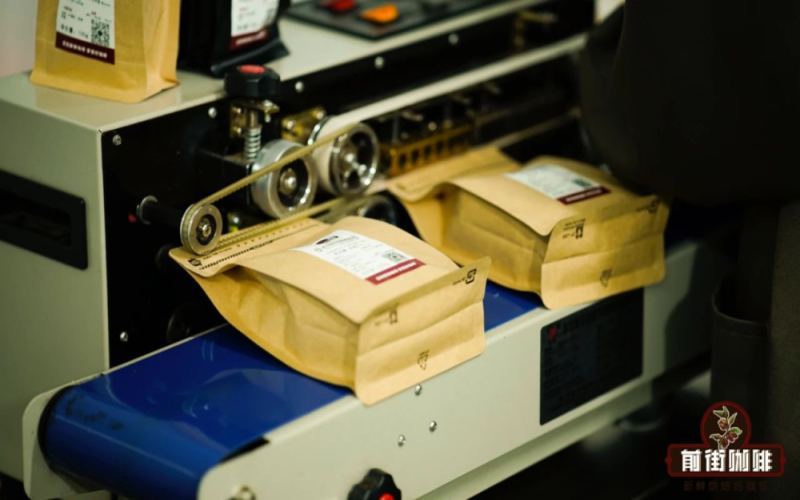
Must-Read for Coffee Beginners: Correct Storage Methods and Optimal Flavor Period for Freshly Roasted Coffee Beans and Freshly Ground Coffee
Friends who have just gotten their hands on freshly roasted coffee beans are often puzzled: the one-way valve on the coffee bag is clearly meant to release carbon dioxide, so why seal it off once the beans are ground? In fact, this comes down to the logic of preserving coffee flavor—whole beans release gas slowly, but once ground, flavor loss accelerates dramatically. Front Street Coffee has accumulated extensive experience in daily roasting and packaging. This article will systematically walk beginners through the key points of storing fresh coffee—from the function of the one-way valve, whether ground coffee needs resting, the difference between shelf life and peak flavor period, to the storage methods best suited to whole beans and ground coffee respectively—to help you enjoy a full-flavored cup within the optimal window. [more…]

From Roast Date to Sealed Bag: The Flavor Rhythm of Commercial Coffee Beans
Coffee beans are not more aromatic the closer they are to the roast date. Freshly roasted beans contain more carbon dioxide, which can cause uneven water penetration in the puck when pulling espresso; the crema may look thick and rich, but the sip feels loose and disconnected. After resting for a period, the gas is slowly released, and notes of nuts, cocoa, or caramel only then become coherent. When selecting commercial beans, take the roast date into account [more…]
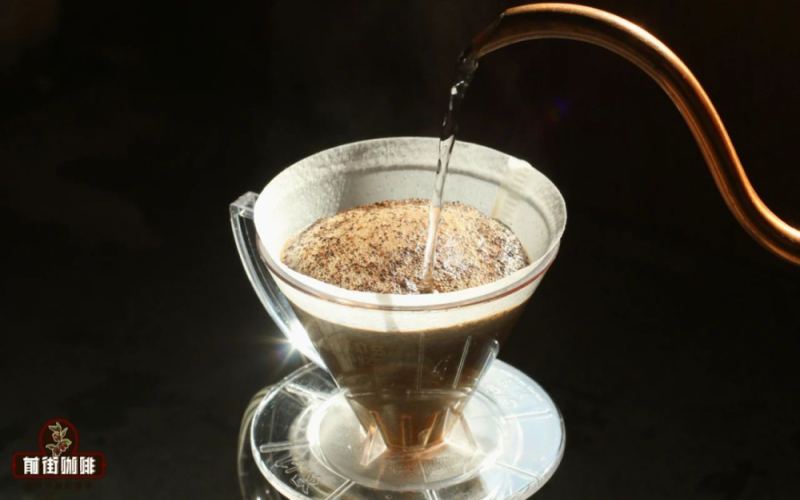
A Beginner's Guide to Coffee Bean Freshness: Key Selection Points, the Science of Resting, Peak Flavor Window, and Everyday Storage Methods
Many people believe that as long as coffee is freshly ground, it counts as fresh, but in reality, whether the coffee aroma can be fully released depends not only on the timing of grinding but also on time management after roasting. Once coffee beans have passed 50 days after roasting, their flavor is almost entirely depleted, so Front Street Coffee has always regarded freshness as the first prerequisite for good coffee. This article focuses on four core questions: how to tell whether a bag of beans is fresh, why beans need resting, how the peak flavor period differs from the shelf life, and how to store them properly in daily life. It also compiles suggested resting times for different roast levels from light to dark, special considerations for espresso beans, and the pros and cons of three storage options—sealed jars, one-way degassing valve canisters, and original packaging—to help beginners avoid common pitfalls. [more…]

The secret to a rich, golden foam on top of espresso lies in the rhythm of the degassing cycle and daily sealed brewing.
The dense, golden layer of crema on the surface of an espresso is essentially a foam formed when carbon dioxide inside the coffee beans, carrying aromatic oils, is emulsified under high-pressure water. Freshly roasted coffee beans trap a large amount of gas inside, and this gas is slowly released over time, determining the thickness and condition of the crema during extraction. Understanding [more…]
From flavor window to sealed storage: a beginner's guide to the drinking rhythm of choosing espresso blend beans
Roasted espresso coffee beans are in an active degassing phase, and paying attention to the roast date when choosing beans can help you plan your drinking rhythm. Freshly roasted coffee beans accumulate a large amount of carbon dioxide inside. If you extract immediately, the bubbles can easily interfere with the contact between the water flow and the coffee grounds, making the espresso's crema coarse and the flavor astringent. [more…]
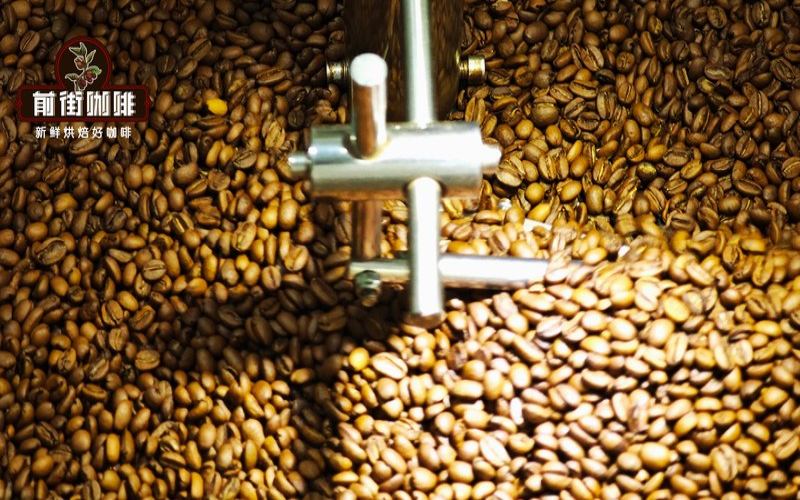
On which day after roasting do latte beans taste best?
After coffee beans are roasted, the aroma does not reach its ideal state on the same day. The beans are still releasing carbon dioxide, and if they are used to extract espresso too early, the puck is easily disturbed by gas, the flow rate is not stable enough, and the fruity notes and caramel sweetness beneath the milk foam may also seem loose. When making a latte, judging freshness cannot rely only on how recent the date is, [more…]

When Buying Beginner Pour-Over Beans, Check the Roast Date: Master the Peak-Flavor Window and Sealed Storage Tips
Freshly roasted coffee beans have accumulated a large amount of carbon dioxide inside, and at this point the bean structure is tight and the aromatic compounds have not yet fully unfurled. If brewed immediately after roasting, the violently released gas can easily prevent hot water from evenly penetrating the coffee grounds, often making the extracted coffee taste thin or sour. Give the coffee beans a [more…]
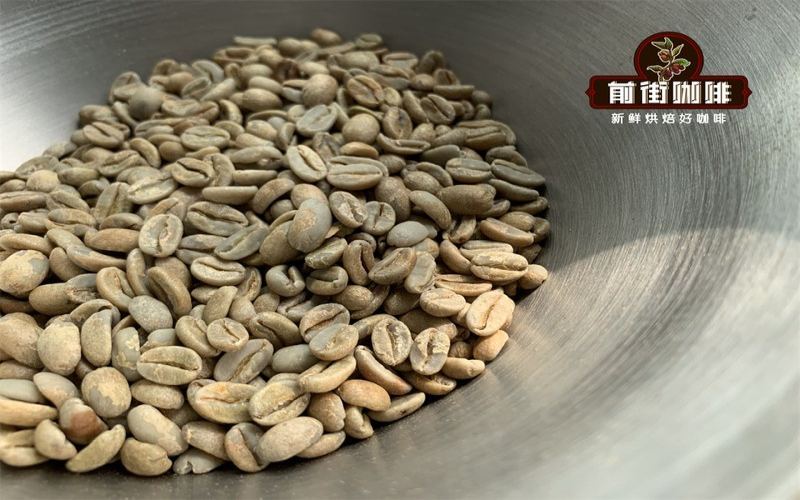
How to Determine the Peak Flavor Window of Commercial Coffee Beans? A Flavor Timeline from Degassing and Resting to Opening the Bag and Sealing It
The flavor profile of commercial coffee beans evolves continuously over time; the moment they finish roasting is not when they immediately reach their ideal flavor. After being heated, the interior of the bean traps a large amount of carbon dioxide, and this gas continues to be released outward over the first few days. Understanding the degassing and maturation process helps us more calmly plan each [more…]
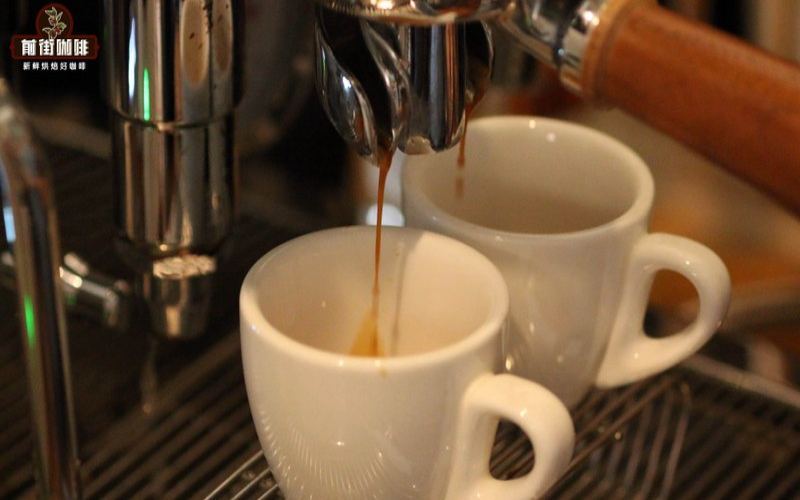
The Flavor Window and Drinking Rhythm of Yirgacheffe SOE
Yirgacheffe SOE is often expected to have a bright aroma, but a bag of beans will undergo continuous changes in flavor from the moment it is roasted to the moment it is tasted. Freshly roasted coffee contains more carbon dioxide, and the aroma is easily held up by the gas; during extraction, there may also be sharp acidity, channeling, or excessive foam. Keep track of the purchase date, resting time, and how quickly the bag is opened. [more…]

When to Open a Bag of Coffee Beans for Your Café: The Brewing Rhythm After the Roast Date
When coffee beans have just left the roaster, the bean body will still continue to release carbon dioxide. At this point, opening the bag gives a very strong aroma, but that does not mean it immediately reaches the ideal state for brewing; too much gas can make espresso flow fluctuate, and can also cause pour-over blooming to expand too quickly. When choosing beans for a shop, what matters is not "the closer to the roast date the better," but how it [more…]

The Flavor Window of Sweet Fruity Pour-Over Beans: From Degassing and Resting to a Drinking Rhythm That Locks In Juiciness
Freshly roasted coffee beans are filled with carbon dioxide inside. This layer of gas hinders water from smoothly penetrating the coffee grounds, making it difficult for aromatic compounds to be fully released during extraction. To taste a bright, light fruity note and full sweetness, the beans need a period of gentle degassing, allowing the internal structure and vol [more…]

How long can coffee beans be stored frozen? Should they be thawed? Front Street's hands-on test reveals the right way
Freshness is the foundation of good-tasting coffee, but faced with Front Street Coffee's "30% off for 2 items, 50% off for 3 items" promotion, it's hard not to buy a few extra bags. As a result, questions keep pouring in about whether coffee beans can be frozen, how long they can be frozen, and whether they need to be thawed after taking them out. Starting from Front Street Coffee's actual testing, this article first clarifies the difference between freezing and refrigeration, then explains the impact of freezing on flavor, and finally offers specific operational advice such as freezing after resting, sealed portioning, and whether to thaw. If you also want to keep your stockpiled beans as tasty as possible, this article is worth reading to the end. [more…]
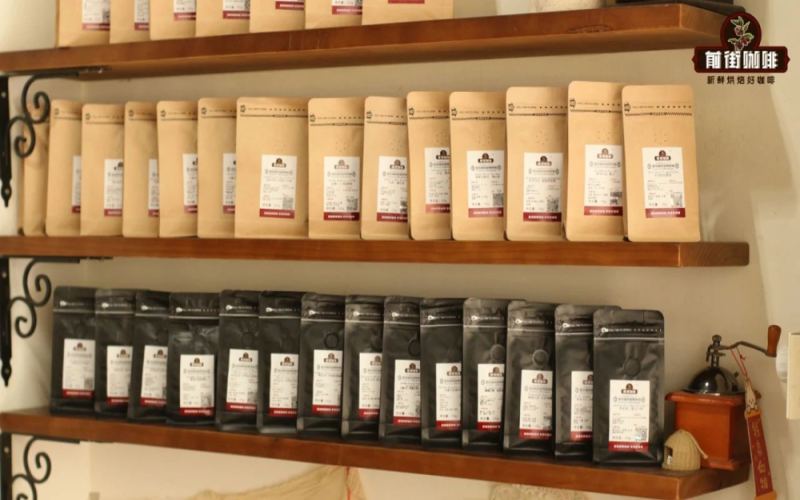
A Detailed Guide to Coffee Bean Resting and Optimal Flavor Periods: How Roast Level Affects Degassing Time and Storage Tips
Many coffee enthusiasts pay attention to the roast date when buying coffee beans, believing that the fresher the better. But in fact, freshly roasted coffee beans need a period of "resting" to allow the internal carbon dioxide to fully release before they reach their flavor peak. This article will explain in detail the principles of resting beans, the resting time required for different roast levels, emergency brewing methods for beans that haven't rested properly, and the correct storage methods. At the same time, using Front Street Coffee beans as an example, we provide specific resting recommendations to help you enjoy a good cup of coffee within its optimal flavor period. [more…]

How to Choose Beans for Cold Brew Coffee? A Full Analysis of Four Popular Cold Brew Beans and Their Flavor Characteristics at Front Street Coffee
Cold brew coffee, with its clean, mellow body and unique fermented aroma, has become a favorite among many coffee lovers during hot weather. But not all coffee beans are suited to making cold brew—bean selection, grind size, Brew time, and resting time all directly affect the final flavor. This article begins with Front Street's cold brew reservation rules, explaining in detail why cold brew needs to be ordered two days in advance, why freshly brewed coffee liquid must be sealed and refrigerated to rest, and the drinking window and safe storage recommendations for cold brew. It then highlights four coffee beans that Front Street commonly uses for cold brew—Ethiopia Flower, Kenya Little Tomato, Costa Rica Strawberry Candy Geisha Blend, and Honduras Sherry—introducing each one's origin background, processing method, and cold brew flavor performance, to help readers find the beans that suit their own taste. [more…]
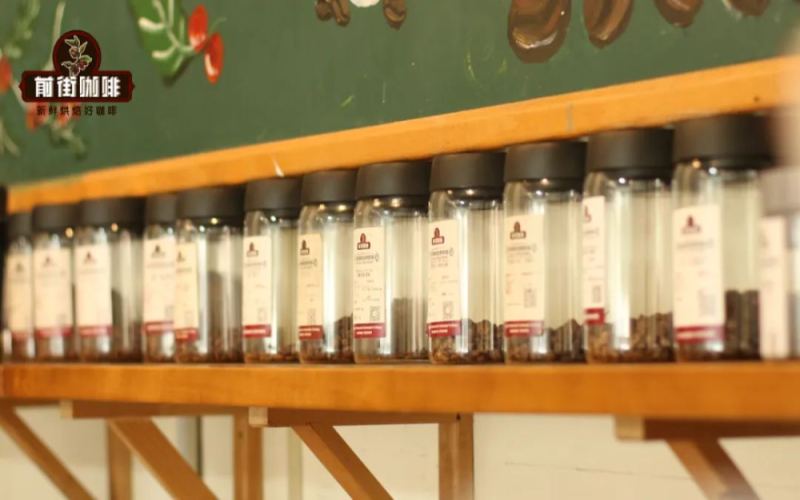
Why Do Dark Roasts Need Longer Resting? Analyzing the Impact of CO₂ Release and Oil Migration on Espresso Extraction
Many coffee enthusiasts wonder: dark-roasted beans have a loose texture, so logically the rest period should be shorter—why does it actually require more time? This article approaches the question from two angles, carbon dioxide release and oil emergence, to explain the fundamental reason why the resting period for dark-roasted espresso beans is extended. Excess carbon dioxide interferes with stable extraction on an espresso machine, affecting crema quality and troubleshooting costs; whereas medium-dark roasted beans gradually release oil during storage, which can improve crema stability and coffee body. Front Street Coffee recommends resting medium-dark roasted espresso beans for about 10 days, with darker roasts extended depending on their condition. It also reminds readers that too much oil accelerates oxidation, so attention should be paid to sealed storage and timely consumption. [more…]