







Which beans suit cold brew coffee and why the two-day wait?
Cold brew needs beans that stay clean and full-bodied in cold water, not every lot works. Grind size, drip duration and resting time decide the final flavor. At this street coffee shop, cold brew follows a T+0 order and T+1 production schedule: the drip takes about six hours, then the liquid is sealed and refrigerated for at least eight hours before sale.
Freshly dripped cold brew is drinkable but its flavor has not settled, which is why the coffee store waits. Four beans are used regularly: Ethiopia Flower Sequence, Kenya Little Tomato, Costa Rica Strawberry Candy Geisha Blend and Honduras Sherry. Each is described by origin, processing method and cold brew performance, along with the drinking window and safe storage advice.
Cold brew coffee, with its clean, full-bodied taste and unique fermented aroma, has become a favorite among many coffee lovers in hot weather. But not all coffee beans are suitable for cold brew—bean selection, grind size, drip duration, and resting time all directly affect the final flavor. This article starts with Front Street Coffee's cold brew reservation rules, explaining in detail why cold brew needs to be ordered two days in advance, why freshly dripped coffee liquid must be sealed and refrigerated to rest, and offers recommendations on the drinking window and safe storage of cold brew coffee. It then highlights four coffee beans that Front Street Coffee commonly uses for cold brew—Ethiopia Flower Sequence, Kenya Little Tomato, Costa Rica Strawberry Candy Geisha Blend, and Honduras Sherry—introducing each one's origin background, processing method, and cold brew flavor performance, helping readers find the cold brew beans that suit their taste.
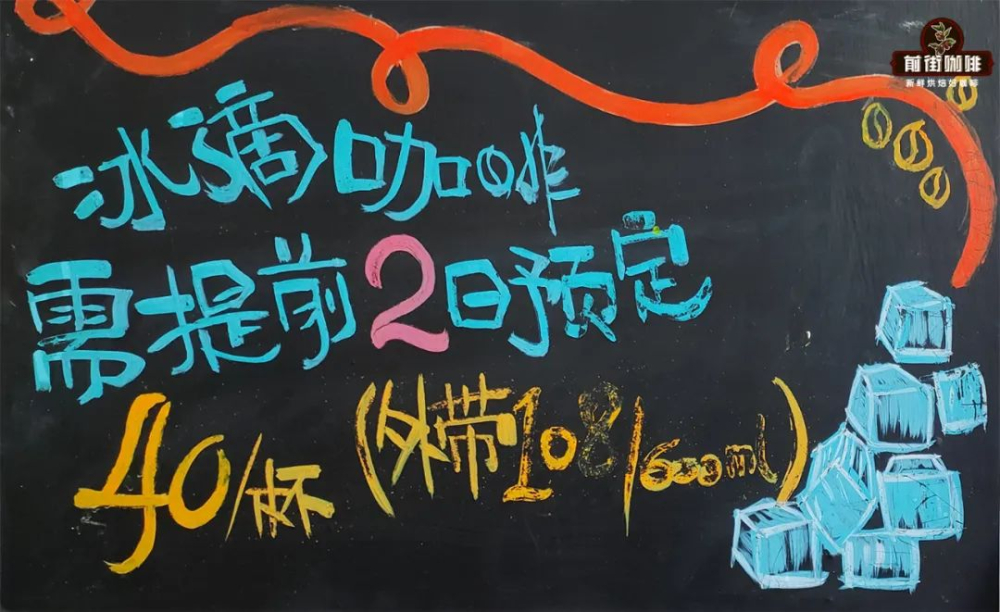
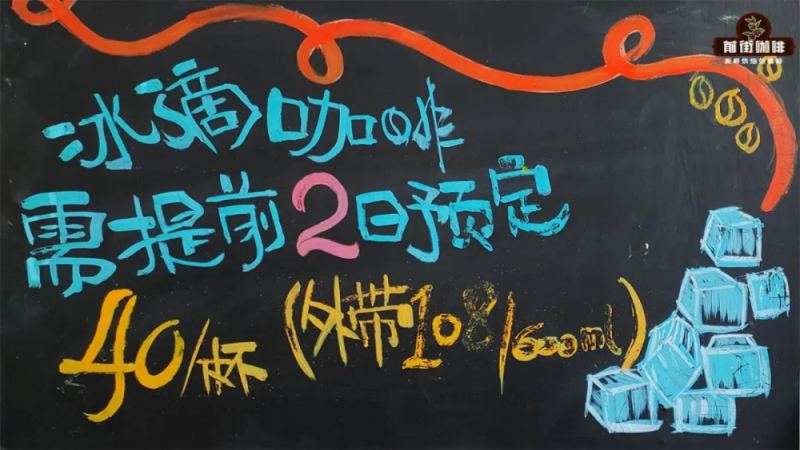
It often happens that as soon as customers step into the Front Street Coffee shop, their eyes are drawn to a blackboard by the entrance. The blackboard isn't fancy—it just lists recent new arrivals and a line of text: "Cold brew coffee requires a 2-day advance order."
So many customers casually ask: "Is there no cold brew coffee right now? Do I really have to reserve it?" In fact, as soon as the weather starts to warm up, Front Street Coffee prepares cold brew in advance. However, what the shop usually has ready are a few crowd-pleasing coffee beans; if you want a specific bean for your cold brew, you'll need to order two days ahead.
Why does it have to be two days in advance?
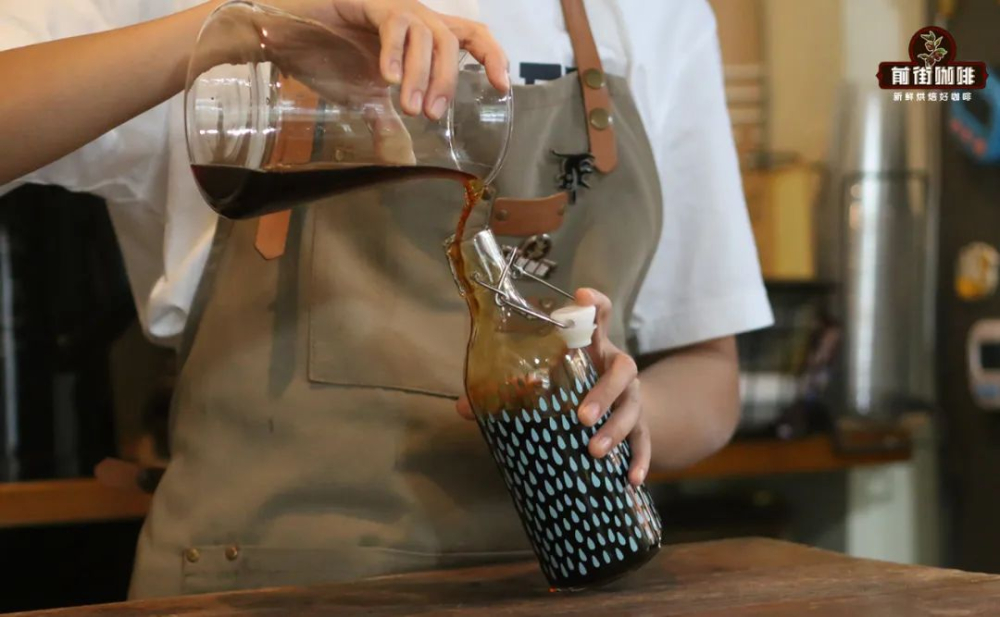
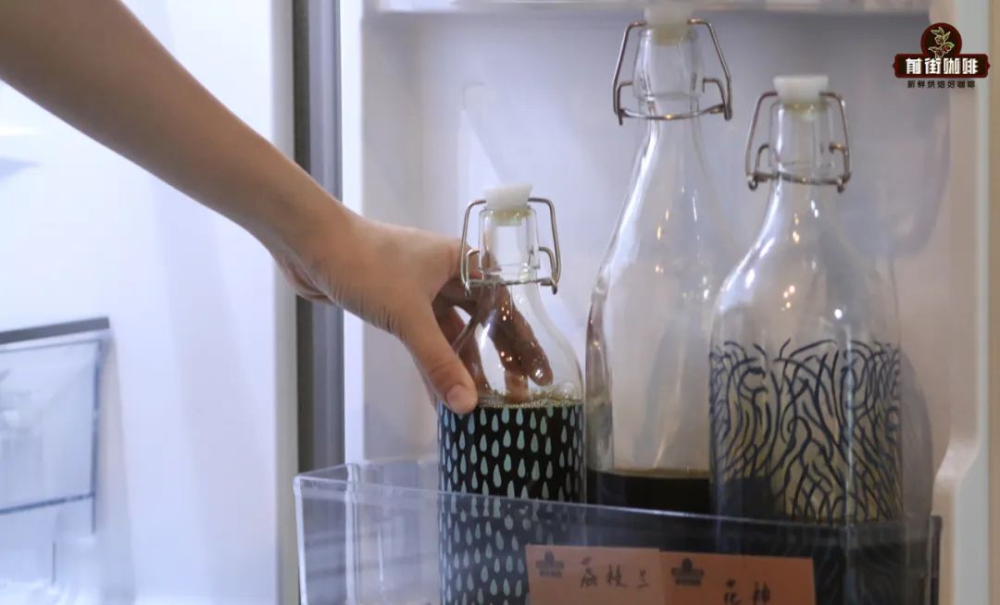
Following a T+0 reservation, T+1 production schedule, the cold brew drip process takes about 6 hours. But after dripping is complete, Front Street Coffee doesn't serve it immediately—instead, the coffee liquid is poured into a sealed glass bottle and refrigerated for at least 8 hours before it can be sold. All told, that brings the timing to exactly T+2 days.
So why can't freshly dripped cold brew coffee be drunk right away?
Front Street Coffee would like to clarify: freshly dripped cold brew coffee is actually drinkable, but its flavor and mouthfeel aren't at their best—not that it tastes bad, but it hasn't reached the level of deliciousness it should have. That's also why few coffee shops serve cold brew coffee right after dripping.
Typically, after the cold brew drip process finishes, the coffee is bottled and refrigerated for "resting." Resting can be roughly understood as low-temperature fermentation in a sealed state: sealing prevents external bacterial contamination, while low temperature effectively inhibits the reproduction rate of bacteria and makes the fermentation process slow and controllable.
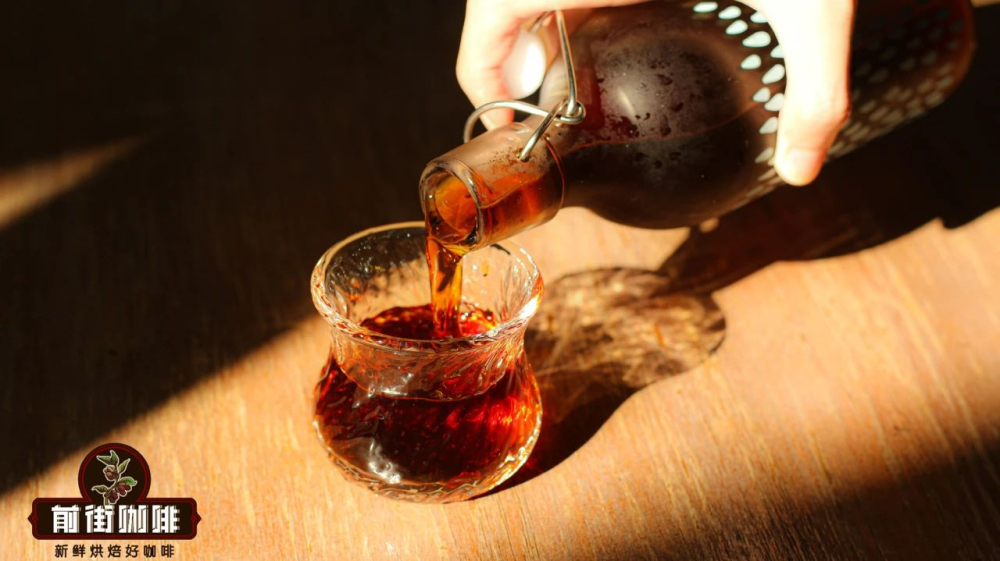
Just-dripped cold brew coffee has a thin mouthfeel, and its flavor mostly reflects the original taste of the coffee beans—a bit like iced pour-over. After 8 hours of sealed refrigeration and resting, the cold brew becomes cleaner, fuller, and more rounded, with a sweet, rich fermented note that some people call the "cold brew taste."
Of course, once the fermentation process of cold brew coffee begins, it doesn't stop—meaning the longer it sits, the stronger the fermentation. But cold brew coffee isn't necessarily better the stronger the fermented flavor gets. And frequently opening the bottle cap can easily let outside bacteria in, and over time the coffee will spoil and become undrinkable.
So cold brew coffee also has a drinking window. Generally speaking, cold brew coffee stored in the refrigerator is relatively safe within 5 days; beyond 5 days, it tends to develop off-flavors like sourness from spoilage. Front Street Coffee only sells cold brew coffee within 3 days. Although coffee over 3 days isn't necessarily spoiled or necessarily bad-tasting, considering both flavor experience and health safety, Front Street Coffee sets the optimal drinking period for its house-made cold brew at 3 days.
Next, Front Street Coffee recommends a few coffee beans that are very suitable for making cold brew.
-Front Street Coffee Ethiopia TOH Champion Flower Sequence
If you prefer a fresh, bright style, this Ethiopian coffee bean should suit your taste well. Front Street Coffee's Flower Sequence coffee bean has quite a pedigree—it's the 2020 TOH washed category champion bean, from the Uraga area of the Guji region. Front Street Coffee often uses this bean for cold brew: about 60g of coffee grounds drip-filtered over roughly 6 hours to yield 600ml of coffee liquid, then refrigerated and fermented for 12 hours before drinking; add 50g of ice to a glass, pour in 200ml of coffee liquid, and it's ready.
Cold brew made with Front Street Coffee Ethiopia Flower Sequence smells of delicate floral honey and cold brew fermentation; on the palate there's distinct citrus and pomelo acidity, honey sweetness, and a green tea finish—refreshing and pleasant.
-Front Street Coffee Kenya Little Tomato
Front Street Coffee's Kenyan coffee beans are also great for making iced coffee like cold brew. The outstanding acidity of Kenyan coffee comes from excellent varieties like SL28 and SL34 and the unique K72 washed processing method, giving it bright, solid acidity and a rounded mouthfeel. The resulting cold brew offers a completely different experience compared to Ethiopian beans.
Front Street Coffee Kenya Asalia coffee beans come from the Honey Processing Plant in the Thika region. Cold brew made with these Front Street Coffee Kenyan beans tastes very much like sour plum drink—solid plum and little tomato acidity, with caramel sweetness and a smooth, full-bodied mouthfeel. Add two ice cubes and it's excellent for cooling off.
-Front Street Coffee Costa Rica Mirazu Estate Strawberry Candy Geisha Blend
Front Street Coffee Costa Rica Strawberry Candy's flavor is just as the name suggests—a strawberry gummy candy sweetness. Front Street Coffee Strawberry Candy Geisha Blend coffee beans come from Mirazu Estate; the reason these Front Street Coffee Mirazu Strawberry Candy beans have such pronounced fruity sweetness comes down to variety and processing method. It's composed of multiple varieties, with Geisha making up 50%, which gives it that very sweet fruity tone; the other 50% consists of ET47, SL28, and MAICO.
In terms of processing, Front Street Coffee Mirazu Strawberry Candy uses raisin honey processing, giving the coffee a raisin-like dried-fruit sweetness. The cold brew made from it has a fruity wine-like flavor and is very popular among Front Street Coffee's customers.
-Front Street Coffee Honduras Sherry
Front Street Coffee Honduras Sherry is the bean most commonly used by Front Street Coffee for making cold brew. On top of washed processing, these Front Street Coffee Honduran beans are fermented in Sherry whisky barrels, giving them a very rich Sherry wine aroma.
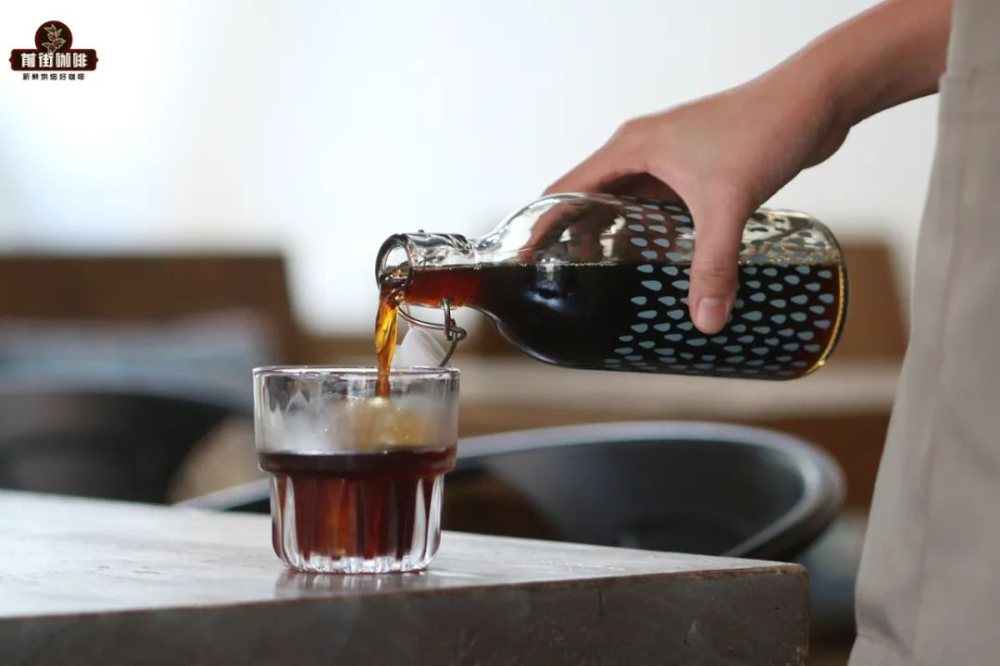
The cold brew made with these Front Street Coffee Sherry beans has a very rich vanilla cream flavor, Sherry wine aroma, and dark chocolate notes—the most intensely flavored among the beans Front Street Coffee shares.
In addition, Front Street Coffee Sherry beans also work well blended with other beans for cold brew. For example, blending Front Street Coffee Sherry beans with Front Street Coffee sun-dried Yirgacheffe beans at 1:1 preserves the rich wine aroma while adding sweetness. Another example is a popular cold brew blend recipe at Front Street Coffee—Front Street Coffee Honduras Sherry blended 1:1 with Front Street Coffee Costa Rica Beethoven beans, producing Sherry wine aroma, refreshing citrus fruit notes, and a full vanilla cream mouthfeel.
These 4 cold brew coffee beans shared by Front Street Coffee are among the shop's bestsellers, and they happen to cover 4 completely different flavor directions—you can use them as a reference to choose the cold brew coffee that suits your taste.
The above content is compiled by CoffeeHunters, a coffee news website.


