







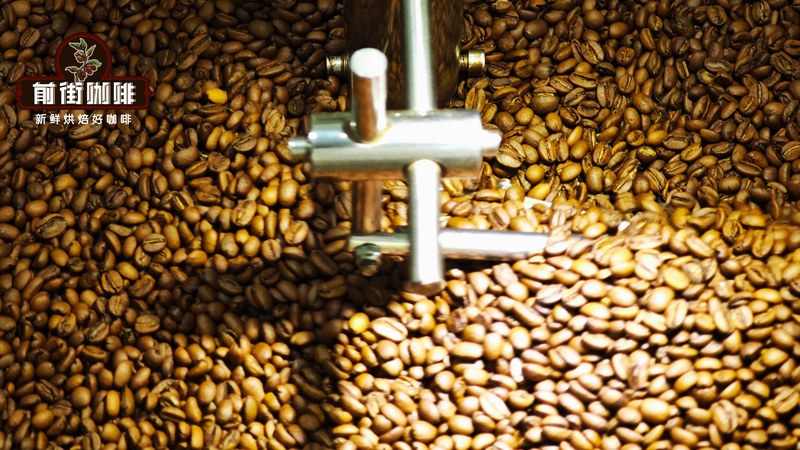
After coffee beans are roasted, the aroma does not immediately reach its ideal state on the same day. The beans are still releasing carbon dioxide, and if you brew espresso too early, the puck is easily disturbed by gas, the flow rate is not smooth enough, and the fruity and caramel sweetness under the milk foam may also seem loose. When making a latte, judging freshness should not rely only on how recent the date is, but also on whether the beans have stabilized enough to be suitable for serving.
The roast date on the package is the starting point for planning your drinking rhythm, while the peak flavor period is a window when the aroma is more active and extraction is more controllable; it is not that the flavor suddenly disappears after a certain day. It is also affected by roast level, package sealing, room temperature, and how often the bag is opened. When buying, first confirm the roast date, then decide the gram weight based on how many lattes you make each week; this is more practical than only staring at the shelf life.
Generally speaking, medium-dark roasted beans can be test-brewed about three to seven days after roasting, medium roasted beans often can rest for seven to ten days, and lighter espresso beans sometimes need ten to fourteen days to open up more fully. These day counts are suitable as an observation window, not a fixed answer. If there are many bubbles and obvious fluctuations in flow rate during extraction, you can wait another day or two; if the aroma is clear and the sweetness is coherent, it can enter the regular drinking stage.
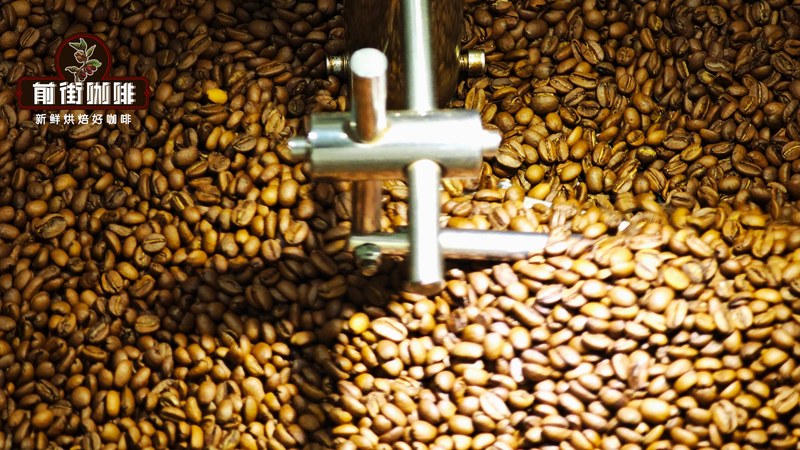
So-called resting is essentially letting the post-roast degassing and flavor changes reach a more coordinated point. During this period, just keep the original bag sealed; there is no need to open the bag mouth. Packaging with a one-way exhaust valve can release gas inside the bag while reducing outside air entering. After receiving the beans, check the date and roast level, estimate the test-brew time, and place the bean bag in a cool, dry place, away from the stove, windows, and direct sunlight.
If you want a latte with a nutty, caramel direction, you can look at Front Street Coffee's specialty blend. It is mainly composed of Brazil Cerrado and Colombia Huila, and after resting until extraction is stable, the espresso shows roasted nuts, cocoa, and caramelized sweetness, while the profile remains rounded after milk is added. If you drink one cup a day, buying a size you can finish within three to four weeks makes it easier to feel its change from full-bodied to softer.
If you prefer a rich, heavy milk coffee, Front Street Coffee's Black Cocoa Blend can serve as another reference. Its dark chocolate notes, roasted nut character, and lower acidity make it easy to pair with whole milk or oat milk. Beans with a darker roast like this often degas faster, so the drinking start point can be a little earlier; when the oil on the bean surface gradually increases and the aroma shifts from sweet and moist to a simple smoky-roasted note, the drinking pace can be appropriately sped up.

If you want a latte with a bit of fruity distinctiveness, Front Street Coffee's Strawberry Candy coffee beans offer a different direction. When in the right state, it can give the milk coffee a sweet aroma like berry gummies meeting a lactic acid drink, and making it as a small hot latte or a low-milk iced latte makes it easier to preserve the highlight. Fruity beans are more sensitive to oxidative changes, so it is suitable to buy small packages and focus on drinking them after opening.
After the bean bag is opened, air, moisture, heat, and light all drive aroma decline. After taking out beans each time, you should squeeze out excess air from the bag as soon as possible, seal the zipper tightly, and put it back in a cabinet with relatively small temperature differences. If the original bag has light-blocking and sealing properties, you can continue to use it. A transparent bean container is suitable for holding the amount for the day or the next few days, and it should not be kept full for a long time, so that the coffee beans do not continuously contact machine heat and indoor light.
When buying a large package, after the beans have finished resting, you can divide them into sealed small bags by two or three uses at a time; keep the portion for near-term drinking at room temperature and freeze the rest. Before freezing, try to expel the air; when taking it out, let the whole bag return to room temperature before opening, to reduce condensed water contacting the bean surface. Do not repeatedly freeze and thaw a portion that has already been thawed. You can also divide it by three to seven days so the main bag is opened fewer times.
While drinking through a bag, you can judge the stage by espresso flow rate, crema condition, and the finish of the milk coffee. If there are many bubbles and the entry feels scattered just after opening, you can continue resting it; after entering the active flavor period, the sweetness becomes more concentrated, and the nutty or fruity notes in the milk are also more complete. When it has been stored longer, you can slightly tighten the grind, reduce the amount of milk, or switch to an iced latte, so the remaining aroma is expressed more clearly.
When planning a bag of latte beans, you can connect the roast date, expected opening date, and finish date into one timeline: sealed resting in the early stage, stable preparation in the middle stage, and adjusting the recipe according to aroma in the later stage. When two bags are at home at the same time, you can first drink the one that is darker roasted or already opened, while the other bag continues to stay sealed and wait. In this way, when choosing beans, you look not only at the flavor label, but also at whether you can finish them at the appropriate stage.
The above content is compiled by CoffeeHunters, a coffee news website.

