







Search Results for: SHG grading
A Complete Analysis of Honduras Coffee Region Classifications: The Six Major Regions and Detailed Explanation of SHG and EP Grade Standards
Honduras, through continuous investment in green bean processing and transportation in recent years, has risen to become the second-largest coffee exporter in Central America and the tenth-largest globally, harvesting approximately three million bags of coffee beans each year. Front Street Coffee's Honduran coffees cover six major regions: Copán, Opalaca, Montecillos, Comayagua, Tropical Acata, and El Paraíso, with an average cultivation altitude exceeding 1,100 meters. This article will systematically introduce the origin distribution, variety composition, export markets, and the two major quality grading standards, SHG and EP, of Honduran coffee, helping coffee enthusiasts gain a comprehensive understanding of the unique charm of this emerging Central American origin. [more…]
A Detailed Explanation of El Salvador Coffee Grading SHG Standards: Origin History, Flavor Characteristics, and Front Street Coffee Roasting and Brewing Practices
Although El Salvador is a small country in terms of land area, it occupies an important place in the specialty coffee landscape of Central and South America thanks to its volcanic-rich soil and mild climate. Starting from its historical development, this article traces how coffee replaced indigo as the country's economic pillar, and details the impact and reconstruction of the industry brought by events such as the civil war, land reform, and leaf rust. It also systematically introduces the three-tier elevation grading system of SHG, HG, and CS, the flavor differences among the nine major producing regions, and the characteristics of the four major varieties: Typica, Bourbon, Pacas, and Pacamara. Front Street Coffee further uses two beans, Lemus Estate and Chocolate Lover Estate, as examples to share roasting approaches and V60 brewing parameters, helping readers gain a comprehensive understanding of the unique charm of Salvadoran coffee. [more…]
Is Honduran coffee good? A comprehensive analysis of producing regions, grading, varieties, and balanced flavor
Honduras is a mountainous country in northern Central America and one of the world's top ten coffee exporters, harvesting about three million bags of coffee each year. Its coffee originated from El Salvador and only truly rose to prominence after the Brazilian frost of 1975. Honduras has six major coffee-producing regions, with cultivation mostly at altitudes above 1,100 meters. Arabica is the dominant variety, graded into HG High Grown, SHG Strictly High Grown, and CS. Its overall flavor is known for balance, with neither acidity nor bitterness being too assertive. It has a medium-to-light acidity, along with slight bitterness and a distinct sweet aftertaste, occasionally showing floral or fruity notes. Front Street Coffee's espresso blend uses 70% Front Street Honduras Sherry coffee beans, which perform well both in espresso and as a single-origin brew. [more…]
Front Street Bean Hunters' Notes: A Complete Analysis of the Flavor and Roasting of Nicaragua Los Congos Estate Villa Sarchi Natural Coffee
Although Nicaragua is not as well-known as other Central American countries, it possesses high-altitude shade-growing conditions and fertile volcanic soil that are no less impressive. The Villa Sacchi natural bean from Los Congos Estate, sourced this time by Front Street Coffee, comes from the Nueva Segovia region, at an altitude of 1,350 to 1,650 meters, SHG grade. The estate insists on self-sufficiency and organic cultivation, and its Pacamara once won runner-up in the COE. This Bourbon varietal bean, after natural processing, presents intertwined flavors of floral notes, citrus, berries, cream, and peanut, with a full and balanced mouthfeel. Front Street Coffee's roaster adopted a lower bean-charging temperature with a medium flame that gradually decreases, developing for 1 minute and 50 seconds after first crack, and dropping at 195°C, performing excellently in both cupping and pour-over. [more…]
Nicaragua Finca La Providencia Caramel-Flavored Coffee Beans: A Full Analysis of the Growing Region, Processing Methods, and Flavor Characteristics
Nicaraguan coffee is known for its deep chocolate, caramel sweetness, and almond notes, with a bright yet soft acidity that is quite different from the typical high-toned fruity acidity of Central America. This article focuses on the COE award-winning bean from Finca El Cielo, outlining the unique volcanic soil and shade-growing conditions of the Dipilto region, analyzing the rich hazelnut-chocolate sweetness, tea-like body, grapefruit, and creamy flavors brought by the washed-then-natural processing method, and explaining its SHG grade, hand-picking, and suitability for medium roasting. At the end, it includes Front Street Coffee's reasons for recommending this bean, making it suitable for coffee lovers who dislike strong acidity and seek lasting sweetness and layered complexity. [more…]
Nicaragua Finca La Tormenta Natural Maragogype: Variety Origins, Growing Region Characteristics, and Pour-Over Flavor Analysis
The Maragogype Natural from Nicaragua's Finca La Tormenta is a giant bean variety that has attracted much attention in the specialty coffee world. Starting from a practical pour-over plan, this article provides specific parameters: 15g of coffee, medium grind, 88-89°C water temperature, 1:15 coffee-to-water ratio, and a 2-minute extraction. It also sorts out the botanical origins of Maragogype—originating from Maragogipe County in Bahia, Brazil, established as a classification in 1870, belonging to an Arabica-derived hybrid, with beans reaching more than three times the size of ordinary coffee beans. The article also introduces the distribution of Nicaragua's four major producing regions, the SHG highest grade of the Segovia region, and the body and fragrance brought by volcanic fertile soil and shade growing, and explains in detail the pineapple, winey, stone fruit, caramel, and roasted nut flavor layers of this natural bean from Finca La Tormenta, as well as Front Street Coffee's roasting and product information. [more…]

A Complete Guide to Honduran Coffee: Six Major Regions, Grading System, Bean Characteristics, and Front Street Coffee's Top Picks
Honduras is the largest coffee-producing country in Central America and a major global exporter of washed Arabica beans. Coffee here is known for its exotic spice-like aromas, rich nutty and chocolatey finish, and balanced complexity. Since its introduction in the late 18th century, Honduran coffee has gone through a tortuous journey from lagging behind to rising, and today it has six major regions including Copán and Opalaca, as well as a strict grading system based on altitude and defect rate. This article will give you a comprehensive understanding of Honduras coffee's geographical conditions, development history, regional distribution, processing methods, and main varieties, and introduce specialty coffee beans selected by Front Street Coffee, such as Sweet Orange Estate, Mocha Estate Sherry, and Lychee Orchid. [more…]
A Complete Analysis of Honduran Coffee Bean Origins and Flavors: From Geographical Conditions to Six Major Regions, Varieties, and Processing
Honduras is the largest coffee-producing country in Central America and an important global supplier of washed Arabica beans. This article will systematically introduce the flavor characteristics of Honduran coffee beans and the reasons for their popularity from the perspectives of geography, historical development, the grading system, the six major producing regions, varietal characteristics, and processing methods. Through field investigations and repeated cupping, Front Street Coffee has listed a number of Honduran beans with diverse styles, covering producing regions such as Copán, El Paraíso, and Marcala, featuring both the clean fruit acidity of washed beans and the unique wine aroma of barrel-fermented beans, offering coffee enthusiasts a rich variety of choices. [more…]
A Complete Guide to Honduran Coffee Regions: Six Major Origins, Grading System, and Flavor Characteristics
Although Honduras entered the coffee industry relatively late, it quickly rose to prominence thanks to its superior geographical conditions and microclimates, becoming the largest coffee producer in Central America and a major global producer of Arabica. This article systematically reviews the historical development, growing environment, and grading standards of Honduran coffee, and provides detailed explanations of six major producing regions: Copán, Opalaca, Montecillos, Comayagua, Agalta, and El Paraíso. It also includes Front Street Coffee's on-location photos, roasting curves, and brewing suggestions, giving you a comprehensive understanding of the unique charm of this rising star of Central American coffee. [more…]
A Complete Guide to Honduras's Six Major Coffee Regions: Flavor Profiles, Grading System, and Origin Stories
Honduras is located in northern Central America. Although its coffee industry started relatively late, it has risen rapidly thanks to its excellent natural conditions and has become an important global producer of Arabica coffee. This article will systematically review Honduras's coffee development history, geographical advantages, and grading system, and introduce one by one the six major producing regions of Copán, Opalaca, Montecillos, Comayagua, Agalta, and El Paraíso. At the same time, it will also present Front Street Coffee's bean selection and brewing practices in Honduras, helping coffee lovers gain a comprehensive understanding of the unique charm of this Central American coffee newcomer. [more…]

Overview of El Salvador's Six Major Specialty Coffee Regions: Bean Varieties, Flavor Characteristics, Grading Standards, and Brewing Notes from Representative Estates
Although El Salvador is a small country, it was once the fourth-largest coffee producer in the world. The civil war once left the industry in decline, and although it has gradually recovered today, production has struggled to return to its former peak. After recently cupping several Salvadoran coffees, Front Street found that regardless of which producing region they come from, a delicate and soft acidity along with a sweet, balanced mouthfeel are always common characteristics of the country's coffee. This article reviews the geographical and flavor differences of six specialty producing regions, explains the SHG and CS grading system based on altitude, and records the roasting, cupping, and brewing performance of the Bourbon from Chocolate Lover Estate and the Black Honey Pacamara from Posido Estate that Front Street acquired, for the reference of coffee enthusiasts. [more…]
Key Points for Brewing Honduran Pour-Over Coffee and a Detailed Guide to Washed Beans from San Juan and Other Regions
Although Honduras is a latecomer to the Central American coffee industry, it has risen rapidly thanks to its production advantages and distinctive flavors. This article systematically reviews the characteristics of Honduran washed coffee beans, from producing regions and grading to specific brewing parameters. Using several Honduran beans as examples, Front Street Coffee shares a complete practical approach from roasting curves to staged extraction, helping coffee enthusiasts master the key points of pour-over Honduran coffee and presenting its balanced expression of floral and fruity notes with nutty and chocolate tones. [more…]
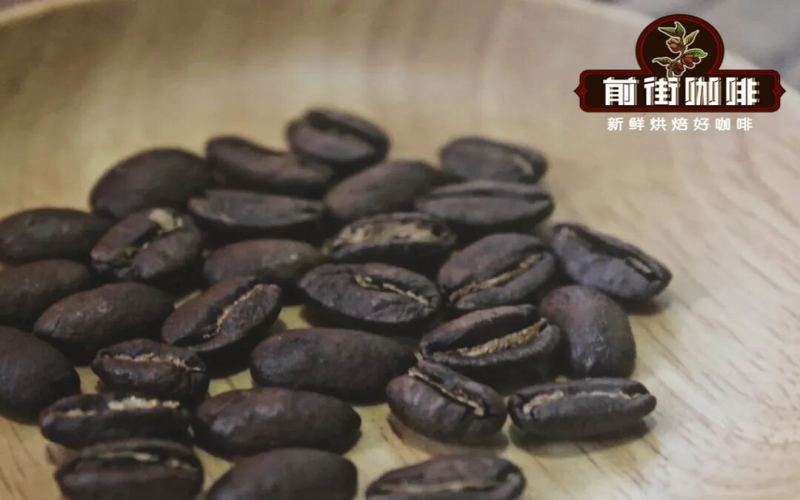
Honduras Coffee Beans | What Coffee Regions Are There in Honduras? What Flavor Characteristics Do Honduran Coffees Have?
Honduran coffee beans were not initially favored by the general public. While the coffees of neighboring Guatemala and El Salvador were making a name for themselves, Honduran coffee farmers were still struggling to survive. Honduras is located in northern Central America, bordered by the Caribbean Sea to the north and the Gulf of Fonseca on the Pacific Ocean to the south, and shares its eastern and southern borders with Nicaragua and [more…]
Analysis of Coffee Bean Quality Evaluation and Grading Systems Across Countries: The Three Major Criteria of Altitude, Screen Size, and Defect Rate
When two café owners ask each other about the grade of beans they use, what lies behind the question is a complex set of international coffee grading logic. Brazil's defect-score system, Central America's altitude standards, East Africa's screen sizes—each producing country has developed a completely different quality evaluation system based on its own national conditions. This article will systematically sort out three mainstream grading methods: by origin altitude, by green bean screen size, and by a composite evaluation method combining screen size and defective bean ratio, and will explain in detail Brazil's unique three-tier grading system and its strict cupper culture. Whether you are a newly initiated enthusiast or a seasoned professional, understanding these standards can help you judge coffee quality more accurately and also provide a reference for everyday purchasing. [more…]
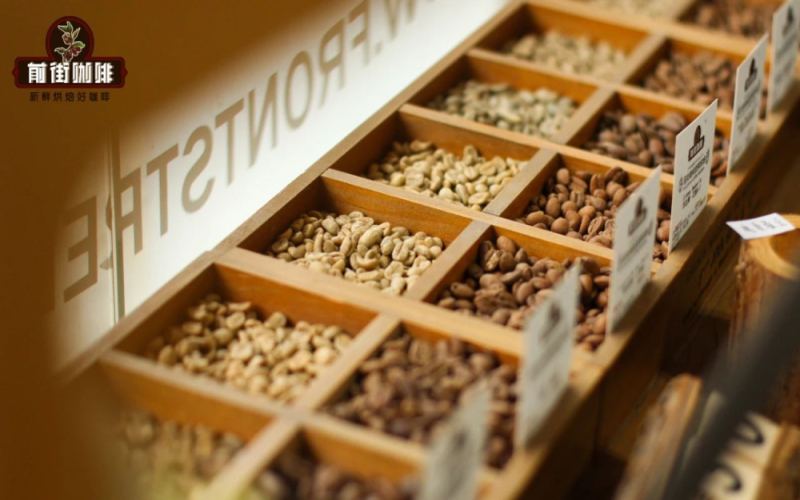
The Past and Present of Honduras Sweet Orange Estate Catuai Coffee Beans and a Pour-Over Flavor Analysis
Honduras, as a Central American coffee producer that has risen to prominence, is known for its coffee's floral and fruity aromas and soft juicy notes, along with exotic spicy hints and a rich, nutty-chocolate finish. This article starts with Honduras's geographical conditions and coffee development history, systematically outlining its altitude classification and defect grading standards, detailing the flavor characteristics of its six major producing regions, and highlighting the Catuai coffee beans from the Sweet Orange Estate in the La Paz region. Front Street Coffee will share this bean's roasting curve, cupping performance, and pour-over parameters, providing coffee enthusiasts with a complete brewing reference. [more…]
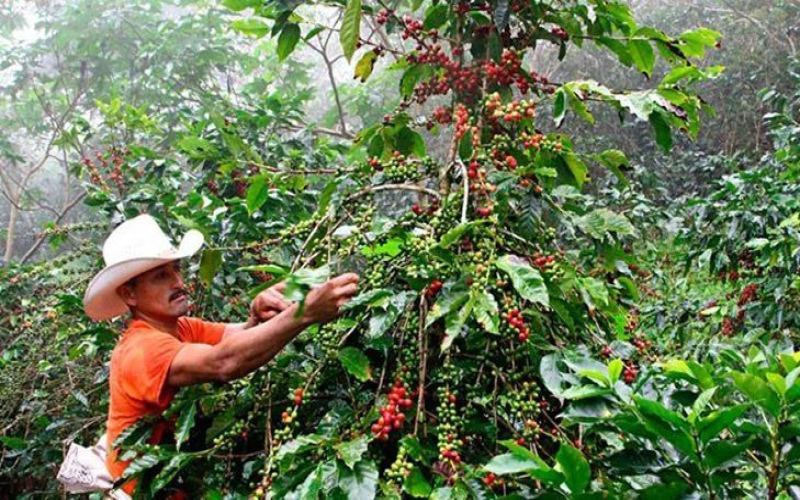
The Rise of the Honduran Coffee Industry and a Complete Guide to Front Street Honduran Coffee Beans: Pour-Over Parameters, Water Temperature, and Ratios
Honduras is an important coffee-producing country in Central America. Although it started late, it caught up quickly: by 2011 its output had surpassed Guatemala's, and today it ranks firmly among the world's top ten coffee producers. This article will provide a comprehensive overview of Honduran coffee from the perspectives of its historical development, producing regions, variety characteristics, grading standards, and processing methods. It will also combine the practical brewing experience of several Honduran coffee beans from Front Street Coffee to share pour-over parameters and water-temperature ratios in detail. Whether you want to understand the regional flavors of Honduran coffee or are looking for practical pour-over solutions, this article can provide valuable reference. [more…]
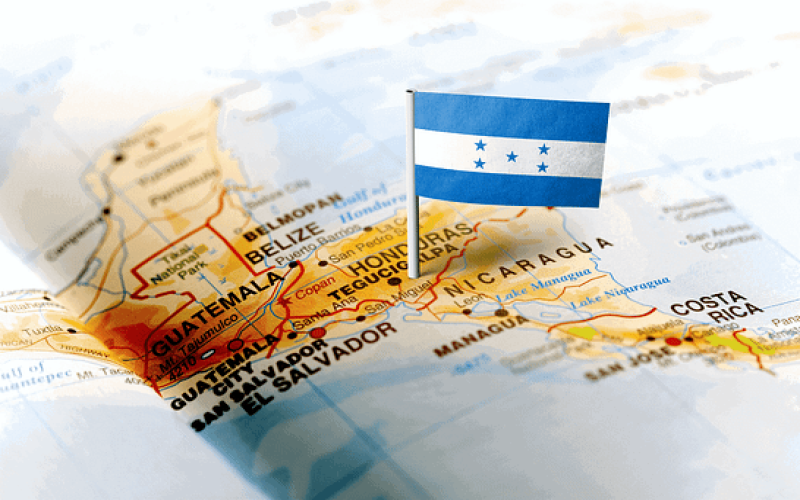
A Complete Guide to Honduran Coffee Origins: Flavor Characteristics, Grading System, and Main Producing Regions
Honduras is now one of the most important coffee-producing countries in the world, but just a few decades ago, its coffee industry lagged far behind its neighboring countries. From the perspective of Front Street Coffee, this article systematically reviews the development history, flavor characteristics, grading standards, and six core producing regions of Honduran coffee, and includes Front Street's roasting and brewing practice notes on several Honduran beans. Whether you want to understand the overall picture of Honduran coffee or are looking for flavor clues for a specific producing region, this article can provide valuable reference. [more…]
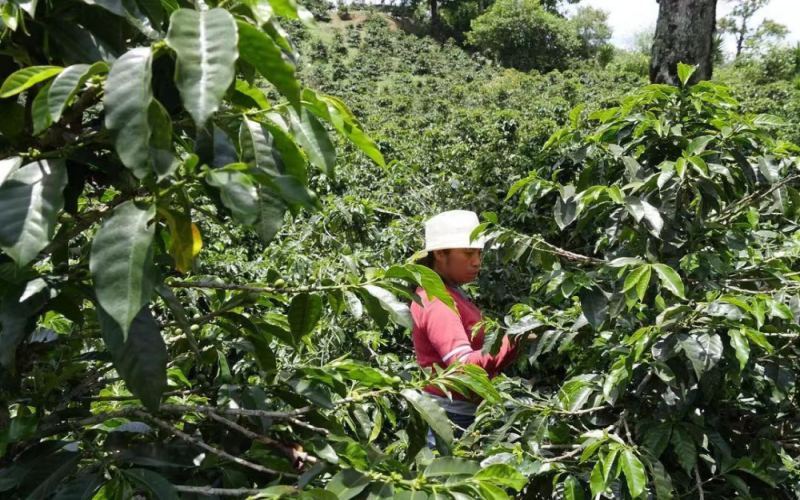
A Detailed Guide to Honduran Coffee Origins and Processing Methods, with Pour-Over Parameters for El Laurel Estate Washed Parainema
Honduras is the largest coffee producer in Central America and a globally important supplier of washed Arabica beans. From the perspective of Front Street Coffee, this article systematically reviews the origin history, washed processing procedures, varieties, and grading system of Honduran coffee, and focuses on sharing the roasting curves, cupping performance, and pour-over extraction parameters of two beans: Sweet Orange Estate and Laurel Estate. Among them, the flavor layers and grind size adjustment approach of the washed Parainema variety from Laurel Estate are the core highlights of this article, making it suitable for enthusiasts who want to gain a deeper understanding of the flavor sources and brewing details of Honduran coffee. [more…]
Panama Coffee Beans Flavor and Origin Geography Explained: SHB Grade Classification Standards
Panama is located on the Central American isthmus, where its unique geographical position and microclimates give rise to high-quality coffee with pure flavors and balanced acidity. This article will introduce Panama's coffee-growing environment, flavor characteristics, and export patterns, with a focus on explaining coffee bean grading standards such as SHB (Strictly Hard Bean), helping coffee enthusiasts understand this country famed for its specialty beans. At the same time, Front Street Coffee will also include related product recommendations in the article for shopping reference. [more…]

Introduction to Nicaraguan coffee growing areas and coffee grading.
The American region happens to be in the coffee growing zone, so there are many well-known coffee growing countries in the Americas, such as Panama, Honduras, Costa Rica, Nicaragua, etc. Although Nicaragua is not as well-known as Costa Rica and Panam [more…]