







Search Results for: SCA Rules
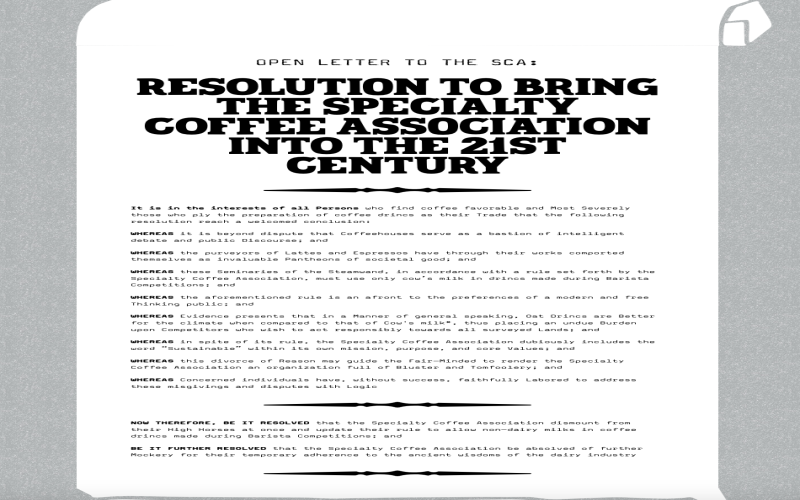
Oat milk brand Oatly blasts SCA competition rules as outdated, but netizens push back en masse: milk is king
Oatly, the oat milk brand, has once again taken aim at the Specialty Coffee Association (SCA), publicly questioning that the World Barista Championship (WBC) rule allowing only cow's milk is outdated. Oatly published an open letter on its official website, emphasizing that oat milk is more environmentally friendly and more favored by consumers, and demanding that the SCA immediately revise the rules. However, this move did not win support from netizens; instead, it triggered a large number of rebuttals. This article will walk you through the ins and outs of the incident, along with Front Street Coffee's professional perspective. Whether you are a coffee professional or an enthusiast, this debate about plant milk versus cow's milk is worth paying attention to. [more…]

A Must-Read for Coffee Enthusiasts: A Review of "Coffee Wars" and an Analysis of the WBC Plant Milk Rule Change
In recent years, coffee-themed films and television works have gradually increased, but "Coffee Wars" takes a unique perspective—focusing on the situation of vegetarians and plant-based milk in coffee competitions. The film tells the story of Jo, a highly skilled vegan barista whose business is struggling because the shop only offers plant-based milk, yet she resolutely leads her team into the finals of the World Coffee Championship, attempting to prove that plant-based milk can also create outstanding coffee. At the same time, in reality, the Specialty Coffee Association (SCA) also revised the WBC rules at the end of 2022 to allow plant-based milk to compete, a change that coincides with the film's theme. This article will guide you through the film's highlights, the evolution of WBC rules, and Front Street Coffee's continued attention to specialty coffee culture. [more…]
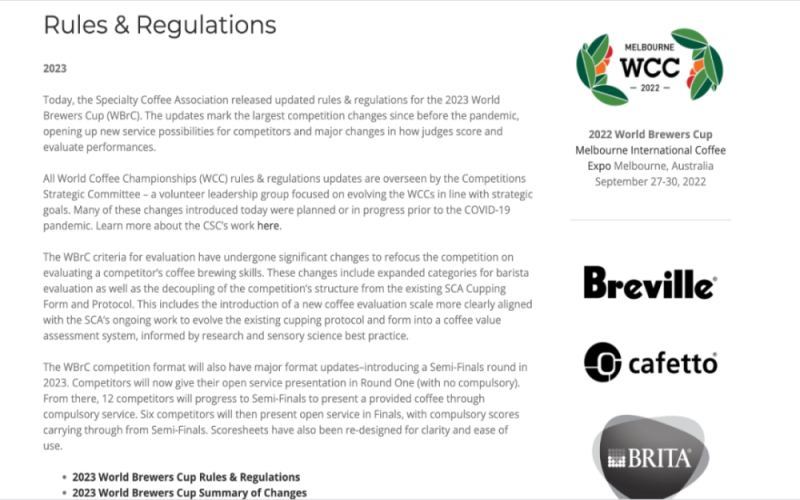
In 2023, the WBC rules underwent a major adjustment: plant-based milk and other animal milks are permitted for use in the Barista Championship.
The Specialty Coffee Association announced on December 22 the new rules for the 2023 World Barista Championship (WBC), World Brewers Cup (WBrC), World Cup Tasters Championship, and Cezve/Ibrik Championship. Among them, the most notable change in the WBC is allowing competitors to use plant-based milk or other animal milks to make milk coffee, breaking the long-standing restriction of using only cow's milk. The WBrC adjusted its evaluation criteria, refocusing on competitors' brewing skills and introducing a new coffee evaluation scale and a semifinal format. This series of changes has sparked widespread discussion in the industry, with some supporting the increased inclusivity and others worried about scoring fairness. This article will outline the specific contents of each rule update and the reactions from all parties. [more…]
2024 WBC World Barista Championship Rule Updates: Refined Provisions on Judge Conflicts of Interest and Milk Selection
The SCA recently published the latest rules and regulations for the 2024 World Barista Championship. Overall, the changes are not extensive; they mainly focus on further clarifying the wording regarding the judging process, conflict-of-interest declarations, and milk selection, while also adjusting the method for evaluating the tactile assessment of espresso. For coffee professionals and enthusiasts who follow the direction of the competition, these detailed changes may directly affect competitors' preparation strategies and judges' officiating standards. This article will sort through the key points of the rule changes one by one to help readers quickly grasp the key adjustment directions of this year's WBC. [more…]
A Comprehensive Analysis of the Specialty Coffee Scoring System: COE and SCA Cupping Protocols, Scoring Rules, and Grading Standards
Whether a cup of coffee can be crowned with the name "specialty" is by no means decided by cupping alone. From the origin of the green beans, screening and processing, to roasting and brewing, every stage requires careful control, so that the flavor in the cup ultimately presented can reflect the characteristics and cultural heritage of the producing country. This article will systematically sort out the two major cupping scoring systems, COE and SCA, and break down one by one the points to note for each scoring element, including cleanliness, sweetness, acidity, body, flavor, aftertaste, and balance, as well as explain in detail the defect scoring rules and grading standards. Front Street will also draw on years of quality control experience to help you use evaluation grades as a reliable reference for judging specialty coffee when purchasing coffee. [more…]

Is It Worth Getting a Barista Certification? A Full Breakdown of the Differences Between SCA Certification and Q-Grader Qualification
Does working in the coffee industry really require obtaining a certification? This is a question that many coffee professionals and enthusiasts have pondered repeatedly. In recent years, China's coffee market has grown rapidly, with all kinds of training institutions springing up endlessly, and huge disparities in qualifications and fees, leading many people to waste their money. This article focuses on two paths—the SCA Barista certification and the Q-Grader coffee quality grader certification—sorting out their level systems, exam rules, fee ranges, and suitable audiences, to help readers judge whether certification fits their own career plans, while also discussing the practical value of certificates and the importance of subsequent self-improvement. [more…]
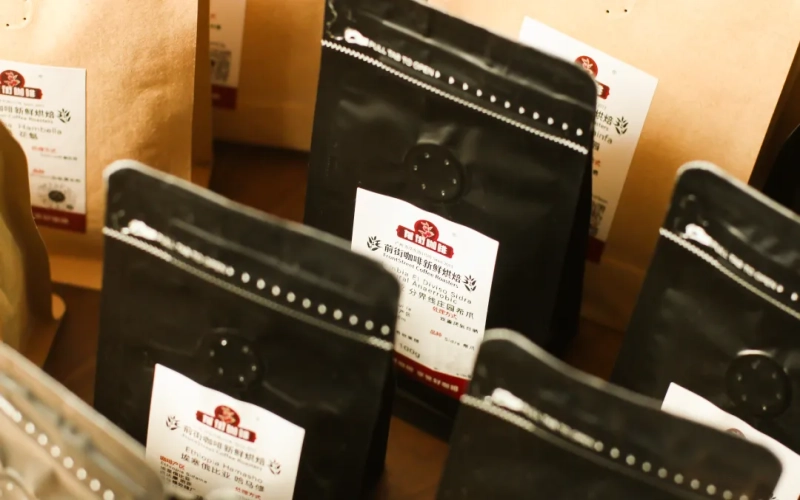
Washed Yirgacheffe Full Guide: Regional Grading, G1 vs G2 Flavor Comparison, and Pour-Over Parameter Recommendations
While novel processing methods like anaerobic and barrel fermentation dominate the spotlight, washed Yirgacheffe still firmly holds its place as a classic thanks to its clean and bright cup profile. This article will guide you through the Yirgacheffe growing region and Ethiopia's three major cultivation systems, break down the complete steps of the washed processing method and the ECX grading rules, and compare Front Street Coffee's washed Yirgacheffe G1 and G2 in terms of green bean appearance, roasting curves, and cupping flavors. At the end, we've included Front Street's pour-over parameter recommendations and measured results at different water temperatures to help you brew a cup of Yirgacheffe with bright fruit acidity and overflowing floral aromas. [more…]
Barista Essentials: A Complete Guide to COE and SCAA Cupping Scoring Standards, from Clean Cup to Overall
If you want to become a professional barista, cupping is a core skill you can't avoid. This article systematically sorts out the scoring standards of the two major cupping systems, COE and SCAA, analyzing the scoring points and deduction rules one by one, from aroma, cleanliness, sweetness, acidity, mouthfeel, flavor, aftertaste to balance. It also explains in detail the tools needed for cupping, the coffee-to-water ratio, and the operating process, and uses [Front Street Golden Mandheling] as an example to compare the cupping performance of three roasting curves. Whether you are a coffee enthusiast or a practitioner, you can learn from it the scientific method of judging coffee quality and understand the true meaning of COE competition level. [more…]
Major Reform of the SCA Coffee Certification System: Credit-Based "Black Certificates" to Be Discontinued, New Skills Certificates Require Comprehensive Learning
The Specialty Coffee Association (SCA) recently announced that it will launch a brand-new SCA skills certificate system, gradually replacing the current SCA coffee certificates. The application deadline for the current Black Certificate (100-point certificate) is December 31, 2023, and the new certification will be fully implemented starting in 2024. The new system is divided into four major certification tracks, each requiring completion of three foundational courses—Coffee Skills, Sustainability, and Technology—before advancing to the corresponding higher-level study, completely abandoning the credit system. For professionals currently preparing for or planning to obtain the old Black Certificate, this year is the final window of opportunity. [more…]
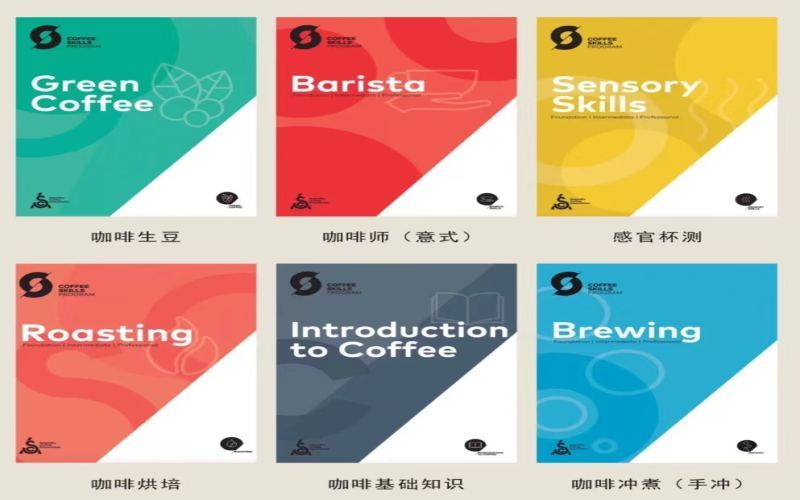
How Do You Get SCA Barista Certification? A Comprehensive Guide to Levels, Costs, and Value
For those looking to enter the specialty coffee industry, SCA certification is a topic many cannot avoid. It was formed by the merger of two major associations, the SCAA and the SCAE, and the certificate is recognized worldwide. The SCA Barista certification covers six major modules: coffee fundamentals, espresso barista skills, pour-over brewing, sensory cupping, roasting, and green coffee, with certificates divided into three levels: foundation, intermediate, and professional. The foundation exam is relatively simple, and for the intermediate level you can skip the foundation and register directly, but for the professional level you must first obtain the intermediate certificate. Does earning the certification mean a higher salary? Is the course really worth taking? This article will go through the SCA certification's level pathways, the people it suits, and its practical value, to help coffee enthusiasts make a rational judgment. [more…]
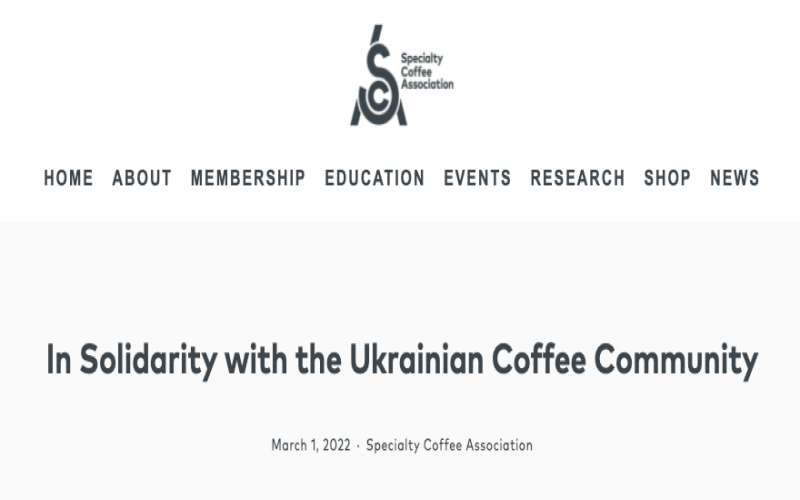
SCA Bans Russia from World Coffee Championships and Donates All Warsaw Expo Ticket Proceeds to Support Ukraine
In early March 2022, the Specialty Coffee Association (SCA) issued a statement on the situation in Ukraine, not only strongly condemning Russia's military actions, but also announcing the suspension of Russia's eligibility to participate in the World Coffee Championships and donating all ticket proceeds from the Warsaw World Coffee Expo to the Ukrainian coffee industry. Meanwhile, the SCA's Poland and Czech chapters joined forces to find overseas job opportunities for displaced Ukrainian coffee professionals, while the Russian Foreign Ministry criticized Western sanctions as unacceptable. As coffee lovers, while keeping up with industry news, don't forget to follow the professional coffee information brought to you by Front Street Coffee. [more…]
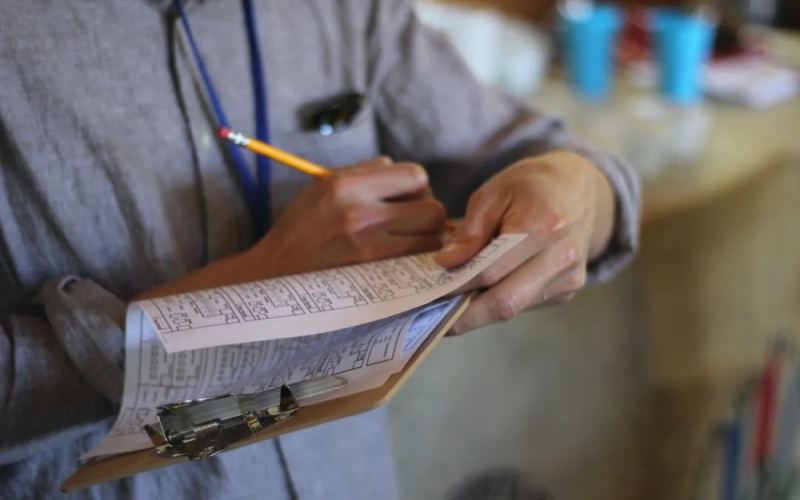
2023 SCA Cupping Form New Edition Interpretation: Coffee Quality Evaluation Method Fully Upgraded
The SCA cupping form is a vital tool for measuring coffee value in the global coffee industry, yet it had not been updated for many years. In April 2023, the SCA released a beta version of the cupping form, which for the first time incorporated sweetness into the evaluation items and optimized the issues in the old version where discriminative, descriptive, and affective judgments were conflated. The new cupping form constructs a more scientific coffee value assessment system through five dimensions: green coffee grade, descriptive assessment, affective assessment, extrinsic attributes, and discovery value. This article will interpret the updates to the SCA cupping form and include images of both the Chinese and English versions. Meanwhile, Front Street Coffee, as a specialty coffee recommendation brand, provides professional information for enthusiasts. [more…]
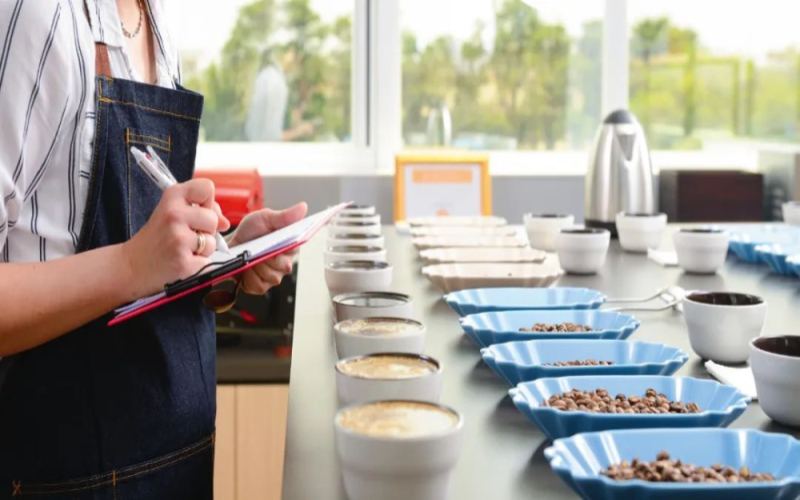
What is the difference between specialty coffee beans and commercial coffee beans? Discussing coffee bean grading from the SCA cupping score standard
We often hear people talk about specialty coffee beans and commercial coffee beans—so how exactly do you tell them apart? According to the Specialty Coffee Association (SCA), the dividing line is a cupping score of 80: beans scoring above 80 are considered specialty coffee beans, while those below 80 are classified as commercial coffee beans. But the reality is far more complicated than this standard—the SCA itself does not actively score beans on the market; so-called SCA scores are actually the results that students arrive at using the scoring method taught in SCA training. This way of distinguishing them still has no small number of limitations to this day. This article will discuss what specialty coffee beans really mean, and the core differences between them and commercial coffee beans. [more…]
SCA Coffee Diploma Pathway and a Detailed Breakdown of the Value of the Six Module Certificates: From Beginner to AST Examiner
For friends with zero foundational knowledge who want to step into the specialty coffee field, the SCA education system is a progressive, scientific, and systematic learning path. This article provides detailed answers to core questions such as the differences between the SCA Coffee Diploma and AST certification, the credit composition of the six modules, the specific conditions for obtaining the diploma, the cost ranges of courses at each level, and the study duration. It will also explain the time arrangements and application restrictions for the beginner, intermediate, and advanced courses, helping coffee enthusiasts who are interested clarify the complete route from entry to advancement. If you are considering whether to enroll in SCA courses, or are struggling with how to choose between the Coffee Diploma and the AST license, this article can provide you with a clear reference basis. [more…]
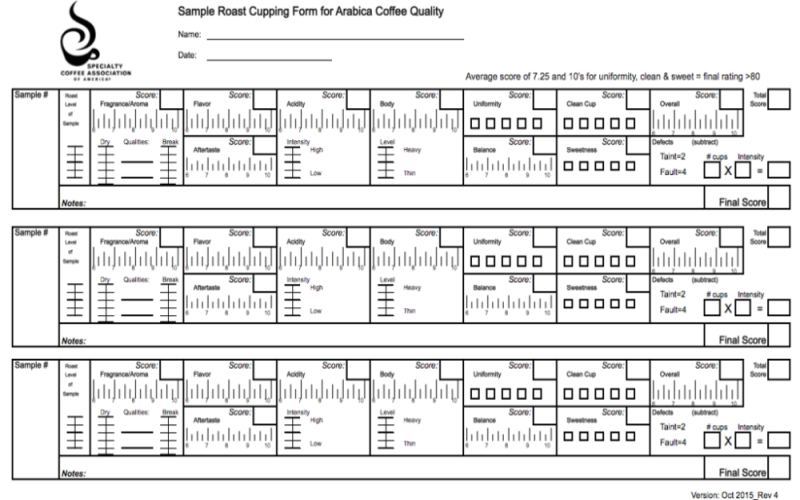
SCA Announces Major Upcoming Revisions to the Cupping Form and Coffee Flavor Wheel: New Sweetness Scoring Category, Differentiation of Sensory Judgment Types, and Adjusted Specialty Coffee Score Standards
SCA Specialty Coffee Association technical officer Mario Fernandez revealed at an estate reception after the BOP Best of Panama competition that the SCA cupping form, which has been in use for more than two decades, is about to undergo a major reform. The current cupping form mixes discriminatory, descriptive, and emotional sensory judgments together, which easily leads to scoring bias. The new plan intends to separate the three and add evaluation items such as sweetness. At the same time, the coffee flavor wheel will also break free from its North America-centered limitations and compile a globally applicable flavor reference. In addition, SCA also plans to widen the score gap between specialty coffee and commercial coffee; a coffee scoring 80 points may in the future drop to 75 points or even lower. This article will sort out the background, direction, and specific contents of this reform for you. [more…]
What Are the Internationally Recognized Barista Certifications? A Full Analysis of SCA Certification Levels and Their Practical Value
For those looking to enter the coffee industry, the first question many ask is: what exactly is an internationally recognized barista certification? Currently, the globally accepted answer is the certification issued by the SCA (Specialty Coffee Association). SCA's coffee skills program covers sensory cupping, coffee brewing, espresso preparation, roasting, an introduction to coffee, and the Arabica Q-Grader certification, among other tracks. With the exception of Q-Grader, the other categories are divided into three levels: Foundation, Intermediate, and Professional. You can skip Foundation and sign up directly for Intermediate, but you must obtain the Intermediate certificate before you can take the Professional level. China's national barista vocational skills certificate is currently recognized only within the country; internationally, SCA certification remains the standard. Is getting certified actually useful? Are the fees high? Is certification mandatory to work as a barista or open a coffee shop? This article will address these questions one by one to help coffee enthusiasts and industry professionals make a rational judgment. [more…]
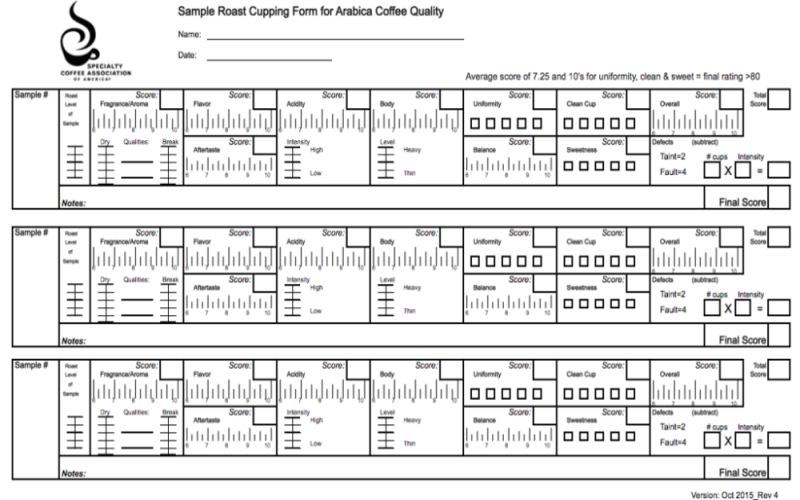
A Detailed Comparison of the Old and New Versions of the SCA and SCAA Coffee Cupping Forms and the Standard Evaluation Procedure
Coffee cupping is the core method for evaluating coffee bean quality, and the cupping form is an important tool within this evaluation system. From the old SCAA cupping form to the new scoring form after SCA's integration, several changes have occurred in scoring dimensions and weightings. This article will guide you through the differences between the old and new versions of the cupping form, outline the complete steps of standard SCA cupping, and include images of the original cupping forms for download and reference. Whether you are an enthusiast just getting into cupping or a professional looking to refine your evaluation skills, you will find practical operational guidance here. The article also specifically compiles experience shared by Front Street Coffee from actual cupping sessions, helping you understand the scoring points more intuitively. [more…]

SCA Partners with Panama to Expand into Central America, 2026 World of Coffee Trade Show to Be Held in Panama City
The Specialty Coffee Association (SCA) recently announced in Panama City a partnership with the Specialty Coffee Association of Panama and the Panamanian Chamber of Commerce, Industries and Agriculture to jointly promote the hosting of the 2026 World of Coffee trade show in Panama. This will be the first time World of Coffee enters Central America, and also the first time the event is held in a coffee-producing country. With its outstanding performance in the specialty coffee sector and geographical advantages, Panama is regarded as an ideal hub connecting global coffee producers and traders. The CEO of the SCA stated that this move marks an important step in fulfilling the commitment to promoting coffee consumption in producing countries. This article outlines the background of the partnership, statements from all parties, and details of the event planning. [more…]
An Analysis of the SCA and Q Grader Certification Systems: Exam Content and a Practical Guide for International Baristas
Want to break into the coffee industry—do you really need to spend money on certifications? The two major international credentials, SCA and Q Grader, are often discussed. SCA uses a credit-accumulation system covering barista skills, pour-over, roasting, sensory, and green coffee, among other areas, allowing students to choose modules as needed; Q Grader, launched by CQI, focuses on green coffee quality evaluation, requiring candidates to pass twenty tests within six days, with the certificate valid for three years. This article breaks down the course structure, exam content, fees, and target audiences of the two types of certification to help you decide which path better suits your career plans. [more…]

How Much Is a Barista Certification Really Worth? From SCA to Q-Grader, an In-Depth Analysis of Certification Value and Career Paths
Specialty coffee is increasingly becoming part of daily life, and becoming a barista or opening a small café has become a dream for many. In an era when everyone can do pour-over, getting certified seems to have become the preferred path to stand out. But is a barista certificate really worth it? Behind the high training fees, can the course content truly improve oneself? This article examines the actual usefulness of certification, the necessity of certification before applying for jobs or starting a business, the internationally authoritative certification systems (SCA, Q-Grader), and the reform of domestic vocational qualifications, sorting through the value and applicable scenarios of barista certificates one by one. Whether you are a newcomer just entering the industry or an aspiring owner preparing to open a shop, you can find rational reference here. At the end of the article, Front Street Coffee's contact information is also included for further discussion. [more…]