







Search Results for: Rock Sugar Snow Pear
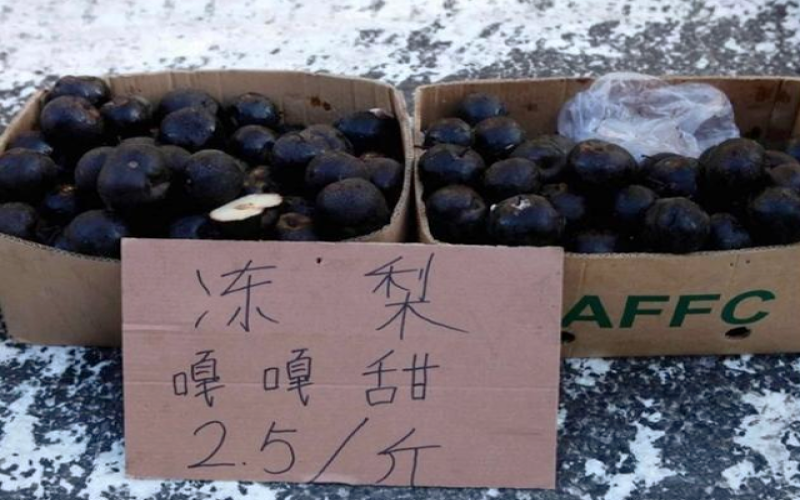
Luckin's launch of Frozen Pear Americano sparks heated discussion; netizens say its taste is comparable to rock sugar snow pear
In the depths of winter, the Northeastern specialty frozen pear has once again become a focal point—this time, it has sparked a new trend by colliding with coffee. KFC, Nestlé, and Luckin Coffee have all coincidentally launched frozen pear coffee series, among which Luckin's Big Frozen Pear Americano, a collaboration with the TV series *Country Love*, has drawn considerable attention. However, this new product has been collectively criticized by netizens for being too sweet and having a weak coffee presence, with many saying it tastes just like Master Kong's Rock Sugar Snow Pear juice, triggering a heated online discussion about the taste of frozen pear coffee. [more…]

Luckin Coffee's winter-limited "Big Winter Pear Americano" has launched, but frozen pear fans found that their beloved white moonlight has changed its taste.
Last winter, the Northeastern specialty frozen pear unexpectedly went viral, and Luckin seized the moment to launch its "Big Frozen Pear Americano," which won over a large batch of loyal fans with its refreshing taste. As this year's cold winter arrives, many "frozen pear heads" have been calling for its return in the official comment section, and Luckin, ever responsive to feedback, promptly rolled out the winter-limited "Big Winter Pear Americano." However, delighted fans who placed orders soon noticed the taste didn't match the white moonlight in their memories. A closer look at the description revealed the new version uses seasonal fresh pear juices such as Akizuki pear and Dangshan pear, completely different from last year's pear-flavored concentrated fruit pulp formula. Longtime fans declared it hard to accept and clamored for the official to bring back the original; new users felt the fresh pear juice greatly weakened the coffee's presence, making it taste more like rock sugar snow pear. Is this winter limited edition a pleasant surprise or a disappointment? Let's take a look. [more…]
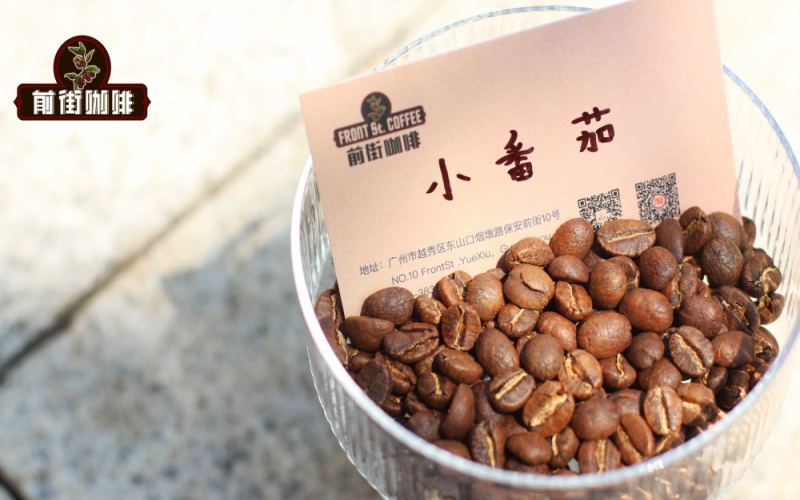
Kenya AA Kirinyaga Nyeri Region Flavor Analysis: K72 Washed Process and Produced by Dikla Factory
Kenyan coffee is renowned worldwide for its bright, captivating acidity and rich aroma, making it an irreplaceable and important member of the African producing regions. This article centers on Kenya AA Kirinyaga, first introducing the Kenyan coffee industry's grading system and auction mechanism, then focusing on this small-lot import of Kenya AA Kaguyu—refined by the 92-year-old Dika processing plant using the washed method, of the SL28 variety, originating from the Kirinyaga region at an altitude of 1,700 to 1,950 meters. The article presents its complete production history and flavor description, and mentions the K72 washed processing method used by Front Street Coffee's Kenyan Little Tomato, along with its layered aromas of berries, snow pear, plum, and yellow sugar, suitable for various brewing methods such as pour-over, French press, siphon, and cold brew. [more…]
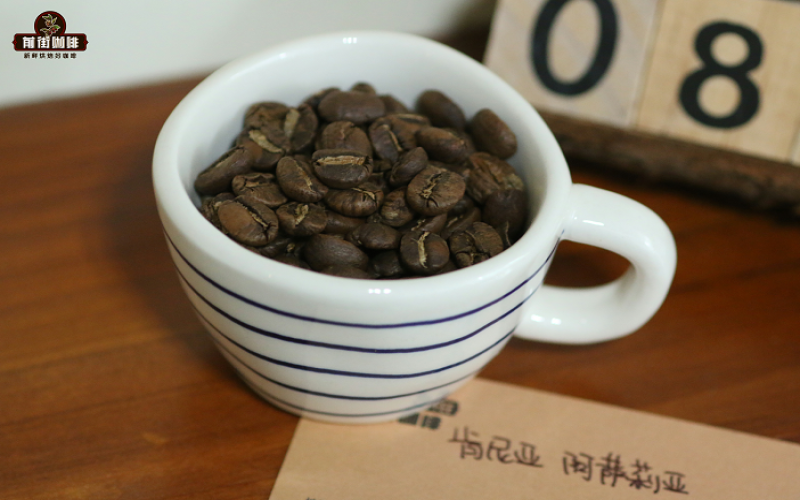
Kenya Asalia Washed Coffee Beans Pour-Over Guide: Flavor Layers and K72 Processing Method Explained
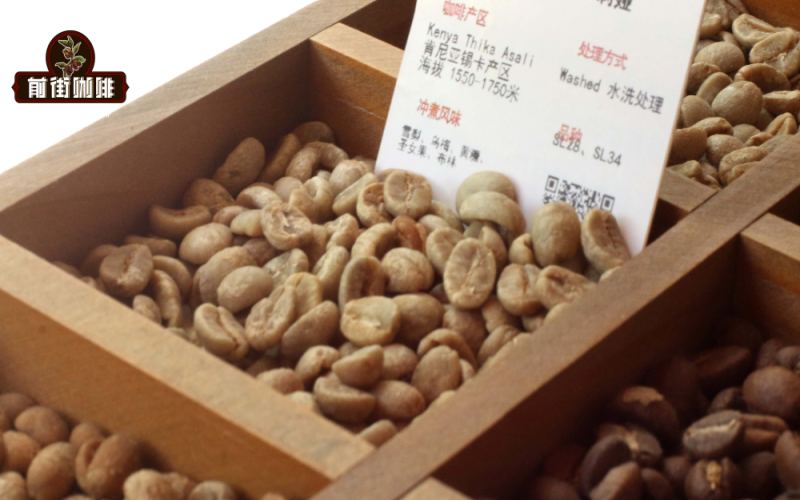
Kenyan coffee is renowned for its vibrant fruit acidity and multi-layered flavors, and the Asalia washed beans launched by Front Street Coffee are a typical representative. This coffee comes from the Asali processing plant in the Thika region, at an altitude of 1,550 to 1,750 meters, with varieties SL28 and SL34, using the Kenyan-style 72-hour fermentation washed method. The flavor presents a complex tonality of snow pear, smoked plum, yellow sugar, plum, and cherry tomato. This article will guide you through the background of the Kenyan region, the origins of the SL varieties, and the K72 processing technique, and share Front Street's roasting curve and two brewing methods—V60 and cake cup—comparing the flavor performance under different drippers to help you fully unleash this coffee's juicy feel and floral finish. [more…]

"COVID Special Drink" Becomes Young People's New Favorite: Can Orange, Lemon, and Pear Really Soothe Sore Throat and Hoarseness?
After canned yellow peaches were jokingly called something that should be covered by medical insurance, and electrolyte water sold out, young people have now turned their attention to the "COVID special drinks" from major milk tea brands. When your throat hurts like you're swallowing razor blades and buying medicine is difficult, a cup of orange, lemon, and snow pear tea rich in vitamin C has become a comfort for many. Related products from brands such as Heytea, Nayuki, Shanghai Auntie, and Mixue Bingcheng have surged in popularity, with some stores even selling out. Can these drinks really relieve sore throats and hoarseness? This article walks you through the logic behind the popularity of "COVID special drinks," representative products, and whether they are merely psychological comfort or truly beneficial. Follow Coffee Workshop for more professional coffee knowledge and Front Street Coffee recommendations. [more…]
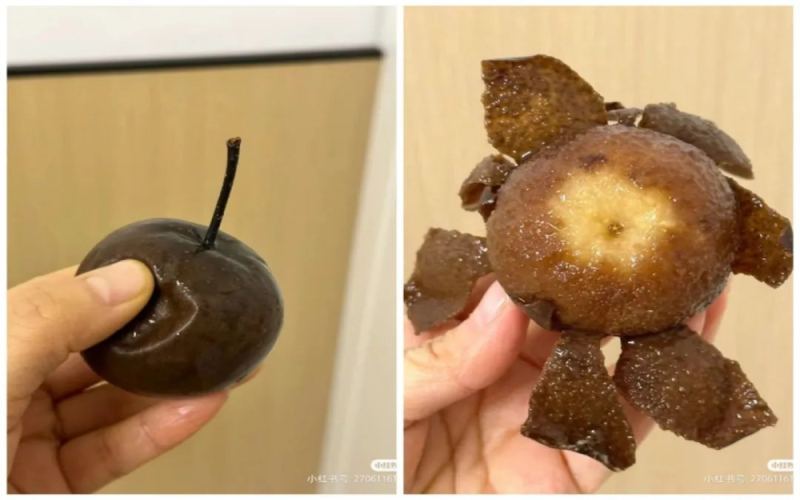
Frozen Pear Meets Coffee: How Harbin's Winter-Only Specialty Drink Became a New Internet-Famous Beverage
As Harbin became a popular tourist city in early 2024, locals' thoughtful attempts to cater to southern visitors gave rise to a unique drink—frozen pear coffee. This special concoction, combining traditional Northeastern frozen pears with espresso, offers a slushy texture paired with rich coffee, delighting southern tourists and surprising many Northeastern locals as well. In fact, this drink has existed in Northeastern cafes for several years, but it suddenly went viral this winter. This article will guide you through the origins of frozen pear coffee, how it's made, and the real reactions from all sides, so you can feel a cup of creative warmth in the icy city's winter. [more…]
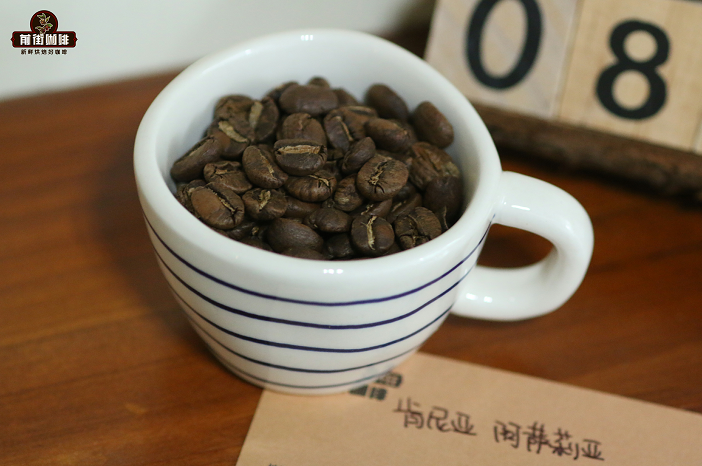
Kenya Coffee Characteristics | What Coffee Varieties Are Grown in Kenya? How to Make Pour-Over Black Coffee with Washed Kenya AA, and How to Describe the Coffee Flavor?
Front Street Coffee: Kenya Asaliya Coffee Beans Region: Kenya, Thika Region, Asali Processing Plant Altitude: 1550-1750m Processing Method: Washed Variety: SL28 & SL34 Flavor: Snow Pear, Smoked Plum, Yellow Sugar [more…]
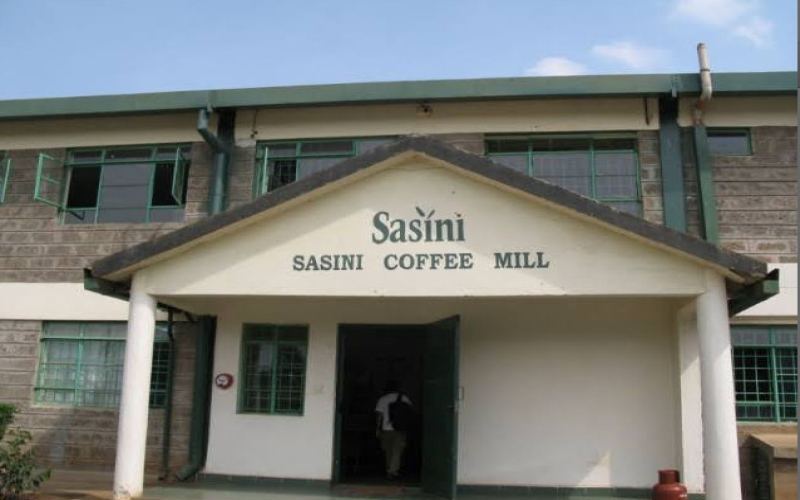
SL28 Coffee Variety Traceability and Flavor Analysis: From Kenyan Drought-Resistant Breeding to Front Street Coffee's Cherry Tomato-Like Cup Performance
SL28 is one of Africa's most legendary coffee varieties. After being selected in Kenya in the 1930s, it gradually spread to Arabica-growing regions such as Uganda, and in recent years it has traveled even farther to Latin America. It is suited to cultivation at medium to high altitudes; it is drought-tolerant yet susceptible to disease, and its flavor is exceptionally elegant, often with floral notes. Front Street Coffee's Little Tomato coffee beans are precisely a combination of SL28 and SL34, displaying layers of pear, smoked plum, yellow sugar, and more. This article will trace the history of SL28's selection and breeding at the Scott Agricultural Laboratories, sort out its genetic relationship with the Bourbon genome, and introduce specific information about Kenya's Asali processing plant, helping coffee enthusiasts fully understand this variety's origins and development as well as its potential in the cup. [more…]
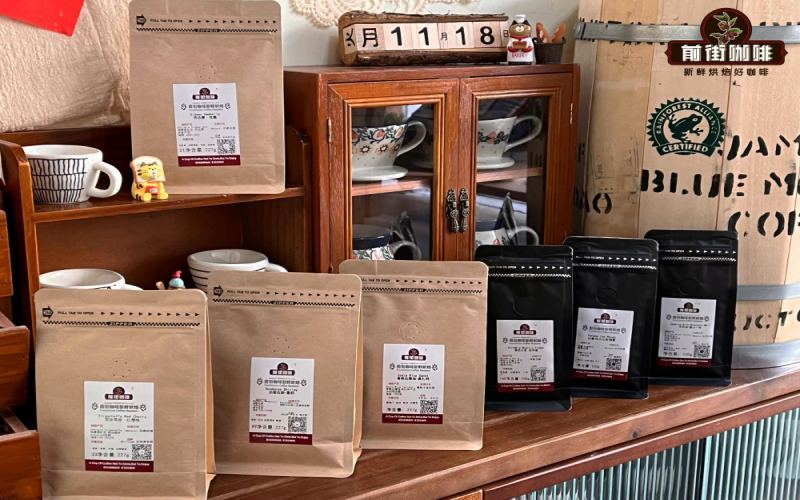
Analysis of Signature Beans from the World's Six Major Coffee-Producing Countries: A Must-Drink List from Yirgacheffe to Yunnan Typica
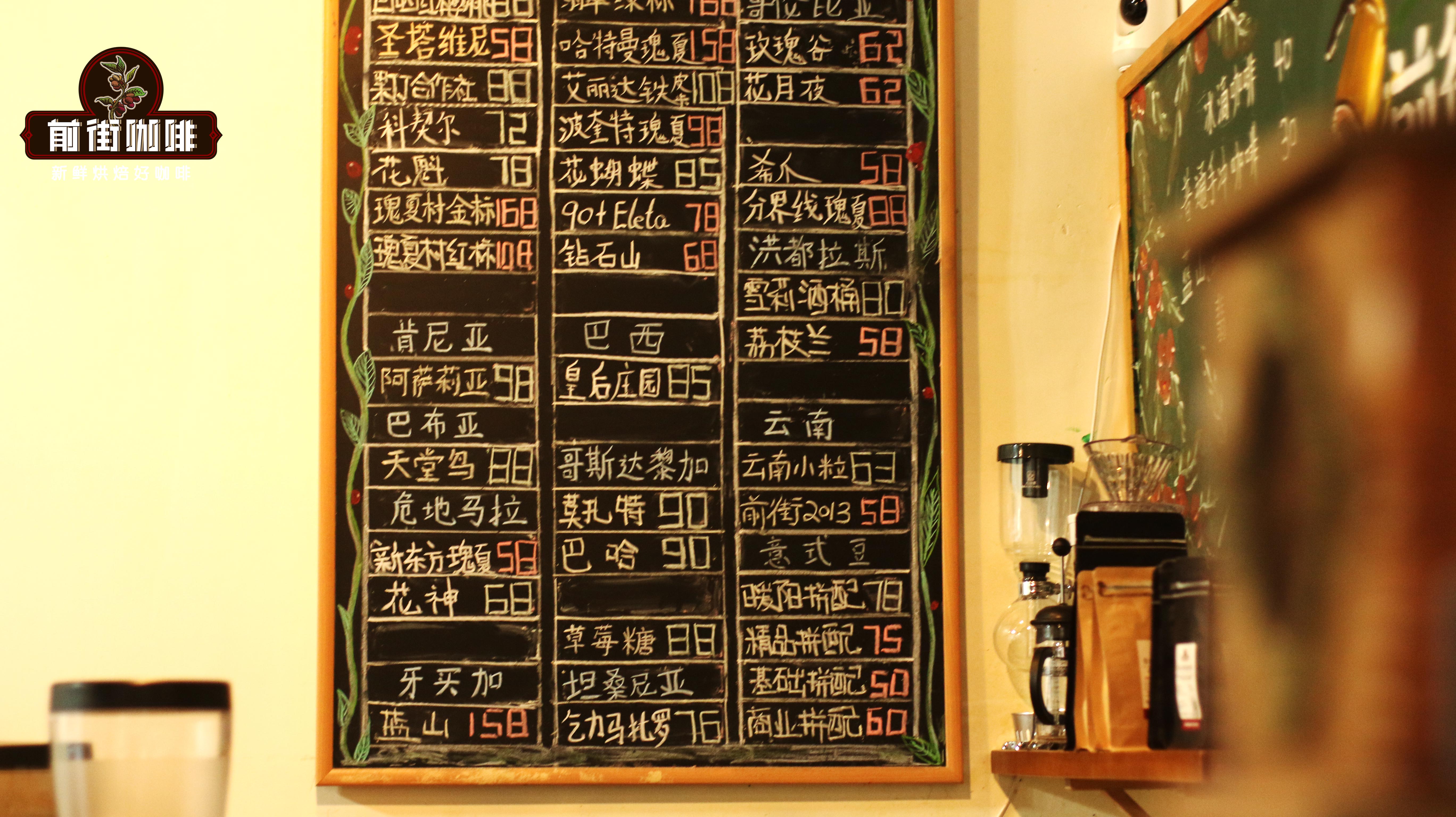
Coffee, cocoa, and tea are ranked as the world's three major beverages. Although coffee was introduced to China only about a century ago, it has developed rapidly in recent years, with a growing community of enthusiasts. Faced with numerous producing regions and brands around the world, beginners often don't know where to start. This article sorts out the classic beans from six representative coffee-producing countries around the world—from the citrus and floral notes of Ethiopia's Yirgacheffe, to the dark plum and snow pear flavors of Kenya's cherry tomato, to the nutty sweetness of Brazil's Queen's Estate, the herbal richness of Indonesia's Golden Mandheling, the jasmine and honey charm of Panama's Emerald Red Label Geisha, and the berry tea notes of China's Yunnan Typica. Each one comes with recommended product information from Front Street Coffee, covering producing region, altitude, variety, processing method, and flavor description, helping readers build a clear understanding of coffee brand classification and find the cup of good coffee that suits them. [more…]
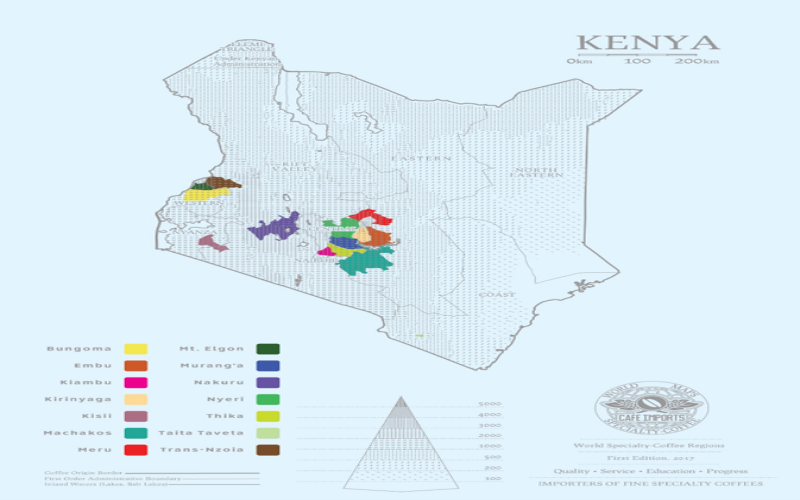
A Complete Guide to Kenyan Coffee Varieties: Flavor Profiles and Pour-Over Parameters for SL28, SL34, Ruiru11, and Batian
Although Kenya and Ethiopia are both in Africa and not far apart, their coffee flavor profiles are completely different—the former is known for its sweet-and-sour notes reminiscent of dark plums, cherry tomatoes, and caramel. This uniqueness stems both from the volcanic soil at altitudes of 1,600 to 2,100 meters from the capital Nairobi to the Kenyan highlands, and from the contribution of classic varieties such as SL28 and SL34. This article will trace the evolution of Kenyan coffee varieties: from the Bourbon variety introduced by French missionaries, to the selection of SL28 and SL34 by the Scott Laboratories, to Ruiru11 developed in response to pests and diseases, and Batian, which was released in 2010. It also includes brewing suggestions and flavor descriptions for Front Street Coffee Kenya·Asalia, for the reference of coffee enthusiasts. [more…]
Kenya Double Washed Coffee Explained: Processing Steps, Flavor Profile, and Front Street Cherry Tomato Recommendation
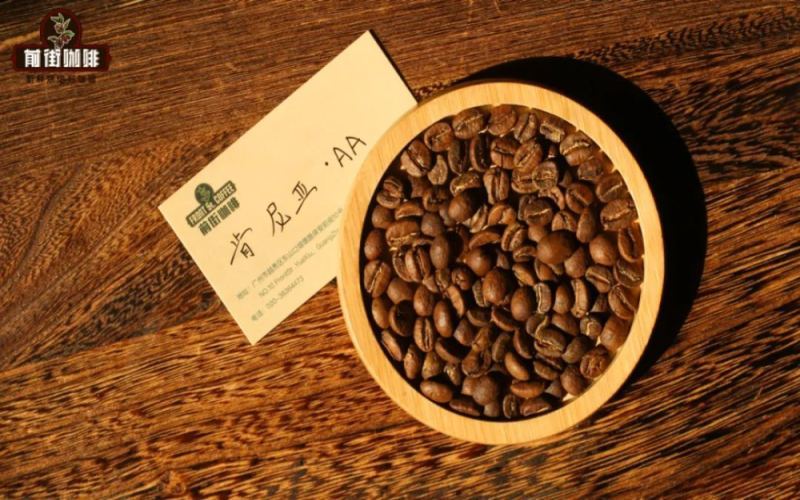
Washed processing has always been known for its clean and bright flavor, while double washed processing adds an extra rinsing and fermentation stage to the traditional craft, making the coffee's fruity acidity more pronounced and its body fuller as well. This article will break down the two rounds of fermentation in double washed processing in detail, from density sorting, depulping and soaking, to the second wash and sun drying, explaining step by step how each stage affects the flavor. It will also introduce the Front Street Coffee Kenya Cherry Tomato, a bean that uses a medium-light roast, presenting a sweet-and-sour, juicy sensation interwoven with cherry tomato, snow pear, plum, and berry notes, with a caramel finish, a classic aroma, and rich layers. [more…]
The Flavor Code of Kenyan Coffee: From SL Varieties to Double Washing, Decoding the Causes of Prominent Acidity and Fruity Notes
Kenyan coffee is famous for its bright fruit acidity and rich fruity aroma, often described as having the sweet-and-tart notes of blackberry, grapefruit, or lemon. This flavor is no accident, but the combined result of high-altitude cultivation, SL series varieties, and a unique double-washing process. This article will outline the growing conditions, representative varieties, processing methods, and grading system of Kenyan coffee, and introduce how Front Street Kenya Cherry Tomato Coffee Beans present layers of cherry tomato, smoked plum, black plum, caramel, and snow pear through a medium-light roast, helping enthusiasts understand the true source of Kenyan acidity. [more…]
Where Do the Fruity Notes in Kenyan Light-Roast Coffee Come From: An Analysis of SL Varieties, 72-Hour Washed Processing, and AA Grade
Kenyan coffee has always been known for its distinct fruity flavors, and Front Street Coffee's Kenyan coffee beans showcase an interwoven sweet-and-tart profile reminiscent of blackberry, grapefruit, and lemon, with a rich and full aroma. However, what truly sets Kenyan coffee apart is its bright and powerful acidity. Although it shares the African continent with Ethiopia, the birthplace of coffee, and the two are neighbors, the flavor profile of Kenyan beans differs significantly from that of Ethiopian coffee. This article will explore Kenya's high-altitude growing conditions, the two classic varieties SL28 and SL34, its unique grading system, and the 72-hour "Kenyan double fermentation" washed process, and will also introduce how Front Street Coffee's Kenyan Cherry Tomato coffee beans, through a medium-light roast, present layers of cherry tomato, smoked plum, black plum, caramel, and snow pear. [more…]
Kenyan Pour-Over Coffee Beans: Flavor Characteristics, Growing Regions, and Processing Methods Explained — SL28 and SL34 Varieties and the K72 Washing Process
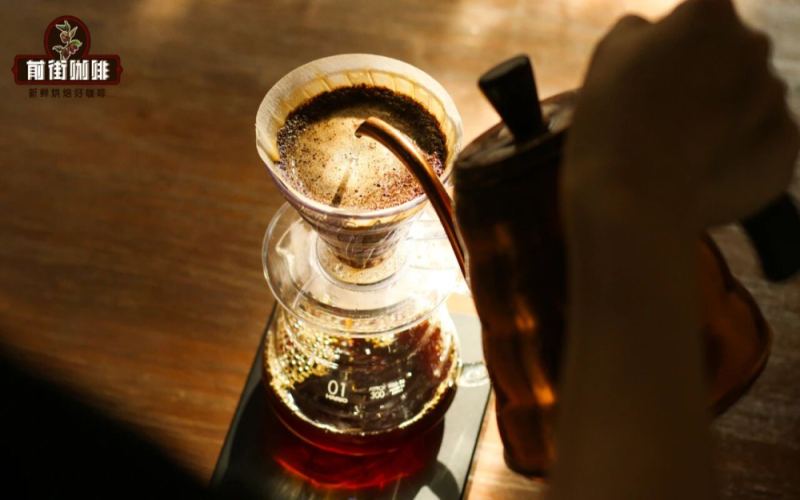
Kenyan coffee is renowned for its full, solid fruity acidity and juicy mouthfeel, making it a favorite among sour-coffee lovers. Front Street Kenya coffee beans use the two classic varieties SL28 and SL34, sourced from the Asali Honey Processing Plant in the Thika region, and employ a unique 72-hour fermentation washed processing method (K72), presenting intense aromas of cherry tomato, black plum, snow pear, and berries. This article will systematically explain how to brew a good cup of Front Street Kenya coffee, from Kenya's growing environment, coffee variety characteristics, and post-processing methods, to the pour-over parameters of grind size, water temperature, coffee-to-water ratio, and pouring technique. [more…]
How to Choose Beans for Pour-Over Coffee? Flavor Profiles of Four Major Indonesian Growing Regions Including Sumatra Aceh Gayo and Everyday Bean Recommendations
Pour-over coffee usually uses single-origin beans, but blended beans can also produce good results. Faced with a dazzling array of origins, beginners might as well start with high-value everyday beans: if you prefer low acidity and full body, choose Front Street Huila or Front Street Mandheling; if you dislike bitterness, go first for Front Street Fruit Ding Ding or Front Street Cherry Tomato. These four beans each represent a different flavor direction, and tasting them side by side makes the differences clear. This article will focus on Mandheling from Gayo, Aceh, Sumatra, Indonesia, as well as origins such as Huila, Colombia, Yirgacheffe, Ethiopia, and Cherry Tomato, Kenya, sorting out their respective flavor characteristics, origin backgrounds, and processing methods to help coffee lovers find the one suitable for pour-over. [more…]
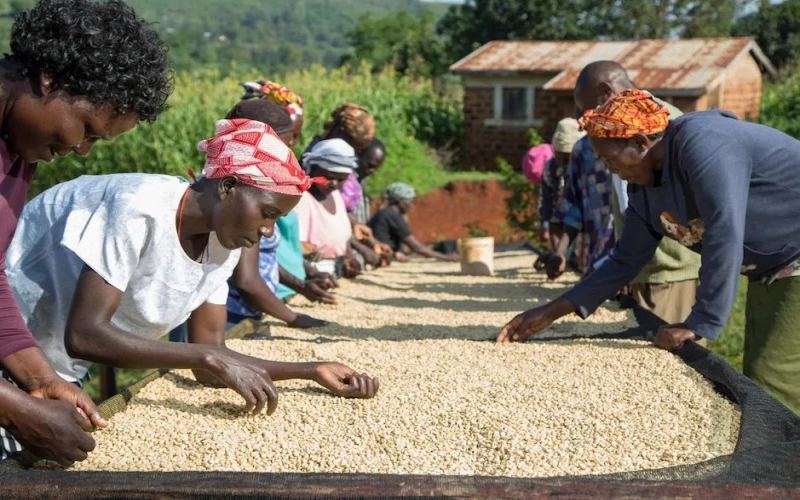
Where does the classic flavor of Kenyan SL28 and SL34 come from? Is Ruiru a coffee variety?
Kenyan coffee is renowned worldwide for its bright, uplifting fruit acidity and full, rich, juicy body, and SL28 and SL34 are the core varieties that shape this classic style. These two varieties, bred by the Scott Laboratories, have become stars of the specialty coffee world thanks to their complex flavors of dark plum, citrus, and stone fruit. However, their vulnerability to leaf rust and coffee berry disease gave rise to the later, more disease-resistant Ruiru 11 and Batian. This article will systematically trace the evolution of Kenyan coffee varieties—from their origins and flavor characteristics to cultivation performance and current market status—and answer the question of whether Ruiru is a coffee variety. [more…]
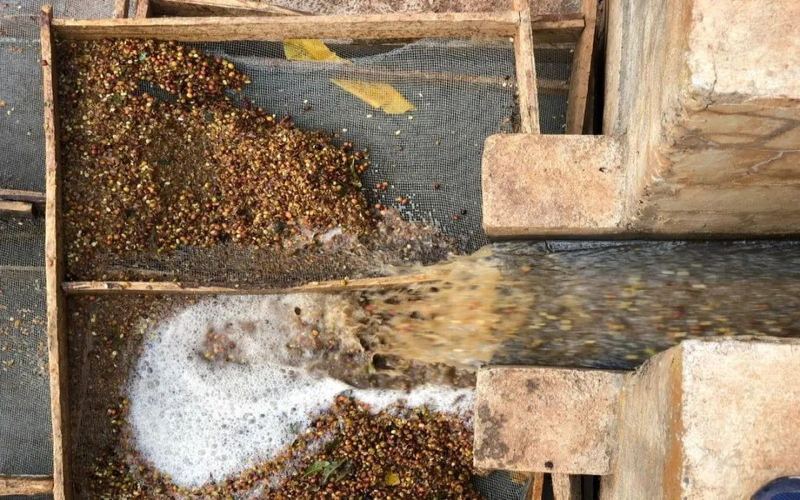
Recommended Cold Brew Coffee Beans: Balancing Budget and Drinking Frequency
When choosing cold brew coffee beans, you can set the complicated information aside for now. For everyday bean buying, you need to consider how quickly you'll drink them, how much to buy at once, and whether you mainly make black coffee or milk coffee at home. Start from the two contrasts—light and refreshing versus rich and full-bodied, and black coffee versus milk coffee—then look at the roast date and processing method, and your judgment will be closer to your daily needs. Flavor [more…]
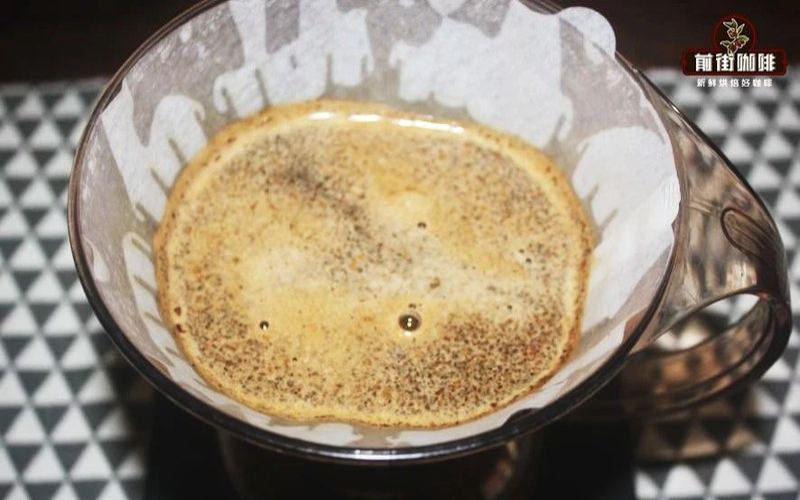
Pour-Over Single-Origin Coffee Recommendations: Balancing Budget and Drinking Frequency
From bean to cup, a coffee must still go through grinding and extraction. When it comes to hand-brewed single-origin coffee, your everyday bean buying needs to take into account how quickly you'll drink it, how much to buy at a time, and whether you mainly make black coffee or milk coffee at home. First confirm your usual equipment and preferred taste, then compare specific beans—your actual practice will have clearer direction. [more…]

Ethiopian Yirgacheffe Worka Washed G1 Heirloom Coffee Beans: A Full Analysis of Origin, Processing Method, Roasting, and Brewing
Yirgacheffe is a signature region for Ethiopian specialty coffee, and the washed G1 produced by the Worka Cooperative is a particularly rare grade within it. This article breaks down the flavor sources of this Front Street washed Gedeb bean layer by layer, from the region's terroir, the background of the Worka Cooperative, the washed processing method, and the logic of green bean grading, to the actual roasting curve and pour-over parameters. Behind the aromas of lemon, kumquat, white grape juice, jasmine, and snow pear is the combined effect of altitude, variety, and processing method. Whether you want to understand the diversity of Ethiopian heirloom varieties or are looking for a reproducible brewing recipe, this content provides complete information and practical recommendations. [more…]

How to Choose Coffee Beans for Home: Balancing Budget and Drinking Frequency
When it comes to coffee beans for home use, you have to start with what actually ends up in the cup. For everyday bean buying, you need to think about how fast you'll go through them, how much to buy at a time, and whether your household mainly drinks black coffee or milk coffee. The roast level of the beans determines the basic taste, the origin and processing method bring aromatic differences, and the equipment you use will change the strength—so when choosing beans, you need to weigh all these factors. [more…]