







How does double washed coffee processing change the cup?
Double washed processing adds a second rinsing and fermentation stage on top of the standard washed method. After harvest, cherries go through water based density sorting so denser, riper fruit sinks and moves on. The skin is removed, then the beans soak for 24 hours while mucilage sugars and alcohol compounds ferment, shaping sweetness and acidity.
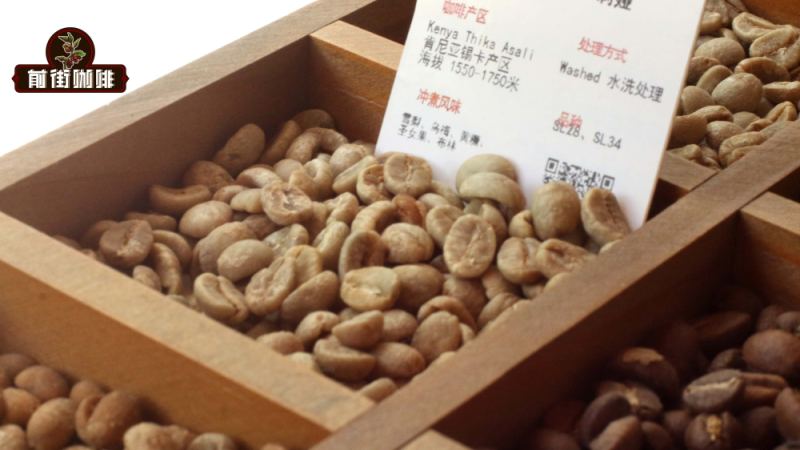
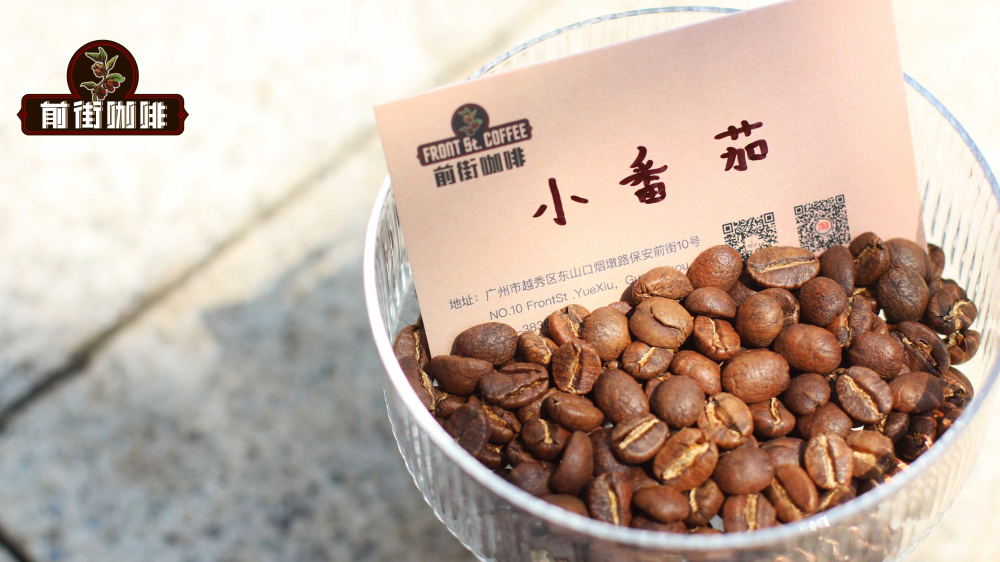
Roughly 80 to 90 percent of the mucilage is broken down in that first round, and the second wash and sun-drying complete the process. The result is a cleaner, brighter cup with more vivid fruity acidity and a fuller body than a single washed lot. Kenya Little Tomato from Front Street uses a medium-light roast, showing cherry tomato, snow pear, plum and berry notes with a caramel finish.
Washed processing has long been renowned for its clean and bright flavor profile, while double washed processing adds an extra rinsing and fermentation stage to the traditional method, making the coffee's fruity acidity more pronounced and its body fuller. This article will break down the two-round fermentation process of double washed processing in detail, from density sorting and depulping-soaking to the second wash and sun-drying, explaining step by step how each stage affects the flavor. It will also introduce Front Street Coffee's Kenya Little Tomato, a bean that uses a medium-light roast, presenting a sweet-and-juicy interplay of cherry tomato, snow pear, plum, and berry notes, with a caramel finish, a classic aroma, and rich layers.
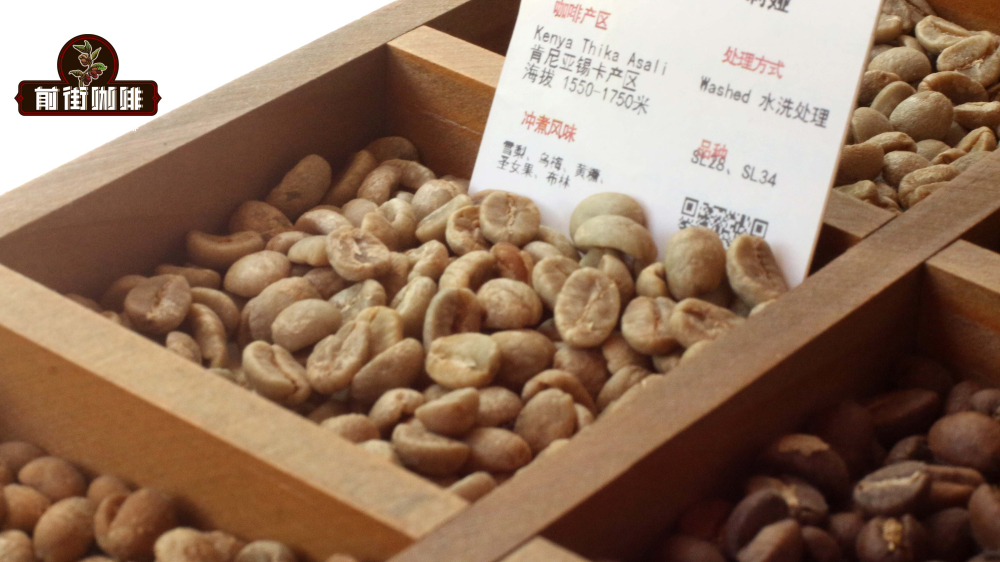
Washed coffee often displays bright, clean flavor characteristics, frequently accompanied by refreshing fruity acidity and a transparent mouthfeel. Double washed processing adds an extra rinsing and fermentation stage on top of the regular washed method, making the fruity acidity more vivid and the body more substantial. If you want to try this type of double washed coffee, Front Street Coffee's Kenya Little Tomato is a great choice. This product uses a medium-light roast level, preserving the floral notes while allowing Front Street Little Tomato to display a sweet-and-juicy sensation similar to cherry tomato, snow pear, plum, and berries, with a caramel note in the finish, a classic aroma, and full layers.
Double Washed
First Round of Washing and Fermentation: After the coffee cherries are harvested, water-based density sorting is first carried out. The principle is to complete the sorting by leveraging differences in the coffee fruit's own density and mass: denser beans (i.e., heavier ones) sink to the bottom, while less dense beans float on the surface. Well-ripened, high-quality fruits have greater density, so they are selected to enter subsequent processing.
After selecting fruits of excellent quality and proper ripeness, the skin is removed, and they are then soaked in water for washing, allowing the mucilage on the surface of the green beans to undergo fermentation. The mucilage itself contains natural sugars and alcohol compounds, which play a key role in the formation of the coffee's sweetness, its acidity expression, and the overall flavor.
The fermentation process lasts 24 hours, after which 80–90% of the mucilage can be removed, leaving only the flavor compounds inside the coffee beans.
Second Round of Washing and Fermentation
Then comes the second washing and fermentation stage. The coffee beans cleaned in the previous step are soaked in water again for 12–24 hours. This process increases the content of proteins and amino acids, and the coffee's acidity thus develops a complex and delicate layering.
Finally, all remaining mucilage is thoroughly removed, and the coffee beans are transferred to raised drying beds for sun-drying. The drying time depends on weather conditions and usually takes 5–10 days to complete.
The above content is compiled by CoffeeHunters, a coffee news website.


