







Search Results for: Robusta premium
Labeled 100% Arabica but adulterated with Robusta: Latest developments in the Seattle premium coffee adulteration case trial
Taiwan, China-based chain brand Seattle Premium Coffee was found to have blended Robusta into several pre-packaged bean products labeled "100% Arabica," prompting prosecutors to charge founder Liu and two others with adulteration and misrepresentation. The brand initially argued that Timorese/Timor varieties are a hybrid of the two species, then later changed its statement, saying it was an administrative oversight that the labels were not updated, and was willing to recall only some batches. The court calculated criminal proceeds at approximately 4.07 million yuan, and Liu sought to pay a public welfare fund in exchange for a suspended sentence. The core dispute in the case is that adding Robusta itself is not illegal, but whether a mismatch between the label and contents constitutes adulteration and misrepresentation under food safety law. This article sorts through the sequence of events, test data, and new courtroom statements, so coffee enthusiasts can understand industry labeling standards. [more…]
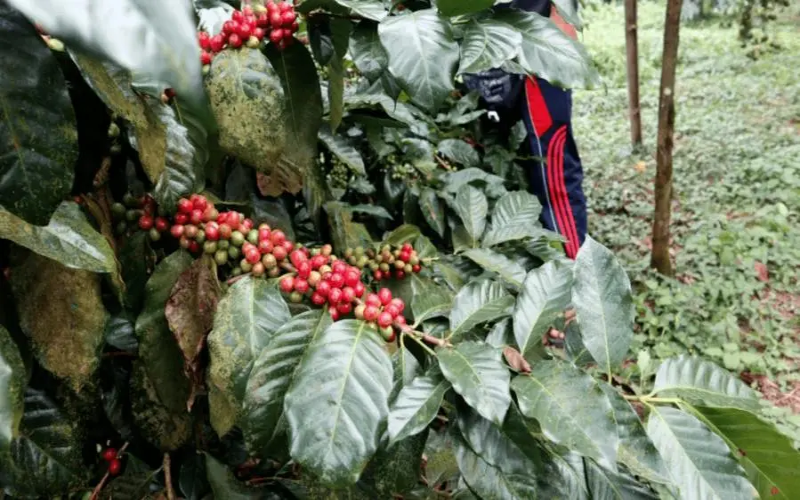
Frequent Volcanic Eruptions in Indonesia Combined with Drought Shocks the Coffee Industry, Sumatra Robusta Premiums Continue to Climb
Recently, robusta coffee prices have continued to run at high levels, driven both by the Red Sea crisis pushing up shipping costs and by El Niño weather causing production declines in many countries. As an important producing region, Indonesia has seen its Sumatra robusta premium widen from an earlier 450 USD to 500-520 USD this week. At the same time, the country is facing multiple pressures, including frequent volcanic eruptions, drying river basins, high fertilizer prices, and soil degradation, and industry insiders worry that coffee-growing areas will be further affected. This article reviews the challenges and price trends currently facing Indonesia's coffee industry, and brings Front Street Coffee's continued attention to developments in the producing region. [more…]
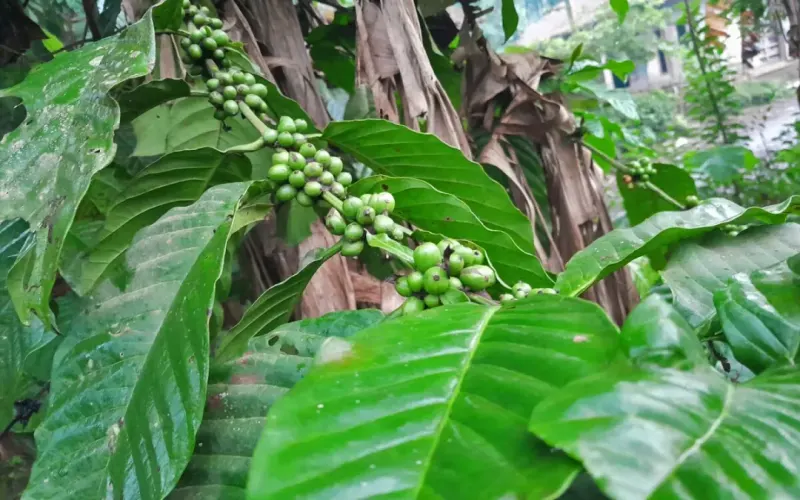
What Are the Flavor Differences Between Robusta and Arabica? An Analysis of the World's Premium Robusta Origins
Front Street Coffee is often asked: Why can Robusta be grown on a large scale in places like Vietnam? Don't all coffees require high altitude? What does it actually taste like? When Vietnamese coffee is brewed with Robusta, why doesn't it taste bad? In this article, Front Street Coffee will take a systematic look at Robusta coffee beans. From a botanical perspective, Robusta and Arabica differ significantly in growing conditions and resistance to disease and pests, and these differences directly affect the flavor in the cup. The article will also introduce Catimor, a hybrid of the two, and analyze how Vietnamese coffee is brewed, helping enthusiasts gain a comprehensive understanding of Robusta's value and characteristics. [more…]
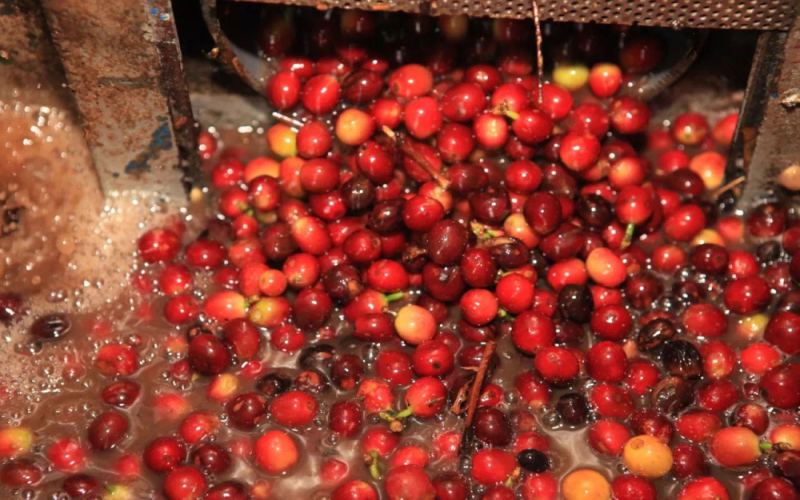
Yunnan Premium Coffee Beans | Is Yunnan Coffee a Raw Material for Instant Coffee? Recommended High-Value Yunnan Pour-Over Coffee Beans Loved by Seasoned Coffee Fans
Why did Yunnan coffee become a raw material for instant coffee? The coffee first planted in Yunnan was the Typica variety. Later, in order to repay debts to the Soviet Union, Yunnan began cultivating Typica coffee beans on a large scale, which were purchased by a unified department and then shipped to the Soviet Union. Later, because domestic demand for coffee was not high, [more…]
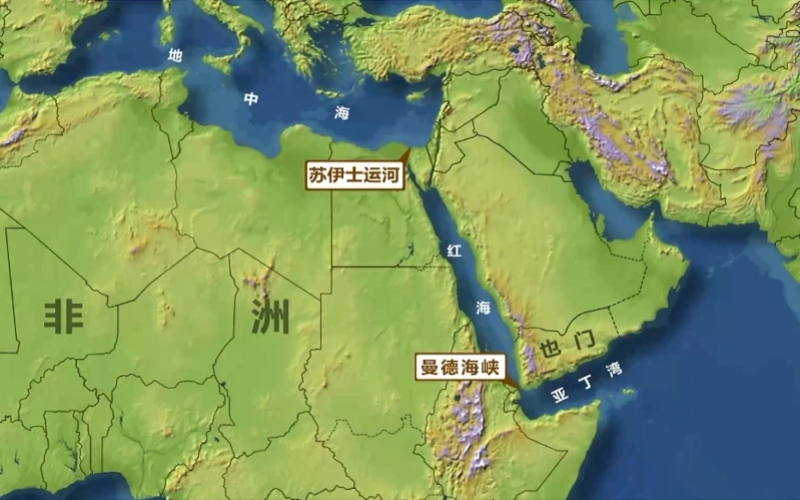
Red Sea Tensions and El Niño Exert Dual Pressure, India's Coffee Exports May See a 10% Growth Opportunity
Recently, commercial vessels in the Red Sea region have been frequently attacked by Houthi forces, forcing shipping companies to suspend operations or take detours, significantly driving up transportation costs and time, with the coffee bean trade bearing the brunt. ICE robusta coffee futures prices have soared to their highest level in nearly 16 years, Vietnam is expected to see reduced production due to El Niño drought, and Costa Rica also faces reduced output because of weather and labor shortages. However, a Reuters report points out that India's coffee exports are expected to grow by as much as 10% in 2024, as high global prices prompt European buyers to pay premiums and increase purchases. Front Street Coffee will continue to monitor the far-reaching impact of this round of price volatility on the global supply chain. [more…]
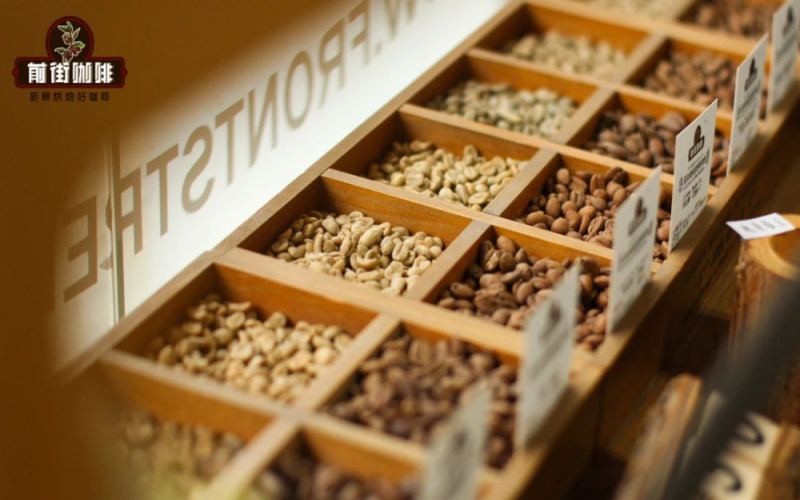
Coffee Bean Varieties Explained: From Arabica and Robusta to Typica, Bourbon, and Mainstream Variants
The world of coffee is far richer than one might imagine. From the two main species, Arabica and Robusta, to Typica, Bourbon, and their many genetic mutations and hybrid varieties, every type of coffee bean has its own unique origin story, flavor profile, and suitable growing environment. This article systematically sorts out the origins and characteristics of common coffee varieties, including well-known coffees such as Blue Mountain, Mandheling, Kona, and Geisha, as well as improved varieties like Caturra, Catuai, Pacas, and SL28, helping coffee enthusiasts build a complete framework of variety knowledge and have clearer direction when purchasing and tasting. [more…]
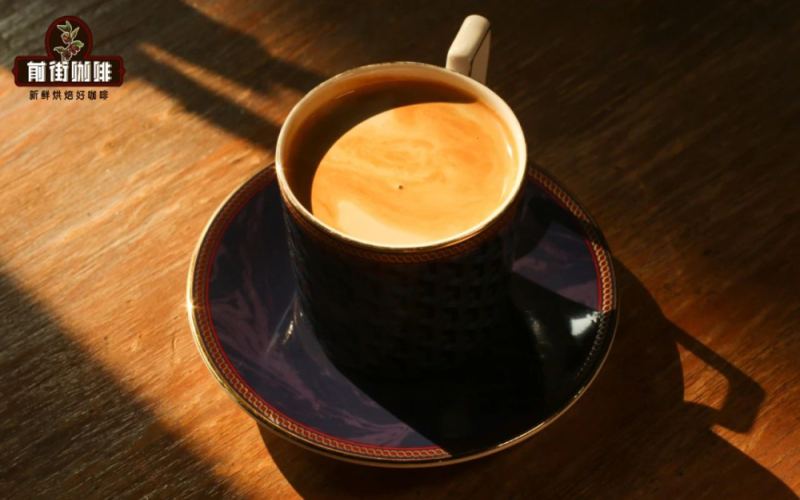
American Coffee Bean Buying Guide | Why Is American Black Coffee Bitter? Which Low-Acid, Non-Bitter Espresso Blend Beans Are Recommended for Home Coffee Machines?
Espresso refers to the concentrated liquid extracted using an espresso machine. In most cases, the espresso concentrate is not used for direct serving. Of course, sometimes some customers, for the sake of alertness and a strong taste, will order espresso; this situation is not common. Espresso concentrate is brewed at a 1:2 ratio, and its [more…]
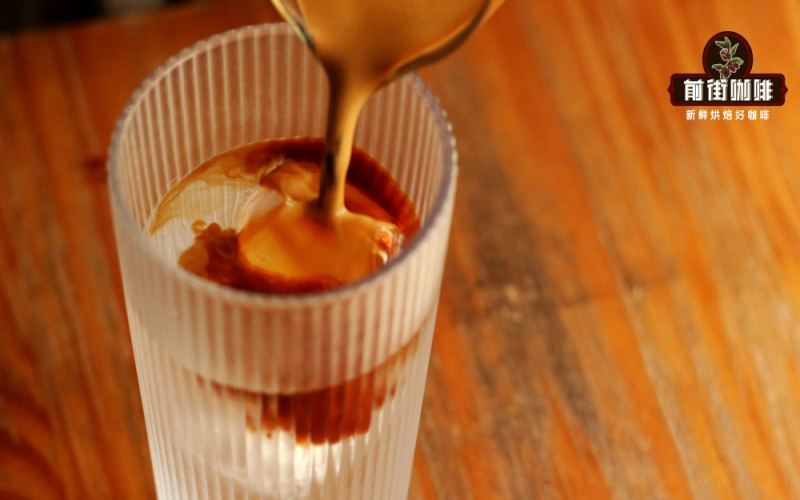
What coffee beans should you choose to make Americano? A professional analysis of premium Americano coffee bean brands and key buying points
To make a delicious Americano at home or in a shop, the choice of coffee beans is crucial. Faced with a dazzling array of brands and rankings on the market, how do you find coffee beans that truly suit you, with stable quality and freshness? This article, drawing on the practical experience of Front Street Coffee, systematically sorts out the logic of selecting Americano coffee beans, including the five major standards for commercial beans, the formulation approach for espresso blends, the principles behind crema formation, and the common sourcing channels for small cafés. It also introduces in detail Front Street Coffee's advantages in espresso bean stability, cost-effectiveness, and fresh roasting, providing a practical reference guide for coffee enthusiasts and industry professionals. [more…]
Flavor and Taste Comparison of Major Coffee Bean Producing Countries Worldwide: A Full Analysis of Regional Characteristics from Brazil to Kenya
The flavor code of coffee is often hidden in the land where it grows. From Brazil's balanced blends to Colombia's rich aroma, from Hawaii Kona's wine-like notes to Kenya's intense acidity, each producing region gives coffee beans a unique character. This article systematically reviews the output, quality, taste characteristics, and grading methods of the world's major coffee-producing countries, and extends to the overall styles of major regions such as Central America, South America, Africa, and Asia. At the same time, the "Front Street" brand recommendations and product information mentioned in the article will also be fully retained, providing coffee lovers with a practical flavor map. [more…]
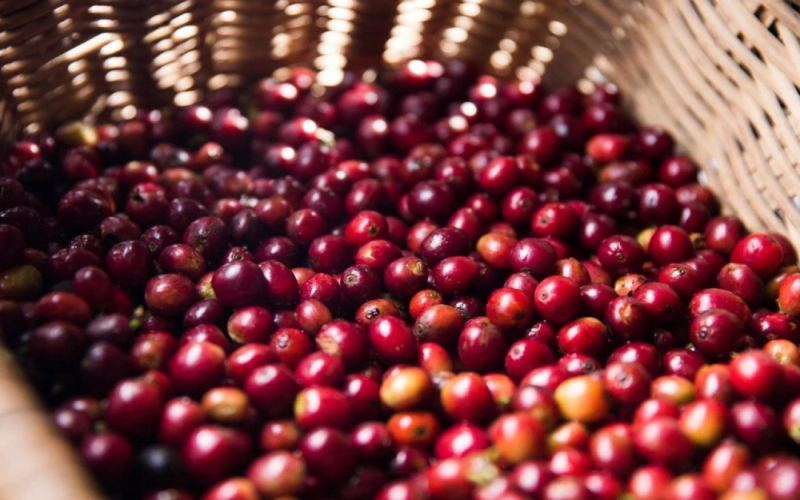
A Complete Guide to Coffee Bean Varieties: A Flavor Map from Typica and Bourbon to Caturra, Maragogype, and Geisha
The world of coffee is far richer than we imagine. From the two main commercial species, Arabica and Robusta, to classic derivative varieties such as Typica, Bourbon, Caturra, and Maragogype, and on to the Geisha that has been so highly sought after in recent years, every variety carries a unique story of terroir and genetics. This article systematically sorts out the classification system of coffee varieties, explains in detail the origin, characteristics, and flavor performance of each variety, and includes Front Street Coffee's recommended tasting guide to help coffee lovers find their own cup among the dazzling array of beans on the menu. [more…]
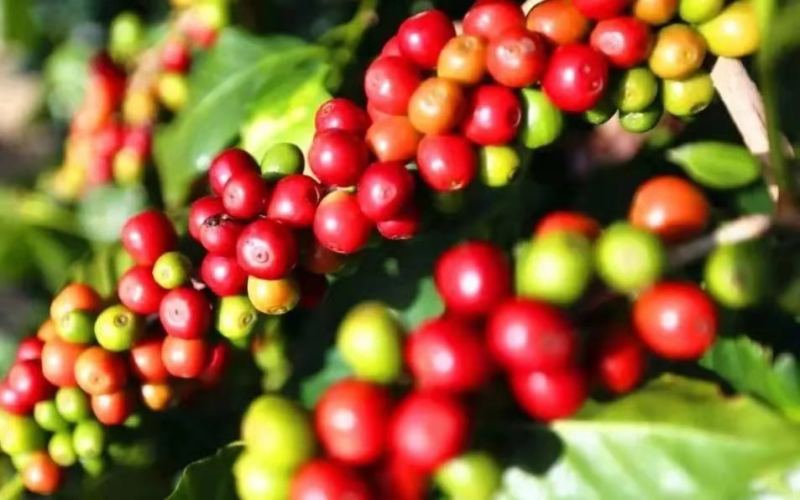
Analyzing the Characteristics of Robusta Coffee Beans: Is It Really So Bitter That It Makes People Shy Away?
In the specialty coffee wave, Arabica is often hailed as the premium choice, while Robusta frequently encounters prejudice. However, is this coffee variety, labeled as "bitter" and "cheap," truly worthless? This article will comprehensively analyze the true nature of Robusta coffee beans from multiple perspectives, including botanical characteristics, flavor composition, and commercial uses. You will discover that it is not only the soul source of espresso crema but also plays an irreplaceable role in blends. Front Street Coffee will also use its own blending experience to help you rediscover this "unsung hero" of the coffee world. [more…]
Comparative Analysis of Flavor and Taste Characteristics of Colombian, Indonesian, and Ethiopian Coffee Beans
In the world of coffee lovers, coffee beans from different origins always deliver strikingly different taste experiences. Colombia, Indonesia, and Ethiopia, as three classic origins, each carry their own unique terroir and history. Colombia is known for its smooth, balanced Robusta and premium Arabica, while Ethiopia is regarded as the birthplace of coffee, with its Kaffa, Sidamo, and Harrar regions each offering distinctive characteristics; Asia's India and Yemen have also left their mark on this flavor map. This article will start from origin background, bean variety characteristics, and taste performance to systematically compare the differences among coffee beans from these origins, and specially recommend several selected beans from Front Street Coffee to help you find the cup that best suits your taste. [more…]
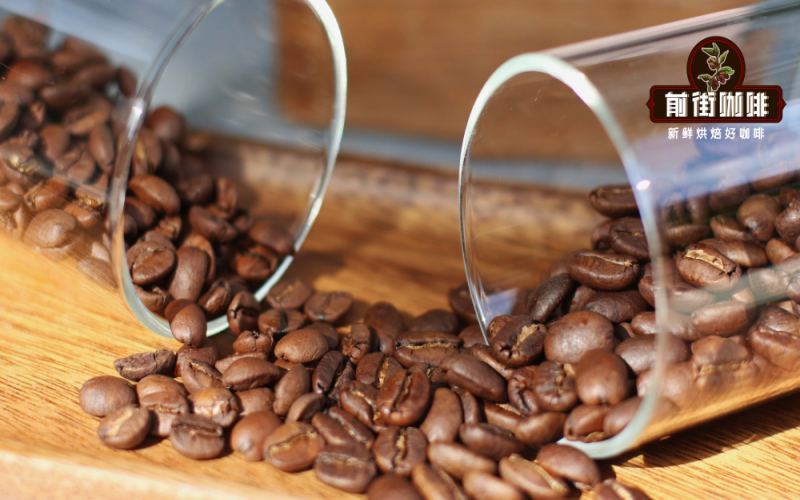
A Detailed Guide to Espresso Blend Coffee Bean Recipes: From Raw Blending and Roasted Blending to Front Street Coffee's Three Classic Blend Options
Blending coffee beans means mixing single-origin coffee beans from different regions in certain proportions, so that their respective strengths complement or reinforce one another, resulting in a more balanced and stable flavor expression. This article revolves around the core logic of espresso blending, first explaining the trade-offs between the two processes of raw blending and roasted blending, then sharing three representative recipes from Front Street one by one: Specialty Blend (Colombia Huila × Brazil Cerrado), Commercial Espresso Blend (with Robusta added), and Basic Espresso Blend (Yunnan AA × Brazil). The article records in detail the altitude, variety, processing method, and roasting approach of the beans from each origin, and gives the flavor direction and applicable scenarios after blending, making it suitable as a reference for coffee enthusiasts and people opening shops. [more…]
A Roundup of the World's Top Specialty Coffee Bean Brands: A Curated Selection of Single-Origin Pour-Over Arabica Blue Mountain Beans
The specialty coffee market is growing ever larger, with coffee beans from various origins emerging in endless succession, often leaving coffee lovers at a loss when making choices. Drawing on years of tasting experience, Front Street Coffee has put together for coffee enthusiasts a complete introduction ranging from the varietal differences between Arabica and Robusta to ten representative specialty coffee beans, including Jamaican Blue Mountain, Indonesian Golden Mandheling, and Panamanian Red Label Geisha. The article not only covers each bean's origin, altitude, variety, processing method, and flavor description, but also delves into background knowledge such as the Blue Mountain certification standards, the Hacienda La Esmeralda grading system, and the Red Cherry Project, helping readers build a systematic framework for understanding specialty coffee. [more…]
Coffee Bean Variety Guide: Origins and Flavor Profiles of 11 Common Beans Including Typica, Bourbon, and Maragogipe
In the world of coffee, the two great camps of Arabica and Robusta support the daily cup for the vast majority of people, but what truly makes flavors endlessly varied are those ancient names hidden within the variety pedigree: Typica, Bourbon, Maragogype, Caturra, Mundo Novo... They either originate from the primitive forests of Ethiopia or were born from laboratory hybrid breeding, and each one carries a unique origin story and flavor imprint. This article systematically sorts out 11 of the most common coffee bean varieties, from botanical classification to cupping performance, from the elegance of Typica to the sweetness of Bourbon, from the huge size of Maragogype to the floral and fruity aromas of Geisha, breaking down their characteristics, producing regions, and representative beans one by one. Whether you are a pour-over enthusiast or an espresso player, this is a variety guide worth keeping. [more…]
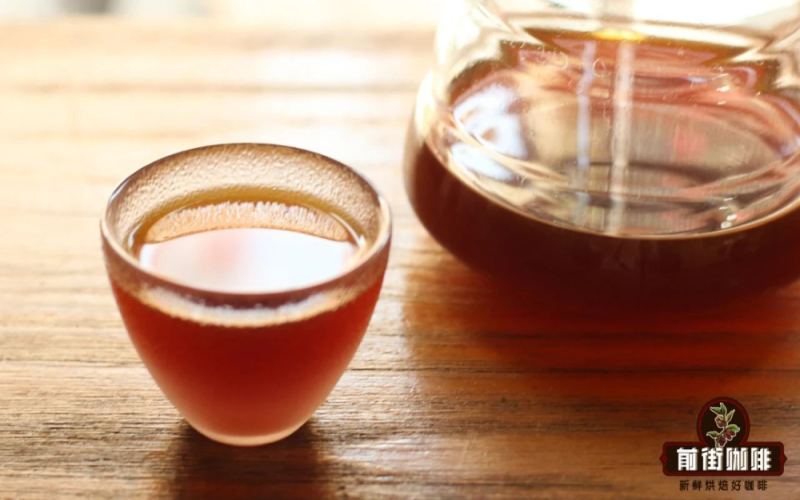
Top 10 Specialty Coffee Regions Worldwide: A Guide to Premium Gift Coffee Beans from Africa to Asia
If you want to find the single-origin coffee that best represents your taste preferences, or choose a respectable coffee gift for a friend, understanding the producing regions is the first step. Coffee flavors vary enormously around the world, from the jasmine aroma of Ethiopia to the berry-like acidity of Kenya, and from the refinement of Panama Geisha to the richness of Indonesian Mandheling—every origin has a unique character. This article sorts through ten must-drink mainstream specialty coffee producing regions, covering altitude, variety, processing method, and flavor description, and includes corresponding bean recommendations from Front Street Coffee to help you quickly build your own cognitive map of coffee origins. [more…]
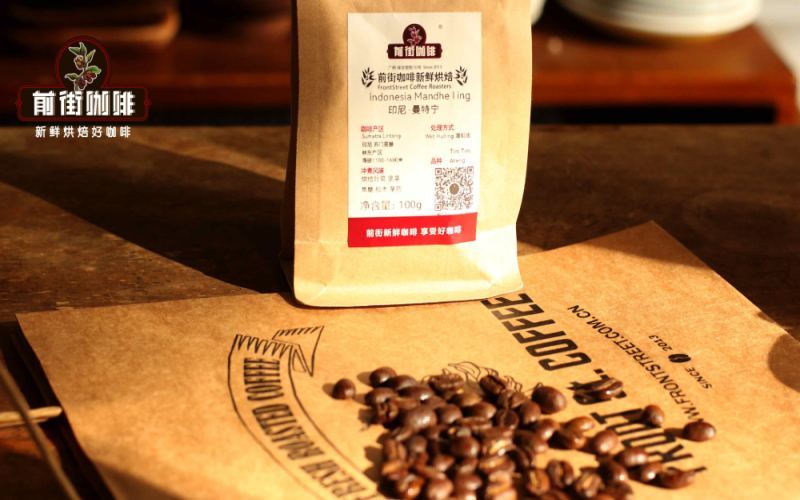
Tracing the Origins of Indonesian Sumatra Mandheling: The Naming Origins and Quality Standards of PWN Golden Mandheling
Mandheling is a classic representative of Asian coffee, and PWN Golden Mandheling is the pinnacle of high-end quality within this category. It is rich and smooth with low acidity, favored by drinkers who dislike sour coffee. This coffee, which gained worldwide fame earlier than Blue Mountain, originates from Sumatra, Indonesia, divided by the Barisan Mountains, with its highest peak, Mount Kerinci, being an active volcano at 3,800 meters above sea level. Mandheling is native to the Mandailing region of North Sumatra, while Golden Mandheling became a trademark registered by PWN rather than a grade designation. PWN was founded in 1957, focusing on the export of Sumatra Arabica Grade 1 and Robusta AP-I Grade 2, mainly sold to Japan and Taiwan, China, becoming synonymous with quality assurance. Golden Mandheling requires beans of 19 mesh or above, G1 grade, three rounds of hand sorting, with fewer than 3 defective beans. Front Street PWN Golden Mandheling comes from the Gayo Mountains in Aceh, at an altitude of 1,100-1,600 meters, of the Ateng variety, processed using the wet-hulled method, and after medium-dark roasting presents flavors of chocolate, caramel, spices, and herbs. It can be used for pour-over, drip bags, French press, siphon, moka pot, and home espresso machines to make SOE. [more…]
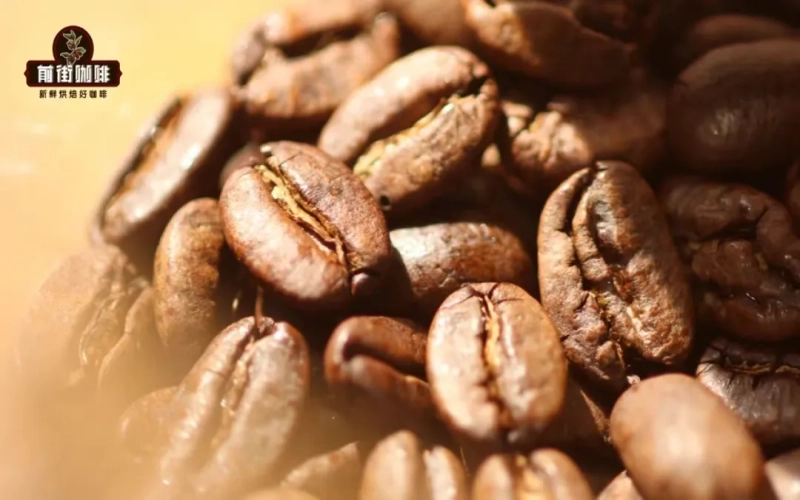
How does Indonesia's PWN company define the Golden Mandheling standard? An analysis of the origins of the Sumatra coffee industry
Lovers of Mandheling coffee often hear the name "Golden Mandheling," but exactly what kind of Mandheling deserves the word "Golden"? This is closely tied to the history of the Indonesian green coffee company PWN. In 1977, after the founder's son took over the business, he resolved to make his company's products stand out within the same category, and to that end set about establishing export commodity standards, focusing on the export of premium Mandheling and Robusta coffee. This article will take an in-depth look at the relationship between PWN and Sumatra's coffee industry, analyze the grading standards for Golden Mandheling, and introduce Front Street Coffee's professional information channels in the specialty coffee field, helping readers gain a comprehensive understanding of the origins and development of this classic Indonesian coffee. [more…]
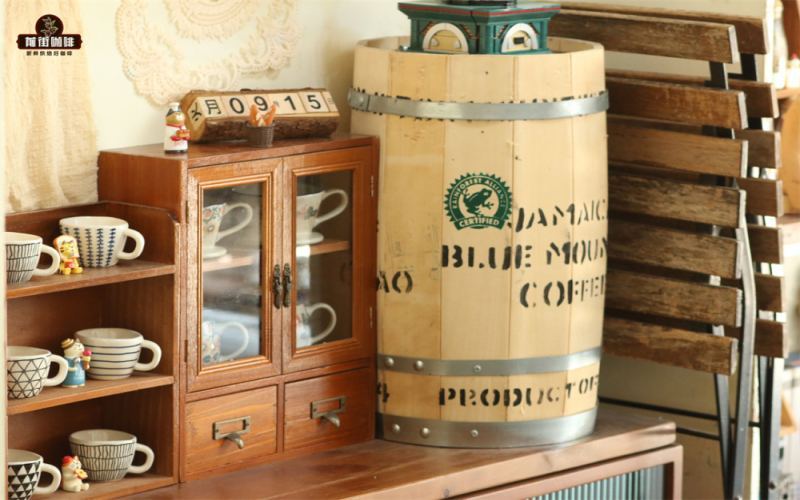
What grade does Arabica coffee belong to? A comprehensive analysis of major global origins and representative brands
Coffee belongs to the Rubiaceae family, with about eighty known species, of which three main categories are used for drinking: Arabica, Robusta, and Liberica. Arabica, with its balanced flavor and aroma, has become the mainstay of single-origin and specialty coffee, accounting for more than seventy percent of global production. From the nutty-chocolate notes of Brazil, to the citrus and dark cocoa of Colombia, and on to Panama Geisha, Jamaica Blue Mountain, and Ethiopia Yirgacheffe, each origin has its own distinctive flavor. Front Street Coffee stores carry coffee beans from more than fifty origins, and this article examines Arabica's grade positioning and the flavors of well-known origins around the world one by one. [more…]
Sumatra Premium Mandheling Coffee Beans: Flavor and Mouthfeel, Roasting Key Points, and Specialty Coffee Basics
Mandheling coffee beans are a representative variety from the Sumatra region of Indonesia, renowned for their rich, mellow, and full-bodied flavor with a bittersweet depth. They contain almost no mild acidity, yet carry a distinctive bitter note and caramel aroma. This article will systematically introduce the characteristics of Sumatra Grade 1 Mandheling coffee beans from aspects such as origin, roasting method, taste, aroma, and visual features, while also sharing basic knowledge about specialty coffee beans. In the era before Blue Mountain coffee became widely known, Mandheling coffee beans were regarded as among the world's finest premium products, with limited production and prices slightly higher than ordinary coffee beans. Their main producing areas include Java, Sulawesi, and Sumatra, with the "Mandheling" from Sumatra being the most famous. Since Mandheling coffee beans have extremely low acidity, they are particularly suitable for long-term heat preservation or making iced coffee, as they are unlikely to develop an unpleasant sour or astringent taste. Front Street Coffee recommends that enthusiasts pay attention to the roasting level and brewing method to fully bring out their rich, mellow flavor. [more…]