







Why does coffee beans origin shape flavor so much?
Coffee beans origin matters because altitude, soil, rainfall, and processing vary widely along the coffee belt, the band of tropical countries near the equator. Ethiopia delivers floral and citrus notes, Kenya brings blackcurrant acidity, Colombia offers caramel and red fruit, and Sumatra leans earthy and herbal. Each region's farms work within its own climate.
Moving east, Panama Geisha is known for jasmine and bergamot, Costa Rica for honey sweetness, and Guatemala for cocoa and spice. Brazil leans nutty and chocolatey, while Indonesia and Vietnam favor body over brightness. Learning a few origins helps anyone pick beans that match their taste rather than guessing from a label.
Whether you're looking for a single-origin coffee that best represents your taste preferences, or choosing a presentable coffee gift for a friend, understanding the growing regions is the first step. Coffee flavors vary dramatically around the world—from the jasmine aromatics of Ethiopia to the berry-like acidity of Kenya, from the delicacy of Panama Geisha to the richness of Indonesian Mandheling—each origin has its own unique character. This article outlines ten must-try mainstream specialty coffee regions, covering altitude, varieties, processing methods, and flavor descriptions, along with corresponding bean recommendations from Front Street Coffee, to help you quickly build your own cognitive map of coffee origins.
Single-origin coffee beans sold on the market are usually named directly after their origin, so you can tell the flavor direction at a glance. Origin is one of the core factors determining coffee flavor, so whether you're searching for the one you love most or planning to broadly explore different styles, it's worth getting to know the world's most important coffee regions first. Below we introduce ten coffee origins not to be missed, in no particular order.
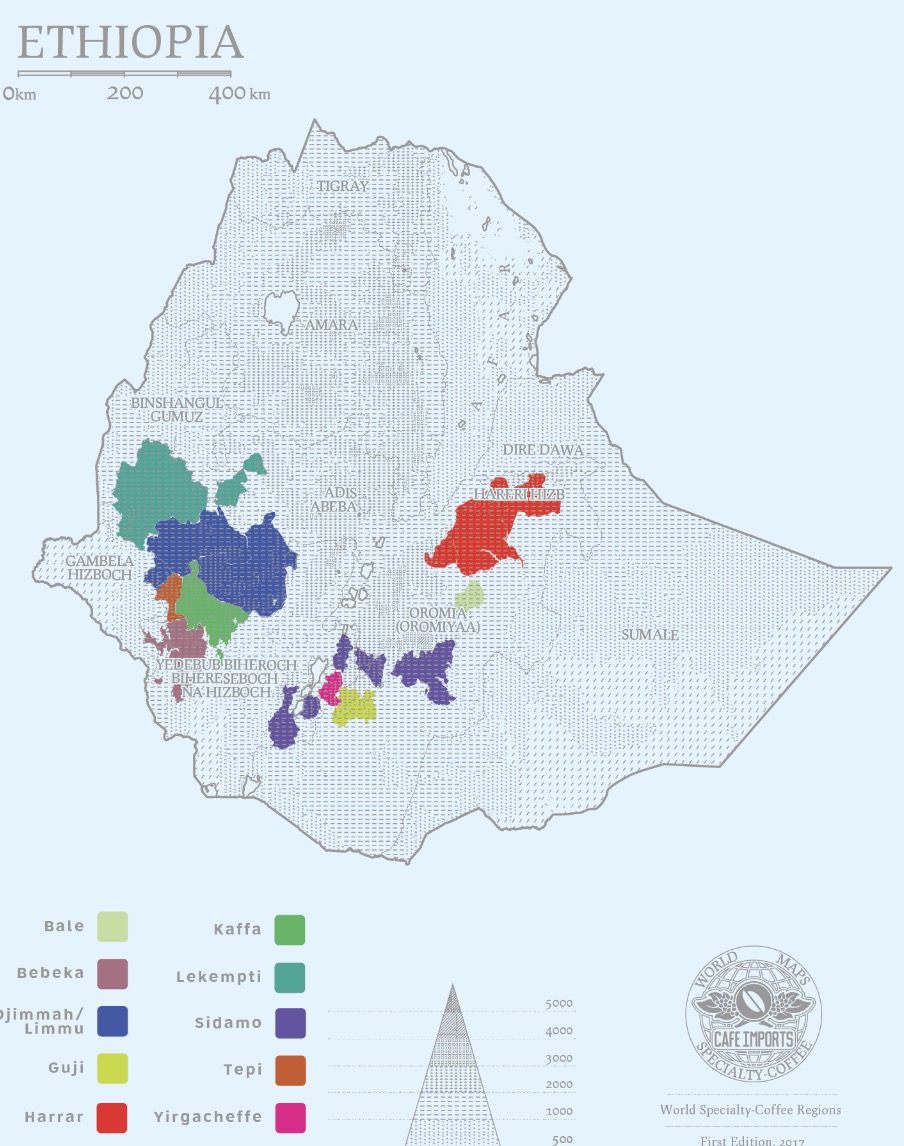
Ethiopia
As the birthplace of coffee and the original home of Arabica, Ethiopia produces coffee known for its full, rich yet refreshing character, with bright acidity and prominent fruity notes. Because of this, beans from this region remain one of the most widely stocked single-origin options in cafes around the world.
The Yirgacheffe region in the south of the country, at an altitude of 1,700 to 2,100 meters, is one of the highest coffee-growing areas in the world and a signature representative of Ethiopian specialty coffee. The so-called Yirgacheffe flavor typically presents abundant citrus and lemon-like fruit acidity, intense jasmine aromatics, a light and elegant entry, and a tea-like texture—like drinking a cup of crisp, clean lemon tea.
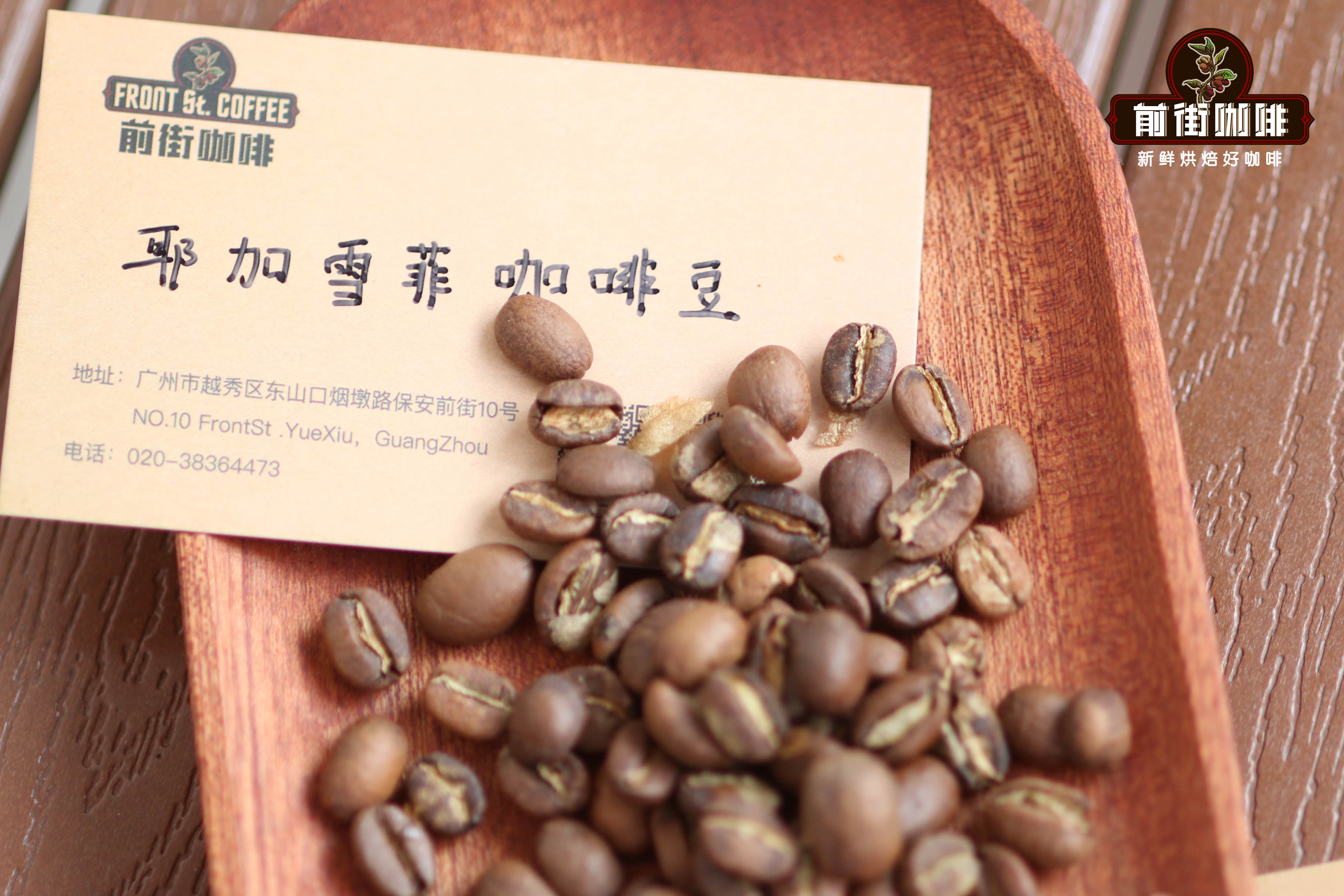
Front Street Washed Yirgacheffe Coffee Beans
Region: Yirgacheffe, Ethiopia
Altitude: 1,800m–2,000m
Variety: Local Heirloom
Processing: Washed
Brewing Flavor: Jasmine, Berries, Lemon, Citrus
Kenya
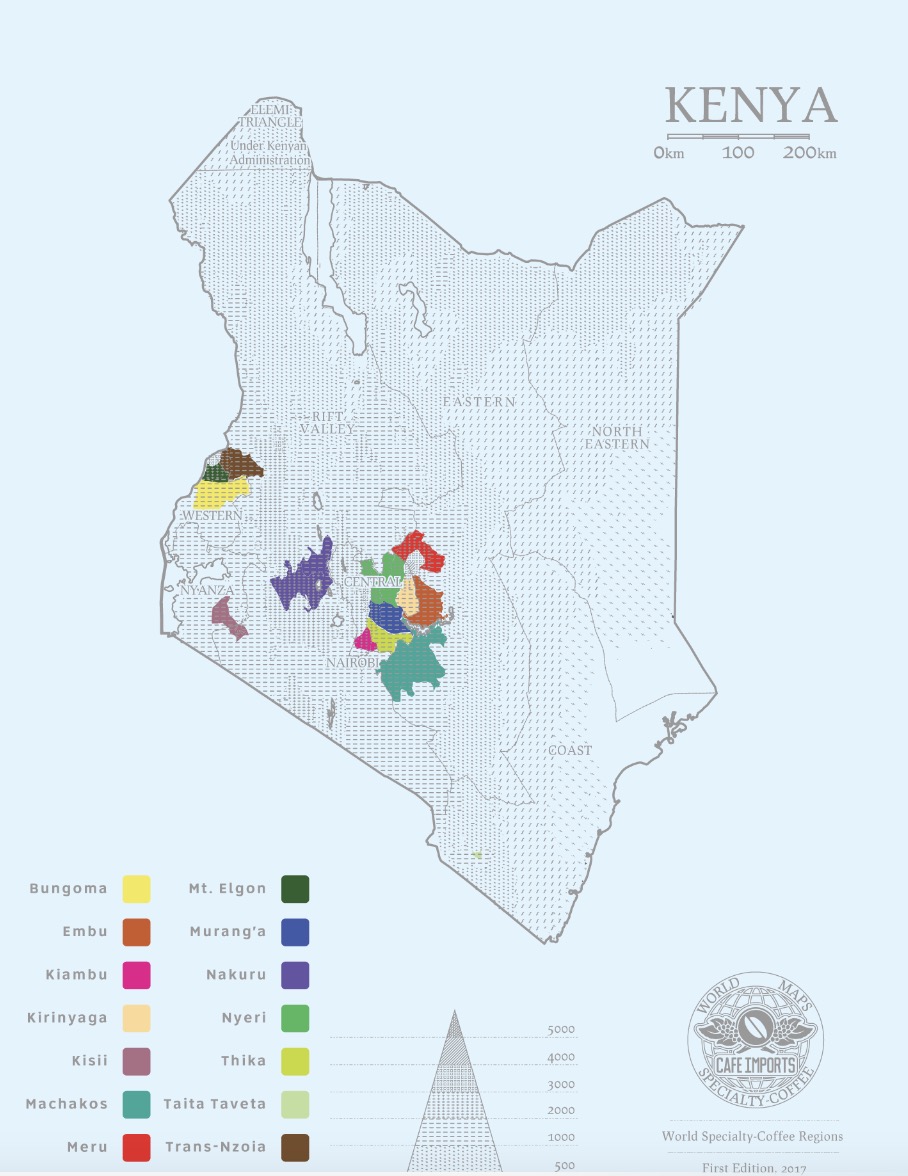
Although Kenya borders Ethiopia, coffee took a long detour around the globe before taking root here, only settling in five hundred years later. It is precisely because of this tortuous history that local coffee varieties are more diverse, famous for beans bursting with juicy character. The flavor carries berry-like acidity reminiscent of cherry tomatoes, with intertwined sweetness and acidity and a clear profile. The soil of Kenya's mountainous regions is rich in phosphoric acid, giving the coffee a bright and vibrant mouthfeel.
Kenya is located in East Africa, with an average altitude of about 1,500 meters. Coffee farms are mainly scattered in the volcanic zone at altitudes of 1,600 to 2,100 meters from the capital Nairobi to the Kenyan highlands. Such heights favor flavor development, because mountain temperatures are lower, fruit grows slowly, aromatic substances accumulate fully, fruit acidity is more pronounced, and the beans are harder. This fertile crescent-shaped coffee belt is the core source of Kenyan specialty beans.
Front Street Kenya Cherry Tomato Coffee Beans
Region: Asali Processing Station, Thika, Kenya
Altitude: 1,550m–1,750m
Variety: SL28, SL34
Processing: K72 Washed
Flavor Notes: Dark Plum, Cherry Tomato, Snow Pear, Yellow Sugar, Plum
Rwanda
Rwanda's specialty coffee-growing areas are concentrated in the south and west. The southern Huye highlands and Nyamagabe region, due to higher altitude, often give beans floral and citrus tones; the Nyamasheke region by Lake Kivu in the west is known for high-quality coffee with a full body, rich aroma, and abundant juiciness.
Front Street Rwanda Red Bourbon Coffee Beans
Region: Nanshi, Rwanda
Altitude: 1,500m–1,700m
Variety: Red Bourbon
Processing: Washed
Brewing Flavor: Citrus, Tea, Berries
Panama
Before Hacienda La Esmeralda's Geisha made its name in 2004, coffee from Panama received little market attention. For this reason, owners of several large coffee estates in the country jointly founded the Specialty Coffee Association of Panama (SCAP) and launched the world's first green coffee competition (BOP) in 1996, hoping that competition would bring outstanding lots market recognition and thereby command higher purchase prices.
As Hacienda La Esmeralda's Geisha gained international fame, Panama's annual BOP green bean competition became a global focal point. Boquete, where Hacienda La Esmeralda is located, also saw its coffee beans widely sought after. Boquete sits on the eastern slopes of Baru Volcano, with a cool, foggy climate, and its complex terrain creates unique microclimates. The cool temperatures and frequent fog help delay coffee fruit ripening, comparable to the effect of high-altitude growing. The coffee from this region ranges from cocoa to fruity notes, accompanied by mild acidity.
Front Street Panama Hacienda La Esmeralda Diamond Mountain Coffee Beans
Region: Boquete, Panama, Hacienda La Esmeralda
Plots: Canas Verdes & Jaramillo
Altitude: 1,400–1,700m
Variety: Caturra, Catuai
Processing: Natural
Brewing Flavor: Citrus, Berries, Honey, Cocoa, Fermented Aroma
Colombia
Colombia has nutrient-rich volcanic soil, abundant rainfall, and no frost threat. Its coffee industry thrives, quality has long been stable, and output ranks second in the world, after Brazil. The country grows only Arabica varieties.
Colombian coffee beans are large, light green, and perfectly express the fresh, elegant style of South American coffee, with well-balanced aroma, acidity, and sweetness. Among them, beans from the Huila region carry refined berry-like acidity, making them especially beloved. Huila Department is located in the southern section of Colombia's Central Cordillera and is the country's most renowned specialty coffee region. Surrounded by mountains, its growing altitude is above 1,500 meters. Because coffee farms are mostly on canyon slopes, they have both the high altitude and suitable temperatures needed for growing quality Arabica and can maintain stable quality. Huila coffee has a full body, a rich texture, and aromas of nuts, chocolate, and caramel along with smooth, pleasant fruit acidity.
Front Street Colombia Huila Coffee Beans
Region: Huila, Colombia
Altitude: 1,500m–1,800m
Variety: Caturra
Processing: Washed
Brewing Flavor: Nuts, Dark Chocolate, Caramel, Mild Fruit Acidity
Costa Rica
Costa Rica's finest coffee beans are all grown above 1,500 meters and labeled SHB (Strictly Hard Bean). The cool air at high altitude slows fruit maturation, concentrating flavor and allowing for ultimate expression during roasting. To control quality, the country permits only Arabica cultivation, and growing Robusta has been made illegal.
Tarrazu is located south of Costa Rica's capital, San Jose, and is one of the country's most valued coffee-growing areas, with coffee cultivated above 1,500 meters, so more than 95% of beans in the region reach SHB grade. Tarrazu coffee beans are plump with good body and a smooth mouthfeel, carrying rich chocolate and nut aromas, moderate acidity, and an inviting fragrance.
Front Street Costa Rica Tarrazu Coffee Beans
Region: Tarrazu, Costa Rica
Altitude: 1,500m
Variety: Caturra, Catuai
Processing: Washed
Brewing Flavor: Sweet Orange, Honey, Toffee, Nuts
Brazil
Brazil is the world's largest producer and exporter of Arabica coffee, accounting for 40% of global output. Beyond its massive commercial bean supply for blends and espresso, it also offers excellent single-origin coffees. Specialty-grade Brazilian Arabica has a charming and distinctive flavor, with caramel and chocolate tones, relatively low acidity, and pronounced sweetness. Do not underestimate a cup of Brazilian coffee just because its acidity is not high—one more sip will reveal its excellence.
Brazilian specialty coffee mainly comes from Minas Gerais state. Representative regions in the state include Cerrado and Sul de Minas, both located at higher altitudes. Cerrado is in western Minas Gerais, a flat plateau at 750 to 1,200 meters. Sul de Minas is hilly terrain at 700 to 1,200 meters. Since 1999, among estates winning Brazil's Cup of Excellence auction, Sul de Minas has had the largest number.
Front Street Brazil Red Bourbon Coffee Beans
Region: Cerrado, Minas Gerais, Brazil
Altitude: 1,000m
Variety: Red Bourbon
Processing: Semi-Washed (Pulped Natural)
Brewing Flavor: Peanut, Cream, Nuts, Chocolate, Caramel
Indonesia
In the era before specialty coffee became widespread, Indonesian beans often left an impression of earthy notes and bitterness, but one could also sense complex flavors of spices, wood, tobacco, and leather, like unsweetened dark cocoa. They were often used in blends and were predominantly Robusta.
As specialty coffee gradually rose, the Indonesian government began to value variety improvement, realizing that Arabica grown on Sumatra could present more refined flavors than Robusta. Sumatra thus became an important Arabica-producing region in Indonesia, with beans from Lintong and Aceh particularly favored. It should be noted that Mandheling is neither a variety name nor a region name, but the name of a tribe, mistakenly taken as a coffee bean name by the Japanese and still used today.
Front Street Indonesia Lintong Mandheling Coffee Beans
Region: Lintong, Sumatra, Indonesia
Altitude: 1,100m–1,600m
Variety: Tim Tim, Ateng
Processing: Wet-Hulled (Giling Basah)
Brewing Flavor: Toasted Bread, Nuts, Caramel, Pine, Herbs
The difference between Front Street Mandheling and Front Street Golden Mandheling is that Front Street PWN Golden Mandheling, after harvesting and drying, undergoes at least three rounds of hand sorting to ensure bean size reaches 18 mesh or above, with fewer than 3 defective beans in a 300-gram green bean sample, belonging to the highest G1 grade. PWN beans are darker green and uniformly flat. Although Lintong Mandheling's sorting process is less stringent than PWN's, its flavor profile is already sufficient to represent the Sumatra region of Indonesia.
Front Street PWN Golden Mandheling Coffee Beans
Region: Aceh, Sumatra, Indonesia
Company: PWN Pwani
Altitude: 1,100m–1,600m
Variety: Tim Tim, Ateng
Processing: Wet-Hulled (Giling Basah)
Brewing Flavor: Spices, Nuts, Pine, Caramel, Herbs, Chocolate
Jamaica Blue Mountain
Jamaica is a small island nation in the Caribbean, famous for Blue Mountain coffee. The slopes of the mountain range running across the island form Jamaica's main coffee-growing belt, with the Blue Mountains being the most famous. The Blue Mountains are an excellent coffee-growing location, with the highest peak reaching 2,256 meters. Coffee named after the Blue Mountains has large beans, excellent quality, and balanced flavor, with appropriate acidity, bitterness, aroma, body, and sweetness—globally recognized as specialty coffee.
The Blue Mountain coffee sold by Front Street Coffee comes from Clifton Mount Estate, the only coffee estate in the Blue Mountain growing region to receive Rainforest Alliance certification. The estate's cultivation and processing areas average 1,310 meters in altitude; sufficient height, gentle afternoon cloud cover, ample sunshine, and mineral-rich soil provide superior growing conditions for coffee trees and extend the ripening cycle of coffee cherries.
Front Street Jamaica Blue Mountain No. 1 Coffee Beans
Origin: Blue Mountains, Jamaica
Estate: Clifton Mount Estate
Altitude: 1,310m
Variety: Typica
Processing: Washed
Brewing Flavor: Dark Chocolate, Nuts, Cream, Balanced Acidity-Sweetness-Bitterness
Yunnan, China
Yunnan small-bean coffee is suited to mountain areas at 800 to 1,800 meters; too high an altitude makes it sour, too low makes it bitter. Small-bean coffee is mostly planted in dry-hot river valleys at around 1,100 meters, so acidity is moderate, aroma is rich and mellow. Many areas in Yunnan (Lincang, Pu'er, Baoshan, etc.) have unique environments suitable for small-bean coffee, producing excellent quality.
Selecting a suitable variety, planting it at the right altitude, and after the fruit ripens, experimenting to find a processing method that showcases its distinctive flavor—this is the only logic chain Front Street believes can present clearly defined regional flavors in specialty coffee. Therefore, in 2013, Front Street Coffee planted the oldest Arabica variety—Typica—in Lincang, Yunnan, near Myanmar at 1,300 meters. Its characteristic is a clean, serene flavor. Because of this trait, "Front Street 2013 Yunnan Typica Coffee Beans" present a flavor highly recognizable to the region: plum, berries, brown sugar, black tea, nuts, full-bodied and clean overall.
Front Street 2013 Yunnan Natural Typica Coffee Beans
Origin: Lincang, Yunnan, China
Estate: Front Street Coffee Estate
Altitude: 1,300m
Variety: Typica
Processing: Natural
Brewing Flavor: Plum, Berries, Brown Sugar, Black Tea, Nuts
The above content is compiled by CoffeeHunters, a coffee news website.


