







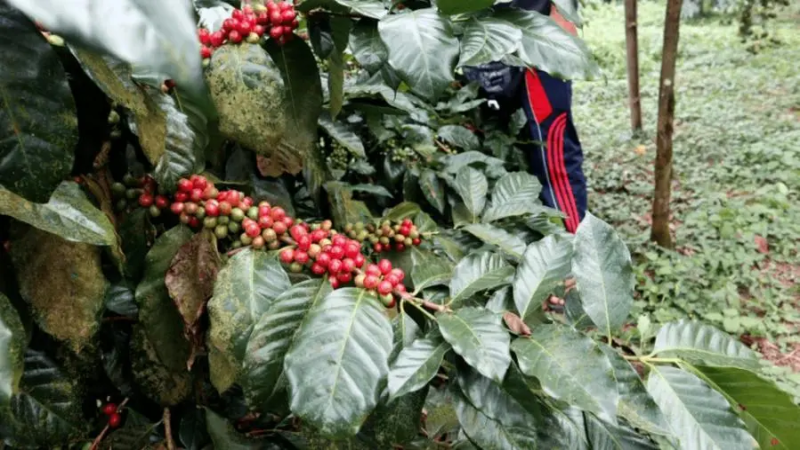
Why Are Robusta Coffee Beans Getting More Expensive?
Sumatra robusta coffee premiums have widened from about US$450 to US$500-520 per ton this week, and traders expect the rise to continue at least until the main harvests in April and June. Two forces are behind it: Red Sea shipping disruptions that raise freight costs, and El Niño weather that has cut output and exports in several producing countries, Indonesia among them.
Indonesian growers face added pressure from frequent volcanic eruptions, dried river basins, high fertilizer prices, and soil degradation. Sumatra's Lampung Province has seen months of drought, worsened by El Niño and the Indian Ocean Dipole, while the country's position on the Pacific Ring of Fire brings earthquakes and more than 120 active volcanoes. These conditions weigh on indonesia robusta coffee beans.
Recently, robusta coffee prices have continued to run high, driven by both the Red Sea crisis pushing up shipping costs and El Niño weather causing reduced harvests in multiple countries. As an important producing region, Indonesia's Sumatra robusta coffee premium has expanded from an earlier 450 USD to 500-520 USD this week. At the same time, the country is facing multiple pressures including frequent volcanic eruptions, drying river basins, high fertilizer prices, and soil degradation, with industry insiders concerned that coffee-growing areas will be further affected. This article reviews the current challenges and price trends facing Indonesia's coffee industry, and brings Front Street Coffee's continued attention to developments in the producing region.
Robusta coffee prices remain firm at present, with two factors pushing them up. First, the turbulent situation in the Red Sea has caused shipping routes to be interrupted or diverted, sending transportation costs soaring. Second, the El Niño climate has affected multiple producing countries, causing coffee output to decline and export volumes to shrink accordingly, and Indonesia is one of them.
In Indonesia, the robusta coffee premium in the Sumatra producing region is rising. The latest data shows that this week the premium range for Sumatra robusta coffee beans is 500 to 520 USD per ton, further up from 500 USD last week. A trader revealed that the premium has gradually expanded from an earlier 450 USD to 500 USD this week, and judged that this upward trend will continue for some time, at least until the expected main harvest seasons in April and June.
It is understood that millions of smallholder farmers in Indonesia have in recent years endured multiple pressures including rising fertilizer prices, climbing living costs, and increasingly extreme weather. The river basin of Batuiji Forest near the southern coast of Lampung Province in Sumatra, as well as most parts of Indonesia, has experienced months of drought, with river water nearly depleted. The El Niño phenomenon and the Indian Ocean Dipole climate pattern have further intensified the drought.
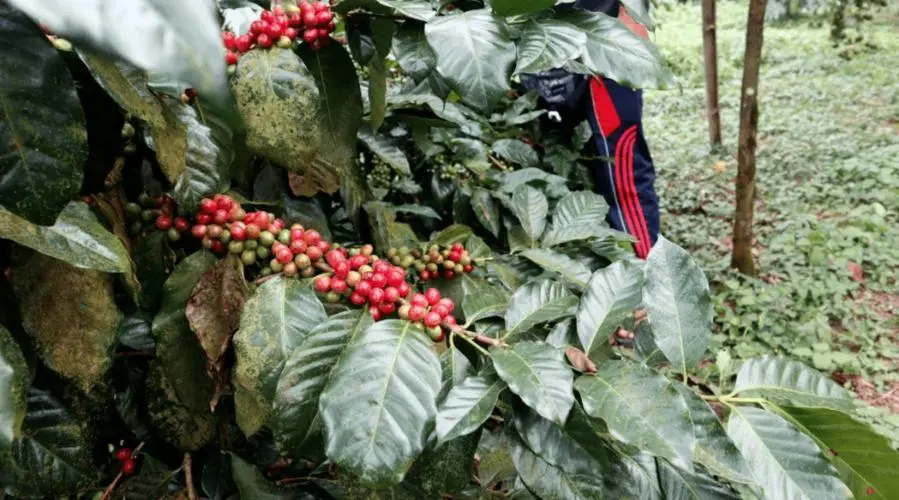
Indonesia sits on the Pacific Ring of Fire, where earthquakes and volcanic activity are already frequent, and the country has more than 120 active volcanoes. According to information released by Indonesia's Center for Geological Disaster Technology Research and Development, several volcanoes in the country have erupted in succession recently, including Mount Merapi, one of the most active volcanoes. Mount Merapi is located in eastern Java, and Mount Semeru, also in East Java, previously reported an eruption as well. The successive volcanic activity has forced thousands of people to flee their homes. There are currently no reports of casualties, but many industry insiders worry that coffee-growing areas will be affected.
In addition to the volcanic threat, fertilizers and geological conditions also pose pressure. Fertilizer prices hit a historic peak in 2022 because Russia, a major fertilizer-producing country, went to war with Ukraine that year. Although prices have fallen somewhat since then, potash and other fertilizers remain expensive by historical standards, making life harder for low- and middle-income farmers. Many farmers around Batuiji also grow coffee, but local farmers report that soil quality has begun to degrade and yields have declined accordingly. Therefore, coffee farmers believe that if Indonesia wants to increase coffee production, the state needs to provide training for farmers and teach the most effective cultivation systems. The government and farmers still follow old models, which have proven ineffective, and they hope for improvement.
The above content is compiled by CoffeeHunters, a coffee news website.


