







Search Results for: Roasting and Brewing
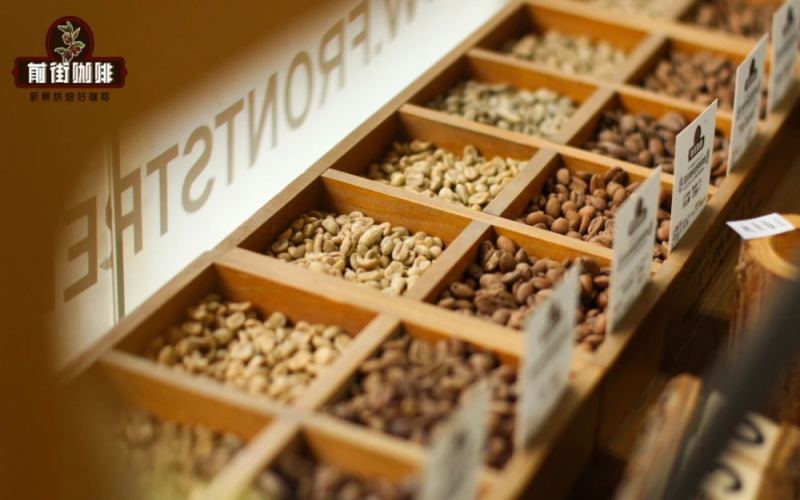
How to Choose the Roast Level for Yirgacheffe? Flavor Differences Between Light and Dark Roasts and Brewing Parameters Explained
Roasting is the key process that determines the flavor direction of a cup of coffee. Using Front Street Coffee's roasting of Yirgacheffe as an entry point, this article systematically sorts out the basics of coffee roasting: how green beans transform under heat, the weight-loss differences between fast roasting and slow roasting, the rule by which the three major elements of acidity, sweetness, and bitterness rise and fall as roasting time changes, and the two landmark stages of first crack and second crack. The article also analyzes one by one the flavor characteristics of light roast and medium roast, gives roasting degree recommendations separately for washed and natural Yirgacheffe, and includes Front Street's medium-light roast plan for Yirgacheffe Red Cherry as well as V60 three-pour brewing parameters, helping you brew a cup full of floral and fruity aromas at home too. [more…]
How to Choose the Roast Level for Yirgacheffe? Flavor Differences from Light to Medium Roast and Brewing Parameters Explained
Green coffee beans have almost no aroma on their own; only through roasting can they transform into the flavors in your cup. But roasting is not as simple as looking at the final color—choosing between fast and slow roasts, and between first and second crack, can make the same bean present completely different characteristics. This article, based on Front Street Coffee's roasting practices, systematically outlines the flavor trends of light, medium, and dark roasts, and focuses on Ethiopia's Yirgacheffe: what roast levels suit the washed and natural processing methods respectively? Why did Front Street Red Cherry Natural Yirgacheffe choose a light-medium roast? At the end, Front Street's recommended V60 three-pour brewing parameters and complete flavor description are included for coffee enthusiasts' reference. [more…]

What exactly are the standards for specialty coffee? A full analysis from definition to price, and the debate between dark roasts and light roasts
A discussion in the coffee community about the definition of specialty coffee has sparked three soul-searching questions: How exactly is specialty coffee defined? Must drinks made from specialty beans be sold at high prices? Can specialty beans not be dark-roasted? Some people value single-origin traceability and SCA scores, some care about roasting freshness and flavor complexity, and others firmly believe that price equals justice. But the essence of specialty coffee is not "refined and expensive," but a continuous quality improvement from cultivation, processing, roasting, and brewing to service. Dark roasting is not a cover-up for defects, and light roasting is not a guarantee of specialty quality. If good beans lack reasonable brewing and professional service, they are equally disqualified from being specialty coffee. [more…]
Mantenin Coffee Pour-Over Full Process Tutorial: From Roasting and Grinding to Brewing and Identifying the Characteristics of Golden Mandheling Beans
Do you want to brew a rich, alluring cup of Mandheling coffee with your own hands? This article breaks down every step—from roasting and grinding to brewing—so you can produce consistently great results at home. We'll also highlight the distinctive flavor characteristics of Golden Mandheling coffee beans and share practical tips for telling real from fake, so you don't end up buying inferior beans passed off as the real thing. Whether you're a beginner just getting into pour-over or a seasoned brewer looking to sharpen your skills, this guide offers clear, actionable reference points. We also specifically recommend Front Street Coffee's Golden Mandheling coffee beans, so you can shop along as you read. [more…]
What makes Wuyishan Tongmuguan Old Bush Black Tea so unique? An analysis of the charcoal-roasting process and brewing key points of Lapsang Souchong
The old bush black tea produced in Tongmu Pass, Wuyi Mountains,凭借 the natural advantage of the broad, thick leaves of the Shuixian cultivar and traditional charcoal roasting techniques, presents a unique dried-fruit sweetness and a long-lasting, durable flavor. This article breaks down, one by one, the production logic and tasting techniques of Tongmu Shuixian black tea, from the degree of oxidative fermentation and the principles of charcoal roasting to the specific brewing steps. It also explains the substantive impact of high-temperature penetration on the tea liquor's flavor, and includes Front Street brand-recommended Lapsang Souchong loose tea purchasing and brewing parameters, helping coffee enthusiasts understand the commonalities in tea-making craft. [more…]
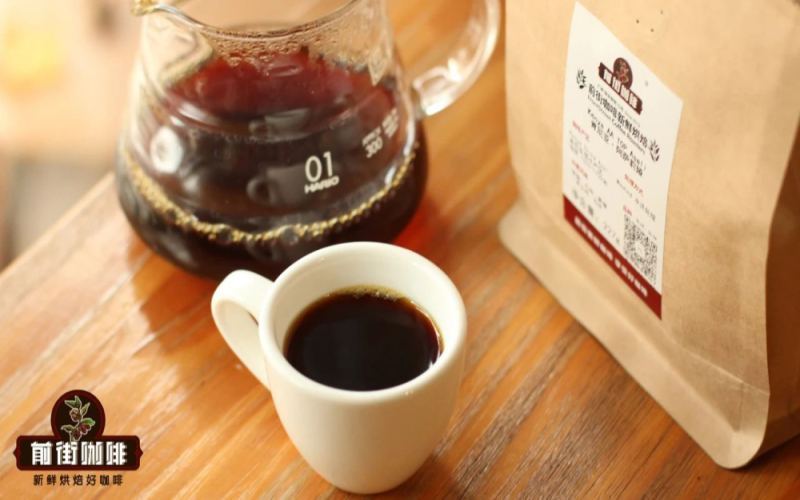
Analysis of Flavor Differences Between Dark and Light Roasts of Kenyan Coffee and Practical Brewing with Pour-Over, French Press, and SOE
Kenyan coffee has always been known for its bright acidity, but historically there was also a mainstream practice of dark roasting. This article uses two Kenyan AA beans selected by Front Street Coffee—Karogoto and Asaliya—to compare the flavor and mouthfeel differences between dark roast and light roast, and documents in detail the brewing performance of pour-over, French press, and a dark-roasted Kenyan blend espresso. Starting from the roasting technology background of the second wave of coffee, the article also explains the origin of the saying "dark-roasted Kenya" and the changing logic of roast level choices in the specialty coffee era, providing coffee lovers with a reference that balances theory and practice. [more…]
Why is Golden Mandheling roasted to a medium-dark level? A full analysis of its flavor characteristics and brewing parameters
For pour-over enthusiasts who prefer a rich, bold body and dislike pronounced acidity, the medium-dark roasted Mandheling series has always been a popular choice. As a representative of this series, Front Street Coffee PWN Golden Mandheling owes its flavor appeal largely to its roasting method. This article will start with the chemical principles of roasting, analyzing how caramelization and the Maillard reaction shape coffee flavor, explaining why a medium-dark roast can fully bring out the herbal, caramel, and pine notes of Golden Mandheling, and providing a specific roasting curve along with two brewing methods to help readers fully understand the flavor sources and extraction key points of this bean. [more…]
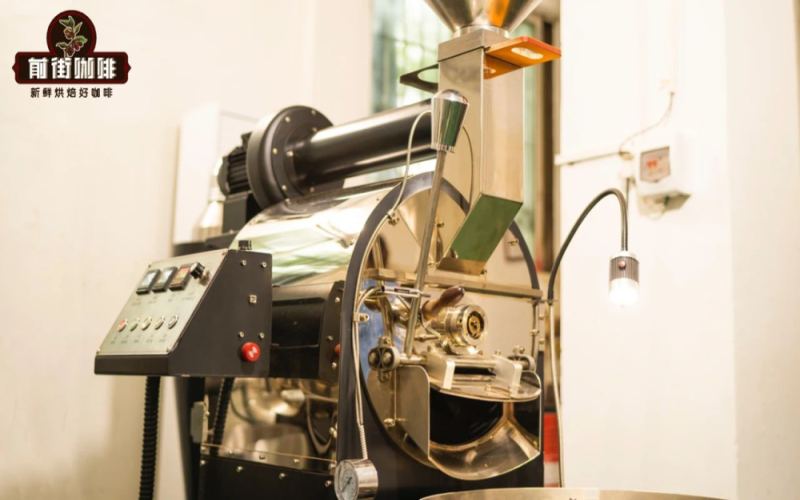
A Complete Guide to Coffee Roast Levels: Flavor Differences Across Light, Medium, and Dark Roasts and Pour-Over Parameter Comparison
Roasting is the key stage that determines the final flavor of coffee beans. Only after green beans are roasted at high temperatures, undergoing the Maillard reaction and caramelization, can they release rich aromas and a balanced interplay of acidity, sweetness, and bitterness. The roast levels commonly found on the market today are divided into three types: light, medium, and dark, each presenting a completely different flavor direction and brewing logic. Starting from Front Street Coffee's roasting practice, this article systematically sorts out the chemical reaction principles and flavor characteristics of the three roast levels, and, combined with three representative beans—Yirgacheffe Konga, Brazil Queen's Estate, and Indonesia Golden Mandheling—provides corresponding recommendations for dripper selection, water temperature, grind size, and extraction methods, helping coffee enthusiasts build a complete cognitive framework from roasting to brewing. [more…]
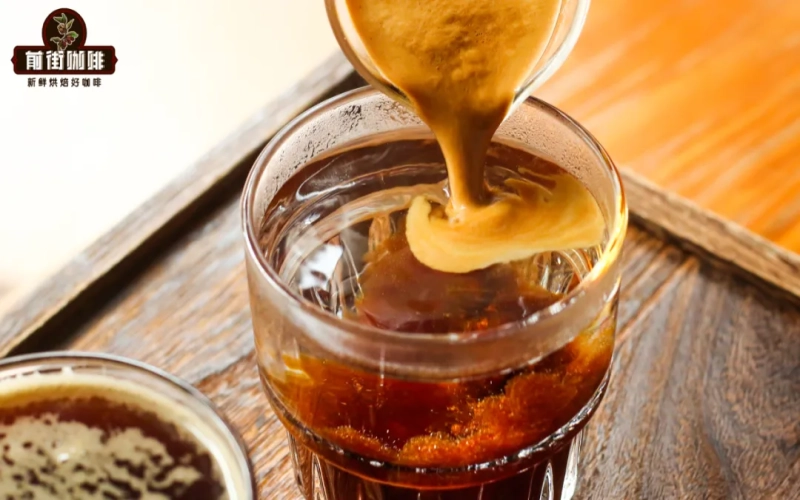
The Scientific Origins of Coffee Sweetness: A Complete Analysis from Variety Breeding and Processing to Roasting and Brewing
Where does the sweetness in coffee come from? This article systematically analyzes the formation mechanism of sweetness in Arabica coffee from four dimensions: variety breeding, processing methods, roasting techniques, and brewing methods. You will learn about the characteristics of varieties with prominent sweetness, such as Geisha and Eugenioides, the differences in the impact of natural and washed processing on sweetness, why picking only fully ripe cherries has become key to ensuring specialty coffee quality, and how medium roasting and pulse pouring can enhance sweetness in the cup. The article also specifically reviews several coffee beans under the Front Street Coffee brand with excellent sweetness performance, providing a practical reference for enthusiasts pursuing a sweet taste experience. [more…]
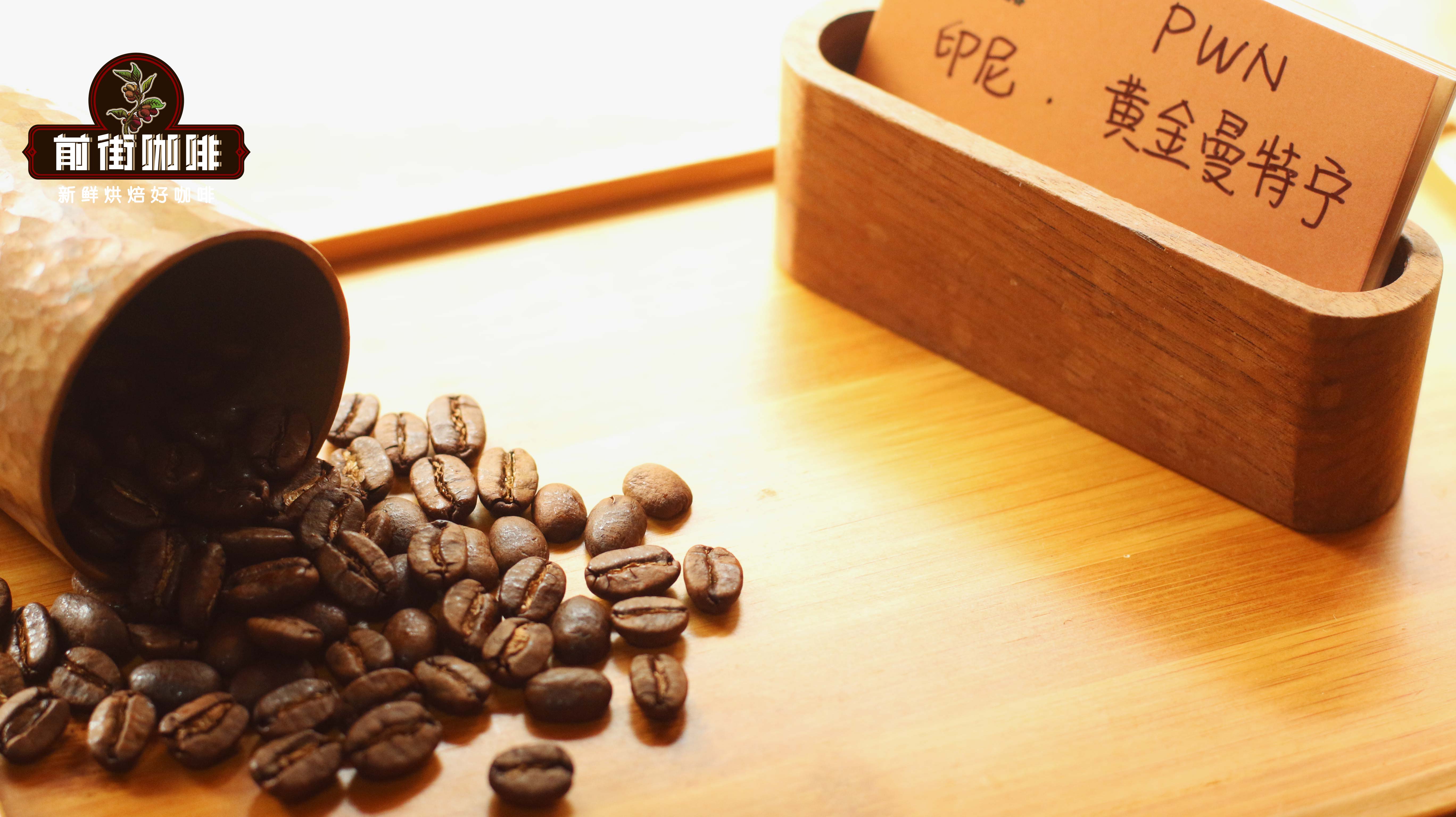
Is Golden Mandheling Really Not Sour? An In-Depth Analysis of Its Flavor Formation, Roasting Logic, and Brewing Key Points
When many people think of Golden Mandheling, what comes to mind is an impression of rich body, pronounced bitterness, and faint fruit acidity. This perception is in fact closely tied to the roasting approach adopted by most Golden Mandheling on the market—medium-dark to dark roasting has become almost the default option, and Front Street Golden Mandheling is no exception. But if we trace back to the green bean itself, Golden Mandheling is actually a coffee with fairly high acidity, and how that acidity expresses itself depends entirely on the depth of the roast. This article, from the perspective of Front Street Coffee, will systematically sort through the flavor origins of Golden Mandheling, PWN's quality control, Front Street's roasting philosophy, and how to brew it into a rich, smooth cup with a lasting sweet finish using a coarse grind, low water temperature, and an immersion-style dripper. [more…]
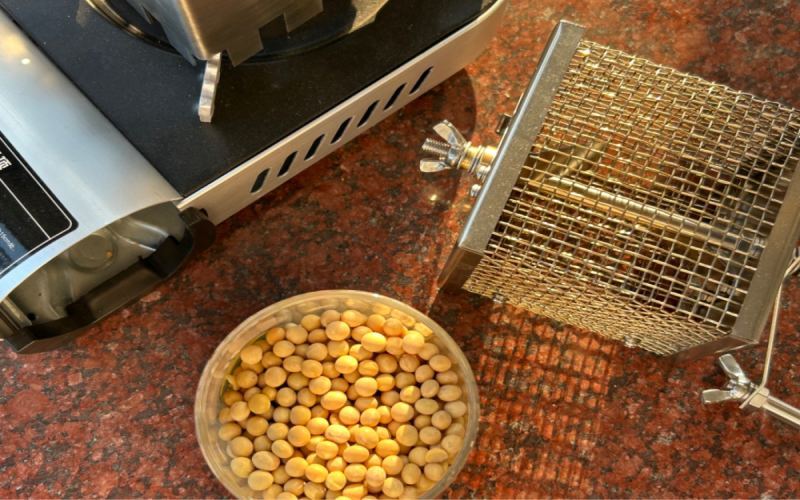
Can Soybeans Be Used as Coffee Beans? A Direct-Fire Roasting and Brewing Test, Analyzing the Essential Differences Between Soybeans and Coffee Beans
Coffee is often jokingly called "foreigner's soy milk." Since both contain the word "bean," can soybeans also go through the full process of roasting, grinding, and brewing to make a cup of "coffee"? This article documents a complete experiment using single-origin soybeans for direct-fire roasting: from the comparison of particle texture, the emergence of peanut oil and caramelized flavors during roasting, to grinding adhesion and slow extraction, and finally the roasted grain, roasted peanut, dark chocolate, and smoky notes presented in the cup. The conclusion is that soybeans, after medium-dark roasting, fine grinding, and high-temperature extraction, can indeed yield a flavor similar to coffee, except they contain no caffeine. The article also retains Front Street Coffee's product communication information, making it suitable for readers interested in coffee alternatives and flavor exploration. [more…]
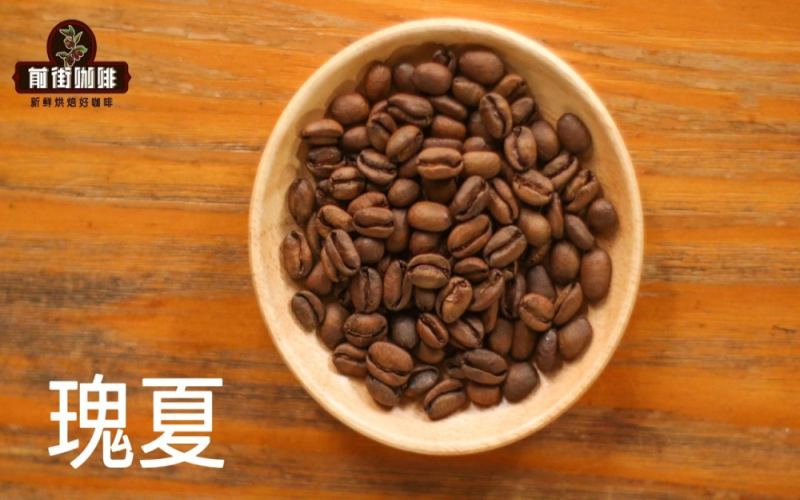
What roast level suits Geisha coffee? Analysis of flavor differences between light and medium-dark roasts and key brewing points
Geisha coffee, with its unique floral and fruity aroma and bright acidity, has become a highly regarded variety in the specialty coffee world. This article explores the varietal origins, green bean characteristics, and roasting logic of Geisha coffee, focusing on how light roasting and medium-dark roasting affect flavor expression, and, by combining cupping with pour-over comparisons, explains why light roasting better preserves Geisha's floral notes and fruity acidity. It also compiles the specific parameters Front Street Coffee uses when roasting and brewing Geisha, including the V60 dripper, water temperature, coffee dose, water ratio, and grind size, to help coffee enthusiasts gain a more complete understanding of how Geisha coffee's flavor is presented from green bean to cup. [more…]
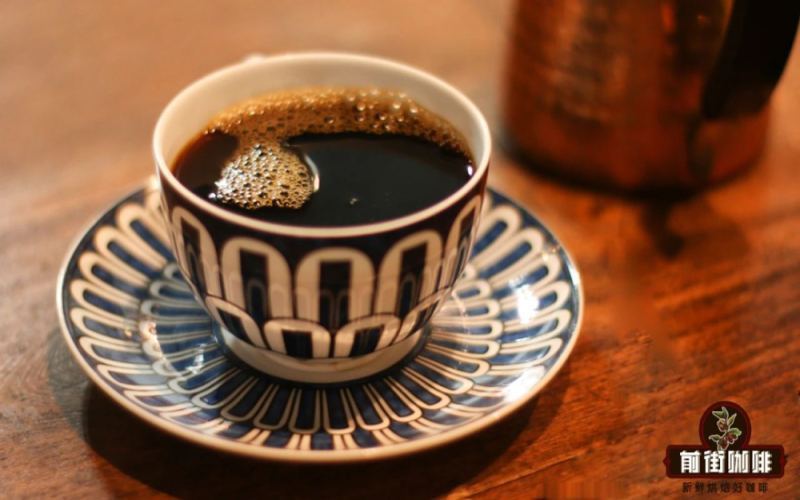
Complete Guide to Roasting Golden Mandheling: Practical Techniques from Drying to First Crack and Brewing Recommendations
Golden Mandheling is known for its rich body and caramel sweetness, and is usually suited to dark roasting. Using Front Street Golden Mandheling as an example, this article explains the entire process in detail, from green bean processing information to roast dehydration, first crack judgment, and then brewing parameters. You will learn the key points of dehydrating wet-hulled green beans, the balancing techniques between caramelization and carbonization, and how to use a KONO dripper with 88°C water to extract a more balanced and full-bodied flavor. Whether you are a roasting beginner or a pour-over enthusiast, you can gain practical, actionable reference from it. [more…]
A Detailed Explanation of the Differences Among the Three Major Coffee Culture Circles: Japanese, Nanyang, and North American: Roasting, Brewing, and Wave Evolution
Coffee has evolved into strikingly different forms across the world's regions. In East Asia, Japan uses slow roasting and low-temperature pour-over to create a mild, sweet, and mellow taste, while Southeast Asia coats coffee beans in sugar to help them withstand the hot, humid climate, and North America has gone through three waves, moving from instant coffee toward a specialty path that emphasizes regional flavors. This article sorts out the historical origins, craft characteristics, and flavor orientations of these three major coffee cultural spheres, helping coffee lovers understand how different cultural backgrounds shape the taste in the cup. Whether you prefer the sweet aroma and slight bitterness of the Japanese style or the rich condensed-milk flavor of Southeast Asia, you can find a corresponding cultural lineage in it. [more…]
A Detailed Guide to Designing the Roast Curve for Yirgacheffe Coffee Beans: A Complete Approach from Temperature Rise Rhythm to Light Roast Brewing
Yirgacheffe is renowned for its vibrant floral and fruity flavors, but to fully unlock the potential of these beans, the design of the roasting curve is crucial. Based on actual roasting cases of Front Street Yirgacheffe, this article systematically outlines the core logic behind roasting curve design—how to determine the optimal drop time through hypothesis, sampling, and cupping, and analyzes the key operational points of a slow, light roast in conjunction with green bean characteristics. The article also provides a detailed record of the complete roasting process, from charge temperature and heat adjustments to the timing of first crack, as well as parameter corrections and flavor comparisons across two rounds of V60 brewing, offering coffee enthusiasts a Yirgacheffe roasting and brewing guide that combines theoretical foundations with practical reference. [more…]

Honduras Lychee Orchid Coffee: Barrel Fermentation Process Analysis and Full Record of Front Street Coffee Roasting and Brewing
The Lychee Orchid coffee beans from Honduras' Mocha Estate, through their unique barrel fermentation process, present a refreshing fruity acidity reminiscent of lychee and a rich sweetness like rum-filled chocolate. Front Street Coffee sorts through the origin information, variety characteristics, and processing method one by one, and meticulously records this bean's roasting curve, cupping performance, and pour-over parameters. This article will fully present Front Street's practical data from the roasting and brewing stages, including charge temperature, air vent and heat adjustment milestones, first crack development time, and the V60 dripper extraction plan, providing coffee enthusiasts with a reference quality-control file for Lychee Orchid. [more…]
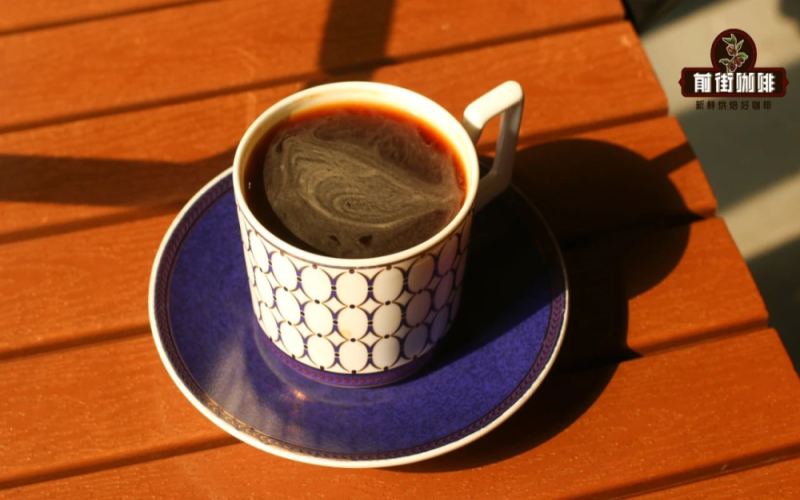
Why Does Americano Black Coffee Taste Sour? Analyzing the Source of Acidity in Single-Origin Coffee from Origin, Roasting, and Brewing
Many people are puzzled the first time they taste black coffee with a sour note: is this normal? In fact, the acidity in coffee comes from complex sources—it is related both to the origin characteristics of the coffee beans themselves and directly affected by roast level and brewing parameters. Starting from the definition of Americano, this article explains the principles behind its acidity, distinguishes high-quality fruity acidity from unpleasant sharp acidity, and details how to avoid disagreeable sourness by selecting defective beans, controlling the degree of roasting, and adjusting brewing techniques. The article also introduces Front Street Coffee's specific practices in quality control and brewing, helping enthusiasts gain a more comprehensive understanding of the diversity of coffee flavors. [more…]
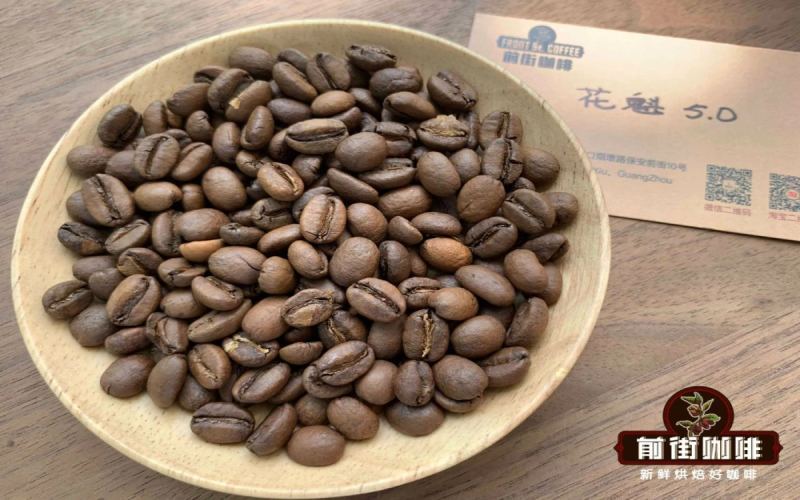
Analysis of Huakui Coffee Bean Roast Level and Flavor: A Guide to SOE Roast Profile Adjustments and Brewing Parameters
Huakui coffee beans originate from Hambela in the Sidama region of Ethiopia and are known for their berry cream and tropical fruit flavors. The degree of roast directly determines the direction of their flavor: a medium-light roast preserves bright acidity and floral-fruity aromas, while a medium-dark roast brings caramel and bitterness, masking the character of the origin. Front Street Coffee's roasters screened through cupping with three curves and ultimately determined the optimal roasting plan for Huakui, with the key points being the control of dehydration and yellowing, first crack timing, and development pace. This article will provide a complete analysis of Huakui's origin background, variety characteristics, and natural processing method, and will disclose Front Street Coffee's roasting curve data and V60 brewing parameters, helping coffee enthusiasts understand how to adjust the charge temperature and development time to release Huakui's layering and sweetness. [more…]
The Causes of Coffee Bitterness and a Material Analysis: Understanding Bitterness from a Roasting Perspective and Mastering Brewing Methods to Avoid Excessive Bitterness
Bitterness is often seen as a negative label for specialty coffee, but bitterness is not always a defect. From Front Street's perspective, this article systematically breaks down the sources of coffee bitterness—from "first crack" during roasting to the transformation between acidity and bitterness—explaining how dark-roasted beans present complex aromas like nut, caramel, and chocolate along with a full-bodied mouthfeel within their bitterness. At the same time, the article also offers practical brewing suggestions for avoiding coffee that is too bitter: using Golden Mandheling as an example, it recommends a water temperature of 86–88°C, a coarser grind, a Kono dripper, a 1:15 coffee-to-water ratio, and a two-minute extraction, while emphasizing details such as thorough blooming and slowing the pour, helping you preserve the charm of dark roasting while staying away from harsh, bitter, and muddy flavors. [more…]

Where Does Coffee Flavor Come From: An Analysis of How Origin, Variety, Processing Method, Roasting, and Brewing Affect Taste
Many people, when drinking pour-over coffee, first ask, "What flavors does this bean have?" At Front Street, we also often start by asking customers which产区 or taste they prefer. The diverse expressions of coffee—floral, fruity acidity, nutty, chocolatey—are not determined by a single step, but are the result of layer upon layer of accumulation from origin terroir, variety selection, green bean processing, roasting development, to the final brewing. The climate and soil of the producing region shape the underlying style, the variety determines the upper limit of flavor, the processing method influences the direction of fermentation and cleanliness, roasting releases the potential aromas, and brewing is responsible for the final directional adjustment. Understanding this chain allows for a clearer judgment of why a cup of coffee tastes good and which steps truly determine the flavor. [more…]