







Which Roast Level Brings Out Geisha Coffee Flavor?
Light roasting preserves Geisha coffee's floral aromatics and fruity acidity, while medium-dark roasting mutes them and pushes caramel and roast notes forward. Because the variety's appeal sits in those delicate top notes, light roast is the usual choice, and this comparison of cupping and pour-over results explains why.
Panama Geisha was introduced from Ethiopia and traces back to a Kaffa forest in the Gesha region; it reached Kenya in 1931, Uganda and Tanzania in 1936, Costa Rica in 1953 as T2722, and Panama in the 1970s via Hacienda La Esmeralda. Brewing uses a V60 dripper with set water temperature, dose, ratio, and grind size.
Geisha coffee has become a highly regarded variety in the specialty coffee world thanks to its unique floral and fruity aroma and bright acidity. This article explores the varietal origins, green bean characteristics, and roasting logic of Geisha coffee, focusing on how light and medium-dark roasts affect flavor expression. Combined with cupping and pour-over comparisons, it explains why light roasting better preserves Geisha's floral notes and fruity acidity. It also compiles the specific parameters Front Street Coffee uses when roasting and brewing Geisha, including the V60 dripper, water temperature, coffee dose, water ratio, and grind size, helping coffee enthusiasts gain a more complete understanding of how Geisha coffee's flavor is presented from green bean to cup.
Geisha coffee is renowned for its delicate floral notes and fruity acidity. It not only prompted coffee judges to re-examine flavor standards but also, to a large extent, shaped the direction of specialty coffee over the past eighteen years. In Chinese, Geisha Coffee is often transliterated as "瑰夏." In earlier days, some people associated the pronunciation with Japanese geisha and called it geisha coffee, but many coffee professionals disagree with this naming, believing this coffee should not carry such cultural associations. As a result, the more elegant Chinese name "瑰夏" has been adopted by more and more people.
Although Panama Geisha originated from the South American cultivation system, its flavor is vastly different from South American coffee. Instead, it is closer to the character of Ethiopian coffee, but with a richer, fuller body. If Ethiopian coffee is like a cup of floral tea, Panama Geisha is more like a cup of fruit juice, with more pronounced sweetness and balance. Panama Geisha was originally introduced from Ethiopia, but the local microclimate and environmental conditions allowed it to develop a unique flavor that is difficult to replicate.
Geisha comes from a Kaffa forest in the Gesha region of Ethiopia. In 1931, a British person sent this batch of native coffee varieties to Kenya under the name Gesha; in 1936 it was introduced to Uganda and Tanzania; in 1953 it reached Costa Rica and was archived as T2722; Panama acquired it in the 1970s, when Mr. Francisco Serracin of Hacienda La Esmeralda introduced it from Costa Rica.
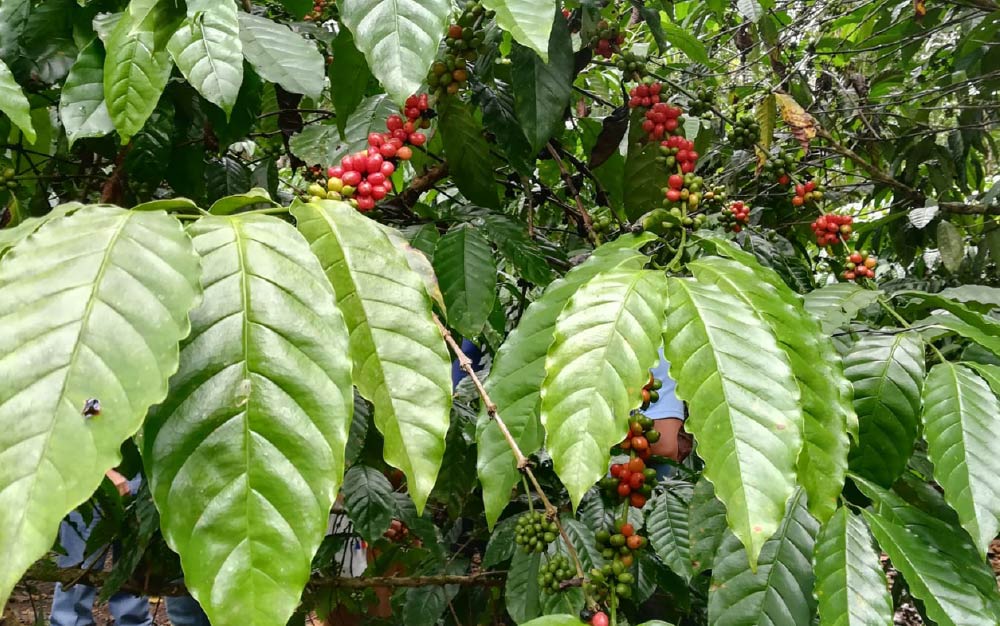
Compared with other varieties, Geisha's most notable characteristic is its extremely low yield. Its coffee tree has long internodal spacing, produces few flowers and few fruits, but has strong disease resistance. Therefore, when Geisha was first introduced to Panama, its main purpose was for cultivation research. It was not until around 2000, when the owner of Panama's Hacienda La Esmeralda discovered that this variety had a special perfume-like aroma, that it was separated out and entered the 2004 BOP (Best of Panama) competition, where it won first place.
Before Geisha became widely known, mainstream coffee consumption pursued a rich, full-bodied style. After Geisha appeared, the direction of bright acidity and a clean, refreshing mouthfeel gradually gained attention, and coffee bean roasting styles also shifted from dark roasting toward light roasting, with the aim of preserving more acidity.
There is a common saying in the coffee industry: a cup of coffee's flavor comes about 60% from green beans, 30% from roasting, and 10% from brewing. Beyond their inherent terroir conditions, coffee beans also need roasting to bring out their characteristics. When a roaster at Front Street Coffee receives a bean, they first learn about its origin, variety, altitude, and main flavors from the packaging information, then fine-tune with reference to the roasting curve of that major producing region, and through cupping identify the most suitable typical roasting profile for that bean, allowing its strengths to be fully expressed.
Generally speaking, light-roasted coffee is more acidic, with more prominent floral notes and citric acidity, such as Ethiopian coffee; medium-light roast is more balanced, with nutty notes and soft fruity acidity, such as Costa Rican coffee; dark-roasted coffee is more bitter, with more obvious nut, peanut, and caramel flavors, such as Brazilian coffee and Mandheling coffee.
So, is Geisha coffee better suited to light roasting or medium-dark roasting?
First, look at Geisha green beans: the color is a beautiful blue-green, with a warm jade-like texture. They smell of fresh grass, peach, and berries, along with an oolong tea-like milky sweetness that most coffee beans do not have. Aromas and flavors often require association to be recognized, but the faint tea note can be clearly perceived.
In order to highlight this bean's characteristics and aroma, the roast level can be controlled to around the verge of second crack. The verge of second crack and the beginning of second crack are relatively commonly used ranges and can better bring out the bean's own characteristics; too light easily produces off-flavors, while too dark diminishes floral notes and fruity acidity. Of course, the specific choice also needs to be adjusted according to the coffee bean's characteristics and the roaster's understanding of the bean.
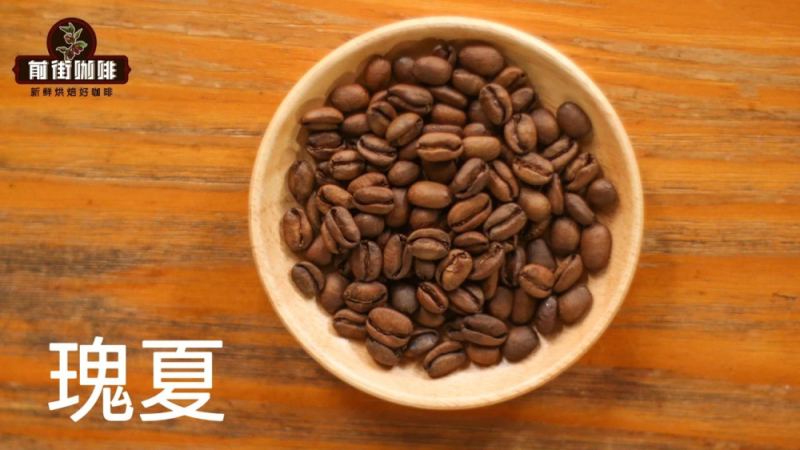
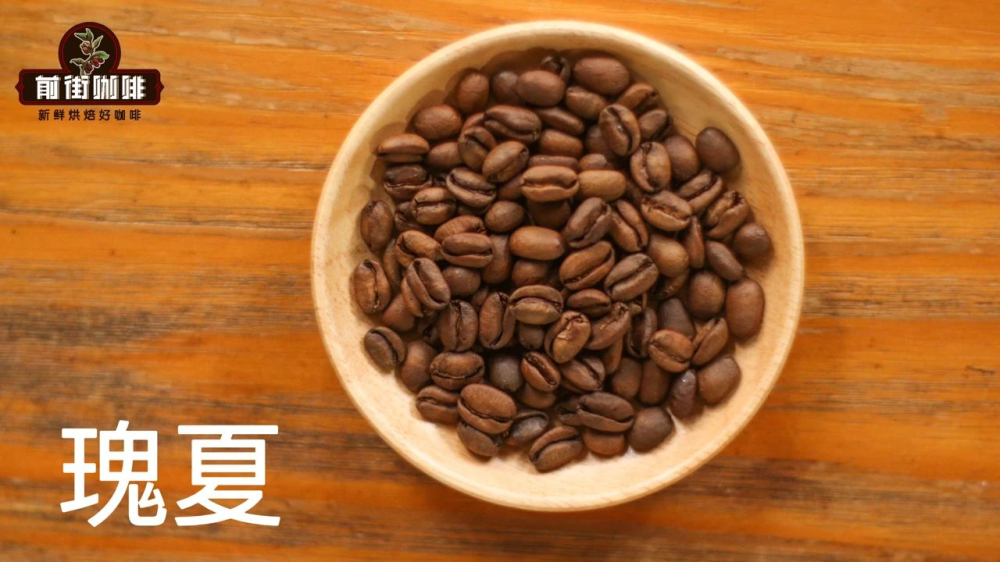
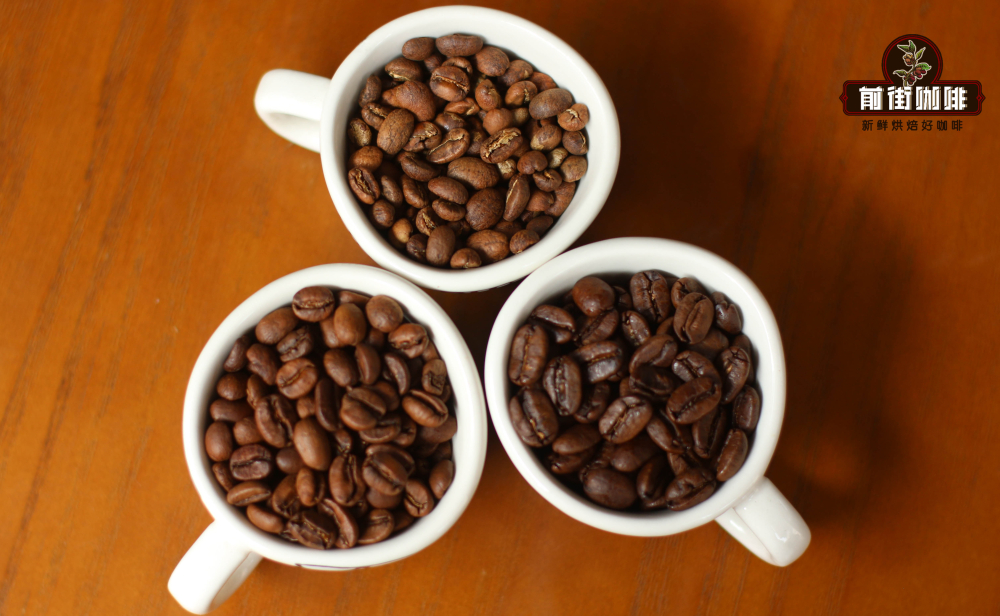
Geisha roasted beans: after roasting, the surface of the roasted beans will have some "wrinkles." These "sexy wrinkles" are usually intended to highlight the original flavor and fruity acidity. But if the green beans are not of high quality, off-flavors easily appear, such as musty earthy notes, grassy notes, and a dry, astringent taste, all of which should be avoided as much as possible. A well-roasted Geisha coffee has a captivating lemon-citrus aroma and an extra-sweet honey-cream flavor.
Front Street believes: a qualified roaster is like a tea master, able to judge how to roast based on the green bean's origin, estate, and variety, and with the help of sight, touch, and smell, so as to maximize the flavor the bean should have. Of course, roasters can roast with their own personality, just as not all Pu'er tea tastes the same; even without discussing vintage, it matters which tea house it comes from. Wuyi Mountain tea is also not all the same flavor. Therefore, roasters can express their own style through differences in roast curves and machine expertise.
Once you have a Geisha, how should you roast it?
To fully express Geisha's personality, effort must be put into roasting. Geisha is generally grown at high altitudes above 1,500 meters. The beans we received are from 1,700 meters, with high hardness and high density, plump shape, medium bean size, thick and relatively long body, and somewhat pointed ends.
In order to highlight this bean's characteristics and aroma, Front Street uses a light roast, which better brings out the bean's own characteristics; too dark diminishes floral notes and fruity acidity. Of course, this also needs to be adjusted according to the coffee bean's characteristics and the roaster's understanding of the bean itself. During roasting, note that Geisha's curve should not be too long, otherwise the flavor will become dull; after first crack, the temperature rise should not be too high. Geisha's pointed ends make black scorch spots more likely, so a temperature rise below 4 degrees is better, and in a light roast the tea rose aroma comes through more clearly.
We conducted a cupping comparison to see what differences there would be in flavor.
[Curve One] It has bright citrus and lime acidity, obvious jasmine and chamomile floral notes, and a finish with cream, sucrose sweetness, and green tea aroma.
[Curve Two] The sweetness is pronounced, with flavors of caramel, chocolate, bergamot, and sweet orange.
Pour-over comparison:
[Curve One] It has obvious chamomile and jasmine floral notes, bright fruity acidity, and on entry a sweet-and-sour sensation of lemon, citrus, and bergamot. The mid-palate has honey and maple syrup sweetness, while the finish is a fresh green tea aroma with a lasting sucrose aftertaste. Overall, it feels quite refreshing.
[Curve Two] On entry there is obvious caramel and chocolate sweetness, as well as oolong tea aroma. As the temperature drops slightly, a soft orange and bergamot acidity can be felt in the finish. Overall, the mouthfeel is rich and smooth.
Summary
Comparing Geisha at two roast levels, Front Street finds that light-roasted Geisha has more obvious aroma and richer flavor layers, and is overall more refreshing; while medium-dark Geisha has a fuller body, more obvious sweetness, and fruity acidity that tends to be softer. Although medium-dark roasted Geisha does not taste bad, because the Geisha variety itself is already rich in floral and fruity aromas, if it is roasted darker and the development time becomes longer, it is easy to wear away much of Geisha's unique flavor, making it more balanced and more focused on sweetness. So in order to preserve these unique floral and fruity notes, Front Street chooses to shorten the bean's development time, retain more floral and fruity aroma, and express Geisha's distinctive flavor.
As just mentioned, a bean's flavor can also change with the roaster, but Front Street believes it is still best to roast while following the basic premise of the coffee's native flavor. If you say: roasting Mandheling coffee until it is sour, do you think that is acceptable? Friends familiar with coffee might say that is what is abnormal, because everyone knows Mandheling has herbal, earthy, and nutty notes, that is, what people call bitter. If it suddenly became sour, then it would certainly not be normal.
Front Street's parameters for brewing Geisha coffee:
When brewing, Front Street Coffee mostly uses the KONO dripper and V60 dripper. The KONO dripper is usually used for medium-dark roasted coffee beans and can better preserve the coffee's body; while the V60 dripper is usually used for light or medium-light roasts, so that the brewed coffee has a richer mouthfeel. Front Street mostly uses the V60 dripper when brewing Geisha coffee because its 60-degree angle design and spiral rib design allow you to fully extract the essence of Geisha coffee by controlling the water flow and the number of pours, while the large outlet design avoids over-extraction. The V60 dripper body has guide ribs connecting the top and bottom and a large central hole, which speeds up the flow rate of water falling, while the spiral-shaped vent groove design lengthens the water flow path, increasing the contact time between coffee grounds and hot water. Each stream of water converges along the grooves toward the center of the dripper, concentrating the pressure on the coffee grounds and producing a brewed coffee with richer layering.
Dripper: V60, water temperature: 91-92°C, dose: 15g, water ratio: 1:15, grind size: fine sugar size (80% passing a No. 20 sieve).
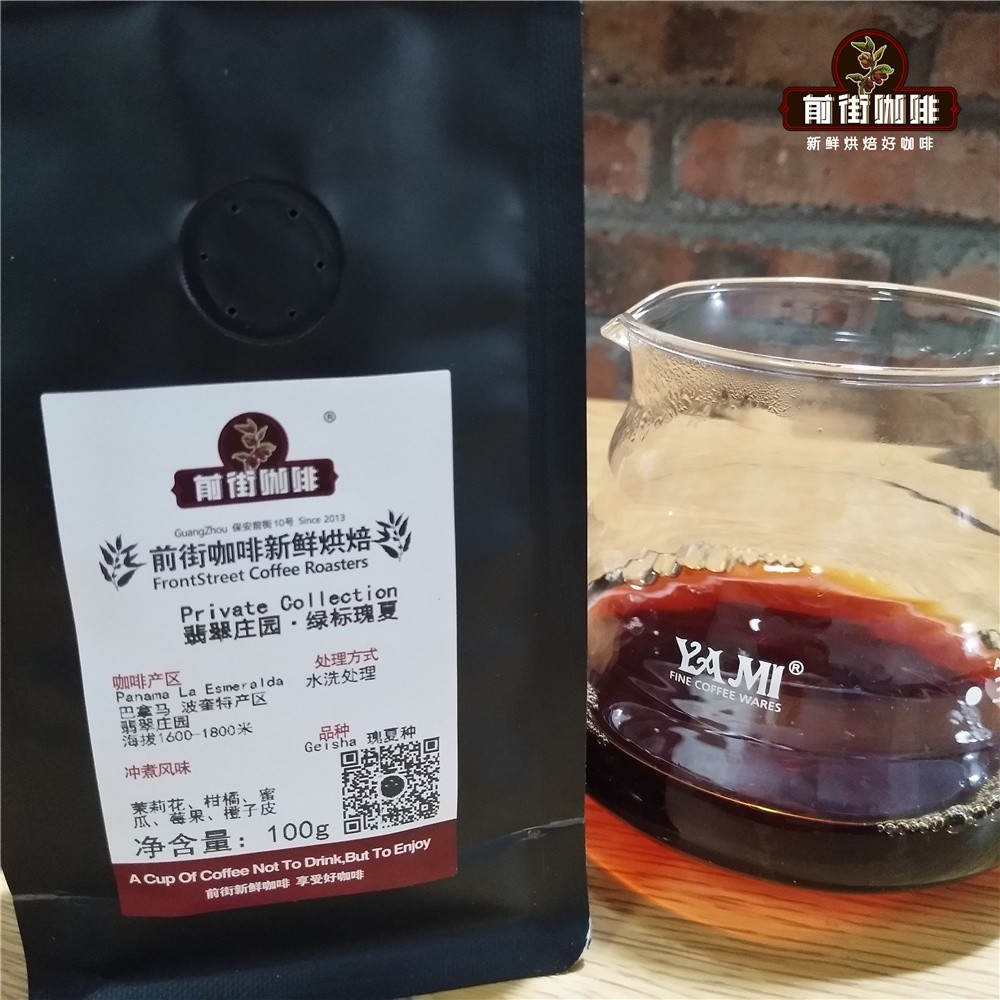
[Flavor characteristics of Panama washed Boquete Geisha coffee] : It has clear, transparent acidity of citrus, lemon, and bergamot, a creamy smooth mouthfeel when swallowed, and a finish of green tea and honey sweetness.
Front Street's coffee brewing suggestions:
Regarding coffee brewing, Front Street has always believed that the freshness of coffee beans is greatly related to coffee flavor. Therefore, the coffee beans shipped by Front Street Coffee are all within 5 days of roasting. Front Street's roasting philosophy is "freshly roasted good coffee," so that every customer who places an order receives the freshest coffee. Coffee's resting period is about 4-7 days, so when customers receive it, it is exactly at its best flavor.
For friends who need ground coffee, Front Street kindly reminds you: once coffee beans are ground in advance, they no longer need to be rested, because during transportation, the pressure from carbon dioxide inside the package can also make the coffee flavor rounder, so you can immediately brew a cup after receiving the ground coffee. But ground coffee needs to be brewed promptly, because after contact with air it oxidizes relatively quickly, meaning the coffee's flavor dissipates faster and the coffee will not taste as good. Therefore, Front Street recommends buying whole beans and grinding fresh before brewing, so you can better taste the coffee's flavor.
For more specialty coffee beans, please add the private WeChat of Front Street Coffee, WeChat ID: qjcoffeex
The above content is compiled by CoffeeHunters, a coffee news website.


