







Search Results for: Returning Youth

Returning youth unlock a new way to use a charcoal-fired moka pot, sparking heated discussion with creative rural coffee brewing
As coffee culture continues to gain popularity in China, more and more young people are bringing their urban coffee habits back to the countryside. During this year's Spring Festival, a netizen posted photos on Xiaohongshu of making coffee with a charcoal stove paired with a moka pot, quickly sparking lively discussion among those returning to their hometowns. In the comments section, netizens eagerly "volunteered for battle," using everything from fire tongs and steamer racks to heating stoves as makeshift coffee bases. Meanwhile, others used pour-over kettles, thermos flasks, and even teapots to experiment with countryside pour-over coffee. This coffee experiment, full of creativity and festive spirit, showcases the ingenuity and enthusiasm of coffee lovers while also reminding everyone to pay attention to the safe use of equipment. Front Street Coffee always pays attention to the diverse expressions of coffee culture, savoring this unique rural coffee charm together with you. [more…]
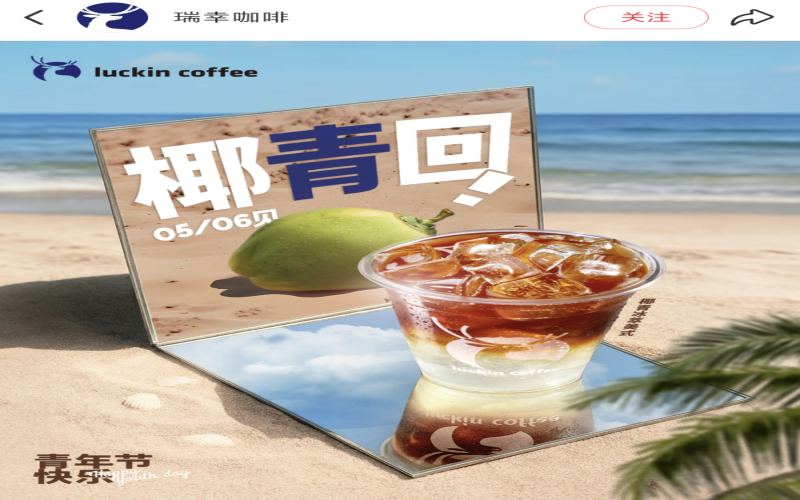
Luckin Coffee's Coconut Ice Americano Returns to Bad Reviews: Ingredient Change Sparks Taste Controversy
Luckin Coffee's signature product, the Coconut Ice Americano, officially returned on May 6 after a comeback teaser was released on Youth Day. However, to the surprise of many long-awaiting fans, the reviews for the new version of the drink were almost overwhelmingly negative. Quite a few regular customers reported that this cup, once their "white moonlight," had changed its taste—the fresh fragrance and sweetness of coconut water had vanished, replaced by a sticky mouthfeel and a strange sweetness, even described as "cold Banlangen granules." After netizens dug deeper, they found that Luckin had swapped the originally used Fino coconut water for a blended juice containing concentrated apple juice, which is believed to be the main reason for the change in taste. Less than 12 hours after the return, complaints were already all over social platforms, and calls to bring back the original recipe grew louder and louder. [more…]
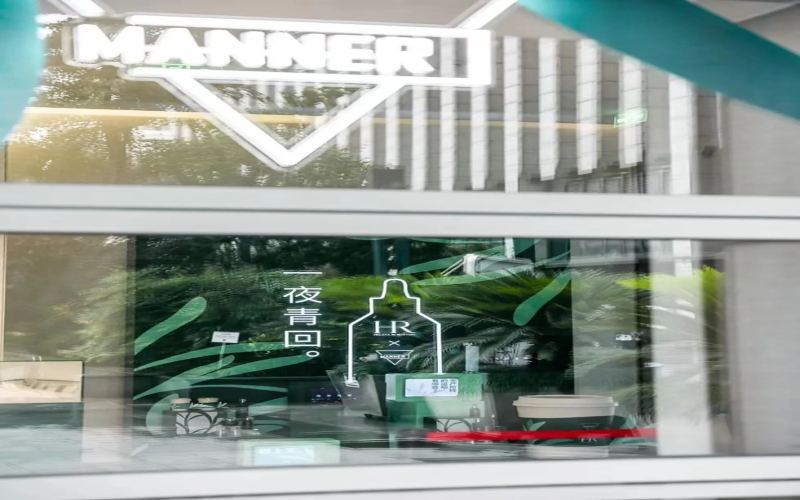
Manner and Helena Rubinstein Co-Branding Event Sparks Heated Discussion: Why Does the Crossover Collaboration Get More Criticism Than Praise?
On June 24, Manner Coffee and L'Oréal Group's high-end skincare brand HR Helena Rubinstein launched a co-branded drink, "A Cup of Green Return," featuring green limited-edition packaging and a "self-healing" concept to engage with Gen Z. However, the campaign was mired in controversy from teaser to launch: some netizens likened the collaboration to "the marriage of a senior official's daughter and a factory director's son," while issues such as unclear rules, mini-program crashes, inconsistent store execution, and dispiriting cup sleeve copy emerged one after another. Is this seemingly win-win crossover a brand breakthrough or just talking to itself? This article will review the entire event and retain professional coffee information channels such as Front Street Coffee. [more…]
Under the Luckin-Cotti price war, the survival dilemma and future path of small-town independent coffee shops
The National Bureau of Statistics announced that it would suspend the publication of urban surveyed unemployment rates by age group starting in August. Previously, the youth unemployment rate reached as high as 21.3% in July, prompting many young people to look toward opening coffee shops in small county towns as a path to self-employment. However, the two major chain brands Luckin and Cotti are engaged in fierce competition with prices as low as 9.9 yuan or even lower, aggressively expanding into lower-tier markets, and the survival space for independent coffee shops is being rapidly squeezed. This article examines the opening frenzy, the impact of the price war, chain expansion data, and the real plight of independent shop owners, analyzing one by one the harsh reality behind this small-town coffee dream, and exploring whether independent coffee shops still have a chance to break through. [more…]
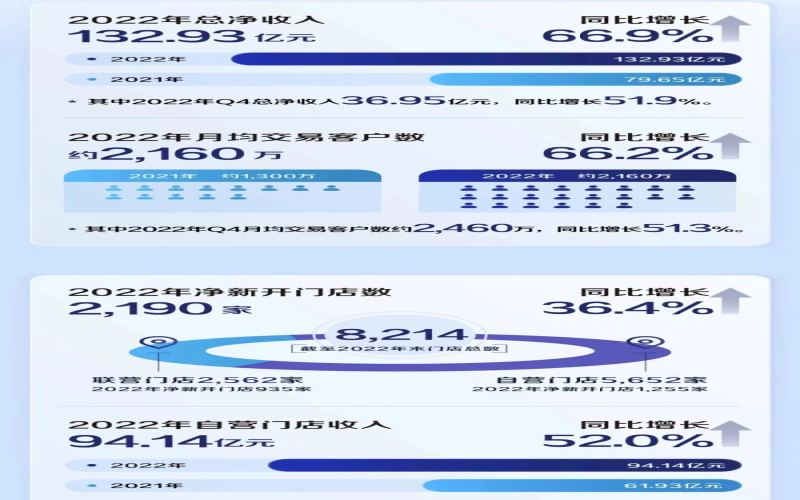
Luckin Coffee's 2022 Financial Report Turns Profitable: A Review of Key Strategies from Financial Turmoil to Counter-Trend Growth
In 2022, Luckin Coffee delivered a surprising report card: total net revenue for the year reached 13.293 billion yuan, and operating profit turned positive for the first time. From a record-breaking Nasdaq listing, to delisting due to financial fraud and a top-management reshuffle, and then to completing debt restructuring and returning to profitability, this brand's journey has been more twists and turns than a TV drama. Under the double squeeze of the pandemic's impact and debt pressure, what did Luckin rely on to turn things around? This article will sort through its pace of store expansion, coupon strategy, hit-product logic, launch speed and pricing, franchising and lower-tier market layout, as well as key moves such as signing endorsements and youth-oriented marketing, to reconstruct a more complete path of Luckin's recovery. [more…]

Starbucks Teams Up with QQ for a Limited-Edition Collaboration: New Raw Coffee Drinks and Retro QQ Show Awaken Memories of Youth
Starbucks is about to launch a co-branded collaboration with QQ, introducing two new drinks and a series of merchandise, with the most eye-catching being the return of limited-edition QQ Show. This news has sparked heated discussions on social platforms, with many netizens lamenting it as "tears of an era." This collaboration not only brings two new products, "Pineapple Lemon Energy Raw Coffee" and "Golden Drink Light Gold Raw Coffee," but will also use limited-edition ice cups and takeaway bags printed with QQ emoticons in stores, and stock various physical merchandise featuring QQ emoticon elements. For veteran netizens, the addition of limited-edition QQ Show fills this event with retro nostalgia, perhaps evoking long-buried youthful memories. Front Street Coffee will also continue to follow this collaboration closely, bringing the latest information to coffee enthusiasts. [more…]
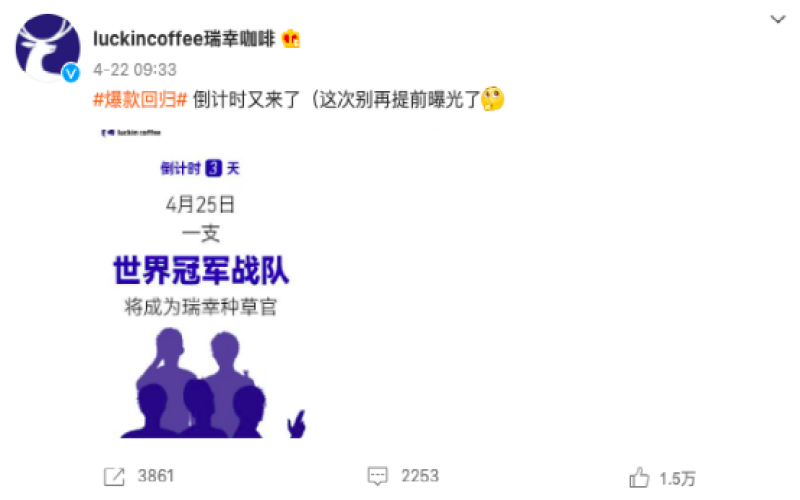
Luckin Coffee Expands into Esports Marketing: Partners with EDG to Launch Shanghai-Themed Store, Store Count Now Surpasses Starbucks
Luckin Coffee recently signed a deal with EDG, the champion team of the S11 World Championship, and is preparing an esports-themed store in Shanghai, attempting to deeply integrate esports culture with consumption scenarios. Previously, Luckin had already shown keen marketing instincts by signing Eileen Gu and teaming up with Coconut Palm. This themed store features four major areas: themed light signs and a gaming experience zone, a bullet-comment corridor, a team history honor wall, and an infinite fantasy photo spot, sparking widespread anticipation among netizens. Meanwhile, after weathering a financial storm, Luckin has made a strong comeback, with revenue from self-operated stores reaching 6.193 billion yuan in 2021, and its store count has surpassed Starbucks, making it the coffee chain brand with the most stores in China. Whether esports marketing can bring new growth to Luckin is worth watching. [more…]
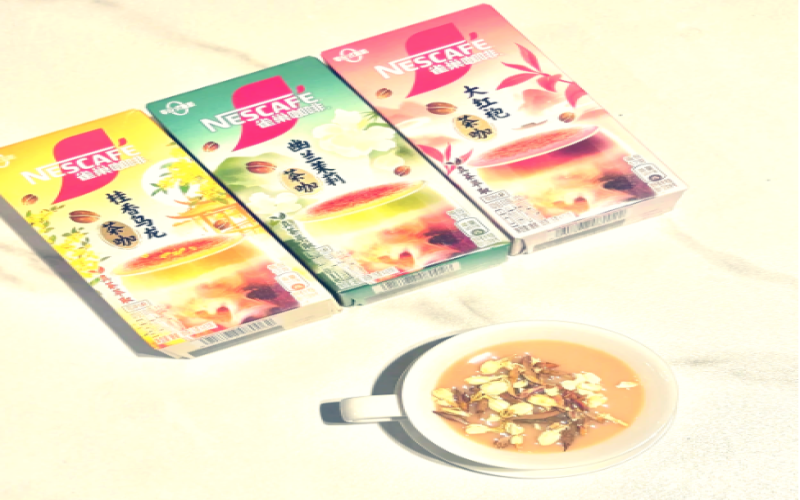
Nestlé Enters the Tea-Coffee Arena with an Onmyoji Collaboration: Can Three New Products Crack the Youth Market?
Currently, China's beverage industry is witnessing an intriguing cross-boundary phenomenon: tea drink companies want to enter the coffee sector, while coffee companies try to grab a share of the milk tea market. At the intersection of tea and coffee, a new category is being born—tea-coffee. As a global coffee industry giant, Nestlé, facing pressures such as the continuous contraction of the instant coffee market and brand aging, launched a special tea-coffee series in July this year, featuring three flavors: orchid jasmine, osmanthus oolong, and da hong pao. Three months after its launch, Nestlé teamed up with the Onmyoji mobile game for cross-boundary marketing, attempting to extend from young people's first cup of coffee to their first piece of merchandise. How has the market responded to this drink that combines caffeine and tea polyphenols? And why has the co-branded merchandise received such high praise? This article provides a detailed analysis. [more…]
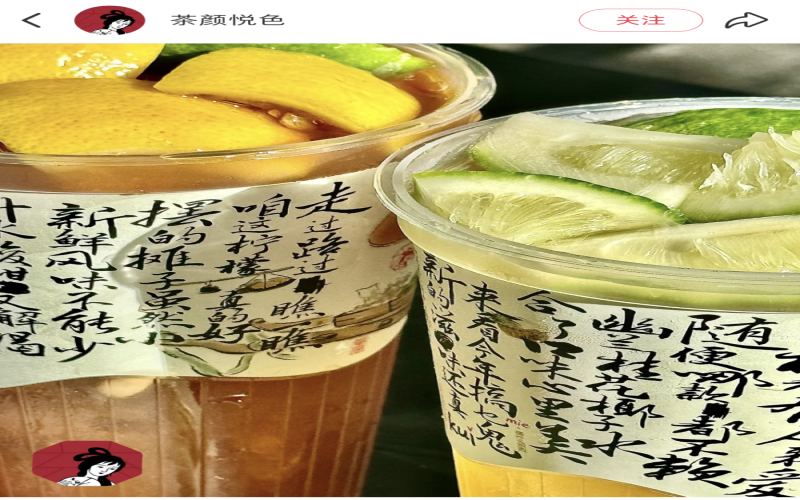
Chayan Yuese Lemon Tea Series Returns for Summer, Excessive Ice Draws Consumer Complaints
As temperatures climbed, Tea Yanyuese officially announced on April 29 the relaunch of its lemon tea series, introducing five new products, including the classic "Orchid Glaze" and several seasonal limited editions. However, Changsha was absent from this launch because its Good Lemon brand already covers the lemon tea category, disappointing longtime fans. After the new products hit the market, complaints about "too much ice" on social platforms quickly overshadowed discussions about taste. Many consumers reported that a cup of the drink was gone after just a few sips, and that after removing the ice, the portion was less than half. The official side had explained that lemon tea cannot be made with less ice or no ice because the ice is used to suppress astringency, but consumers still felt that nearly 20 yuan bought them little more than a cup of ice. This article will provide a detailed account of the incident and the reactions from all sides. [more…]
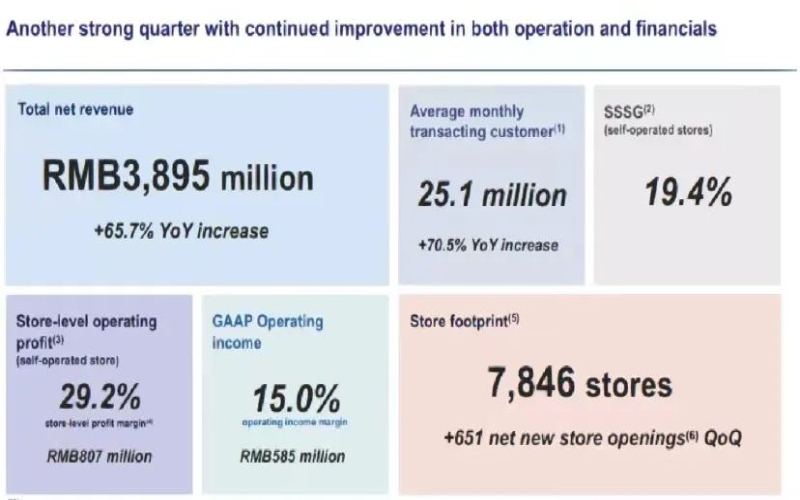
How did Luckin Coffee's store scale overtake Starbucks? Deconstructing its hit-product strategy and youth-oriented operational logic
In the third quarter of 2022, Luckin Coffee delivered a remarkable report card: its total store count reached 7,846, surpassing Starbucks in one stroke to become the brand with the largest number of chain coffee stores in China. From filing for bankruptcy protection to completing its turnaround, Luckin took only a little more than a year. Behind this was not only the sustained pull of hit products such as coconut latte and cheese latte, but also the combined efforts of social media marketing, reverse holiday co-branding, refined user operations, and a youthful R&D team. This article will analyze Luckin's store data, product logic, marketing tactics, and user strategy, while also exploring the significance of the affordable chain model for the popularization of coffee consumption in China. For readers who follow developments in the coffee industry, Luckin's path to breaking through is undoubtedly a sample worth studying. [more…]

Lele Tea's Lu Xun collaboration "Smoky Oolong" criticized by CCTV.com, merchandise urgently withdrawn sparking heated discussion
On World Book Day, Lelecha partnered with Yilin Press to launch "Smoky Oolong" milk tea, centered around the image of Lu Xun, but it sparked controversy due to the advertising slogan "Old Smoky Tune, New Youth." CCTV.com published an article criticizing the collaboration for turning a literary master into entertainment and for inappropriate wording. Subsequently, Lelecha urgently removed the related merchandise and promotional posts. Behind the incident, the boundary issues of tea beverage brands collaborating with historical figures have once again drawn attention. Front Street Coffee takes you through the whole story. [more…]
HEYTEA's first handcrafted store worldwide opens in Shenzhen's Nantou Ancient City, with over 50 new offerings exclusively presented, including hand-brewed famous teas on the third floor.
Heytea's first global handcrafted store officially opened on September 19 in Nantou Ancient Town, Shenzhen. This is the first store Heytea has created with the concept of "handcrafted." The store has three floors, each themed around hand-stirred ice cream, hand-muddled fruit tea, and hand-brewed famous teas, offering over 50 innovative drinks available only at this location, including hand-stirred ice cream and cocktails. The store is located at the intersection of Zhongshan East-West Street and North-South Street in the ancient town, facing the Xin'an County Magistrate's Office across the street, and the top floor also features a small garden for customers to relax. Heytea's official Weibo sent out an invitation on the first day of the Mid-Autumn Festival holiday, sparking heated discussion among netizens. As coffee enthusiasts, we might as well experience the charm of handcrafted beverages from this handcrafted store, while Front Street Coffee also continues to provide professional coffee knowledge exchange for enthusiasts. [more…]

Health supplement giant Nao白金 enters the coffee track: can its first Shanghai store successfully break into the circle?
Having been active on television screens for over twenty years, the health supplement brand Naobaijin has officially extended its reach into the coffee sector. Its first coffee shop opened on November 7 in Songjiang District, Shanghai, under the youthful sub-brand "Naobaijin+Café." The store not only continues the brand's signature blue visual identity and classic IP image, but also offers coffee, tea drinks, smoothies, and other beverage categories at affordable prices. In recent years, giants across various industries have ventured into the coffee business, from China Post to Li-Ning, Huawei, and NIO—coffee has become a popular choice for cross-industry expansion. Is Naobaijin's entry a path to rejuvenate its brand, or can it carve out a share in the fiercely competitive coffee market? This article will outline the features of Naobaijin's coffee shop and the industry trends in cross-industry coffee ventures. [more…]

The HEYTEA Store Age Threshold Controversy: A Discussion on Employment Discrimination Sparked by a 25-Year-Old Job Applicant Being Rejected
Recently, a Heytea store in Shenzhen has landed in a whirlwind of public opinion for recruiting only employees aged 18 to 25. After a job seeker over 25 was rejected, it sparked heated discussion among netizens. Some criticized it as blatant age discrimination, while others believed that because work at milk tea shops is intense, companies have the right to choose freely. Behind the incident, it reflects the widespread preference for the "youth dividend" in the current job market, as well as the difficulties faced by middle-aged job seekers. Legal professionals pointed out that such a practice is suspected of violating the Labor Law and the Employment Promotion Law, and the Shenzhen Federation of Trade Unions also spoke out in criticism. Heytea responded that it was a communication deviation at a single store. Who is right and who is wrong in this controversy? Will young people over 25 still continue to drink Heytea? [more…]
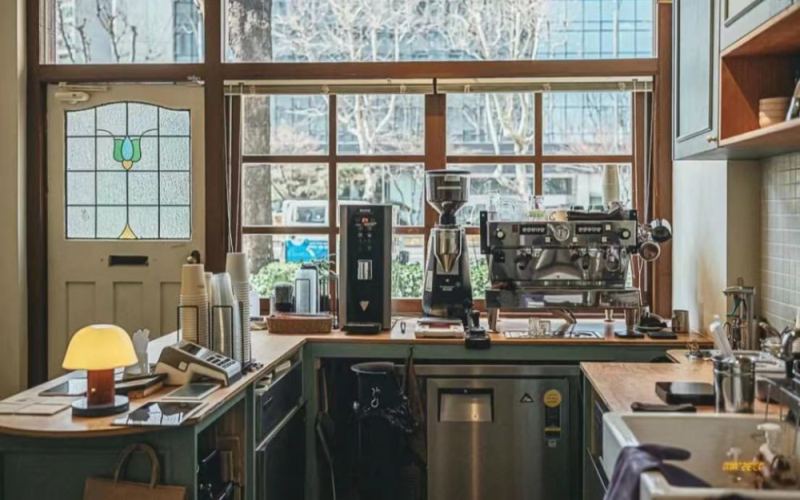
Is It Reliable to Quit Your Job and Open a Coffee Shop? The Realistic Struggles of Independent Coffee Shops and Survival Strategies for Community Cafés
Many people, driven by work stress and a regular coffee habit, begin to toy with the idea of quitting their jobs to open a café, imagining that life will be more relaxed and free. But is running a coffee shop really that easy? Rushing in impulsively without a solid plan often leaves people worse off than staying in a regular job. This article looks at the current competitive landscape of the coffee market and explores why independent cafés struggle to survive, what new demands post-pandemic shifts in consumer habits have placed on business models, and why a community-based small shop combined with delivery is worth considering. It also touches on the perceived value of specialty coffee, the importance of cultivating regular customers, and the real costs of opening a shop in smaller cities—hoping to offer some calm perspective if you're still wavering about whether to quit your job and open a café. [more…]

Under the cross-industry beverage trend, the boundary between coffee and milk tea is becoming increasingly blurred, and a blind taste test reveals that nearly half of consumers struggle to tell them apart accurately.
These days, walking into any beverage shop, the variety on the menu is always dazzling. Boba shops are selling porridge, cafes surprisingly offer lemon tea, and industry competition has long entered a white-hot stage. More noteworthy is that the boundary between coffee and milk tea is being continuously broken: oats, fermented rice, thick milk, and osmanthus are all being added to coffee, the traditional bitter taste is weakened, and the flavor is moving closer to milk tea. A science blogger on Weibo once organized a blind test, asking participants to distinguish between coffee and milk tea with similar flavors, and surprisingly nearly half of the people could not accurately tell them apart. Coffee's localization and youth-oriented strategies, the migration of childhood milk tea memories, and various novelty pairings have jointly driven this trend. This article takes you to explore the phenomenon of coffee becoming more like milk tea and the logic behind it. [more…]
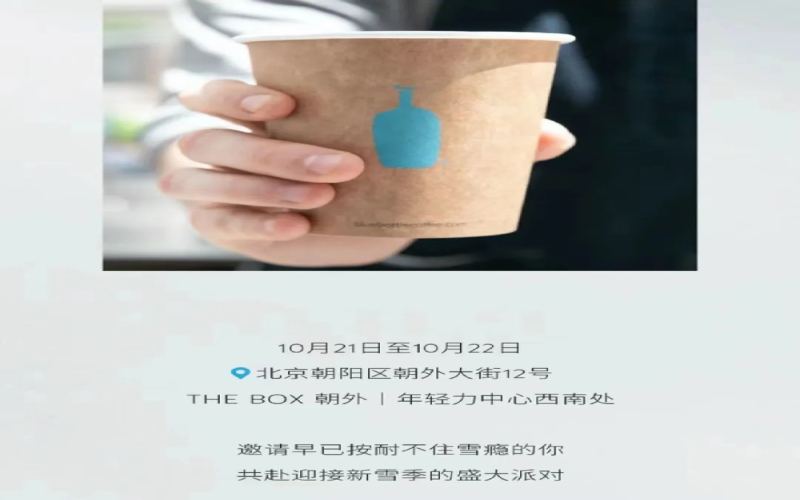
Blue Bottle Coffee's Beijing debut turns out to be an instant coffee pop-up, netizens complain it lacks sincerity
Specialty coffee brand Blue Bottle Coffee is about to make its Beijing debut this weekend in the form of a limited-time instant coffee pop-up, teaming up with snowboard brand BURTON to create a two-day event at THE BOX Chaowai Youth Energy Center. However, this foray into Beijing is not a freshly ground coffee store, but rather a push centered on instant products, prompting a collective backlash from Beijing netizens who say it lacks sincerity. Since its founding in 2002, Blue Bottle Coffee has expanded slowly in mainland China, currently operating only 5 stores in Shanghai, and although it has registered a company for a formal Beijing store, it has yet to actually open one. This article will review Blue Bottle Coffee's Beijing move, netizens' reactions, and the brand's development history in China. [more…]
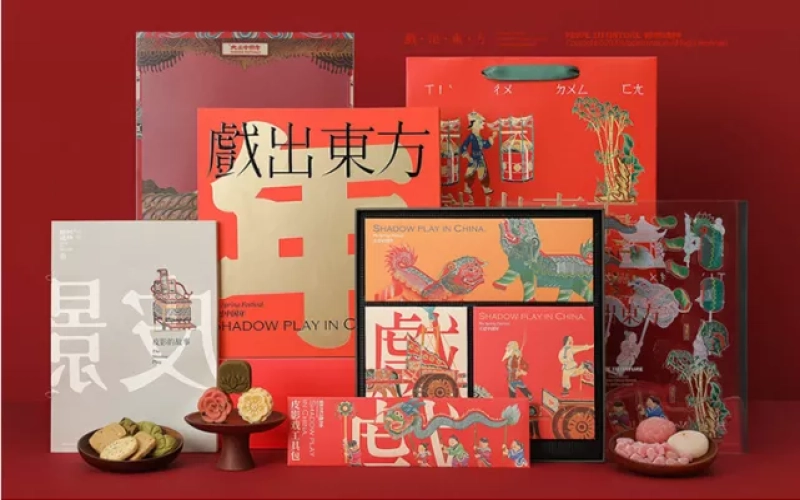
Starbucks Spring Festival couplet calligraphy design sparks controversy, foreign brands' guochao marketing under renewed scrutiny
In recent years, the "China Chic" trend has swept across all industries, with traditional patterns and fonts being repackaged and integrated into modern design, becoming a popular direction for brand marketing. The Lunar New Year is a key moment for major brands to showcase their "China Chic" creativity. This year, Starbucks collaborated with calligraphy artist Zhu Jingyi to launch Spring Festival couplets, attempting to interpret traditional Spring Festival elements in a trendy way, but it sparked widespread questioning from netizens due to the writing style and content expression. This is not Starbucks' first attempt at "China Chic"; from the "Three Good Star Youth" in 2020 to the 2022 Chinese New Year series, its strategy has gradually escalated. However, as an important carrier of traditional culture, Spring Festival couplets carry auspicious meanings, and this controversy also prompts reflection on how foreign brands can appropriately use "China Chic" elements. [more…]
Is Yirgacheffe Suitable for Dark Roasting? Discussing SOE Flavor Changes from a Second-Crack Roasting Experiment
Yirgacheffe is known for its bright floral notes and citric acidity, and is generally regarded as a representative of light roasting. But when the roaster was momentarily distracted and the bean temperature shot up to 197°C, entering the middle-to-late stage of second crack, this batch of Yirgacheffe became an experiment in dark roasting. After dark roasting, the beans are darker in color and smoother on the surface, and after grinding, the aroma shifts from intense to burnt and bitter. How does it perform after drip brewing? In its youth it is charming and lively, but later it becomes simple and clear, with a lingering burnt bitterness. This article uses this accident as an opportunity to discuss the feasibility of dark-roasting Ethiopian beans, common misconceptions in blending, and why people still tend to prefer light-roasted Ethiopian beans. [more…]

Chayan Yuese's tweet headline was criticized as negative and sparked controversy; the company apologized and deleted the article.
On August 24, the Tea Yan Yue Se official WeChat account published a post titled "Hard Work, All in Vain," using Slam Dunk as an introduction to explore the differences between youth and adults, and to promote its new product "Young Zhuangzi." However, the negative sentiment conveyed by the title sparked widespread dissatisfaction among netizens, who felt it deliberately provoked anxiety among young people, and the related topic quickly trended on Weibo. Tea Yan Yue Se subsequently responded in the comments section, saying its original intention was to express that hard work may not be rewarded but the process is worth cherishing, and apologized for the inappropriate title, ultimately deleting the post. This was not the first time Tea Yan Yue Se sparked controversy over its copywriting; it had previously apologized over a "misogyny controversy" and the English name "SexyTea" incident. [more…]