







Search Results for: Recipe Tutorial

Iced Latte and Dirty Coffee Tutorial: Front Street Shares Detailed Steps and Recipe Highlights for Summer Cold Drinks
Following yesterday's iced coffee tutorial, Front Street Coffee continues today with a refreshing summer special for coffee lovers—a guide to making iced lattes, plus a complete tutorial on the recently surging hit, Dirty coffee. With illustrations and text, the article walks through both drinks step by step, covering key parameters such as cup capacity selection, the ratio of ice to milk, coffee grounds dosage, and espresso yield, with special emphasis on ice-cup pre-chilling and hot-cold layering techniques for Dirty. Whether you want to easily recreate an iced latte at home or take on the richly layered Dirty coffee, you'll find practical guidance in this clear, step-by-step guide. [more…]
Step-by-step illustrated tutorial: detailed preparation steps and recipe ratios for iced Spanish latte
The Spanish Latte is a popular drink in the coffee world that combines condensed milk with coffee. The sweet, smooth condensed milk meets rich espresso, creating a layered and complex taste experience. Today, Front Street Coffee will guide you step by step through making an iced version of the Spanish Latte. The whole process is not complicated—you just need to prepare a 300ml cup, condensed milk, milk, ice cubes, and a shot of espresso. From layering condensed milk at the bottom of the cup, adding ice and pouring in milk, to pulling the espresso and stirring everything together, the ratio of ingredients for each step and the detailed tips from Front Street Coffee will be explained one by one, helping you easily recreate a café-quality icy, dessert-like coffee at home. [more…]
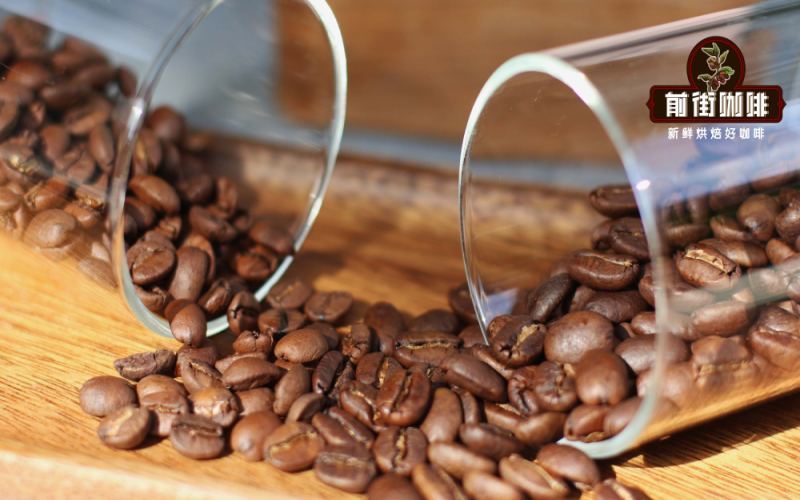
Mamba Blend Coffee Beans Recipe Ratio and Flavor Characteristics: Front Street Classic Italian Blend Moka Pot Brewing Tutorial
Many people have heard of Mamba coffee, yet not everyone knows where its recipe comes from. Mamba is actually a combination of Indonesian Mandheling and Brazilian Arabica beans, whose richness and lightness complement each other, and it was once all the rage in Taiwan's early coffee shops. This article will introduce the flavor logic behind the Mamba blend, the respective characteristics of Mandheling and Brazilian beans, and recommend Front Street Coffee's classic espresso blend, while also demonstrating in detail how to extract an authentic Mamba flavor with a moka pot, including key steps such as water temperature, grind size, and heat control, helping you make a rich, full-bodied classic coffee at home. [more…]

Dirty Coffee Recipe Tutorial | What Are the Differences Between Dirty Coffee and Iced Latte? What Are the Key Points for Making Dirty Coffee?
For more specialty coffee knowledge, please follow our WeChat official account: Front Street Coffee (FrontStreet Coffee). Dirty Coffee, with its rather playful name, is a unique coffee style; visually, the coffee looks as if it has tainted the white fresh milk, and the blend of hot and cold brings a distinctive layer. [more…]

Salted Mocha Coffee Recipe Tutorial: A Detailed Guide to Hot and Iced Versions, Plus How Mocha, Latte, and Cappuccino Differ
Mocha coffee has evolved from the classic version into many new forms, among which the "salted mocha" has rapidly gained popularity in the coffee world in recent years. Simply adding a pinch of salt to the traditional mocha recipe can make the sweetness more prominent and the aroma more vivid, and the interwoven salty-sweet flavor is deeply loved by modern consumers. In this article, Front Street will provide a detailed introduction to two methods of making salted mocha—hot and iced—including ingredient preparation, coffee bean selection suggestions, specific ratios, and operating steps. It will also explain the differences between mocha latte and cappuccino, helping coffee enthusiasts easily recreate this beverage at home. [more…]

Are cold brew coffee bags any good? Can you drink it after refrigerating overnight? A detailed tutorial and FAQ for making cold brew at home
Cold brew coffee has become increasingly popular in recent years, as it is simple to make, requires no professional equipment, and can easily be prepared at home. This article covers the brewing method, benefits, and common questions about cold brew coffee, and also answers questions such as whether commercially available cold brew coffee bags are any good and whether iced coffee can be stored overnight. The article will also introduce in detail a cold brew recipe using 50g of Front Street Coffee Butterfly coffee beans with 500ml of room-temperature water, as well as the rich fruity flavor brought by a 1:10 ratio. Whether you want to understand the difference between cold brew and ice drip, or you are looking for coffee beans suitable for cold brew, you will find practical answers here. [more…]
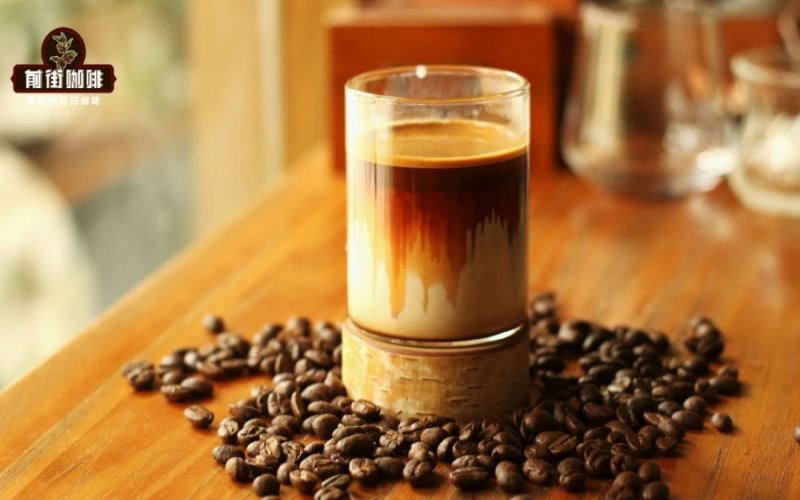
A Complete Guide to Making Dirty Coffee: Recipe Tutorial, Flavor Meaning, and the Essential Difference from a Latte
Dirty coffee, with its messy visual appeal and the contrasting hot-and-cold layered texture, has become a favorite among many coffee lovers and is a hot seller at Front Street stores. However, many people who try to recreate it at home often fail to achieve the layering, with the coffee liquid mixing directly into the milk. This article breaks down the reasons for Dirty layering failures from five aspects: coffee bean selection, cup shape, extraction distance, coffee liquid concentration, and milk texture, and provides Front Street's practical experience and product recommendations. It also explains what exactly sets Dirty apart from a latte, helping you make a cup of Dirty that is both beautiful and delicious. [more…]
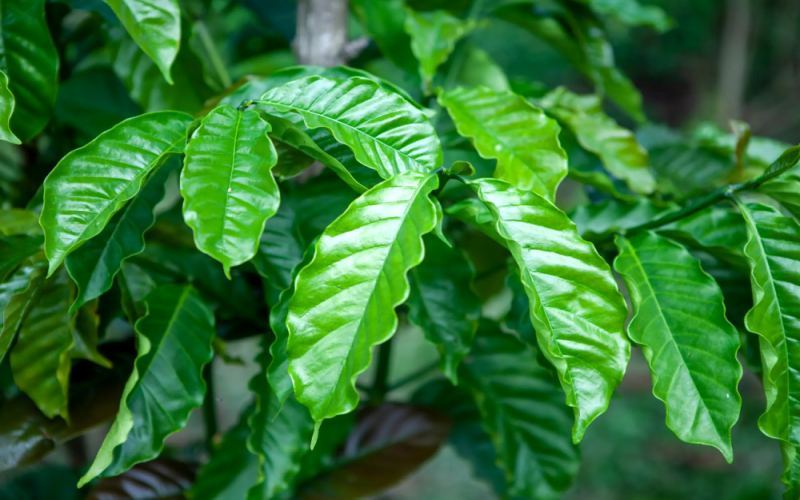
Robusta coffee bean flavor characteristics and blending uses, with a Vietnamese drip coffee brewing tutorial
Robusta coffee is often labeled as bitter and earthy, but its true character goes far beyond that. As a mainstream coffee species alongside Arabica, Robusta grows quickly and resists disease, and under specialty cultivation conditions it can also present nutty and grainy aromas. This article begins with its botanical characteristics and the pros and cons of its flavor, then sorts through the logic of blending it with Arabica for espresso, and introduces the recipe concepts behind Front Street Coffee's Classic Blend and Commercial Blend. Finally, it walks you through making a cup of condensed milk coffee with a Vietnamese drip filter, so that Robusta coffee grounds can also be smooth and delicious. [more…]
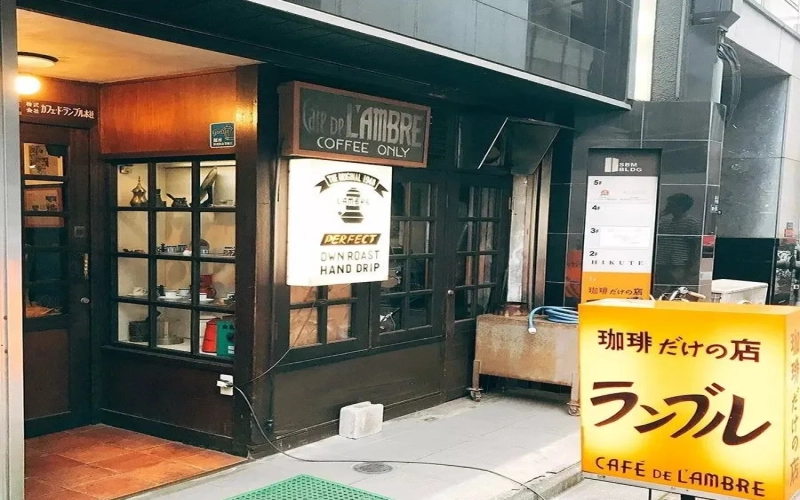
Amber Queen Coffee Recipe Tutorial: How to Recreate the Classic Layered Drink from Amber Café in Ginza, Tokyo
In Ginza, Tokyo, there is a long-established high-end coffee shop founded in 1948—Café de L'Ambre, famous for its founder Ichiro Sekiguchi's ultimate pursuit of coffee quality. But compared to the shop itself, its original drink "Amber Queen" actually enjoys greater fame. This coffee has sweetened cooled black coffee on the bottom layer, with unsweetened condensed milk floating on top; one sip lets you experience the dual flavor of coffee and milky aroma at the same time, and the visual effect is also extremely soothing. Many enthusiasts try to recreate it at home, but often encounter the problem of the condensed milk sinking and being unable to form layers. This article will share the complete method for making Amber Queen, from explaining the principles to the brewing steps, to help everyone make a cup of this classic Japanese-style coffee drink with distinct layers. [more…]
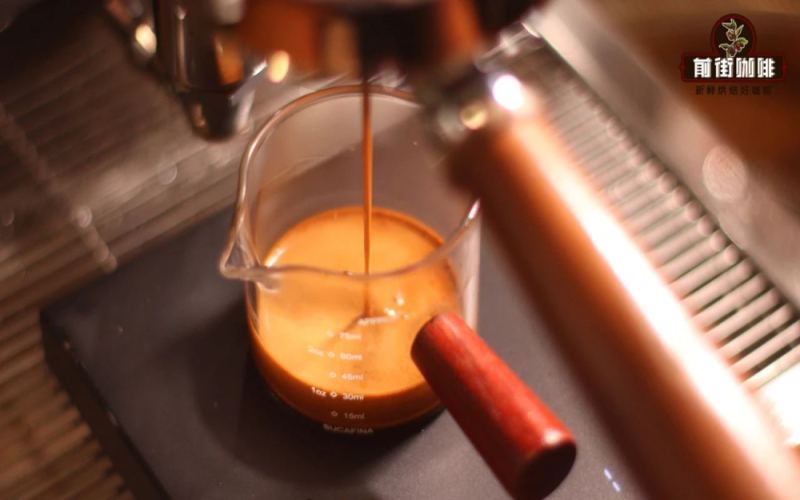
What Does SOE Coffee Mean? A Detailed Guide to Single-Origin Espresso and a Brazilian SOE Dirty Recipe Tutorial
When you walk into a café to order, the barista's casual question, "Would you like an SOE?" often leaves many customers puzzled. SOE stands for Single Origin Espresso, which refers to espresso made from coffee beans of a single origin. It can be extended into various drinks such as SOE Americano, SOE Latte, and SOE Dirty. This article will start with the development of specialty coffee, clarify the differences between SOE and blended coffee, and analyze the selection approach for acidic and bitter beans. Finally, using Front Street Coffee's Brazil Cerrado coffee beans as an example, it will fully share extraction parameters and the steps for making a Dirty, so you can make an excellent cup of SOE at home. [more…]
AeroPress: A Coffee Brewing Tool Without a Standard Answer, From Its Origin Story to a Full Inverted Method Tutorial
Beyond pour-over, there is another brewing device that is highly sought after by enthusiasts for its exceptional degree of freedom: the AeroPress. It was developed over twelve years by Alan Adler, founder of the Aerobie brand, and officially launched in 2005. AeroPress extraction combines both immersion and pressure mechanisms, and operationally splits into two paths: upright (standard) and inverted brewing, with virtually all parameters freely adjustable. It is precisely this openness that spawned a small friendly competition initiated by Tim Wendelboe in 2008, which gradually grew into a world-class event. This article will take you through the origins of the AeroPress, and include a universal inverted brewing recipe shared by Front Street Coffee, tested with Kenya Asalia beans. [more…]
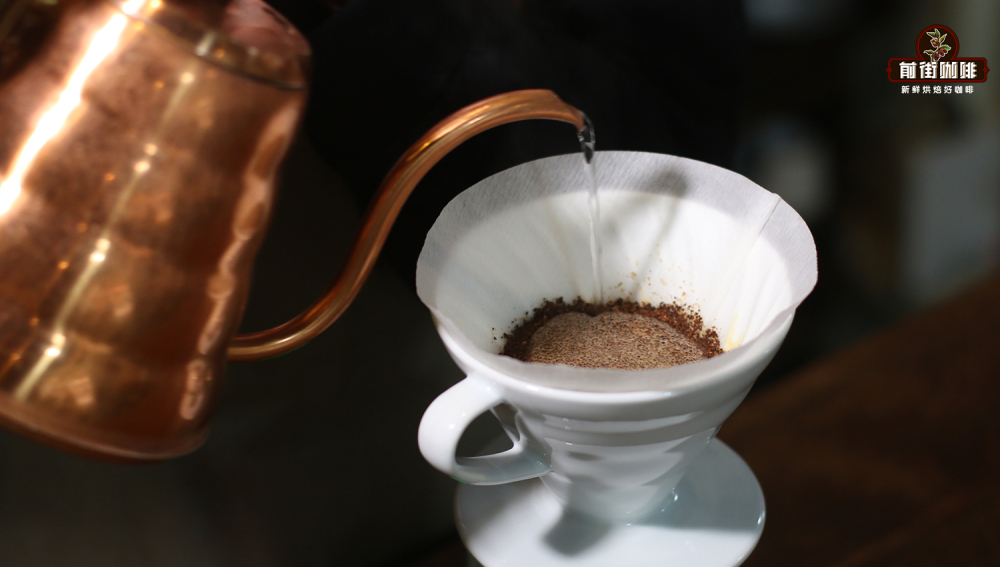
Pour-over Coffee Brewing Techniques and Tips Tutorial | How Much Coffee Powder for a Single Serving of Pour-over Coffee? Sharing the Pour-over Recipe and Parameters for Colombia Finca La Divisa Sidra
For more specialty coffee knowledge, please follow: Front Street Coffee (FrontStreet Coffee). Every day at Front Street Coffee, we encounter customers asking about pour-over coffee, perhaps about what pouring technique should be used for pour-over coffee? Or [more…]
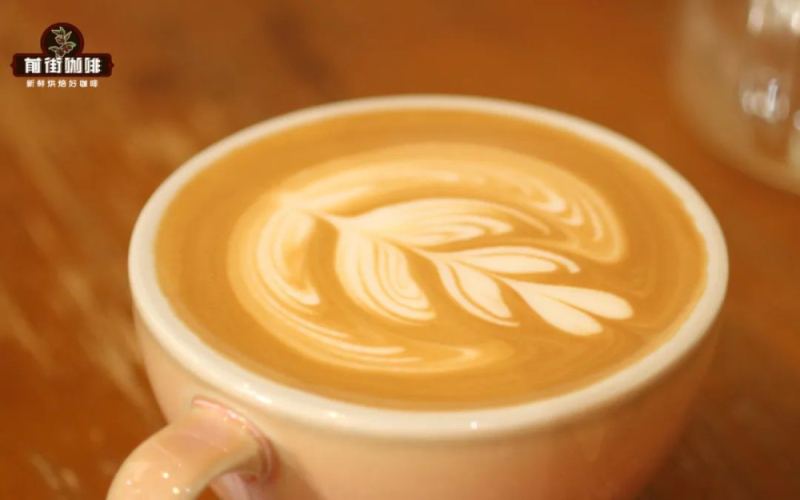
Latte Coffee Making Tutorial: A Detailed Guide from Coffee Bean Selection to Milk Frothing and Milk Ratio
Latte is the coffee drink most familiar to many people in their daily lives, but making a delicious latte requires attention to every step—from choosing the roast level of the coffee beans, to the extraction parameters of the espresso, to the techniques of steaming milk and pouring latte art. This article, drawing on the practices of Front Street Coffee, explains in detail the historical origins of latte, the types of coffee beans suitable for making lattes, the golden ratio of espresso to milk, and the staged method of steaming milk foam. It also introduces the flavor performance of Front Street Coffee's Sunflower Warm Sun blend in a latte, helping coffee enthusiasts, on the basis of understanding the principles, gradually master the key points for making a smooth and rich latte. [more…]
Mocha Coffee Tutorial Illustrated | What Is Espresso Milk Coffee Mocha? Which Coffee Beans Are Suitable for Making Mocha? How to Make a Delicious Mocha at Home?
For more specialty coffee knowledge, please follow: Front Street Coffee (Frontsteet Coffee) Recently, more friends have been visiting Front Street stores to ask about Mocha coffee. Unfortunately, Mocha coffee has already been removed from Front Street's menu, so these friends have all hit a dead end one after another. "Since [more…]
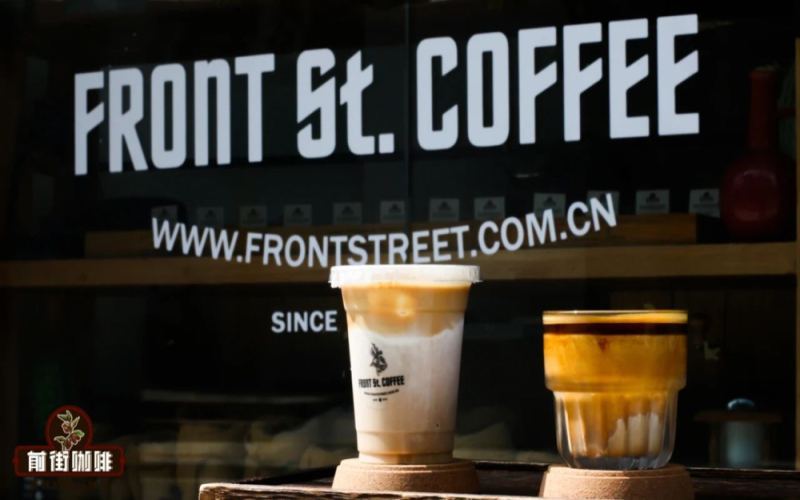
Summer Iced Latte DIY Tutorial: Front Street Dark Cocoa Espresso Blend Flavor Analysis
As midsummer arrives, iced drinks become the top choice for beating the heat, and a homemade iced latte is all the more capable of awakening the taste buds. This article takes Front Street Dark Cocoa espresso blend beans—recommended by many baristas—as an example to break down in detail the five steps of making an iced latte at home, and to thoroughly analyze the flavor characteristics of this coffee bean blend, which combines Yunnan and Brazil beans in a 3:7 ratio. Because of natural conditions such as high altitude and large temperature differences, the Yunnan growing region has a flavor similar to Colombia: moderate acidity, full body, and fruity notes, while the Brazil Cerrado beans are sweet-bitter and smooth. Together they bring soft fruity acidity, caramel sweetness, and nutty dark chocolate notes. This bean offers great value for money and is suitable for beginners and small coffee shops. Follow the tutorial to easily make a cup of iced coffee with a full sense of accomplishment. [more…]
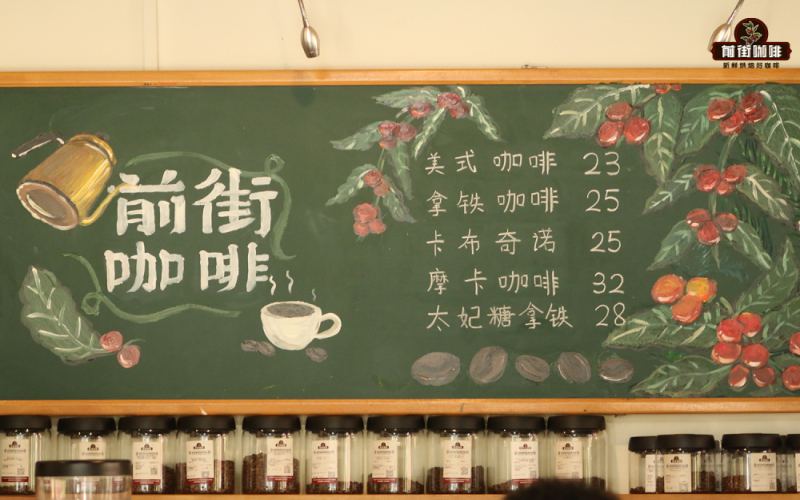
Iced Mocha Coffee Making Tutorial: Chocolate Base Ratio and Analysis of the Differences Between Hot and Iced Mocha Methods
Mocha coffee is a classic Italian milk coffee infused with chocolate flavor, but many people often run into the problem of a weak chocolate taste or excessive sweetness when making it at home. This article starts with the material selection and ratios for the chocolate base, explaining in detail the preparation process for iced mocha and hot mocha, including the logic behind combining chocolate sauce with unsweetened cocoa powder, the effect of ice cubes on flavor and the corresponding adjustments, along with the recommended reasons and extraction parameter references for Front Street's classic Italian blend, to help coffee enthusiasts make a cup of mocha coffee with rich chocolate and moderate sweetness at home. [more…]
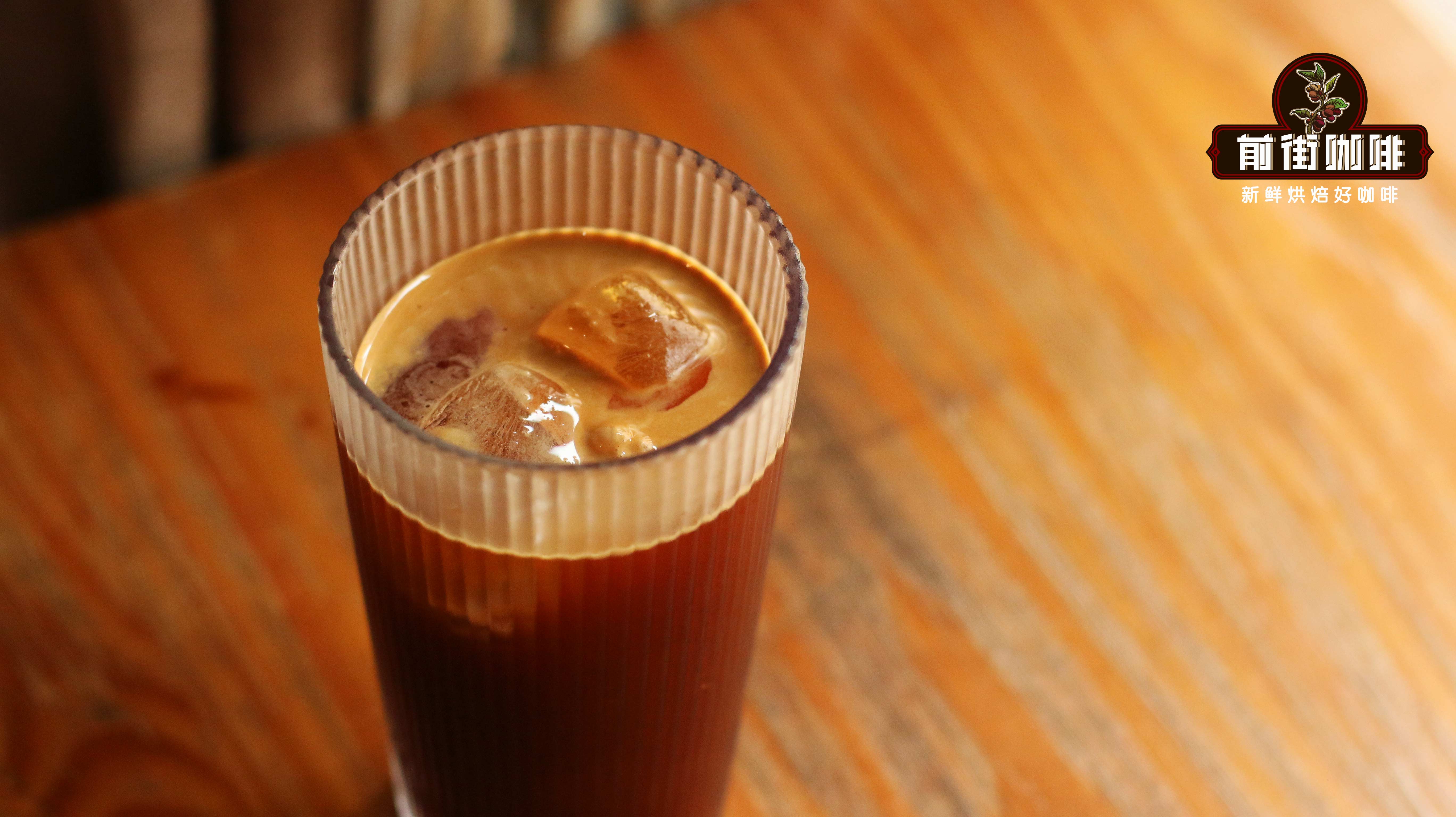
American Coffee Home Brewing Guide: The Golden Ratio of Espresso to Water and a Detailed Step-by-Step Tutorial for Iced Americano
Americano may seem simple, made of nothing but espresso and water, yet it is the best test of a barista's extraction skills. Drawing on the hands-on experience of Front Street Coffee, this article explains in detail how to make hot and iced Americanos, the precise ratio of coffee to water, and explores how skimming off the crema affects flavor. Whether you want to recreate an authentic Americano at home or understand the underlying logic of espresso, this tutorial will give you clear guidance. [more…]
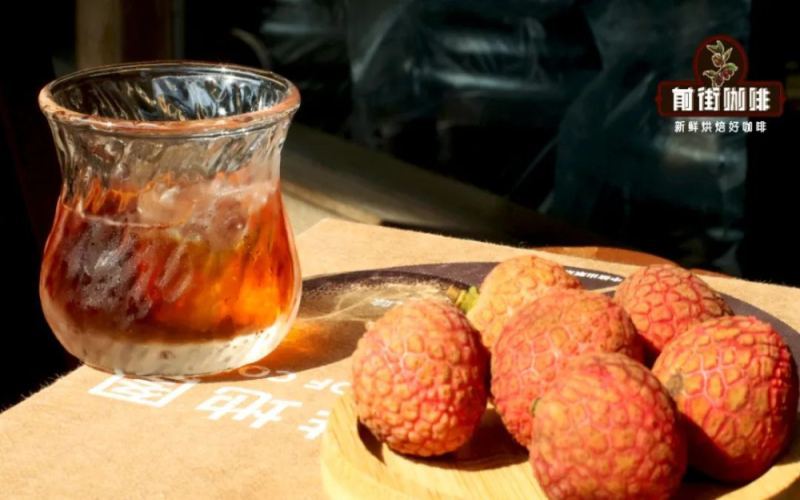
Lychee Iced Coffee: A Detailed Guide to Three Special Recipes—Jasmine Americano, Rice Wine Latte, and Cold Brew, Which Comes Out on Top?
As midsummer arrives, Lingnan lychees flood the market, their sweet, juicy flesh irresistible. What kind of sparks fly when lychee meets coffee? This time, Front Street Coffee got hands-on in the kitchen and tested three lychee coffee recipes buzzing online: lychee jasmine iced americano, lychee rice wine iced latte, and lychee cold brew. From ingredient preparation to extraction parameters, every step was recorded in detail. Some results were disappointing, while others were surprisingly delicious. If you also want a different fruity coffee this lychee season, why not follow this tutorial and give it a try—see which one becomes your summer favorite. [more…]
A complete illustrated guide from bean selection to filtration: a six-step tutorial for easily making naturally sweet cold brew coffee at home
Cold brew coffee, with its natural sweetness and smooth mouthfeel from natural fermentation, has always had a loyal following, but its often high price tag makes many people hesitate before buying. In fact, making cold brew at home is not as complicated as you might think—all you need is an airtight container, a single-origin bean you like, and room-temperature drinking water. Mix them in proportion, refrigerate for eight hours, then filter through filter paper, and you'll have a clean, clear cup of cold brew. Using Front Street's chosen Costa Rica Mozart 50g, EK43s grinder at 9 setting for iced pour-over grinding, and a 1:12 coffee-to-water ratio as specific parameters, this article demonstrates all six steps in a step-by-step format with photos and text, helping you turn the high price tag into an everyday pleasure within easy reach. [more…]

The Viral Social Media Donut Latte Home Replication Guide: A Detailed Breakdown of Recipe Ratios, Frothing Techniques, and Decoration Key Points
The donut latte that went viral on Korean social platforms, with its ring of puffed-up fluffy milk foam and cocoa powder decoration, has become a warm winter drink that gets rediscovered every time the temperature drops. Front Street has now recreated it firsthand and found that the overall barrier to making it isn't high—the key lies in controlling the ingredient ratios and the whipping state. The entire drink consists of two main parts: a hot milk coffee base and a cocoa-flavored milk cap. The base can be a hot latte or cappuccino, while the milk cap is made by mixing whipped heavy cream, syrup, and a small amount of salt. Below, we'll share the complete recipe, step-by-step instructions, and the detailed insights Front Street summarized through multiple attempts, including how the amount of milk affects the flavor, how to judge the timing of whipping the cream, and how to avoid common mishaps like the dome cracking or the coffee overflowing. [more…]