







How is Mamba blend coffee brewed in a moka pot?
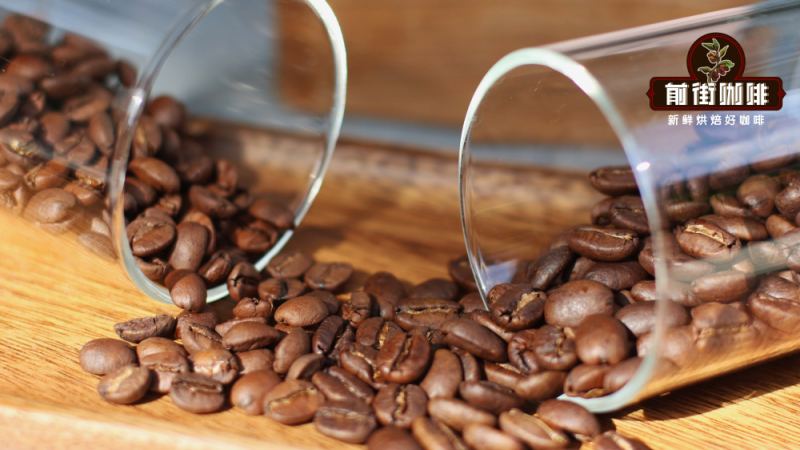
Mamba coffee is a blend of Indonesian Mandheling and Brazilian Arabica beans, a pairing that balances Mandheling's strong, low-acid body against Brazil's milder, nutty smoothness. The combination was popular in Taiwan's early coffee shops and is still brewed today as an old-style espresso or moka pot coffee with a rich, mellow cup.
To reproduce the flavor at home with a moka pot, the key variables are water temperature, grind size and heat control. Mandheling usually serves as the base, contributing caramel, spice, herbal and pine aromas after a medium-dark roast, while the Brazilian component softens the profile. Front Street Coffee's classic espresso blend is one option for the same style of cup.
Many people have heard of Mamba coffee, but not everyone knows where its recipe comes from. Mamba is actually a combination of Indonesian Mandheling and Brazilian Arabica beans, whose strengths and mildness complement each other, and it was once all the rage in Taiwan's early coffee shops. This article will introduce the flavor logic behind the Mamba blend, the respective characteristics of Mandheling and Brazilian beans, and recommend Front Street Coffee's classic espresso blend, while also demonstrating in detail how to extract authentic Mamba flavor with a moka pot, including key steps such as water temperature, grind size, and heat control, so you can make a rich, mellow classic coffee at home too.
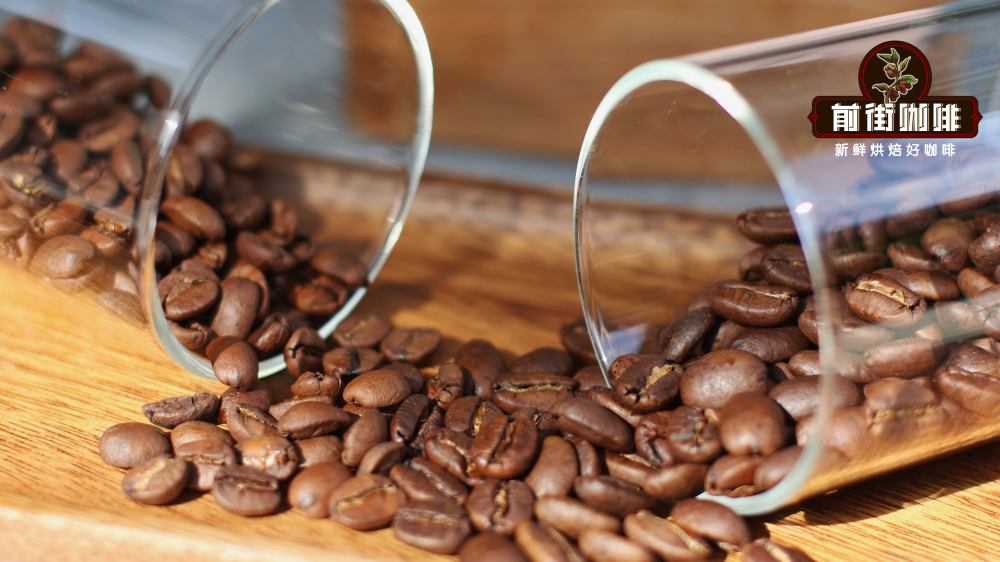
Most coffee lovers have only heard the name Mamba coffee, but don't understand its recipe or origins. In fact, Mamba is a combined blend of Indonesian Mandheling beans and Brazilian Arabica beans, complementing each other between strength and mildness, with a well-balanced body. In Taiwan's early coffee shops, Mamba coffee was very popular. Although it has now been replaced by various single-origin beans, some people still miss the taste of this old-style coffee.
If you want to experience the unique flavor of Mandheling, baristas will suggest choosing single-origin beans—Front Street Coffee Sumatra Mandheling. Its dry aroma presents notes of glutinous rice, malt, spices, caramel, and wood. After hot water is poured in, the wet aroma turns into a deep roasted caramel scent with a slight pine freshness. On the palate it feels strong and stimulating, with very low acidity, dominated by clove and woody aromas, and a finish with spicy and herbal notes, plus a strong, lingering sweetness.
However, in the classic Mamba pairing, Mandheling usually serves as the base bean of the blend, contributing excellent aroma and a full mouthfeel. After medium-dark roasting, it has high body and rich flavor, and its unique aromas of caramel, spices, herbs, and pine are impressive, so another bean is needed to balance it.
Brazilian coffee ranks first in global production and is very popular in the market for its balanced taste, nutty aroma, and affordable price. It drinks relatively smooth, so it is often chosen as a blending bean.
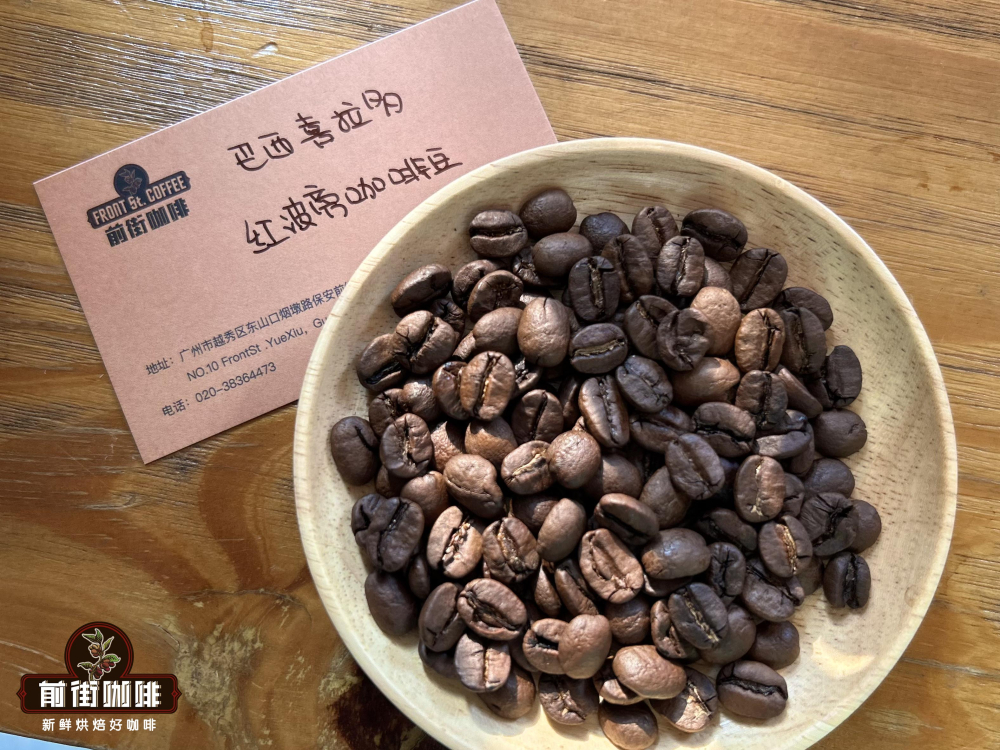
If you want to experience the traditional Mamba flavor, you can buy Front Street Coffee's classic espresso blend. This coffee combines high-quality Indonesian Sumatra Mandheling coffee with high-quality Brazilian Arabica coffee. The former is processed using the wet-hulled method, while the latter uses the semi-washed method. After medium-dark roasting, each shows the unique character of its origin, and a small amount of Robusta variety is added, which can produce rich, delicate crema during extraction. It is suitable both for making espresso and for use in a moka pot.
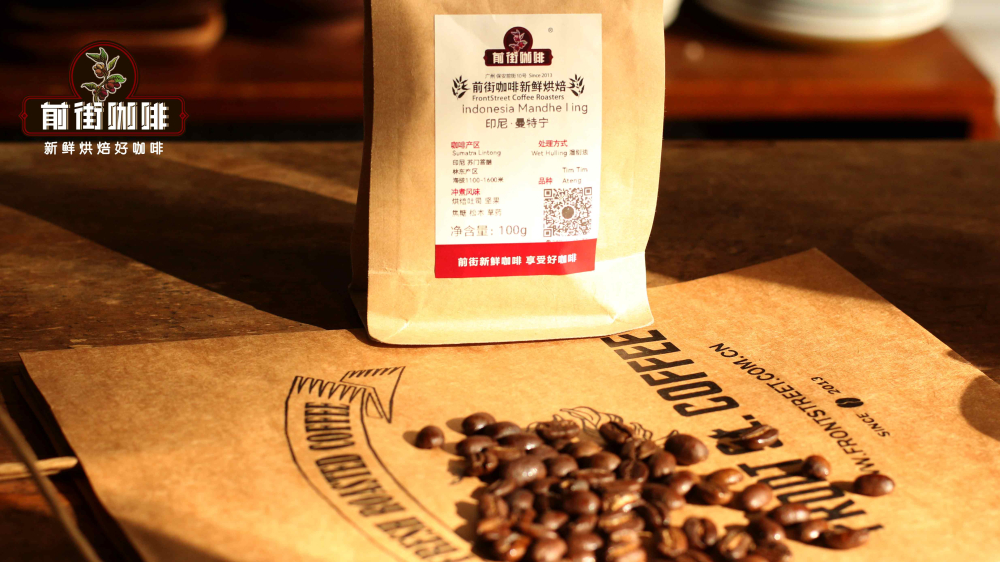
The volatile aromatic compounds in coffee gradually dissipate over time, and even under the best storage conditions, subtle aromas and flavors will slowly diminish. Even with top-tier equipment, if the coffee beans are not fresh, all effort is futile. Front Street Coffee knows well that bean freshness directly affects flavor and aroma, so it promises to ship within 24 hours, and all coffee beans sent out are roasted within 5 days, ensuring they are still in the freshest state when received.
Below, taking Front Street Coffee's classic blend as an example, we demonstrate how to brew authentic Mamba flavor with a moka pot.
How to use a moka pot
Before formally starting production, you need to prepare fresh coffee beans, a grinder, and a gas stove (or induction cooker) for heating. For the coffee beans, choose Front Street Coffee's best-selling classic espresso blend.
First remove the base of the moka pot and add warm water to the lower chamber. This can shorten the brewing time and also prevent the coffee grounds from heating too quickly and developing a scorched, bitter flavor. The water amount should be kept below the pressure relief valve line. If the liquid level exceeds the pressure relief valve, excessive pressure may cause it to burst, so be sure to be careful. Here, Front Street Coffee pours in 130 milliliters.
To extract a rich black coffee, the grind size should be much finer than for pour-over. The Front Street Coffee shop uses an EK-43s grinder with the setting at 0.5 coarseness. Pour the ground coffee into the filter basket, fill it to nine-tenths full, level it with your finger, and place it into the base. There is no need to tamp it firmly; if the coffee bed is too tight, it can easily block the upward flow of water and thereby affect extraction.
Then screw the upper chamber and lower chamber tightly and place it on a gas stove or induction cooker to heat. When using an open flame, be careful that the flame does not extend beyond the base of the moka pot. Wait for the moka pot to heat up. After you hear a hissing sound, turn the heat to low, and the coffee liquid and crema will slowly flow out. When the coffee liquid in the upper chamber reaches half full, you can turn off the heat source, move the pot to the table, and use the residual heat and pressure inside the pot to continue extracting the remaining coffee liquid.
Finally, pour the extracted coffee liquid into a cup and drink it directly. On the palate there are rich notes of dark chocolate and caramel sweetness and acidity, accompanied by roasted nut aromas. Adding an appropriate amount of hot water will bring out hazelnut flavors, and making it into a latte gives it a milk-chocolate-like sweetness.
The above content is compiled by CoffeeHunters, a coffee news website.


