







How does the Amber Queen drink show Golden Mandheling coffee quality?
Amber Coffee Shop in Ginza, Tokyo, founded in 1948 by Ichiro Sekiguchi, serves a signature drink called Queen Amber. It has two layers: sweetened chilled black coffee below and unsweetened condensed milk floating on top. A large sip brings both coffee and milk into the mouth together. Home versions often fail because the condensed milk sinks instead of forming a layer.
The layered effect depends on density and pouring technique, so the coffee base must be sweetened and well chilled before the milk goes on. Founder Ichiro Sekiguchi built the shop's reputation on strict coffee quality, and that same care applies to the drink. Using a clean, well-extracted base such as Golden Mandheling keeps the coffee flavor clear against the milk.
In Ginza, Tokyo, there is an old-established high-end coffee shop founded in 1948—Amber Coffee Shop, famous for its founder Ichiro Sekiguchi's ultimate pursuit of coffee quality. But compared to the shop itself, one of its original drinks, "Queen Amber," actually enjoys greater fame. The lower layer of this coffee is sweetened chilled black coffee, while the upper layer floats with unsweetened condensed milk. One sip lets you experience both the flavors of coffee and milk at the same time, and the visual effect is extremely soothing. Many enthusiasts try to recreate it at home, but often encounter the problem of condensed milk sinking and failing to form layers. This article will share the complete method for making Queen Amber, from analyzing the principles to the brewing steps, to help everyone make a classic Japanese-style coffee drink with distinct layers.
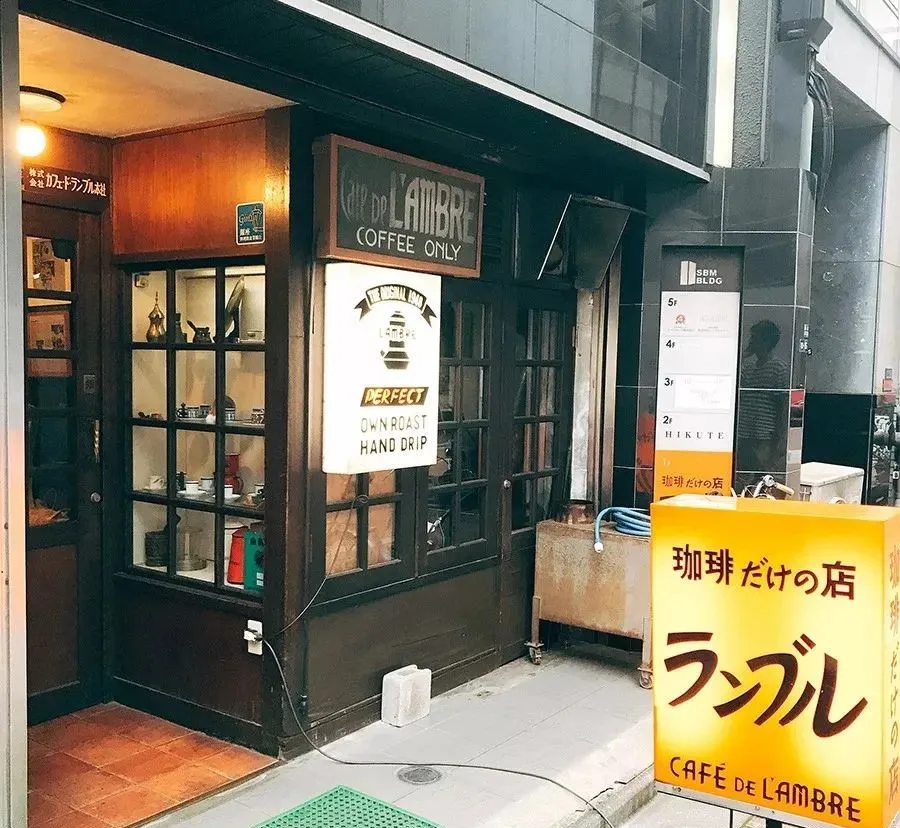

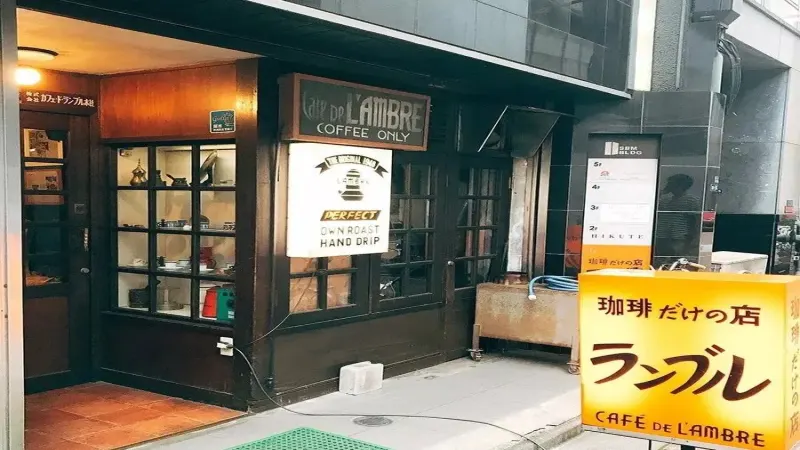
Anyone who has done some research on coffee has probably heard of the name "Amber Coffee Shop." This shop is located in Ginza, Tokyo, Japan, and was founded in Showa 23 (1948). It belongs to one of Japan's earliest high-end coffee shops. Founder Ichiro Sekiguchi is called the "God of Coffee." His dedication to coffee quality was almost harsh, and it was precisely this persistence that made Amber Coffee Shop widely known and turned it into a pilgrimage site in the minds of many coffee lovers, making it truly a deeply established "internet-famous coffee shop."
(Image sourced from the internet)
However, compared with the coffee shop itself or Ichiro Sekiguchi himself, an original drink in the shop is actually more famous. Even if you are not a seasoned coffee enthusiast, Front Street thinks most people have probably seen related making videos and been drawn in by that extremely soothing imagery. This drink is—Queen Amber.
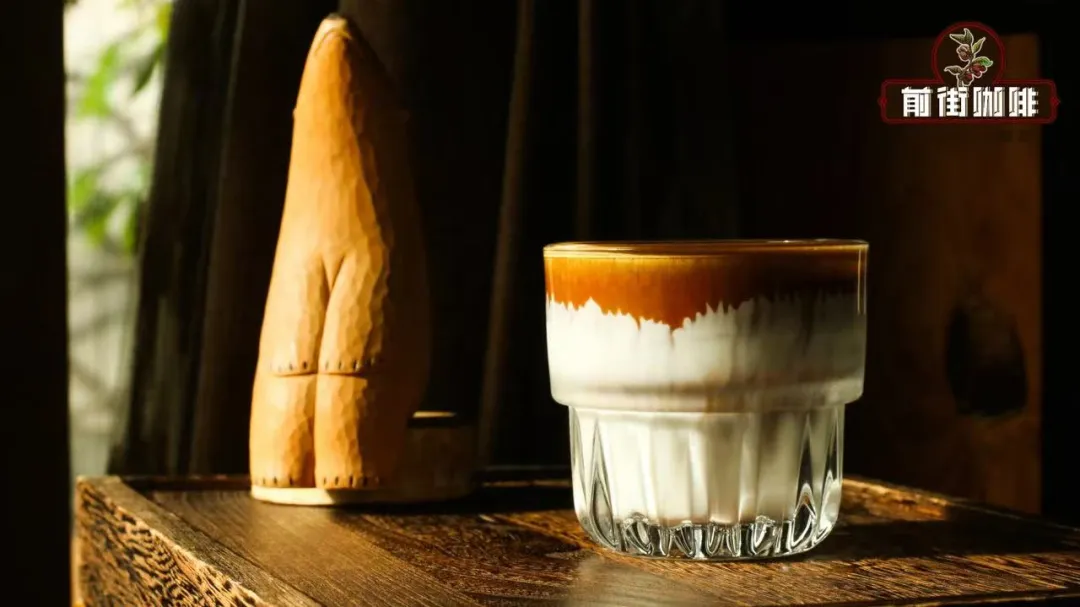
The image above shows Queen Amber. From its appearance, it is clearly divided into two layers, top and bottom. The bottom layer is sweetened and chilled black coffee, while the top layer floats with unsweetened condensed milk. When drinking, take a fairly large sip, and the coffee and condensed milk will enter your mouth at the same time, bringing both flavors together in one rush.
Does that sound a little familiar? That's right! It is somewhat similar to today's very popular Dirty, with the only difference being that the top and bottom positions of the dairy and coffee are exactly reversed.
Coffee, unsweetened condensed milk or cream, plus sugar—these are the three core ingredients for making Queen Amber. None of these are hard to buy, so many people try to recreate this drink at home.
But after actually trying it, they discover that no matter how they adjust it, the layered effect just will not come out. The unsweetened condensed milk or cream that should float on the surface of the coffee often sinks and mixes with the coffee, greatly reducing both the layering and the presentation. So quite a few friends left messages in the background hoping Front Street would share how to make this coffee!
Actually, making this drink is not all that complicated. The principle is the same as Dirty: as long as the lower layer of liquid has enough ability to support the upper layer of material, it works. Coffee itself has relatively low density, so it is difficult for it to hold up high-density substances like condensed milk or light cream. But we can use certain methods to increase the density of the coffee and give it stronger "supporting power."
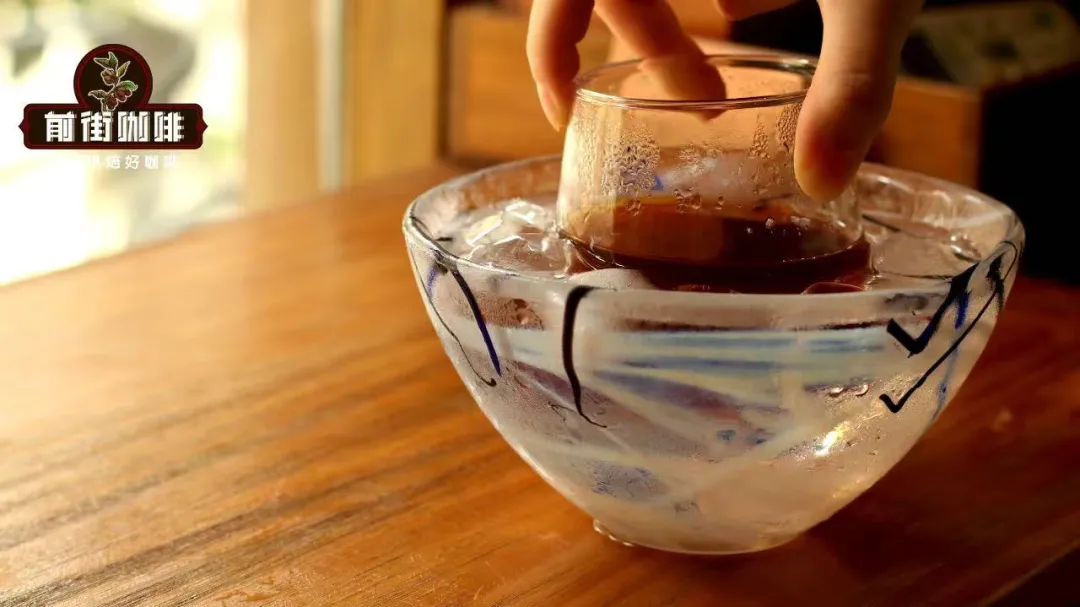
How exactly? It is actually quite simple: increase the coffee's concentration and lower its temperature at the same time. There is no need to say much about increasing concentration. Here Front Street will focus on cooling. The reason Dirty uses ice milk is not only that ice milk can create a temperature contrast with hot espresso, but also because low-temperature liquids have higher density—this is a point Front Street has repeatedly mentioned in Dirty-related articles. So as long as the coffee temperature is brought down, the density of the coffee can be increased (note: do not go below 4°C). For freshly brewed coffee, cooling it over a water bath is a very good option. It can maintain concentration while cooling quickly, achieving two goals at once.
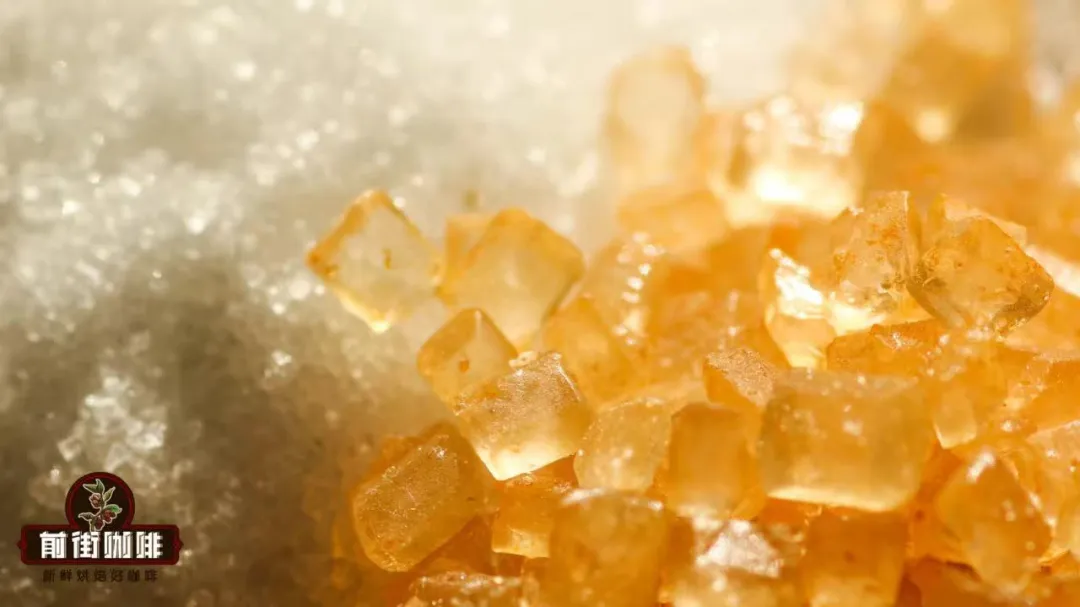
In addition to the two methods above, Queen Amber also adds sugar to the coffee during preparation. Sugar not only effectively neutralizes the bitterness of high-concentration coffee, but also further increases the coffee's density, making the coffee capable of supporting condensed milk or cream.
After reading through it, does it seem not that hard? That's fine. Next, Front Street will give a practical demonstration of how to make a cup of Queen Amber with clear layers.
Making and Sharing
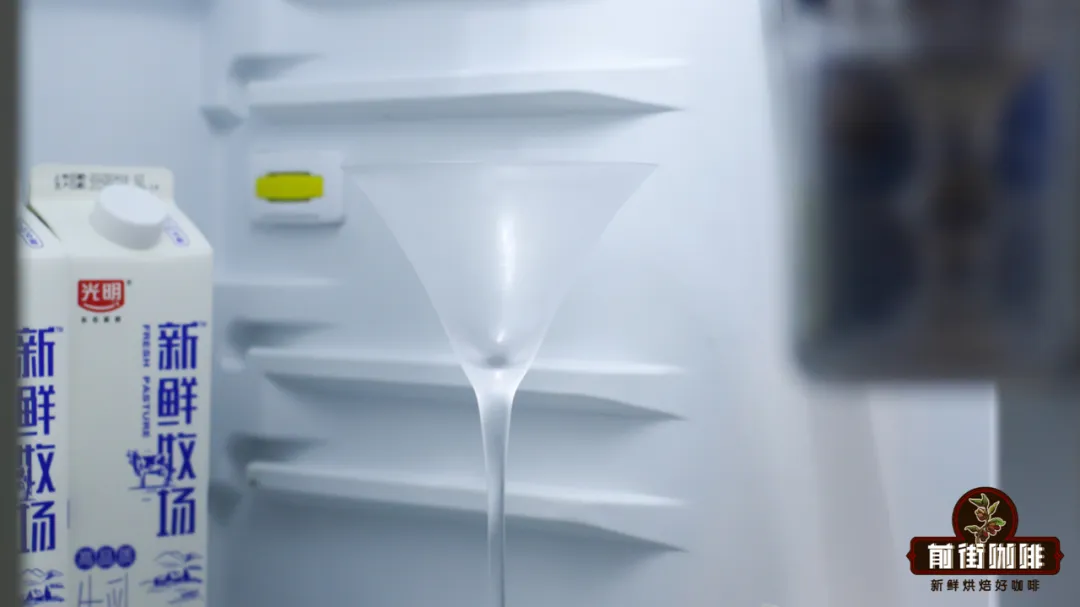
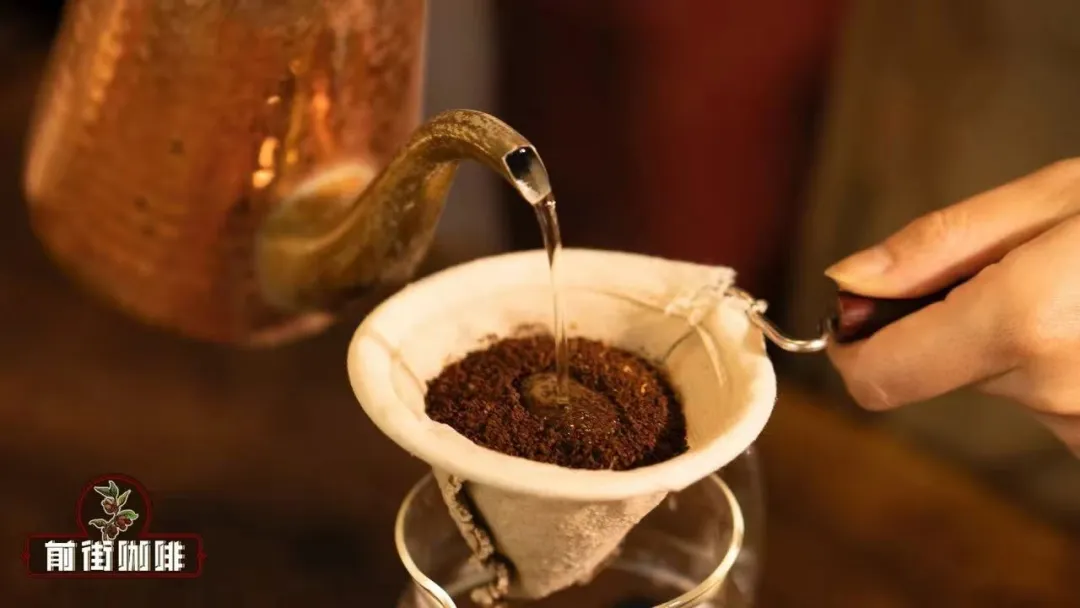
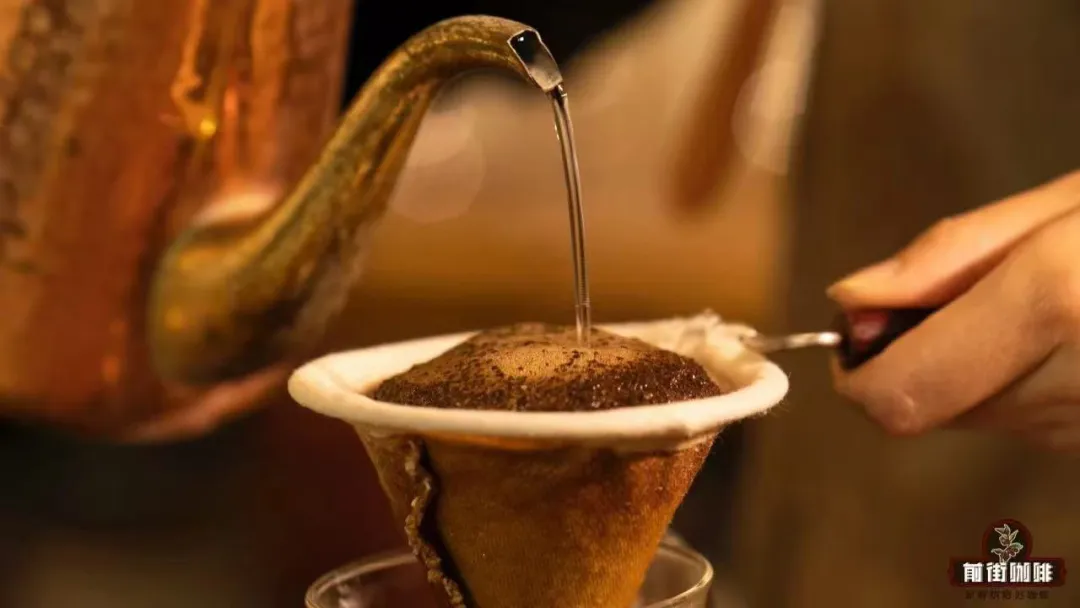
Since this is a Japanese-style coffee drink, naturally we should choose a classic dark roast bean—Golden Mandheling—to make it. To make the coffee's aroma and finish more outstanding, Front Street uses flannel as the filter for brewing. Before starting, you can first put the container that will hold the coffee in the refrigerator to chill, so the layering effect will be better (the condensed milk or cream also needs to be chilled).
Since the coffee still needs to be cooled after brewing, we can brew the coffee first and then prepare the other ingredients. The choice of sugar and condensed milk or cream can be made according to personal preference. Here Front Street uses honey and light cream. The coffee extraction parameters are as follows:
Dose used: 20g
Grind level: Ek43 setting 9, with 90% passing through a No. 20 sieve
Coffee-to-water ratio: 1:8
Brewing water temperature: 90°C
Brewing method: multi-pour
Before officially starting brewing, first drip 5ml of honey into the lower coffee server, so that when the coffee drips down it can directly blend with the honey. Then you can begin brewing. First, use twice the coffee dose in water for a 30-second bloom.
After the bloom is complete, divide the remaining water into three pours. Pour 40ml each time, using a small stream. Wait for each pour of hot water to fully penetrate before adding the next, for a total time of about 2 minutes.
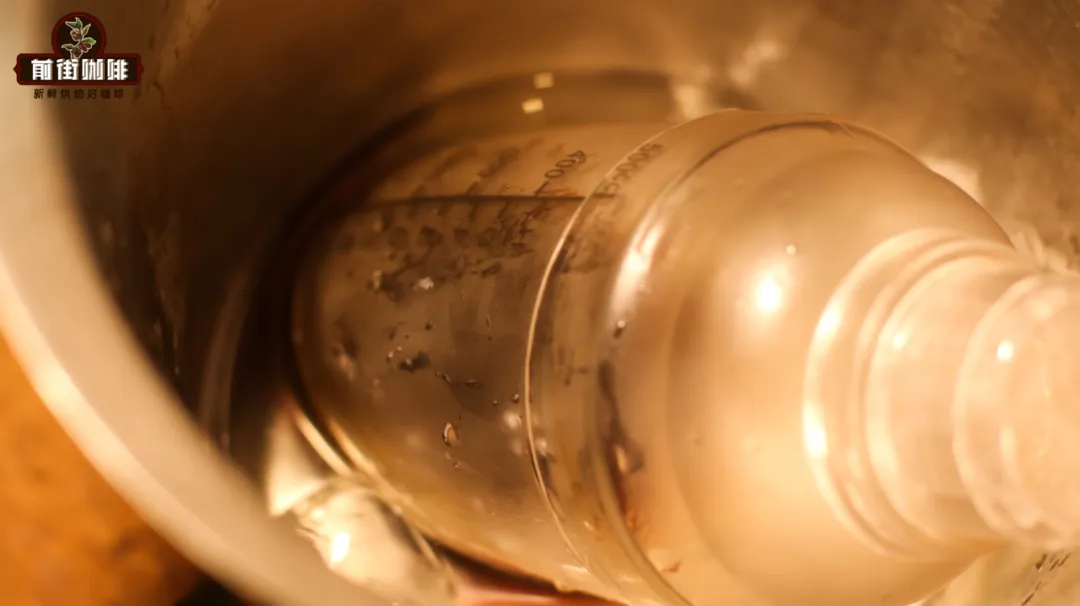
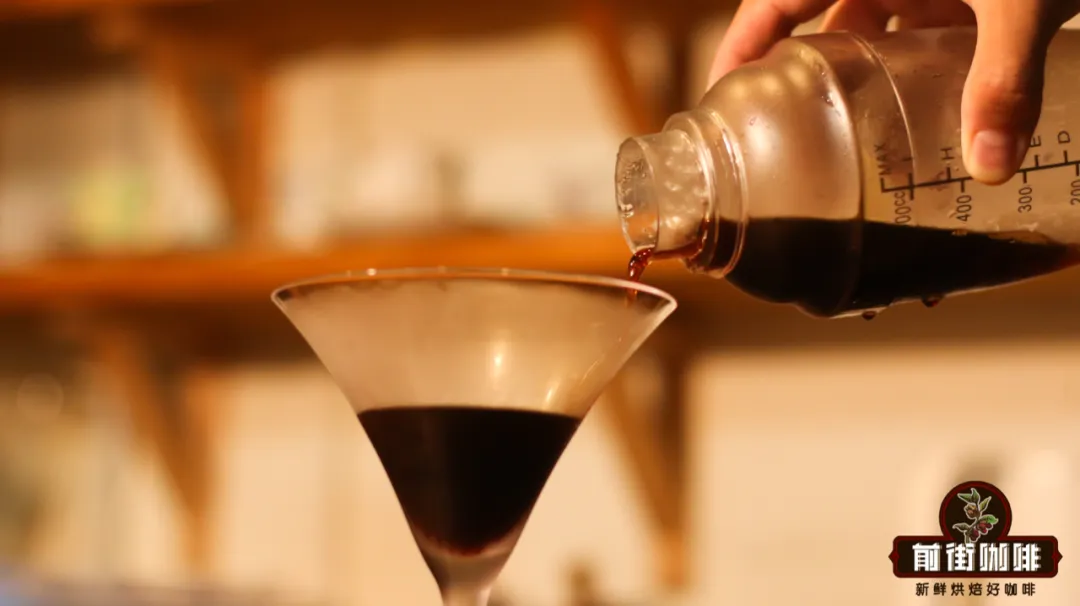
After the coffee is brewed, shake it evenly and pour it into a shaker (it is best to choose a shaker made of a material with fast heat conduction), then place the shaker containing the coffee into ice water to cool it over a water bath (putting it directly in the refrigerator to cool also works).
After the coffee has completely cooled, take out the pre-chilled cup and pour all the coffee into it. Front Street reminds everyone here that the cup should preferably not be too large, otherwise it will require a lot of coffee and cream, and it will easily become too rich to drink.
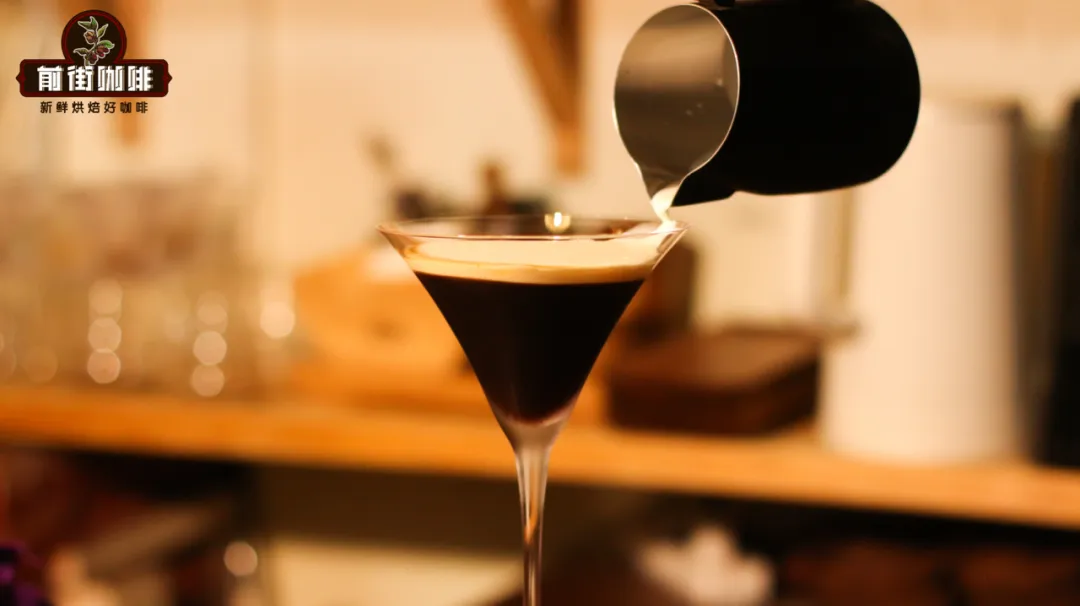
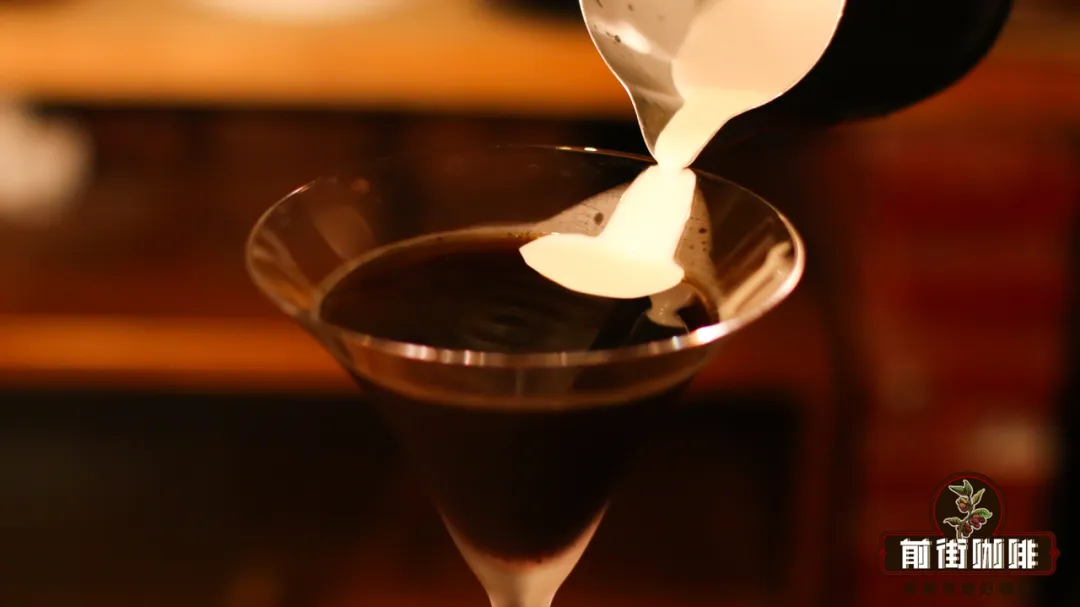
Next, slowly pour the condensed milk or cream along the wall of the cup. The motion must be very gentle, otherwise the cream or condensed milk will easily sink to the bottom.
Once the condensed milk or cream covers the surface of the liquid, a soothing and delicious cup of Queen Amber is complete!
When drinking, remember to take a big sip like when drinking Dirty. Only in this way can you ensure that the cream and coffee enter your mouth at the same time. Then you can feel the rich layers and silky texture brought by the cream and coffee. It is very worth trying.
(Front Street stores do not offer this, do not offer this)
- END -
The above content is compiled by CoffeeHunters, a coffee news website.


