







Search Results for: RSW Estate Group
Exploring Jamaica Blue Mountain RSW Estates: How Three Estates Achieve Top-Grade Blue Mountain No. 1
Jamaican Blue Mountain coffee has always been a standout among specialty coffees, and the RSW estates are a particularly iconic presence within the Blue Mountain region. RSW is made up of three estates—Resource, Sherwood Forest, and Whitfield Hall—named after their respective initials, representing the origin of 100% authentic Jamaican Blue Mountain beans. This article will guide you through an in-depth look at the geographical environment, cultivation traditions, and processing methods of these three estates, from opening the barrel for inspection to cupping the flavor, fully presenting the unique charm of RSW Blue Mountain No. 1. Whether you are a seasoned coffee enthusiast or a newcomer just getting to know Blue Mountain, this article will help you gain a more comprehensive understanding of this legendary coffee. [more…]
Jamaica Sherwood Estate Blue Mountain Peaberry Flavor Analysis: The Aroma and Taste Experience of Typica PB
Located in the St. Thomas region of Jamaica, Sherwood Estate has focused on Blue Mountain coffee production since 1797. Its output accounts for only 2% of the total Blue Mountain coffee harvest, yet thanks to hand-processing and strict quality control, it is regarded as one of Jamaica's finest Blue Mountain coffees. This article will guide you through Sherwood Estate's growing environment and processing methods, and take a deep dive into the flavor characteristics of its Blue Mountain Peaberry—from apple and lemon to jasmine and rose aromas, and on to the balanced expression of soft fruit acidity and a sweet finish. If you are curious about the taste of Blue Mountain PB, this detailed introduction from Front Street Coffee is not to be missed. [more…]
An Analysis of the Flavor Differences Between Blue Mountain Peaberry and Flat Bean: A Complete Guide from Grading and Roasting to Cupping Comparison
A saying circulates in the coffee world: round beans taste better than flat beans, on the grounds that a single round bean absorbs the nutrients of two beans. Does this view really hold up? This article starts with Front Street Coffee's Jamaican Blue Mountain R.S.W round beans, systematically sorts out the formation principles, grading standards, and roasting characteristics of round beans, and through an actual roasting comparison and cupping verification of Front Street Coffee's Blue Mountain round beans and flat beans, objectively analyzes the true differences between the two in flavor performance. If you are currently torn between choosing round beans or flat beans, this article may give you a rational answer. [more…]
The Complete Guide to Jamaican Blue Mountain Peaberry: R.S.W Estate Flavor Profile and Pour-Over, Siphon, and French Press Brewing Guide
Jamaican Blue Mountain coffee is globally recognized as one of the top-tier coffees, and Blue Mountain Peaberry is an especially rare and meticulously screened special grade within it. This article takes the R.S.W Estate Blue Mountain Peaberry recommended by Front Street Coffee as an example, systematically outlining the terroir conditions of the Blue Mountain region, the formation principles and grading standards of peaberry, and documenting in detail its complete performance from medium-dark roast to cupping flavors. The latter part of the article also compiles three brewing methods—pour-over, siphon, and French press—including specific coffee-to-water ratios, water temperatures, grind sizes, and pouring techniques, suitable for coffee enthusiasts who wish to gain a deeper understanding of Blue Mountain Peaberry and reproduce its delicate floral aroma themselves. [more…]
Why Does Blue Mountain Coffee Insist on Washed Processing? The All-Washed Craft and Flavor Secrets of Front Street Coffee's R.S.W Estate
The reason Blue Mountain coffee enjoys a global reputation is inseparable from its consistently applied processing method. From the very beginning of cultivating Blue Mountain coffee, Jamaicans have insisted on the fully washed process, refusing to use other methods to process the coffee cherries, which gives Blue Mountain coffee its refined and smooth sensory characteristics. As the main consumer market for Blue Mountain coffee, Japan values not its illustrious reputation, but rather its low bitterness, rich aroma, and low acidity, which happen to align with Japanese people's sensory preferences for coffee. Front Street Jamaica Blue Mountain R.S.W No.1 comes from one of the estates at the highest altitude in the Blue Mountain legally designated growing region, and its refined washed processing and sun-drying techniques achieve a rich and full coffee flavor. This article will provide an in-depth analysis of the washed processing flow for Blue Mountain coffee, and how R.S.W Estate uses traditional craftsmanship to create top-quality Blue Mountain coffee with consistent quality. [more…]
Jamaica Blue Mountain Old Tavern Estate: The Flavor Secrets and Origin Story of Top Blue Mountain Coffee
When it comes to Jamaican Blue Mountain coffee, many people first think of Wallenford Estate, but there is an even more hidden and exclusive estate—Old Tavern Estate. The owner, Alex Twyman, has been rooted in the northern slopes of the Blue Mountains for over fifty years, cultivating slow-ripening cherries under shade trees to produce a top-grade Blue Mountain with sweetness and a distinctive aroma. The annual output here is only 40,000 pounds, less than 2% of the total Blue Mountain production, yet each pound sells for over fifty US dollars, twice that of ordinary Blue Mountain. Even more legendary is that Twyman single-handedly challenged Jamaica's coffee marketing system, ultimately driving the industry's liberalization. Front Street Coffee takes you deep into this misty, rain-shrouded Blue Mountain secret realm to explore the flavor code of top-tier Blue Mountain and the estate owner's persistent life. [more…]
How Does Blue Mountain Flavor Coffee Differ from Authentic Jamaican Blue Mountain? Front Street Helps You Tell Real Blue Mountain Coffee from Fake
There are all sorts of coffees on the market flying the "Blue Mountain" banner, but the gap between genuine Jamaican Blue Mountain coffee and "Blue Mountain flavor" is enormous. This article starts with the origin of the Blue Mountain range's name, then breaks down the essential differences between "Blue Mountain flavor," "Jamaican coffee," and "Jamaican Blue Mountain coffee" one by one, and explains the three major grade classifications of Blue Mountain coffee along with the stringent standards for No.1. The article highlights top-tier processing facilities such as Wallenford Estate, analyzes the distinctive flavor of Wallenford Blue Mountain No.1, and helps coffee enthusiasts accurately identify authentic Blue Mountain so they won't be misled by confusing terminology. [more…]
A Detailed Guide to the Flavor Characteristics of Jamaica Blue Mountain No. 1 Coffee Beans and the Price Story of Clifton Estate
Jamaican Blue Mountain coffee is world-renowned for its scarce production and exceptional quality. The Blue Mountain No. 1 coffee beans selected by Front Street Coffee come from Clifton Estate, a century-old estate with Rainforest Alliance certification, whose coffee achieves a delicate balance of acidity, body, and aroma. This article will guide you through the historical origins of Blue Mountain coffee, the strict grading standards of the Jamaica Coffee Industry Board, the distinctive characteristics of the four major Blue Mountain estates, and the complete process from washed processing to wooden barrel packaging. At the same time, Front Street Coffee's roasting curve and brewing parameters will also be presented one by one, helping you fully appreciate this legendary coffee's chocolate and nut flavors and balanced mouthfeel. [more…]
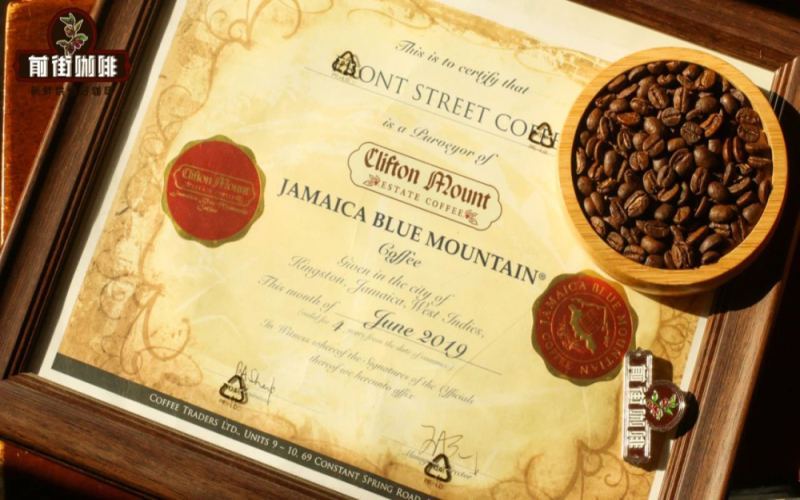
A Detailed Guide to Jamaican Blue Mountain Coffee Flavor and Pour-Over Brewing: Balanced Taste from Medium-Dark Roast to KONO Dripper
Jamaica Blue Mountain coffee, hailed as the "Emperor of Coffee," remains a legend in the hearts of many coffee enthusiasts to this day. What gives it the right to sit firmly on the throne of top-tier coffee? From its introduction to the Caribbean in the 18th century, the volcanic soil and misty climate of the Blue Mountains, to the CIB's strict demarcation of the growing region and an annual output of only about 900 tons, every link in the chain is steeped in scarcity. Front Street Coffee has this time sourced Blue Mountain coffee beans from Clifton Estate, using a medium-dark roast to bring out its balanced, mellow character. So, does Blue Mountain coffee actually taste good? Does a pour-over Blue Mountain count as black coffee? This article will take you through the history, growing region, certification, and brewing parameters to fully unpack this cup of coffee from the blue mountain ridge. [more…]
A Complete Guide to Hawaiian Kona Coffee: From Terroir to a Flavor Comparison with Jamaican Blue Mountain
Hawaii is the only U.S. state that produces coffee, and the Arabica coffee grown in the Kona region of the Big Island is renowned worldwide. This article will guide you through Hawaii's coffee-growing environment, the unique terroir of Kona coffee and its tradition of home cultivation, and take an in-depth look at Queen Farm's specialty Kona beans and recommended roasting approaches. We will also compare Kona with the equally famous Jamaican Blue Mountain coffee, examining their differences in history, growing regions, processing methods, and flavor profiles, to help coffee lovers find the perfect island coffee for themselves. [more…]
Jamaica Blue Mountain Full Analysis: Why Wallenford Estate No.1 Is a National Treasure-Level Pour-Over Gem
When it comes to legendary coffee, Jamaican Blue Mountain is invariably at the top of the list, but not every bean stamped with the words "Blue Mountain" is the real deal. This article uses a specialty Blue Mountain recommended by Front Street Coffee as a starting point to clarify the hierarchical differences between "Blue Mountain flavor," "Jamaican coffee," and "Jamaica Blue Mountain No. 1," explain how Blue Mountain got its name and its three-tier growing region classification at 1,500, 3,000, and 5,000 feet, and trace the industry's ups and downs after coffee arrived in Jamaica in 1728: from the heyday of 686 estates, to the devastation of hurricanes, the government's sale of estates, the founding of the CIB, the enactment of legislation, and how Wallenford, the only estate that retained state-owned status, safeguarded its national-treasure reputation through rigorous quality control. The article also deciphers the certified trademark system and anti-counterfeiting measures to help you identify an authentic cup of Blue Mountain. [more…]
An In-Depth Analysis of Jamaica Blue Mountain Clifton Mount Estate No.1: The Blue Mountain Coffee Certification System and a Guide to Selecting Beans for Pour-Over
The name Blue Mountain coffee is known to everyone in the coffee world, but not every coffee sold under the "Blue Mountain" banner truly lives up to the name. Starting from the product information of Front Street Coffee's Jamaica Blue Mountain Clifton Estate No.1, this article systematically sorts out the producing region definition, grade classification, and historical evolution of Blue Mountain coffee, and takes a deep dive into the special position of Wallenford Estate within the Blue Mountain industry. You will learn the essential differences between "Blue Mountain flavor," "Jamaica coffee," and "Jamaica Blue Mountain No.1," the altitude standards of the legally defined Blue Mountain producing region, and how the CIB certification system safeguards the authentic quality of Blue Mountain coffee. Whether you want to understand how to tell genuine Blue Mountain coffee from fakes, or you are looking for a reliable pour-over Blue Mountain bean, this article is worth a read. [more…]
A Complete Guide to Jamaica Blue Mountain No. 1 Clifton Estate: Flavor Characteristics, Certification System, and Brewing Key Points
Jamaican Blue Mountain coffee is one of the most renowned specialty coffees in the world, prized for its scarce yield and high price, with Blue Mountain No. 1 from Clifton Estate being especially highly regarded. The Blue Mountain coffee beans selected this time by Front Street Coffee come precisely from this estate, which has a two-hundred-year history and is the only Blue Mountain estate in Jamaica to have obtained Rainforest Alliance certification. This article will systematically review the historical origins and growing-region conditions of Blue Mountain coffee, introduce the respective characteristics of Jamaica's four major Blue Mountain estates, explain in detail the washed processing flow and the barrel-packaging tradition, and describe the certification system for Blue Mountain coffee. In addition, Front Street Coffee will also share a medium-dark roast profile and a Kono dripper brewing recipe for this bean, helping coffee lovers fully appreciate its full, balanced, mellow body and its layered flavors interwoven with chocolate and nuts. [more…]
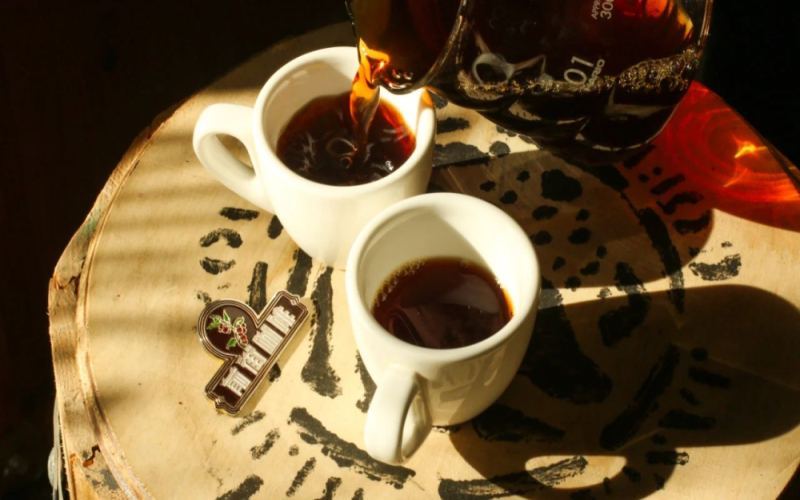
A Complete Analysis of Jamaican Blue Mountain Coffee Flavor and Grades: Price, Region, Varieties, and Front Street Brewing Insights
Jamaican Blue Mountain coffee is hailed as the crème de la crème of coffee, but do you know why it is so expensive, how it is graded, and whether its taste leans more acidic or bitter? This article starts with the price of Blue Mountain coffee at FrontStreet Coffee to walk you through the genuine Blue Mountain certification mark, the distribution of its three major production regions, the characteristics of the Typica variety, and the grade differences between Blue Mountain No. 1, High Mountain coffee, and Jamaican coffee. It also analyzes how washed and natural processing methods affect flavor, and shares Front Street's brewing parameters and flavor descriptions for dark-roasted Blue Mountain beans. Whether you want to get your hands on Blue Mountain beans or simply want to understand the Blue Mountain system, this article will give you clear answers. [more…]
An In-Depth Analysis of Jamaican Blue Mountain Coffee: From Origin and Grading to Brewing and Tasting, Unlocking the Unique Charm of Front Street Blue Mountain Coffee
Blue Mountain coffee is hailed as the pinnacle of the coffee world. Originating from the Blue Mountains of Jamaica, it is renowned worldwide for its perfectly balanced flavor profile of acidity, bitterness, sweetness, and body. Front Street Coffee's Blue Mountain coffee, with its rich and well-balanced mouthfeel and lingering fruity aroma, has become a favorite among countless coffee enthusiasts. This article provides a comprehensive exploration of this top-tier coffee that coffee connoisseurs around the globe seek out — from the origin environment, historical development, grading standards, and quality control of Blue Mountain coffee, to brewing and tasting methods. It also examines the enormous flavor differences between instant coffee and freshly roasted Blue Mountain coffee, as well as the quality commitment behind Blue Mountain coffee's unique packaging and transportation. [more…]
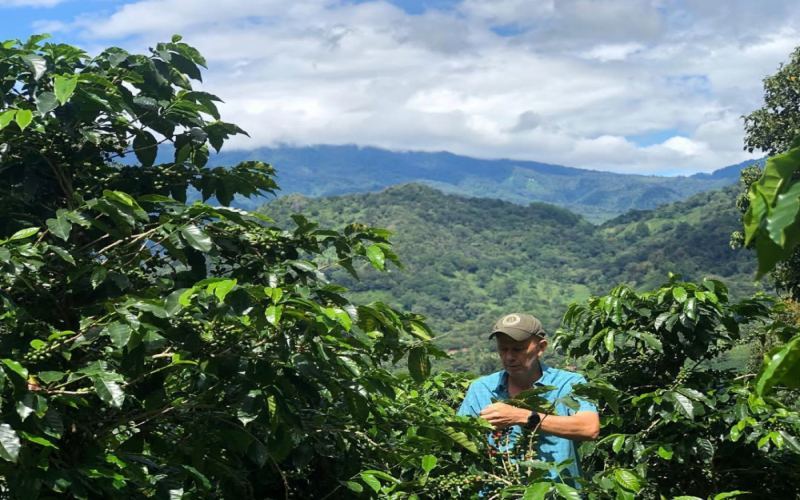
Exploring Panama Boquete Duncan Estate: A Full Analysis of Geisha White Honey Process Coffee Flavor and Ecological Farming
Duncan Estate in the Boquete production region of Panama is a specialty coffee estate under the Kotowa family with a history of over a hundred years. With its exceptional geographical conditions and strict ecological management, it has become a frequent winner at BOP auctions. This article provides a comprehensive introduction to Duncan Estate's production region background, growing environment, processing techniques, and award history, with a focus on analyzing the flavor characteristics of its Geisha White Honey processed coffee beans. At the same time, Front Street Coffee has also acquired the estate's Natural Caturra, presenting through medium-light roasting and cupping a layered profile of floral notes, candied fruit, and fermented fruit nuances. Whether you are a Geisha enthusiast or a Caturra fan, you can experience the unique charm of Panamanian specialty coffee. [more…]
2018 Panama BOP Auction Concludes: Natural Geisha Sets a Record High of $803 per Pound, Hacienda La Esmeralda Crowned Double Champion
The results of the 2018 Best of Panama (BOP) auction have been officially revealed. The natural Geisha shattered the historical record with a staggering price of $803 per pound, becoming this year's top lot. Elida Estate, with its double victory in both the washed and natural Geisha categories, became the first "double champion" in BOP history. This year's auction not only witnessed the continued dominance of the Geisha variety but also reflected the profound impact of reduced production in the Panama region on the scale of the competition. Front Street Coffee takes you through a comprehensive review of the highlights and changes of this world-class green bean event. [more…]
Panama Duncan Estate Geisha Coffee Beans: Flavor Differences Between Natural and Washed Processing Methods and Analysis of the Estate's Characteristics
Panama Duncan Estate, as a renowned specialty coffee estate under the Kotowa family, is famous for its Geisha variety and meticulous picking techniques. This article provides a detailed analysis of the geography and terroir of Duncan Estate and Don Herrera Estate, the impact of altitude and climate on coffee quality, and the unique features of the top picking method and the reserve picking method; it also compares the flavor differences between the natural and washed processing methods, and includes the BOP award records over the years and complete estate information. Front Street Coffee recommends paying attention to the jasmine floral aroma and tropical fruit complex flavors of its Geisha variety, which is suitable for coffee enthusiasts to gain an in-depth understanding of the ultimate charm of Panamanian specialty coffee. [more…]
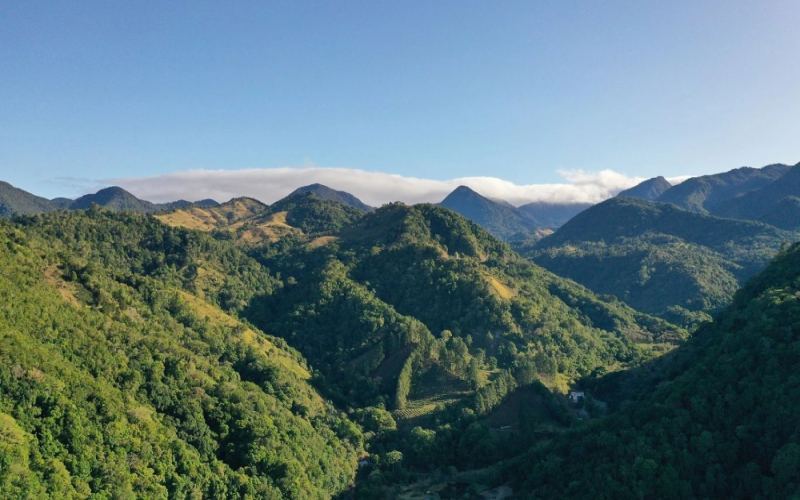
Panama BOP Washed Group Champion Carmen Estate: Volcan Region Geisha Flavor Characteristics and Estate Story
Panamanian specialty coffee enjoys a global reputation, and the 2023 BOP Washed Group champion, Carmen Estate, set a new record with 96.5 points and created a new high for green bean auctions at $10,005 per kilogram. Located in the Volcán region at an altitude of 1,750 meters, this estate is tied with Elida as the highest-altitude Geisha estate in Panama, with more than 60 years of history and 60% primary forest. Today, Front Street Coffee takes everyone to gain an in-depth understanding of Carmen Estate's terroir conditions, cultivation management, processing methods, and how it has repeatedly achieved excellent results in the BOP competition. [more…]

2022 BOP Competition Hacienda La Esmeralda Chicho Gayo: Is It a Geisha Variety? Unveiling the High-Scoring Coffee in the Traditional Group
The results of the 2022 Best of Panama (BOP) green bean competition are in, and beyond the rankings of the various estates, one coffee bean that broke the historical high-score record in the Traditional category—Chicho Gayo from Hartmann Estate—has sparked heated discussion. Is it actually a Geisha variety? Why was it disqualified last year, yet this year won the Traditional category championship? This article will take you deep into the origins of this coffee bean, the story of its variety cultivation, and its connection to and differences from Geisha. At the same time, we will also share the overall performance of this year's BOP competition under climate challenges, as well as Front Street Coffee's attention to and recommendation of this bean. Whether you are a coffee enthusiast or a professional in the industry, this article will unveil the mystery of Chicho Gayo for you. [more…]